

What Is a Truck Accident?
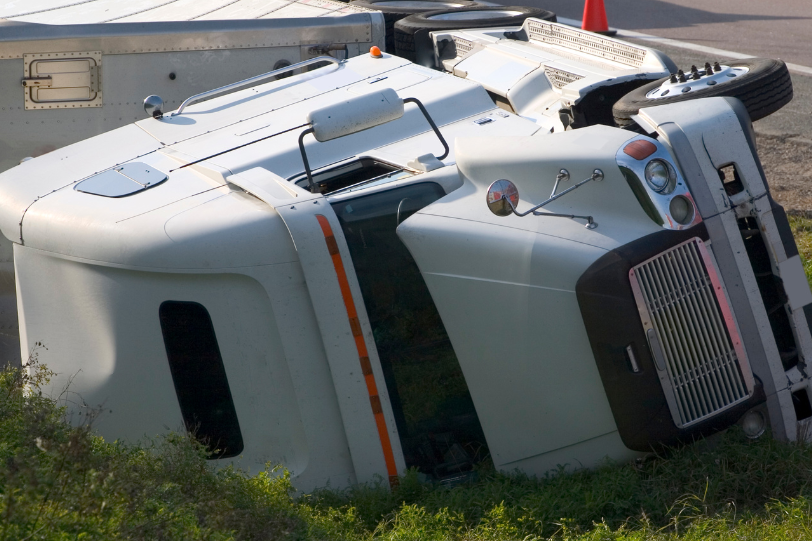
A truck accident typically refers to collisions involving large commercial vehicles, such as tractor-trailers, semi-trucks, box trucks, or other heavy-duty vehicles used to transport goods or equipment. Because of their substantial size and weight, these vehicles can cause far more damage than regular cars in a crash, often resulting in severe injuries, extensive property destruction, or even fatalities.
Unlike standard passenger vehicles, commercial trucks operate under a web of specialized regulations. Federal and state agencies mandate driver training, hours-of-service limits, vehicle inspection routines, and other compliance measures aimed at ensuring road safety. Yet, truck accidents remain a serious concern on highways and local roads alike, potentially involving multiple parties—from trucking companies to manufacturers—when fault is assessed. These accidents require a thorough investigation into both human error and mechanical failure.
What Do Truck Accident Lawyers Do?
Truck accident lawyers play crucial roles in the legal system, serving two primary functions that cater to different client needs.
Advocates for Victims
These legal professionals work tirelessly to represent individuals who have suffered due to truck accidents. Their mission is to secure compensation for victims by presenting compelling cases in court. This involves gathering evidence, negotiating with insurance companies, and ensuring their clients receive the financial recovery needed for medical bills, loss of income, and emotional distress.
Defense for Drivers and Operators
On the flip side, truck accident lawyers also defend drivers and operators who are implicated in causing these accidents. These clients may be facing significant legal penalties, including hefty fines or potential jail time. The lawyers’ role here involves crafting a defense strategy that aims to mitigate penalties and protect the rights of the accused, ensuring fair trial processes and outcomes.
Common Causes of Truck Accidents
Truck accidents can stem from a range of issues, often combining driver-related factors with systemic or mechanical shortcomings. Recognizing the primary causes can illuminate how to reduce risks and identify liability:
- Driver Fatigue
Long hauls and tight delivery schedules can push drivers to exceed safe working hours. Even with federal hours-of-service regulations in place, fatigued drivers might lose concentration or doze off, leading to catastrophic mistakes. - Improper Maintenance
Commercial trucks require rigorous, frequent upkeep. Defective brakes, worn tires, or faulty steering mechanisms can turn a routine trip into a crash scenario if companies or owners neglect necessary repairs. - Distracted Driving
Handling phone calls, texting, checking GPS, or even eating behind the wheel are everyday distractions for some truckers. Given a truck’s massive size, any lapse in attention raises the potential for severe collisions. - Impaired Driving
Substance abuse—whether it involves alcohol, prescription meds, or illicit drugs—can severely affect reaction times and judgment. Commercial drivers are subject to stricter alcohol limits, but violations still happen. - Overloading or Improper Cargo Securement
If a trailer’s cargo is too heavy, unbalanced, or poorly secured, the truck’s center of gravity can shift unexpectedly. This situation frequently contributes to rollovers or jackknife accidents. - Reckless Driving
Speeding, tailgating, aggressive lane changes, or failing to account for a truck’s extended stopping distance can transform an avoidable situation into a deadly crash.
While each cause varies in severity, a combination of driver training, corporate responsibility, and regulatory oversight plays a crucial role in minimizing these risks.
How Often Do Truck Accidents Happen?
Although they constitute a smaller share of total crashes than standard passenger-vehicle incidents, truck accidents remain a significant safety concern. Understanding their prevalence highlights their impact on road safety:
- Higher Fatality Rates: Accidents involving large commercial vehicles often lead to severe injuries or death, especially for occupants of smaller cars.
- Rural and Highway Settings: Semi-truck crashes tend to happen more frequently on highways and rural roads where speeds are higher and routes see considerable freight traffic.
- Economic Factors: With the continuous growth of e-commerce and just-in-time deliveries, more trucks are on the roads. Heavier traffic increases the likelihood of collisions.
- Company Pressures: Some trucking businesses push drivers to maintain strict schedules or cover vast distances quickly, exacerbating fatigue and driving hazards.
Regulatory agencies like the Federal Motor Carrier Safety Administration (FMCSA) work to gather data on truck accidents and adjust policies accordingly. Despite these measures, serious crashes—and their devastating results—persist, demonstrating the ongoing need for awareness, safety campaigns, and diligent enforcement of trucking regulations.
Why Record-Keeping Matters in Trucking Safety
Maintaining detailed records is crucial for commercial trucking operations to meet stringent state and federal regulations. Here’s how:
- Tracking Hours of Service: Accurate logs of drivers’ working hours help ensure adherence to rules that prevent fatigue-related incidents. For instance, the Federal Motor Carrier Safety Administration (FMCSA) mandates limits on driving time to enhance road safety.
- Load Documentation: Keeping a record of cargo types and weights is essential. These documents demonstrate compliance with weight restrictions, helping to avoid fines and safety risks associated with overloaded vehicles.
- Fuel Stop Records: Documenting fuel purchases is more than a financial necessity. It supports accurate reporting on fuel taxes and ensures trucks are operating efficiently.
- Maintenance Logs: Regularly updated maintenance records are vital for proving that vehicles are kept in roadworthy condition. This is crucial not only for compliance but also for minimizing breakdowns and ensuring the safety of all road users.
Legal Consequences of a Truck Accident
When a truck accident occurs, multiple agencies, stakeholders, and legal frameworks come into play:
- FMCSA Regulations
The FMCSA governs hours-of-service limits, drug and alcohol testing, and commercial driver’s license requirements. Violations can result in fines, shutdown orders, or driver disqualification. - State Oversight
States may impose additional rules regarding weight limits, permissible routes, and licensing. Trucking companies must adhere to both federal and state standards. - Police Investigations
Local law enforcement typically investigates the crash scene, collecting evidence such as driver logs, vehicle inspection records, and witness testimonies. - Insurance Requirements
Federal law mandates higher minimum liability coverage for commercial carriers. Insurance companies often deploy specialized adjusters and legal teams to evaluate claims and minimize payouts. - Potential Criminal Charges
If an accident results from gross negligence, impairment, or willful misconduct, such as driving under the influence, a truck driver or trucking company could face serious legal consequences, including criminal charges.
Notably, trucking entities often maintain comprehensive legal and insurance defenses, complicating claims for victims. Each of these layers—local investigations, state rules, and federal compliance—can profoundly affect how fault is assessed and how damages are awarded.
However, the potential consequences for commercial truckers involved in accidents can be severe. Truckers can face jail time if found negligent, particularly when failing to adhere to strict federal and state regulations. These regulations demand meticulous records of time off and on duty, loads carried, and fuel stops to ensure safety and compliance.
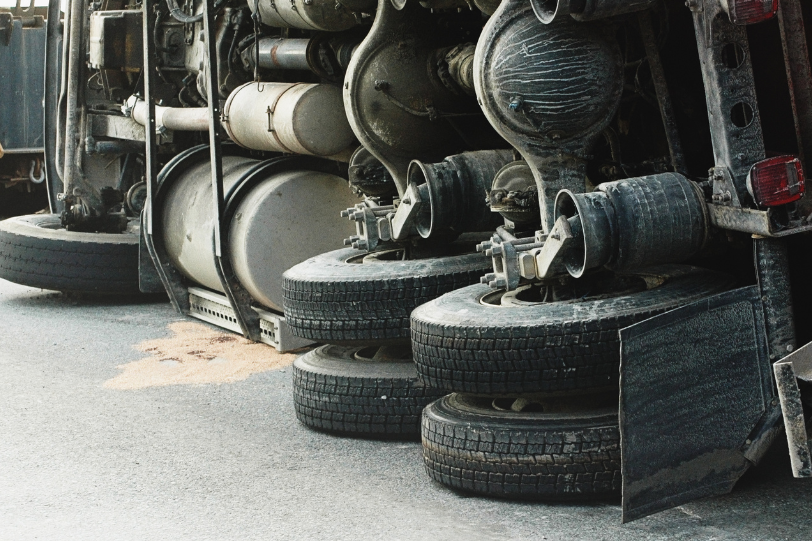
A fully loaded truck traveling at highway speeds can have devastating force in a crash, making strict regulation essential. It’s a sobering thought that underscores why these regulations exist. Even the most diligent trucker can miss a detail, and when they do, the results can be disastrous.
In such situations, that’s why having a legal expert who understands trucking regulations can make or break a case. The intricate web of compliance and liability means that both victims and truckers face a complex battle of evidence and interpretation. This dynamic can fundamentally alter the outcome of any accident-related legal proceedings.
Why Truck Drivers Should Call a Lawyer Right After an Accident
When a commercial truck operator is involved in an accident, taking swift action is crucial. One of the first steps should be reaching out to a defense lawyer who specializes in truck accidents. Here’s why this is so important:
- Legal Protection from the Outset: Commercial trucking involves significant legal responsibilities. In the aftermath of an accident, these responsibilities can quickly translate into liabilities. A defense lawyer can safeguard your rights and provide immediate guidance to ensure compliance and protect your interests.
- Complex Regulations: The trucking industry is heavily regulated, with numerous local, state, and federal laws to navigate. A lawyer experienced in these regulations can help interpret the complex legal framework and defend against potential violations that could arise post-accident.
- Evidence Preservation: Time is of the essence in gathering critical evidence. A skilled attorney will act swiftly to preserve crucial evidence such as driver logs, maintenance records, and eyewitness accounts, which can be pivotal in building a strong defense.
- Mitigating Financial Impact: Accidents can lead to substantial financial claims, affecting both the company and the individual driver. An experienced defense lawyer will work to minimize these impacts, negotiating with insurance companies and opposing parties to achieve a fair outcome.
- Reputation Management: The reputation of a commercial operator is vital for ongoing business. A prompt legal response can help manage public perception and protect your company’s reputation during potentially damaging times.
Who Can Be Sued After a Truck Accident?
Victims of truck accidents may file civil suits to recover losses, which can be substantial, given the immense impact and likelihood of serious injuries. Possible defendants and liabilities include:
- Truck Drivers
Directly responsible if they engaged in negligent or reckless behavior, such as distracted driving or speeding. - Trucking Companies
Under the principle of respondeat superior, employers can be held liable for their drivers’ actions. Companies may also face liability if they fail to enforce rest periods, ignore maintenance, or hire unqualified drivers. - Manufacturers
If a truck’s defective part—like faulty brakes—contributes to the crash, victims might pursue product liability claims against component or vehicle manufacturers. - Cargo Loaders
Parties responsible for loading and securing cargo might share blame if improperly balanced or overweight loads cause accidents. - Government Agencies
In rare cases, agencies overseeing road maintenance or signage could be liable if hazardous conditions or poor design contributed significantly to a crash.
Because trucking accidents can involve diverse parties, settlements or court cases may involve multiple defendants. Plaintiffs seek compensation for medical costs, lost wages, pain and suffering, and, in fatal incidents, wrongful death damages.
How to Choose the Right Truck Accident Lawyer
Choosing the right attorney after a truck accident is one of the most important decisions you can make. Not all personal injury lawyers are equipped to handle the unique challenges that come with trucking cases, which often involve serious injuries, high financial stakes, and complex legal issues.
Here’s what to look for when selecting a truck accident lawyer—no matter where you’re located in the U.S.
- Experience and Specialization Look for a lawyer with extensive experience specifically in truck accident cases, not just general car accidents. Their knowledge of commercial vehicle litigation gives them an edge in identifying critical evidence and legal strategies.
- Understanding of Trucking Regulations: A qualified attorney should be deeply familiar with federal regulations (FMCSA) and state laws that govern commercial trucks. These rules often form the basis of liability in truck accident claims.
- Client-Focused Representation Choose a lawyer who shows genuine concern for your recovery, both legal and personal. They should advocate for full compensation without cutting corners to secure a quick payout.
- Transparent Communication A trustworthy lawyer will keep you informed at every stage of the case, explain your options clearly, and be responsive to your questions and concerns.
- Reputation and Professional Standing Read testimonials, case results, and online reviews to gauge real client satisfaction. Consistently positive feedback is a strong indicator of professionalism and effectiveness.
- Industry Recognition: Look for lawyers who have earned awards, certifications, or belong to respected legal associations. This adds credibility and reinforces their expertise in the field.
- Strong Advocacy Skills. Most truck accident claims are resolved through settlement. A great lawyer must be able to negotiate aggressively with insurance companies to ensure you’re not undercompensated.
- Confident Litigator If a fair settlement isn’t possible, you’ll need an attorney who is fully prepared to take your case to court—and win. Ask about their trial experience and success rate.
FAQs About Truck Accidents
- Is the truck driver always at fault in a collision with a passenger vehicle?
Not necessarily. While truck drivers bear a heavy responsibility, fault depends on specific circumstances, like whether the passenger car was speeding, made an unsafe lane change, or had mechanical failures of its own. - How do hours-of-service rules affect liability?
Hours-of-service rules limit how long a driver can be on the road before mandatory breaks. If a driver exceeded these limits, that fact might support a negligence claim against the driver or the employer. - What about truck accidents caused by hazardous road conditions?
If poorly maintained roads or ambiguous signage significantly contributed to the accident, local or state agencies could share liability. An attorney can investigate these factors. - Does comparative negligence apply to truck accidents?
In many states, yes. If both parties bear partial fault, an injury award may be reduced based on the victim’s proportion of responsibility. - Can The Injury Helpline assist with smaller commercial vehicle crashes?
Absolutely. We connect victims with attorneys experienced in all types of commercial vehicle incidents, whether involving massive semi-trailers or smaller delivery trucks. - Is there a deadline for filing a lawsuit after a truck accident?
Yes. Each state sets its statute of limitations, generally ranging from one to four years after the crash. Missing this window typically means forfeiting the right to sue. - How do I know if the trucking company is liable for my injuries?
In many cases, companies are vicariously liable for drivers’ actions. An attorney evaluates factors like hiring practices, maintenance records, and driver supervision to determine whether corporate negligence played a role. - Could a truck manufacturer be at fault?
If a mechanical defect—like brake failure—contributed to the crash, victims might hold the manufacturer accountable under product liability laws. Gathering expert analysis is key here. - Do commercial trucks have data recorders?
Many modern trucks use “black box” or electronic control modules, recording speed, braking patterns, and other data. An attorney can subpoena these records to help clarify fault. - Will my car insurance rates increase after a truck accident that wasn’t my fault?
Policies vary. If you’re not at fault, you might see minimal or no rate hike, but some insurers still adjust premiums after any claim. Speak with your provider and a lawyer for clarity on liability and coverage.
Why Do Truck Accidents Happen?
Despite extensive regulations and technological advancements, large commercial vehicles remain prone to accidents for multiple reasons:
- Increasing Demand: Growing delivery requests exert pressure on drivers and companies to cover more ground quickly.
- Driver Turnover and Training Issues: High turnover rates in the trucking industry can mean less experienced drivers on the road, sometimes with insufficient or accelerated training.
- Complacency: Some veteran drivers might become overconfident, neglecting basic safety protocols like regular mirror checks and safe following distances.
- Equipment Complexity: Modern trucks feature advanced systems—anti-lock brakes, collision warning tech—but these add layers of maintenance and potential for mechanical error.
- Fatigue and Mental Strain: Long hours, night driving, and irregular sleep cycles take a toll on reaction times and concentration, jeopardizing safety.
In essence, collisions often arise from a complex interplay of human, environmental, and mechanical factors, underscoring the need for continuous vigilance and robust regulatory practices.
How a Lawyer Helps After a Truck Accident
When the unexpected strikes on the road, having an experienced truck accident attorney is not just beneficial, it’s essential. Truck accidents often involve complex legal and logistical challenges that require specialized knowledge to navigate effectively. Here’s why expertise matters:
Given the complexity of trucking laws and the potential for enormous damages, consulting a specialized attorney can be critical:
- Investigating the Crash
Lawyers collaborate with accident reconstruction experts, review driver logs, retrieve “black box” data (electronic control modules that track speed and brake usage), and inspect maintenance records to ascertain liability. This thorough investigation ensures that all details are considered, providing a solid foundation for your case. - Handling Corporate and Insurance Defenses
Trucking companies and insurers often have extensive resources. Legal counsel protects victims from lowball settlements and navigates the aggressive tactics employed by experienced corporate defense teams. An experienced attorney is your best defense against being outmaneuvered by these formidable opponents. - Identifying All Potential Defendants
If a mechanical defect, cargo loading issue, or inadequate route planning factored into the crash, multiple parties might share blame. An attorney ensures each accountable entity is pursued to maximize compensation. This comprehensive approach can significantly increase the chances of a favorable outcome. - Calculating Future Losses
Catastrophic injuries may involve lengthy rehabilitation, adaptive equipment, or permanent lifestyle changes. Lawyers work with medical experts to estimate future costs and ensure fair damage awards. This forward-thinking strategy is crucial to securing the compensation you deserve. - Negotiations and Trial Advocacy
While many cases are settled, some proceed to court. An attorney skilled in truck accident litigation can present evidence persuasively and cross-examine witnesses to secure a favorable judgment or settlement. Their experience in the courtroom can be the decisive factor in achieving justice.
Ultimately, there’s no substitute for the peace of mind that comes with knowing you have the best representation possible. When facing the aftermath of a truck accident, the right attorney doesn’t just fight for compensation—they ensure your rights are protected every step of the way.
Steps to Take If You’re Involved in a Truck Accident
Your response immediately following a truck collision can significantly shape both your recovery and the strength of any legal claim:
- Seek Medical Attention
Even if injuries seem minor, the force of a truck collision can cause hidden trauma. A prompt exam serves both health and legal documentation purposes. - Contact Authorities
Call 911 if anyone is hurt. Police officers will generate an official accident report that can become crucial in determining fault and pursuing claims. - Document the Scene
If safe to do so, take photos or videos of all vehicles, skid marks, road conditions, and any relevant signage. Gather contact details from witnesses, plus insurance and licensing info from the truck driver. - Avoid Admitting Fault or Speculating
Emotional reactions are natural, but statements like “I’m sorry” can be misconstrued as accepting blame. Provide the basic facts to police and insurers without making assumptions. - Notify Your Insurance Company
Report the accident promptly, but consider consulting an attorney before issuing detailed statements, especially if injuries are involved. - Consult an Attorney Quickly
Truck accident claims can be time-sensitive, given the risk of critical evidence (like driver logs) being lost or overwritten. An experienced lawyer can safeguard evidence and handle communication with insurers.
The Injury Helpline: Nationwide Support for Truck Accident Cases
The Injury Helpline is a nationwide network dedicated to helping victims of truck accidents find the legal representation they need, often at no cost. By understanding the pressures and complexities of commercial transport, we guide you toward professionals who can effectively manage your case.
- Immediate Guidance
Our team listens to your circumstances and offers preliminary advice about documentation, medical care, and interactions with insurance adjusters. - Free Attorney Referrals
We maintain connections with seasoned lawyers across the country who focus on commercial vehicle accidents. Their familiarity with federal and state trucking regulations ensures well-rounded counsel. - Local Expertise
Trucking laws and court processes differ by state. We pair you with lawyers skilled in local statutes and procedures, optimizing the likelihood of a favorable outcome. - On-Going Support
Even after we connect you to an attorney, we remain available to answer questions or recommend further resources. We appreciate that truck accident cases can be lengthy and complex.
Truck accidents combine the destructive potential of large commercial vehicles with intricate regulatory frameworks, involving multiple potential defendants and high stakes for victims. From driver fatigue and mechanical failures to corporate cost-cutting measures, the factors behind these crashes can be multifaceted and serious in their consequences.
If you or a loved one is grappling with the aftermath of a truck accident—whether it involves life-altering injuries, vehicle losses, or emotional trauma—understanding your rights and options is paramount. The Injury Helpline offers nationwide support, connecting you to legal professionals who handle commercial vehicle litigation. By taking immediate steps—like seeking medical attention, documenting the scene, and consulting an experienced attorney—you can protect your well-being and pursue rightful compensation. Remember, thorough legal representation is often the key to navigating the complexities of truck accidents and ensuring justice is served.