

What Happens in a Bike Lane Collision?
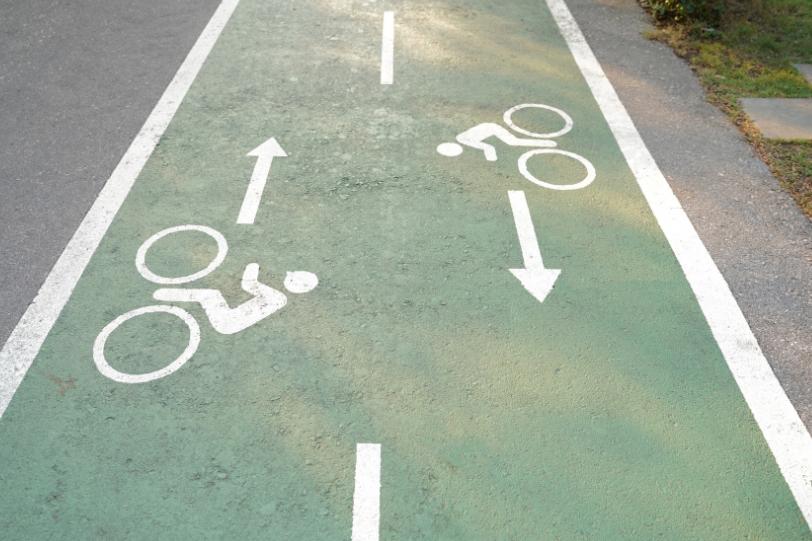
Bike lanes are designed to make roads safer for everyone, especially cyclists. But even with this dedicated space, collisions still occur. A bike lane collision typically refers to any crash that takes place within the boundaries of a marked cycling lane. These incidents may involve a cyclist and a motor vehicle, two cyclists, or even pedestrians who step into the lane without warning. Although the purpose of bike lanes is to reduce these risks, several unpredictable factors—like driver distraction, insufficient signage, or infrastructure issues—can still lead to serious accidents.
The outcomes of such collisions vary widely. Some might involve minor bruises and cosmetic bike damage, while others result in long-term injuries or even fatalities. What ties these incidents together is their complexity: understanding how they happen, who might be responsible, and what your rights are afterward can be crucial. Whether you’re a cyclist, a driver, or a pedestrian, being informed helps prevent mistakes and ensures you’re better prepared if a crash occurs.
What Causes Bike Lane Collisions?
Bike lane accidents are rarely caused by a single factor. Instead, they often stem from a combination of environmental issues, vehicle dynamics, and human error. Understanding the most common causes can help reduce your risk and provide context if you’re involved in a claim.
One frequent cause involves motor vehicles drifting into bike lanes, whether intentionally or by accident. In cities where parking is tight or traffic congestion is high, drivers may stop in bike lanes or cross them to turn, putting cyclists directly in their path. These sudden intrusions can leave riders little time to respond.
Another common hazard is “dooring”, which happens when a vehicle occupant opens their door into an oncoming cyclist’s path. In dense urban areas, this scenario occurs with alarming regularity and often results in serious injury.
Distracted driving is a broader issue, but remains a leading contributor. A motorist glancing at their phone or adjusting the radio can easily veer into the bike lane, failing to notice a cyclist until it’s too late.
Pedestrians also play a role, especially near bus stops or crosswalks. A person stepping into a bike lane without checking both directions can create a sudden obstacle for riders, forcing unsafe swerves or direct collisions.
Additionally, cyclists themselves aren’t immune to fault. Unsafe overtaking within narrow lanes, excessive speed, or ignoring traffic signals can create avoidable dangers. And when you combine these behaviors with poor infrastructure, such as potholes, faded lane markings, or debris, the risk of losing control or crashing into another rider increases.
Every incident carries its own set of details, but recognizing these patterns is important for both prevention and legal understanding.
How Common Are Bike Lane Collisions?
Despite the growing network of bike lanes across the country, collisions remain an ongoing issue, especially in cities experiencing a surge in cycling.
Increased urban cycling means more people are using bike lanes during peak traffic hours, which increases both congestion and the likelihood of conflict. And in areas where bike lanes are inconsistent or poorly maintained, cyclists may be forced to weave in and out of car traffic, exposing themselves to higher risks.
The true number of incidents is likely underreported. Many cyclists who suffer minor crashes, like near-miss dooring events or low-speed scrapes, don’t report the event to police or file insurance claims. As a result, official statistics may not fully reflect how often bike lane collisions happen.
That said, local governments and cycling advocacy organizations are responding. Departments of transportation in cities like New York, Los Angeles, and Chicago have started gathering better data, expanding protected bike lanes, and improving signage. But even with these efforts, navigating city streets as a cyclist still comes with real risks.
Bicycle Laws and Their Role in Accident Claims
When a bike lane crash occurs, understanding the legal framework surrounding bicycles can be crucial. In most states, bicycles are considered vehicles. This means cyclists are expected to follow the same traffic rules as drivers—including stopping at red lights, obeying right-of-way laws, and riding in the correct direction.
- Lane positioning laws generally instruct cyclists to stay to the right unless making a turn or avoiding a hazard. However, when a lane is too narrow for a car and a bike to share safely, the cyclist is often legally permitted to use the full lane. Understanding this rule can be critical in disputes where a driver claims the cyclist was “in the way.”
- Prohibited actions—such as riding under the influence, hitching onto moving vehicles, or carrying passengers unsafely—can also impact legal outcomes. A cyclist who violates one of these laws may be found partially responsible for a collision, even if another party contributed to the accident.
From a legal perspective, these rules are key when determining fault. Insurance companies, law enforcement, and courts all rely on traffic laws to establish liability. If a cyclist was obeying traffic signals and riding within a designated lane, they are generally in a stronger position to recover compensation. But if they failed to follow basic traffic rules, that could reduce the amount of damages awarded, or eliminate them entirely.
Legal and Insurance Challenges After a Bike Lane Collision
When an accident happens, it’s not just the crash that matters—it’s how the law interprets it. In most places, a cyclist in a bike lane has the same legal protections as a driver in their lane. If a vehicle veers into the lane and causes harm, that driver can often be held liable.
Police reports play an important role in this process. Officers assess the scene, interview witnesses, and issue citations if laws are broken. These reports help determine preliminary fault and can serve as valuable evidence later in a legal claim or lawsuit.
Insurance also comes into play. If a motorist causes the accident, their auto policy usually covers injuries and damage. If the cyclist shares blame—say, they ran a red light or rode without lights at night—comparative negligence laws may apply. In these states, each party is assigned a percentage of fault, which can directly impact how much compensation is awarded.
Even cyclists may carry insurance, though it’s often through homeowner or renter policies. These may cover injuries to others if the cyclist causes an accident. Some also opt for specialized bicycle insurance, which offers added protection in these unique cases.
Local laws also matter. Some cities prohibit stopping or driving in bike lanes, except in emergencies. If a driver violates these laws and causes a crash, that action could be used as proof of negligence in court.
Taking a Bike Collision Case to Court
Not all bike lane collisions end in court, but when they do, it’s usually because the at-fault party’s insurance company failed to offer a fair settlement or outright denied responsibility. At that point, a lawsuit becomes a strategic next step.
It begins with your attorney filing a formal complaint that outlines your case: what happened, who was involved, and what compensation you’re seeking. This document forms the foundation of the legal process and is served to the other party, who must then respond.
The next stage is discovery—a critical phase where both sides exchange evidence. This can include police reports, photos, video footage, medical records, and witness statements. If your bike were equipped with a GPS or camera, that data might also become important. Your lawyer will aim to show exactly how the accident unfolded and why the other party is responsible.
Before the trial officially starts, there’s typically one more opportunity for negotiation. Many cases settle at this stage, especially once the full scope of your injuries and damages is made clear to the other side. If no agreement is reached, the case moves to court.
During a trial, your attorney will present arguments, introduce evidence, and question witnesses to convince a judge or jury of your right to compensation. It’s a high-stakes process, but with skilled legal representation, it can be the best way to recover what you’re owed.
What Damages Can You Claim After a Bike Lane Accident?
If you’ve been hurt in a bike lane crash, you’re likely dealing with more than just a broken bike. In many cases, victims are entitled to pursue compensation through a civil claim. The types of damages you can seek will depend on your injuries and how the accident has affected your life.
The most immediate and obvious costs are medical expenses. These may include emergency care, surgery, rehabilitation, medication, or long-term treatment like physical therapy. Injuries from bike accidents can be serious, especially head trauma, spinal injuries, or broken bones.
You can also pursue reimbursement for property damage, such as a totaled bike, damaged helmet, or broken smartphone. High-end road bikes and e-bikes can cost thousands of dollars, making this an important part of any claim.
Lost wages are another factor, particularly if you missed work to recover. If your injuries are long-term or affect your ability to return to your job, your lawyer may also seek damages for reduced earning capacity.
For many victims, pain and suffering are some of the hardest parts to quantify. Chronic pain, emotional distress, and the disruption of your daily life all factor into potential compensation, even though they don’t show up on a receipt.
In the most tragic cases, when a bike lane accident results in death, surviving family members may file a wrongful death claim. These can seek compensation for funeral costs, loss of companionship, and the income the deceased would have provided.

What Will a Bicycle Lawyer Ask You About the Crash?
When you contact a lawyer after a bike accident, be prepared to walk through the event in detail. Your attorney’s goal is to understand not just what happened, but how it affected your life. These early conversations help build a strong legal strategy.
They’ll start by assessing how the collision occurred. Were you in a marked bike lane? Did a car swerve into your space? Did another cyclist cut you off? Small details like these can make a big difference in determining fault.
Next, they’ll want a full picture of your injuries and treatment. This includes everything from emergency room visits to physical therapy sessions. They’ll also ask how the injury has affected your ability to work, exercise, or care for loved ones.
Another key area is your daily life post-accident. Have you had to stop cycling? Is anxiety keeping you off the road? Are you now unable to participate in hobbies or sports? These factors help attorneys argue for non-economic damages like pain and suffering.
They’ll also dig into insurance coverage—both yours and the other party’s. Even if you’re unsure what coverage you have, your attorney will help identify potential sources of compensation.
And if you have evidence—photos, dash cam footage, police reports, or witness contact info—your lawyer will want to review it. These materials can significantly bolster your claim and give your case credibility.
FAQs About Bike Lane Collisions
- Is the motorist always at fault if they hit a cyclist in a bike lane?
Not always. While drivers are generally required to respect bike lanes, liability can shift if the cyclist was riding against traffic or made an unpredictable maneuver. - Are dooring incidents automatically considered driver negligence?
In most cases, yes. Drivers and passengers must check for cyclists before opening doors. However, if the cyclist was speeding or weaving erratically, shared fault may apply. - Do cyclists need insurance or a license to use the bike lane?
No, standard bicycles don’t require insurance or licenses in most states. But insurance can help cover personal injuries or damages in a crash—especially if you’re at fault. - What happens if two cyclists crash in the lane?
Cyclist-on-cyclist accidents are treated similarly to car crashes. If one rider acted negligently—by swerving, speeding, or riding too close—they could be held liable. - Can I still get help if my injuries were minor?
Absolutely. The Injury Helpline connects victims with attorneys for free consultations, even for less serious crashes. Minor injuries today could evolve into bigger issues later.
Choosing the Right Bicycle Accident Lawyer
Finding legal help after a crash is essential, but not all attorneys are the same. When it comes to bicycle accidents, the right legal partner can make all the difference.
Start by looking for a lawyer who specializes in bicycle injury cases. These attorneys understand cycling laws, bike lane regulations, and how to work with insurance adjusters who may not fully understand bicycle-specific injuries.
Check their track record. Do they have successful settlements or verdicts in similar cases? A history of positive outcomes can give you confidence that they’ll fight hard for your compensation.
Your lawyer should also be well-versed in local laws. Bike lane rules vary from city to city, and someone familiar with your area will know how to apply the right regulations to your case.
Don’t underestimate the value of strong communication. Your lawyer should keep you informed, respond to questions, and provide updates on your case. This is your recovery—you deserve to be in the loop.
Lastly, consider their approach to client care. Compassion, patience, and a willingness to understand your story go a long way when you’re navigating the stress of an injury claim.
What Causes Bike Lane Collisions?
While bike lanes are designed to improve road safety, they don’t eliminate the risk of crashes entirely. Understanding the root causes behind bike lane collisions can help prevent them—and strengthen a legal case if one occurs.
- One of the leading factors is driver complacency. Some motorists treat bike lanes as overflow space or temporary parking zones, encroaching on areas designated specifically for cyclists. This type of behavior can force cyclists into active vehicle lanes, drastically increasing the risk of impact.
- Traffic congestion also plays a role. In busy areas, drivers frequently cross over bike lanes to make turns, access parking, or navigate tight spaces. Even brief encroachments can prove dangerous when cyclists don’t have enough time to react.
- Another challenge is infrastructure inconsistency. In some cities, bike lanes appear sporadically, disappear without warning, or offer minimal buffer space. These design flaws can leave cyclists vulnerable, especially when they’re forced to merge with fast-moving traffic.
- Erratic cyclist behavior contributes to accidents as well. Weaving between lanes, passing on the right, or speeding in dense traffic can lead to crashes, particularly in narrow or poorly marked lanes.
- Lastly, limited visibility—due to large SUVs, commercial trucks, or poor lighting—makes it harder for drivers to notice cyclists in bike lanes. This is especially dangerous at intersections, where many serious accidents occur.
To truly reduce these collisions, it takes a shared commitment from drivers, cyclists, city planners, and local authorities. Better infrastructure, more public education, and stricter enforcement of traffic laws can help ensure bike lanes fulfill their purpose: safe, efficient travel for cyclists.
Why Demand Letters Matter in Bike Accident Claims
In legal terms, a demand letter is often the first formal step a victim takes toward recovering damages after a bike lane crash. This document outlines the details of the incident, the injuries sustained, and the compensation being sought. But its value goes beyond just stating demands—it sets the legal tone for what’s to come.
A well-crafted demand letter includes a narrative of the accident, detailing where it happened, who was involved, and how the crash unfolded. This story helps humanize the victim’s experience and establish liability.
It also breaks down the specific damages being requested—medical costs, lost income, pain and suffering, and property repair. Insurers typically review this list when considering whether to settle or fight a claim.
Most importantly, a demand letter shows the opposing party that you’re serious and prepared. It signals that legal action is possible, pushing many insurers to the negotiating table to avoid court.
How Lawyers Notify Others After a Bike Accident
Once you hire a personal injury attorney, one of their first actions is to formally notify all relevant parties of their representation. This typically involves sending a letter of representation to the at-fault driver, their insurer, and any additional parties that might bear responsibility.
This letter states clearly that an attorney is now managing the case and that all further communications should go through them. This step serves two key purposes: it prevents the insurer from pressuring the victim directly, and it centralizes case communication through a legal professional.
Your lawyer may also notify healthcare providers, witnesses, and employers, ensuring that medical bills are preserved for evidence, that eyewitness accounts are recorded, and that lost wages can be documented. In complex cases, these notices can extend to government entities, product manufacturers (in case of equipment failure), or city departments responsible for road maintenance.
These notifications build a legal record and often prevent evidence from being altered, lost, or ignored.
How an Attorney Can Help with Bike Lane Collision Cases
Legal guidance can be indispensable in the aftermath of a bike lane collision. A personal injury attorney familiar with traffic and bicycle laws brings both legal strategy and peace of mind.
The first thing your attorney will do is investigate the crash. This means gathering police reports, reviewing video footage (from nearby businesses or dashcams), and securing witness statements. If needed, they’ll hire accident reconstruction experts to analyze the scene and determine exactly how the collision occurred.
Next, your lawyer will calculate damages, not just current medical bills or repairs, but future costs as well. This might include long-term rehabilitation, therapy, lost future income, or lasting pain and disability.
Insurance negotiations are often where lawyers prove their worth. Many insurers try to reduce payouts by claiming the cyclist was partially at fault or exaggerating the severity of injuries. A lawyer steps in with evidence and experience to counter those tactics.
If negotiations stall, your attorney is prepared to take the case to court, presenting a clear and compelling argument for why compensation is deserved. They’ll handle everything from filing motions to examining witnesses and delivering closing arguments.
Ultimately, a good attorney works not just to win your case—but to relieve you of the burden so you can focus on recovery.
Steps to Take If You’re Involved in a Bike Lane Collision
If you’re involved in a bike lane crash, your actions in the minutes and days that follow can heavily influence both your health and the strength of your claim.
- Prioritize Medical Attention
Your safety comes first. Even if injuries seem minor, seek immediate medical care. Adrenaline can mask serious issues like internal injuries or concussions. - Contact Law Enforcement
Call the police to ensure there’s an official report. This will document the scene, assign preliminary fault, and record witness statements. Request a copy for your records. - Document the Scene
Use your phone to photograph injuries, vehicle positions, skid marks, weather, traffic signs, and damage to your bike or gear. If you can, collect contact info from any witnesses. - Avoid Admitting Fault
Stay calm and factual. Even a well-meaning apology can be misinterpreted as an admission of guilt. Let the investigation determine responsibility. - Notify Insurance Providers
If you have applicable auto or renter’s insurance, notify your provider, but avoid detailed or recorded statements until you’ve spoken with a lawyer. - Consult an Attorney
A bike accident lawyer can help you understand your rights, preserve evidence, and file a claim before key deadlines expire. Early legal guidance often improves outcomes significantly.
The Injury Helpline: 24/7 Free Consultation and Nationwide Connection to Injury Lawyers
The Injury Helpline is a crucial resource for victims of bike lane collisions, operating 24/7 to provide a free consultation and immediately connect you with specialized injury lawyers nationwide. Here’s why it’s so beneficial:
- Round-the-Clock Support
Accidents don’t adhere to business hours. The Injury Helpline is always available to discuss your case, assess its viability, and outline the next steps. - No-Fee Referrals
Consulting a qualified attorney can be intimidating if you’re worried about upfront costs. The Injury Helpline matches you with legal professionals who typically charge no fees unless you win or settle your case. - Nationwide Reach
Bike lane regulations vary by city and state. Our extensive network ensures you’ll find an attorney versed in your local laws and procedures. - Tailored Match
Every collision story is different. The Injury Helpline pairs you with a legal expert who’s handled bike lane cases, from minor collisions to high-stakes wrongful death suits. - Continued Guidance
You can revisit The Injury Helpline for further advice, updates on your case, or clarification about insurance coverage. It’s a supportive resource beyond the initial consultation.
Statute of Limitations for Bicycle Accident Claims
Every state has a statute of limitations—a legal deadline for filing injury claims. If you miss this window, you could lose the right to seek compensation entirely.
For most personal injury cases, the time limit ranges from one to three years from the date of the accident. However, there are exceptions. If your crash involved a government vehicle or occurred on public property, you may need to file a notice of claim in as little as six months.
Some states offer extended time for minors or victims who were mentally incapacitated after the crash. Others may pause the clock during ongoing criminal investigations related to the incident.
To protect your rights, speak with an attorney as soon as possible. They’ll help ensure that every document is filed on time and in the correct jurisdiction.
FAQs About Bike Lane Crashes
- If a car blocks the bike lane and I crash while swerving around it, who’s at fault?
Potentially, the vehicle’s owner is at fault for obstructing the lane, but the outcome can depend on your speed, whether you signaled, and if there was a safer alternative maneuver. - What if I weren’t wearing a helmet?
The lack of a helmet may influence how much compensation you receive if helmet use is required by local law or if it could have mitigated your injury. An attorney can help determine the effect of this factor. - Are “sharrow” lanes the same as dedicated bike lanes?
Not exactly. “Sharrows” mark shared lanes, urging drivers to respect cyclists space. Unlike exclusive bike lanes, vehicles may legally occupy sharrows, complicating liability issues when collisions occur. - Do I need a police report for minor scrapes or bruises?
A report is generally beneficial—it documents basic facts and lays the groundwork for any insurance claim. Even minor injuries can worsen, and official documentation supports a stronger claim. - Does The Injury Helpline handle incidents with minimal property damage?
Yes. The Injury Helpline is open 24/7 for all bike lane collisions, offering a free consultation and linking you to injury lawyers nationwide, regardless of accident severity.
Bike lane collisions remind us that infrastructure alone isn’t enough—accountability, education, and legal awareness are key to safer roads. Cyclists deserve protection, and when that safety is compromised by negligence, the law offers pathways to justice.
Whether you were struck by a distracted driver, swerved to avoid a “doored” lane, or collided with another cyclist due to unclear signage, know that you have rights—and options. By taking swift action, preserving evidence, and consulting a knowledgeable attorney, you can seek compensation and help reinforce the responsibility every road user carries.
If you or a loved one faces the aftermath of a bike lane collision, prompt action is vital. Seek medical care, gather essential evidence, and understand your rights under local traffic laws. For legal guidance, The Injury Helpline stands ready 24/7 with a free consultation, connecting you nationwide to experienced lawyers. By engaging professional assistance early, you can work to recover as much compensation as possible based on your injuries.