

What Is a Food Delivery Driver Accident?
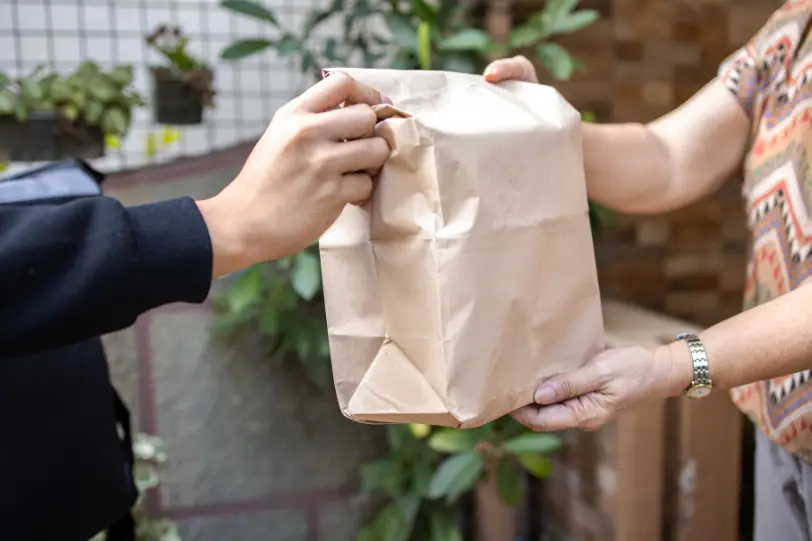
A food delivery driver accident involves any collision, sideswipe, or other incident where a vehicle used by a delivery driver—often for apps like DoorDash, Grubhub, Uber Eats, or Postmates—is involved in a crash. These drivers typically use personal cars (or sometimes bikes and scooters) to ferry meals from restaurants to customers’ doorsteps. The high frequency of trips, time pressures, and varying degrees of driver experience can all contribute to elevated accident risks.
When these collisions occur, determining liability can be more complicated than in standard car crashes. Personal auto insurance, the company’s commercial insurance (if any), and other parties’ coverage may apply. Whether the driver was actively delivering or between orders often affects which policy is in play. Investigations might also delve into whether company practices, such as unrealistic delivery times or inadequate driver screening, contributed to the incident.
Common Causes of Food Delivery Driver Accidents
Collisions involving food delivery drivers often stem from multiple, interrelated issues:
- Rushing to Meet Deadlines
Delivery drivers can feel pressured to reach destinations quickly, especially if their pay is tied to how many orders they complete. Speeding or aggressive maneuvers increase crash likelihood. - Distracted Driving
Using phone apps to accept new orders, check maps, or message customers can divert attention from the road. Additionally, texting or receiving calls mid-delivery further elevates collision risks. - Fatigue
Some drivers juggle delivery gigs in addition to other jobs, leading to long work shifts and reduced alertness. Fatigue slows reaction times and impairs judgment. - Unfamiliar Routes
Many deliveries require navigating new neighborhoods. Inexperience with local streets or tricky intersections raises the chance of misjudging turns, merging unsafely, or missing traffic signals. - Inadequate Vehicle Maintenance
Drivers may neglect upkeep, like brake inspections or tire replacements, especially if they are working multiple jobs or only do food deliveries part-time. Mechanical issues can spark accidents at high speeds. - Weather and Road Conditions
Rain, snow, ice, or poor lighting hamper safe driving. Deadlines or surge pay might encourage drivers to continue working despite hazardous conditions. - Poor Training
Food delivery platforms often provide minimal training beyond basic guidelines. Drivers who lack advanced driver education or commercial experience may be ill-prepared for high-traffic scenarios.
Delivery drivers often face stressful schedules, which can result in fatigue and inattentiveness on the road. When a driver is tired or distracted, their chances of engaging in risky driving behaviors increase significantly. These behaviors may include speeding, ignoring traffic signals, or failing to notice smaller vehicles and pedestrians due to reduced attention.
Potential Consequences
- Increased Accident Risk: Fatigue and distraction can compromise a driver’s reaction time and decision-making skills, boosting the likelihood of collisions.
- Severe Injuries: Large trucks colliding with smaller vehicles can cause catastrophic injuries due to the trucks’ size and weight.
- Property Damage: Accidents involving delivery vehicles often lead to significant damage, not only to the vehicles involved but also to infrastructure and cargo.
- Legal Repercussions: In many cases, accidents attributed to driver negligence might result in legal action against the driver or their employer, leading to costly settlements or penalties.
How Common Are Food Delivery Driver Accidents?
The popularity of meal delivery services has soared in recent years, fueled by convenience, tech-enabled ordering, and a rise in “gig economy” roles. As a result:
- Increased Traffic Volume: More drivers are on the road, often in busy lunch or dinner rushes.
- Urban Congestion: Major cities see heavy usage of delivery apps, intensifying traffic conflicts.
- Attractive Side Hustle: Individuals from varied driving backgrounds sign up for deliveries. Some do so after finishing other jobs, possibly running on reduced rest.
- Limited Oversight: Platforms often prioritize rapid driver onboarding, placing responsibility for safe driving primarily on the individual rather than employing robust training.
Despite the risk, official collision data specifically tied to food delivery remains somewhat limited, as companies are not always required to make accident stats public. Nonetheless, anecdotal evidence and insurance filings indicate a marked rise in incidents linked to the surge in app-based food delivery.
Legal and Administrative Implications
When a food delivery driver crash occurs, clarifying which insurance policies apply—and who shoulders liability—can be complicated:
- Insurance Coverage Tiers
Similar to rideshare models, food delivery firms typically offer limited to moderate third-party liability coverage if the driver is actively engaged in a delivery. However, coverage might be minimal or nonexistent if the app is idle. - Independent Contractor Status
Many delivery apps classify drivers as independent contractors, limiting direct corporate liability. Plaintiffs may need to prove the company’s negligence, through inadequate screening, unrealistic demands, or a failure to address known risks, to establish corporate responsibility. - Personal Auto Insurance Gaps
Some personal auto policies exclude “business use” if a driver is delivering food. Drivers unaware of these exclusions could face claim denials when an accident occurs mid-delivery. - Worker’s Compensation
Because drivers are usually non-employees, workers’ comp rarely applies, leaving drivers to rely on their insurance or that of the platform if injured on the job. - Local and State Regulations
Certain regions impose additional insurance requirements or background checks for delivery drivers. Violations of these rules can inform liability decisions. Each state has its own statute of limitations, typically ranging from one to four years. (Check your state’s current statute of limitations, as these laws can change.) Failing to act within the deadline may bar your right to seek compensation.
Off-the-Clock Accidents: Whose Insurance Steps In?
If a delivery driver is not actively working—meaning they’re not logged into the app or carrying out deliveries—then any accident that occurs is generally handled under their personal auto insurance policy. Delivery app insurance typically only applies when the driver is on the job; outside of those active work periods, standard personal coverage must address the claim. This distinction is crucial, as drivers could face unexpected expenses if their private insurer excludes business use, even when “off the clock.”
How to File an Injury Protection Insurance Claim as a Delivery Driver
If you’ve been injured while delivering, taking the right steps to file a claim under a company’s injury protection policy is crucial. Here’s how to get started:
- Notify the Insurance Provider Promptly: As soon as possible after the accident, contact the insurer linked to your delivery app—such as the provider for DoorDash, Uber Eats, Grubhub, or Instacart.
- Gather Your Documentation: Collect key evidence, including: Photos of your injuries and any property damage, medical records, treatment receipts, and hospital bills, a summary or police report detailing the incident and screenshots or records from the app showing that you were “on the job” at the time
- Fill Out Required Claim Forms: Most platforms or insurers have specific claim forms online. Complete these carefully, attaching all supporting materials.
- Stay Organized: Keep copies of everything you submit and mark down dates of contact or communication for your records.
Timeliness and thorough documentation help ensure your claim is processed efficiently. If your claim is denied or delayed, consult with a legal professional who has experience in food delivery accident cases to explore your options moving forward.
Your Legal Options After a Food Delivery Accident
Accidents involving food delivery drivers can be legally complex. Is the driver responsible—or the delivery platform? Who covers your medical bills if the driver is uninsured or underinsured?
At Injury Helpline, we help answer these questions and connect you with a local attorney who will:
- Investigate the delivery driver’s status at the time of the crash
- Identify liable parties, including third-party platforms or insurers
- Pursue full compensation for your medical bills, lost wages, and pain and suffering
- Work on a contingency basis—you pay nothing unless we win.
What Kind of Injury Protection Do Food Delivery Drivers Receive?
Some major delivery app companies have started offering special injury protection plans for their drivers. For example, Instacart’s “Shopper Injury Protection Insurance” provides a safety net in case of mishaps on the job. This coverage can help with medical bills, temporary disability, or even survivor benefits—sometimes reaching up to $1 million—if a delivery driver is hurt while working.
However, these plans are not the same as traditional workers’ compensation. Unlike workers’ comp, where benefits are typically guaranteed regardless of fault, these injury insurance policies usually require drivers to submit a claim to the insurance provider first. The insurer then reviews the claim to decide what, if any, benefits will be paid out. This distinction is important, since drivers must actively prove their case, rather than receiving no-questions-asked support.
Drivers should review the specifics of their coverage to understand what’s included—and what’s not—before relying on these plans for protection while on the road.
What’s in an Independent Contractor Agreement for Food Delivery Drivers?
Food delivery platforms such as DoorDash, Uber Eats, Grubhub, and Instacart typically require drivers to sign an independent contractor agreement before hitting the road. These agreements establish a few key ground rules:
- Not Employees, No Standard Employee Benefits: Drivers are generally classified as independent contractors, not company employees. That means they’re not eligible for traditional benefits like workers’ compensation, health insurance, or paid leave—regardless of how many deliveries they complete.
- Responsibility for Personal Insurance: The agreements usually clarify that drivers are responsible for obtaining and maintaining their own insurance coverage. If drivers want extra protection beyond whatever minimal coverage the platform might offer, securing it becomes their own responsibility.
- No Automatic Disability Coverage: Since they aren’t considered employees, drivers don’t have access to employer-sponsored disability benefits. Any income protection must be arranged independently.
This contractual framework is designed to limit the delivery company’s liability, placing much of the insurance and risk burden on the individual driver.
Civil Liabilities for Food Delivery Driver Accidents
Injured parties, be they other motorists, pedestrians, cyclists, or even the driver themselves, may file civil lawsuits pursuing compensation:
- Medical Expenses
Damages encompass emergency room visits, surgeries, medications, rehabilitative services, or long-term care if injuries are severe. Compensation may also cover ongoing medical bills that arise as a direct result of the accident. - Lost Wages
Collisions can prevent victims from working temporarily or permanently. Plaintiffs frequently demand reimbursement for lost income and, if applicable, reduced future earning capacity. - Property Damage
Replacing or repairing a personal vehicle, motorcycle, or bicycle destroyed in the accident. Payment might also include rental car expenses during repairs and costs associated with other damaged property. - Pain and Suffering
Non-economic damages compensate for physical discomfort, mental anguish, and diminished quality of life following a significant crash. Courts may also award compensation for emotional distress—the psychological impact of the accident, such as anxiety, depression, or trauma. - Wrongful Death
If an accident proves fatal, surviving relatives can sue for funeral costs, lost companionship, and financial contributions the deceased would have provided.
Severity matters: The amount of compensation available depends on the seriousness of your injuries and the insurance policies involved—coverage limits, exclusions, and whether the driver was actively working for a delivery app at the time.
Establishing liability often requires proving that a breach of duty, such as speeding, distracted driving, or failing to maintain a car, directly caused the accident. Evidence might include driver phone records, dashcam footage, or app-based data logs.
What to Do if You’re Injured in a Food Delivery Accident
Being hit by or involved in an accident with a food delivery vehicle, such as an Uber Eats, DoorDash, Grubhub, or Instacart driver, can be overwhelming. These incidents often involve confusing liability, multiple insurance companies, and the stress of physical injury. Injury Helpline is here to help you take the right steps to protect your rights and get the compensation you deserve.
Step 1: Prioritize Your Health
Seek medical attention immediately, even if your injuries seem minor. Many serious conditions—like concussions or internal injuries—don’t show symptoms right away. Prompt medical treatment ensures your safety and creates critical documentation for your legal claim.
Step 2: Report the Accident
Creating an official record is essential. Here’s how:
- Call the Police: A police report provides a neutral account of the crash.
- Inform the Delivery Company: Whether you’re the delivery driver or the other party, the delivery app (e.g., Uber Eats, DoorDash) needs to be notified.
- Let Your Employer Know: If you were working at the time, report the incident to your employer immediately.
Step 3: Gather Evidence at the Scene
Evidence is your strongest asset in a claim. Be sure to collect:
- Photos and videos of vehicle damage, license plates, injuries, and the accident location
- Contact info for witnesses
- Notes on road conditions, traffic signals, and weather at the time of the accident
Step 4: Watch What You Say
Avoid discussing fault at the scene or on social media. Even well-meaning comments can be twisted by insurance companies to reduce your payout. Let your attorney handle all official statements.
Step 5: Contact The Injury Helpline Immediately
Food delivery accidents can involve multiple insurance policies, independent contractors, and legal gray areas. Injury Helpline connects you with a personal injury attorney who:
- Understands delivery driver liability
- Deals directly with Uber, DoorDash, and their insurers
- Works on contingency—you don’t pay unless we win your case
- Fights to recover your medical costs, lost income, pain and suffering, and more
Step 6: Track All Accident-Related Expenses
Keep records of:
- Medical visits, treatments, and prescriptions
- Lost wages or hours at work
- Vehicle repairs
- Transportation or physical therapy costs
This documentation will help your attorney calculate full and fair compensation.
Step 7: Don’t Accept a Settlement Without Legal Review
Insurance companies may offer fast settlements that don’t fully cover your long-term needs. Always have a trusted attorney review any offer before accepting. Injury Helpline ensures you’re not pressured into a lowball payout.
How an Attorney Can Help with Food Delivery Driver Accident Cases
Legal counsel becomes particularly valuable in the aftermath of these complex accidents:
- Establishing the Driver’s Delivery Status
Attorneys access app data, timestamps, and location logs to prove whether the driver was actively delivering, waiting for orders, or offline, thus determining the relevant insurance policies. - Evidence Collection
Lawyers review phone records, police reports, dashcam or traffic camera footage, and witness testimonies. They also gather driver background info, seeking patterns like multiple prior violations or inadequate maintenance. - Resolving Coverage Disputes
With multiple potential insurers (driver’s personal, platform’s commercial, or other drivers’ coverage), an attorney coordinates negotiations. They ensure that each carrier addresses the correct portion of liability. - Assessing Future Losses
Severe injuries can have lasting repercussions, requiring ongoing treatment, physical therapy, or mental health support. Legal professionals incorporate these costs into settlements or verdict requests. - Navigating Independent Contractor Issues
Platforms typically distance themselves from drivers’ actions. Lawyers examine whether the platform’s demands or oversight effectively created an employer-employee relationship, potentially expanding liability. - Litigation
If settlement discussions stall, an attorney can file a lawsuit. The case might include depositions of company representatives, driver interviews, and expert testimony on collision dynamics or lost earning potential.
The Injury Helpline: 24/7 Free Consultation and Nationwide Connection to Injury Lawyers
The Injury Helpline is a trusted lifeline for victims of food delivery driver accidents, available 24/7 to offer a free consultation and match you with injury lawyers nationwide. Key advantages include:
- Immediate Support
Accidents happen any time—late nights, weekends, holidays. The Injury Helpline ensures you can reach legal resources whenever you need them. - No-Fee Referral
Many personal injury lawyers operate on a contingency, meaning you only pay if you win. The Injury Helpline’s free referral system spares you from upfront financial worries. - Wide Coverage
Food delivery apps function in cities across the nation. Our extensive network identifies attorneys versed in local traffic laws, insurance rules, and relevant municipal regulations. - Tailored Matching
Each collision scenario is unique—some revolve around multi-car piles, and others may be single-vehicle accidents involving a cyclist or pedestrian. The Injury Helpline pairs you with an attorney skilled in precisely those complexities. - Ongoing Availability
Beyond initial consultation, if you need further support or clarification, The Injury Helpline remains an accessible resource throughout your case.
Frequently Asked Questions About Food Delivery Driver Accidents
- If the driver was not actively logged into the app but still transporting food, is the delivery company liable?
Potentially, but coverage often demands the driver be “on the clock” (i.e., actively using the platform). An attorney can verify the actual app status to see if corporate insurance applies. - I was the food delivery driver—can I file a claim if someone else caused the crash?
Yes, you might seek damages from the at-fault party’s insurance. But your own coverage or that of the platform could also come into play for medical bills. Consult a lawyer to explore coverage details. - Are tips or performance bonuses relevant in establishing liability?
Not typically. Although tips and bonuses may encourage faster driving, liability hinges on proving negligence—speeding, ignoring signals, or unsafe maneuvers. Pay incentives alone don’t equal fault but can form part of a broader argument about the platform’s role in pressuring drivers. - What if I was a passenger in a food delivery driver’s car?
You might file a claim under the platform’s policy if the driver was on an active delivery. Otherwise, personal insurance or third-party coverage might apply. A lawyer can parse out the correct path. - Does The Injury Helpline only handle large claims?
Not at all. The Injury Helpline offers a free consultation 24/7, connecting victims nationwide to lawyers for all accident severities—minor property damage or catastrophic injuries alike.
Food delivery driver accidents reflect the growing pains of the gig economy, where individuals use personal vehicles to meet tight schedules and demanding customer expectations.
While platforms often present these roles as straightforward ways to earn money, collisions regularly happen due to rushed drivers, insufficient training, and complicated insurance frameworks. Victims—whether fellow motorists, cyclists, pedestrians, or the drivers themselves—are left to sort out who pays medical bills or replaces damaged property.
If you find yourself involved in such an incident, it’s critical to act promptly: call the police, collect evidence, and consult medical professionals to document any injuries. Because liability can pivot on details like app status, background checks, and personal policy exclusions, reaching out to The Injury Helpline can offer indispensable support.
By operating 24/7 with a free consultation, The Injury Helpline connects you nationwide to qualified personal injury attorneys, ensuring you’re not left alone to navigate the complexities of pursuing fair compensation in a food delivery driver accident claim.