

When Dog Parks Turn Dangerous: Understanding Dog-Related Injuries
A dog park incident typically involves physical harm or injury that arises when dogs—and sometimes their owners—interact in these specially designated, off-leash communal areas. While dog parks exist to provide canines with a safe environment for exercise and socialization, conflicts can erupt: a dog might bite or chase another dog or person, territorial aggression can flare, or owners could lose control. The resulting injuries range from minor scrapes to severe bites, lacerations, or even emotional trauma.
Such incidents occupy a unique space in dog bite law because dog parks often carry posted disclaimers or rules about off-leash risks and responsibilities. Evaluating potential liability can be complex, as these public or privately managed areas may disclaim responsibility, leaving disputes between dog owners, local authorities, or park administrators.
Nonetheless, if a party’s negligence or disregard for park rules triggered an attack, injured individuals have grounds to seek compensation for medical costs, lost wages, and pain and suffering.
Liability Waivers: A Common Requirement at Dog Parks
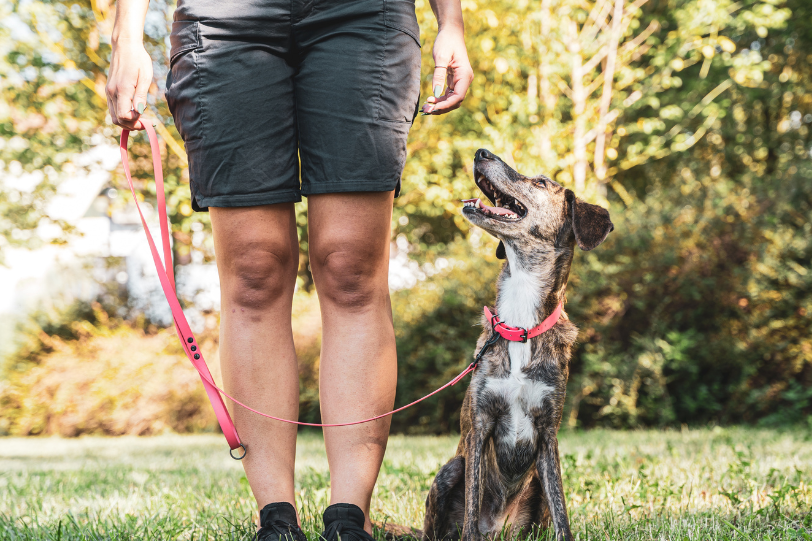
In addition to posted rules, many dog parks now ask owners to sign a liability waiver before allowing their pups through the gate. These agreements typically outline the risks involved in allowing dogs to roam off-leash and often attempt to limit the park’s liability in the event of an incident. By signing, owners acknowledge that they accept the potential hazards and agree to assume responsibility for their own dogs’ actions while using the facilities.
Deciding If the Dog Park Is Right for Your Dog
Dog owners face an important decision every time they approach the gates of a dog park: is now truly the right time—and is this the right environment—for their pet? While dog parks offer a valuable resource for canine exercise and socialization, choosing to enter should never be automatic. Instead, good judgment is key.
Start by assessing your own dog. Consider its temperament and social history. Has your dog shown comfort and good manners around unfamiliar dogs in the past, or does it tend to become anxious, aggressive, or overly enthusiastic? Be mindful of age, health, and size differences—very young puppies or frail older dogs may be better off skipping the mingling, as playful encounters can sometimes get rough without warning.
Next, observe the scene inside the park. Take note of how many dogs are present and how closely owners are watching their pets. If the park looks crowded, chaotic, or features unsupervised children, it may be wise to wait for a quieter time. Responsible owners keep a close eye on their dogs and act quickly when tension or stress begins to build.
Familiarize yourself with the posted rules before you enter. Most dog parks, following best practices recommended by organizations like the American Veterinary Medical Association, require current vaccinations, adult supervision, and a cap on the number of dogs per person. It’s also standard for parks to discourage bringing dogs in heat or those that haven’t yet received all of their shots.
Above all, trust your instincts. If something feels off—whether it’s the behavior of another dog, inattentive owners, or the general energy in the park—it’s perfectly acceptable to take your dog elsewhere or return at a later, calmer moment. The ultimate goal is not just freedom and fun for your pet, but a safe environment for everyone involved.
Common Scenarios That Lead to Trouble in Dog Parks
At first glance, dog parks seem like idyllic spaces where pets play freely and owners chat in peace. But beneath this calm surface, certain combinations of behavior, stress, and poor supervision can lead to dangerous outcomes.
Dog parks are designed to foster canine play, yet certain situations breed conflict:
- Overcrowded Enclosures
When too many dogs occupy a limited space, stress and heightened territorial instincts emerge. Tensions escalate quickly, and owners may not react in time to prevent fights. - Mismatched Dog Temperaments
Pairing a small, timid dog alongside a large, boisterous breed can create an uneven dynamic. Without adequate supervision, an excited or aggressive dog might chase and injure a more vulnerable one (or a bystander who intervenes). - Inadequate Owner Supervision
Some individuals treat dog parks as places for social gatherings, focusing on their phones or chatting with friends instead of watching their pets. Lapses in attention let dogs slip into combative or territorial behaviors undetected. - Ignoring Park Rules
Many dog parks forbid food, unvaccinated animals, or young puppies under a certain age. Violating these guidelines can trigger resource-guarding or spread communicable diseases that exacerbate aggression. - Neglecting Training or Behavioral Issues
A dog with known aggression, anxiety, or poor social skills might respond to crowding with fear-based biting. Owners who bring an untrained or reactive pet to an off-leash environment raise the possibility of conflicts. - Property Hazards or Poor Maintenance
Broken fences, unrepaired gates, or minimal separation for different dog sizes can encourage escapes or scuffles. If the park’s operator fails to maintain the grounds, conditions could lead to preventable confrontations.
How Your Actions Before a Dog Bite Can Impact Your Compensation
Your behavior leading up to a dog bite incident plays a crucial role in determining the amount of compensation you may receive. Here’s how your actions can influence the outcome:
- Contributory Negligence: If your actions contributed to the incident, for example by teasing or provoking the dog, your compensation might be reduced. This is due to laws that consider shared fault, often referred to as comparative negligence.
- Legal Standing: Trespassing or being unlawfully present on a property at the time of the bite could severely impact your case. If you were in a place you had no right to be, this might limit or even eliminate your ability to claim compensation.
- Witness Behavior: Observations from witnesses regarding your conduct just before the bite can be critical. If they report questionable behavior on your part, it could influence the outcome of your claim.
By understanding the legal implications of your actions before such incidents, you can better navigate the complexities of personal injury claims involving dog bites. Always consider how your actions might be perceived and documented to ensure the best possible outcome.
Why Do Dog Park Attacks Keep Happening?
Dog owners often trust that if their pet behaves well at home, it’ll behave just as well at the park. But environments packed with noise, strangers, and unpredictable energy can bring out unexpected reactions.
Despite posted reminders and general community-minded approaches, dog park attacks persist due to:
- Underestimated Risks: Owners often assume off-leash play is inherently safe if their dog behaves well at home, overlooking how new surroundings or unfamiliar dogs might shift temperament.
- Lax Enforcement: Even if a park has rules, like removing aggressive dogs, a lack of official oversight or staff enforcement emboldens irresponsible owners.
- Overstimulation: Loud barking, chasing, and rough play can overwhelm certain dogs, especially if they’re not used to crowded spaces.
- Pack Dynamics: Dogs sometimes form impromptu groups, singling out a newcomer. One dog’s intense bark or lunge can spark a chain reaction.
- Unresolved Owner Disputes: People might disagree on disciplining rowdy pets or blame each other for minor tussles, fueling tension and distracting from controlling the animals.
Successful dog parks rely on consistent self-policing, knowledgeable owners, and well-socialized dogs. Unfortunately, even a single irresponsible visitor can disrupt the balance, culminating in an injurious encounter.
The Different Injuries You Might Face After a Dog Park Incident
Dog park incidents often resemble typical dog bites but carry additional complexity because multiple dogs and owners share one space.
Understanding the range and severity of injuries is crucial, as it directly influences potential compensation. Here’s what you might encounter:
- Bites and Puncture Wounds
A dog’s teeth can inflict deep punctures, tear muscle, or even require stitches. The risk is high if the wound is not cleaned and treated promptly. Severe punctures can lead to higher compensation due to the visible nature of the injury and the medical attention required. - Scrapes and Lacerations
Sharp canine claws or a forceful takedown can cut skin, occasionally leading to scarring, nerve damage, or mobility issues in severe cases. Injuries involving long-term complications, like mobility loss, often result in increased compensation due to ongoing medical and rehabilitation needs. - Broken Bones and Falls
If a large dog barrels into a person, especially a child or elderly individual, it may knock them down, fracturing bones or causing head trauma. Such severe injuries typically warrant higher compensation because of the extensive treatment and recovery period involved. - Nerve and Tissue Damage
Deep bites can sever tendons or nerves. Some victims face reconstructive surgery or lengthy physical therapy to regain full function. The severity of these injuries, requiring complex medical procedures, significantly impacts compensation amounts. - Psychological Harms
Witnessing or experiencing a violent dog attack can lead to anxiety, nightmares, or fear of returning to dog parks. Children may develop long-term phobias of canines. Psychological injuries are taken into account in compensation, especially if they affect quality of life. - Injured Dogs
It’s not just humans who suffer. Pet owners might also seek compensation if another dog severely injures their pet, leading to costly veterinary bills or even euthanasia if injuries prove dire. Compensation in these cases can cover veterinary expenses and emotional distress.
The more severe your injuries, the higher your potential compensation, as both immediate and long-term impacts are considered. Whether dealing with visible physical harm or underlying psychological trauma, understanding the relationship between injury severity and compensation can guide you in seeking appropriate restitution.
How Settlement Negotiations Work in Dog Bite Cases
When negotiating a settlement in a dog bite case, the process typically revolves around securing fair compensation for all the losses you’ve incurred. Here’s what usually unfolds:
- Initial Evaluation
Your attorney will first evaluate the full extent of your injuries and damages. This includes medical expenses, lost wages, pain and suffering, and even potential future costs related to your injuries. - Demand Letter
Armed with a complete assessment, your lawyer will draft a demand letter. This document outlines the details of the incident, the extent of your injuries, and the compensation you’re seeking. The letter is sent to the dog owner’s insurance company, setting the stage for negotiations. - Negotiation
Insurance companies often aim to reduce their payouts. Therefore, your attorney will engage in discussions with their representatives to negotiate a fair settlement. This stage involves back-and-forth communication, during which offers and counteroffers are made. - Evaluation of Offers
Once an offer is on the table, your attorney will advise you on whether it adequately covers your current and potential future costs. This decision involves careful consideration of the offer’s sufficiency in addressing all your financial and emotional losses. - Settlement Agreement
If both parties agree on the terms, a settlement agreement is drafted. This legally binding document outlines the compensation amount and releases the dog owner from further liability related to the incident.
Throughout this process, your attorney works diligently on your behalf to ensure you receive a settlement that truly reflects your needs and helps you recover both physically and financially.
Filing a Dog Bite Claim: A Step-by-Step Insurance Guide
Filing a dog bite claim might seem daunting at first, but grasping the procedure can make it manageable and straightforward.
1. Determine Who’s Responsible
The first step in the process is establishing liability. While dog bite laws differ across states, in most cases, the responsibility lies with the dog owner. In some states, owners are automatically held accountable for their dog’s actions, regardless of the dog’s previous behavior. In others, you may need to demonstrate that the owner was negligent in managing their pet or ignoring potential dangers.
2. Seek Legal Guidance
Hiring a personal injury lawyer can be invaluable in understanding local laws and strengthening your case. An attorney can assess the situation, guide you through legal proceedings, and potentially increase your chances of a favorable outcome.
3. Initiate the Claim
Once you establish liability, your attorney can begin the process by filing a claim with the dog owner’s insurance provider. Homeowner’s or renter’s insurance policies often cover dog bite claims, making this your first go-to.
4. Settlement Negotiations
Typically, insurance companies will seek to minimize their financial responsibility. Here, your lawyer steps in to negotiate, ensuring that the compensation you receive accounts for all expenses related to the bite, both now and in the foreseeable future.
5. Consider Legal Action If Needed
If settlement negotiations stall, filing a lawsuit becomes an option. This step underscores your determination to receive fair compensation and often results in a settlement without needing a court trial. Most cases conclude with an agreement, given the potential costs and time involved in litigation.
Why Filing a Dog Bite Claim Matters
Dog bite claims play a crucial role far beyond financial compensation. These claims are essential for several reasons that impact both victims and the broader community.
Facilitating Recovery
When someone experiences a dog bite, the consequences can be severe. Victims may face costly medical care, time away from work, and significant physical and emotional scars. Pursuing a claim helps ensure access to necessary resources for a full recovery.
Promoting Accountability
Holding the dog owner responsible is vital in preventing similar incidents. By filing a dog bite claim, victims spotlight the owner’s responsibility, which can lead to better management and control of the animal in the future. This sense of accountability encourages other potential negligent owners to be more cautious, contributing to community safety.
Preventing Future Incidents
These claims also serve a community-wide purpose. They highlight the seriousness of dog bites and the necessity for responsible pet ownership. As a result, they can drive changes in local policies or reinforce existing regulations, ultimately reducing the risk of future attacks.
If Settlement Talks Fail: Your Legal Options
If negotiations in your dog bite claim hit a dead end, it’s important to take strategic steps to seek justice and compensation. Here’s a guide on what to consider next:
Consultation with Your Lawyer
- Expert Advice: Before taking any further action, discuss the situation with your attorney to evaluate the strength of your case and the best course of action.
- Documentation Review: Ensure all evidence and documentation are in order to support your claim.
Weighing the Option of a Lawsuit
- Decision Making: If negotiations stall, your attorney may recommend pursuing a lawsuit to emphasize your seriousness in seeking rightful compensation.
- Potential Outcomes: Most dog bite cases tend to resolve outside the courtroom, but initiating legal proceedings can sometimes accelerate a settlement.
Preparing for Court
- Gathering Evidence: Compile all necessary documents, including medical reports, witness statements, and photographs, to build a solid case.
- Understanding the Process: Familiarize yourself with the legal procedures and what to expect from the court proceedings.
Continued Negotiations
Even with a lawsuit pending, keep communication channels open for potential settlement offers that may arise as the court date approaches.
By following these steps, you can navigate the complexities of a dog bite claim effectively, while still leaving room for a favorable resolution without having to go to trial.
What Damages Can You Recover After a Dog Park Attack?
When it comes to securing the maximum compensation for a dog bite incident, the role of an attorney is crucial. They not only help outline the various types of damages that can be claimed but also actively negotiate with insurers to ensure that the compensation reflects the full extent of your suffering and loss.
- Medical Bills: Immediate ER visits, stitches, antibiotics, and possible reconstructive or plastic surgery.
- Lost Income: Time away from work to heal from injuries or to care for an injured pet can factor into compensation demands.
- Pain and Suffering: Physical agony from deep punctures or lacerations, plus psychological distress or resulting fear of dogs. Compensation for pain and suffering considers not only these immediate physical and emotional impacts but also the longer-term effects, such as scarring that can alter one’s appearance or function.
- Property Damage: If valuables like clothing or devices are destroyed, or if a second dog is attacked, owners may claim vet bills for that pet’s care.
- Punitive Damages: In extreme misconduct, like an owner ignoring repeated warnings, courts might award punitive damages to discourage future negligence.
Attorneys are adept at countering insurers who often undervalue claims, advocating fiercely for the compensation that reflects your true damages.
Establishing liability requires a mix of eyewitness accounts, park surveillance (if available), dog training records, and local laws. Cases hinge on verifying the precise cause of the fight and whether any party’s carelessness contributed.
Attorneys play a pivotal role in this process by:
- Gathering Comprehensive Evidence: They meticulously collect all available information, ensuring no detail is overlooked.
- Consulting Expert Witnesses: Legal experts often collaborate with professionals who can provide valuable insights, strengthening the case’s credibility.
- Crafting Persuasive Arguments: With all the evidence and expert opinions in hand, attorneys develop compelling narratives to effectively present your claim.
Together, these strategies form a robust approach to building a strong case, enhancing your chances of a favorable outcome.
Common Questions About Dog Park Bite Liability
- Am I automatically at fault if my dog bites someone at a park? Not necessarily. Each state’s dog bite or negligence laws determine liability. If the victim provoked the dog or disregarded park rules, shared fault might apply.
- What if the park is public and run by the city—can I sue the municipality? Potentially, yes. Governments often have sovereign immunity protections, but some laws provide exceptions if municipal negligence (like broken gates) contributed significantly. Filing may require special procedures.
- Do disclaimers posted at the park absolve owners from all responsibility? Such signs might caution visitors about off-leash risks, but disclaimers seldom eliminate all legal liability. Courts generally weigh disclaimers against overarching dog bite statutes or negligence doctrines.
- Does The Injury Helpline help in minor incidents or mostly severe dog attacks? The Injury Helpline is available 24/7 with a free consultation, linking individuals nationwide with lawyers who handle all severities of dog bite cases, including dog park incidents.
What to Do Immediately After a Dog Park Attack
- Seek Immediate Medical or Veterinary Aid: If you or your dog sustains wounds, quick medical attention helps prevent infections or complications. Document injuries with photos and request detailed records.
- Identify the Aggressive Dog and Owner: Obtain names, phone numbers, and any available proof of rabies vaccination. If the incident is severe, call animal control or the police to file an official report.
- Gather Witness Accounts: Onlookers can confirm details, like which dog initiated the fight, how owners responded, or if rules were ignored. Exchange contact info for future statements.
- Document the Scene: Use a phone to film or photograph the park layout, posted rules, fences, or potential hazards (like holes or broken gates). Note disclaimers and instructions displayed at park entrances.
- Contact an Attorney: Because dog park liability can be intricate, early legal guidance helps preserve evidence, coordinate with insurers, and weigh whether third parties—like park operators—share responsibility.
Hiring an experienced personal injury attorney enhances your chances of fair compensation for a dog bite claim by providing:
- Legal Expertise: Navigating the complexities of dog bite laws and insurance negotiations requires a skilled hand. An attorney ensures your case is meticulously handled, covering all legal bases.
- Comprehensive Case Building: Attorneys are adept at gathering crucial evidence, collaborating with expert witnesses, and crafting persuasive arguments to support your claim. This strategic approach bolsters your case’s strength.
- Maximizing Compensation: Insurance companies often aim to minimize payouts. An attorney stands firm against these tactics, fighting to help you pursue a fair settlement and fair compensation for your damages.
Engaging a personal injury attorney not only aids in managing the legal maze but also can improve your chances of a favorable outcome.
How The Injury Helpline Helps Dog Park Victims
The Injury Helpline remains a vital resource for victims of dog park incidents, offering:
- Anytime Accessibility: Dog parks commonly see traffic on weekends or holidays. The Injury Helpline’s round-the-clock service ensures legal advice is reachable at odd hours.
- No Upfront Costs: Consultations and referrals are free, and referred attorneys typically operate on a contingency, meaning victims pay fees only upon winning compensation.
- Nationwide Reach: Laws governing dog bites, leash rules, or municipal liabilities differ by state. The Injury Helpline connects you with counsel proficient in local statutes.
- Tailored Referrals: Each incident’s nuances—park disclaimers, irresponsible owners, or known dog aggression—require specific legal strategies. The Helpline matches your needs with appropriately experienced lawyers.
- Ongoing Support: Beyond the initial call, you can revisit The Injury Helpline for clarifications about insurance negotiations, third-party claims, or potential settlement offers.
Dog park incidents serve as a reminder that communal off-leash zones can be as risky as they are enjoyable. Conflicts between dogs—or sudden aggression toward people—can quickly escalate into painful injuries, infections, emotional strain, and even property damage to personal belongings or injured pets. Determining liability involves a mix of dog bite statutes, park rules, disclaimers, and the behavior of owners who might overlook or misjudge their pet’s temperament.
By staying alert, adhering to posted guidelines, and removing animals at the first sign of trouble, owners help mitigate potential conflicts. Nevertheless, if you’ve been hurt in a dog park—whether as an onlooker, a dog owner yourself, or a bystander—consulting legal expertise is crucial.
The Injury Helpline, available 24/7 with a free consultation, connects individuals nationwide to specialized personal injury attorneys familiar with dog bite laws and park liability issues. Swift, knowledgeable representation can secure the fair compensation you need for medical treatment, lost income, and the intangible toll of a dog park attack, paving the way for physical and emotional recovery.