

What Are Severe Dog Bite Injuries?
A severe dog bite injury refers to a canine-inflicted wound that goes beyond the superficial cuts or bruises of a typical dog bite, instead resulting in deep tissue harm, substantial blood loss, or even limb-threatening trauma. These severe bites might damage muscles, nerves, tendons, or bones, and they often demand extensive medical intervention, such as reconstructive surgery or ongoing rehabilitative care.
While any dog bite can be alarming, certain factors—like the dog’s size, bite force, or a victim’s vulnerability—escalate the harm from moderately painful to profoundly injurious. In some cases, these severe bites can cause life-altering consequences, including permanent disfigurement, disability, or psychological distress.
Legally, severe dog bite claims typically involve larger potential damages and closer scrutiny of an owner’s knowledge of the dog’s temperament or training deficiencies.
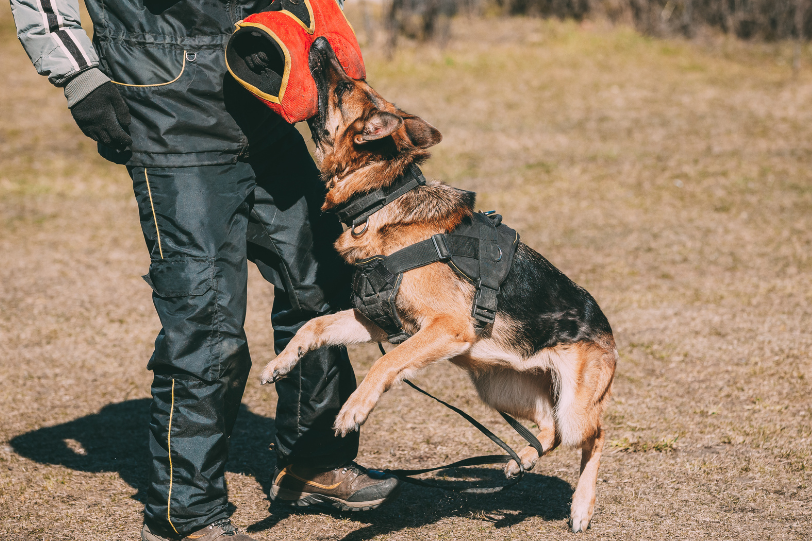
How Are Severe Dog Bites Different from Minor Ones?
Not all dog bites are created equal. Some leave behind only temporary marks, while others change lives forever. Understanding the differences helps clarify what’s at stake:
- Depth and Force: Minor bites might only puncture the skin, whereas severe bites can crush deeper structures (e.g., muscles, ligaments, or even fracture bones).
- Persistent Bleeding: Large dogs with powerful jaws or repeated bites can tear blood vessels, resulting in significant hemorrhaging that requires urgent treatment.
- Higher Infection Risk: More extensive wounds provide an easier pathway for bacteria, necessitating intravenous antibiotics or surgical cleanings.
- Longer Recovery Times: Severe injuries may require multiple surgeries, long-term physical therapy, or specialized wound management.
- Disfigurement and Disability: Deep lacerations on the face or limbs might result in permanent scarring or limited range of motion, affecting job performance or personal confidence.
Victims of severe dog bites frequently endure major medical bills, extended work absences, and emotional strain, making it critical to fully document injuries and evaluate long-term costs if pursuing legal recourse.
Your Legal Rights After a Dog Bite
If you’ve experienced a dog bite, it’s crucial to be informed about your legal rights. Across the United States, most states have laws that offer protection and a legal path to seek compensation for your injuries, often favoring the victim, especially under strict liability or negligence-based statutes.
Strict Liability and Negligence Laws
Many U.S. states enforce strict liability laws for dog owners. This means that if you’re bitten while on public property or lawfully on private property, the dog’s owner may be held responsible, regardless of whether they had prior knowledge of the dog’s aggression.
In states without strict liability, victims can often still pursue legal action under negligence laws, where a dog owner may be liable if they failed to take reasonable precautions to prevent the bite.
Compensation for Damages
Dog bite victims across the U.S. may be eligible for compensation, which can include:
- Medical Expenses: Costs related to emergency care, treatment, surgeries, and therapy.
- Lost Wages: Reimbursement for income lost due to recovery time or inability to work.
- Pain and Suffering: Damages for physical pain, emotional trauma, and reduced quality of life.
This financial compensation is intended to ease the burden of unexpected medical bills and help victims recover with dignity.
Action Steps for Victims
If you’re bitten by a dog, take these important steps:
- Seek Medical Attention immediately, even if the injury seems minor.
- Report the Incident to local animal control or police.
- Document Everything – take photos, collect witness statements, and preserve all records.
- Consult with a Personal Injury Attorney familiar with local dog bite laws to evaluate your legal options.
Dog bite laws vary by state, but most provide a legal avenue for victims to pursue justice and compensation. Whether your state follows strict liability or requires proof of negligence, knowing your rights and taking prompt action can make a significant difference in the outcome of your case.
Common Causes of Severe Dog Bite Incidents
Although any dog can inflict severe harm, certain scenarios heighten the risk:
- Large or Strong Breeds
Dogs with robust jaw strength (like Rottweilers, Pit Bulls, German Shepherds) are more prone to causing deep, penetrating wounds when they attack, especially if they clamp down or shake. - Pack Mentality
Multiple dogs acting together may escalate aggression, each dog feeding off the other’s excitement or hostility. The collective assault can intensify injuries. - Child Victims
Children often sustain more severe bites because of their size and inability to defend themselves. Their faces or necks are closer to a dog’s mouth level, leading to disfiguring or even fatal outcomes. - Provocation or Fear
Startled or cornered dogs might lash out with brutal force. But in many severe bite incidents, the victim had little to no active role in triggering aggression, raising questions about inadequate owner supervision or knowledge of the dog’s tendencies. - Neglect or Abuse
Dogs subjected to poor living conditions, inadequate socialization, or previous maltreatment might respond with violent outbursts when they feel threatened or stressed. This volatility can catch victims off guard.
How Dog Bite Liability Works Across the U.S.
Dog bite laws across the United States are designed to hold pet owners accountable and protect the rights of victims. While laws vary by state, many follow a strict liability approach or allow victims to seek damages under negligence statutes. Understanding these legal principles can empower dog bite victims to take the right steps toward securing compensation.
Strict Liability Principle
In many U.S. states, dog owners are subject to strict liability laws. This means that if a dog bites or attacks someone, the owner can be held liable, even if the dog has never shown signs of aggression before and even if the owner was unaware of any risk.
Conditions for Liability
To qualify for compensation under most dog bite statutes, these general conditions usually apply:
- The bite must occur in a public place or while the victim is lawfully present on private property (such as a guest or service worker).
- The victim must not have provoked the dog in a way that led to the attack.
These conditions reflect a national trend: holding dog owners responsible for preventing harm regardless of specific past behavior from the animal.
Legal Recourse for Victims
Dog bite victims in the U.S. can typically pursue legal action to recover damages such as:
- Medical bills
- Lost income
- Pain and suffering
Some states may even allow claims for future medical treatment or emotional trauma, depending on the severity of the injury and local laws.
When it comes to dog bite liability, the question of whether the owner knew of their dog’s aggressive tendencies is considered insignificant. But why is this the case? The legal framework that often applies is known as “strict liability.”
Understanding Strict Liability
Strict liability laws are designed to hold dog owners responsible for any injuries their pets cause, irrespective of the owner’s prior knowledge about the dog’s behavior. This means that even if an owner was unaware that their dog was capable of aggression, they can still be held accountable for any damage the dog inflicts.
Priority on Victim Protection
The rationale behind making prior knowledge irrelevant is to prioritize victim protection. Legal systems recognize that the potential harm caused by a dog attack can be severe, and holding owners liable ensures that victims can seek compensation to cover medical expenses, pain, and suffering without having to prove the owner’s understanding of their pet’s behavior.
Discouraging Negligence
By removing the requirement for proving the owner’s knowledge, these laws also discourage negligence. Owners are encouraged to take proactive steps to ensure their dogs are well-trained and securely contained, as they cannot simply claim ignorance of their dog’s potential danger.
Simplifying Legal Proceedings
Having prior knowledge as irrelevant also simplifies the legal process for the injured party. It alleviates the burden of gathering complex evidence about the owner’s awareness, allowing for a more straightforward legal pathway to compensation.
Medical Consequences of Severe Bites
Beyond the initial pain, severe dog bites can trigger a chain reaction of medical challenges, from emergency surgeries to long-term therapy.
- Punctures, Tearing, and Lacerations
Deep punctures can reach bone or organ tissue, possibly necessitating reconstructive surgery. Torn skin or muscle might require stitches, grafts, or plastic surgery for aesthetic and functional restoration. - Fractures and Crush Injuries
A strong bite can exert hundreds of pounds of force, fracturing bones—commonly in the hand, wrist, or forearm. Such crush injuries complicate healing, sometimes resulting in long-term mobility issues. - Infections and Disease Transmission
Bacteria in a dog’s mouth, like Pasteurella or Capnocytophaga, can cause serious infections. Rabies, although less common in vaccinated dogs, remains a concern in some regions. - Nerve or Tendon Damage
Significant bites near joints or nerves (e.g., around the wrist or face) can leave victims with chronic pain, numbness, or partial paralysis. Surgical repair or nerve grafts might be necessary. - Scarring and Disfigurement
Extensive injuries to the face, arms, or legs may heal into highly visible scars. Psychological impacts—like anxiety and lowered self-esteem—often accompany such changes to one’s appearance. - Severe bleeding that can become life-threatening
Lacerations to major arteries—particularly in the thigh or neck—can lead to massive bleeding, potentially endangering a victim’s life without rapid medical intervention.
Medical Treatment for Dog Bite Infections
When a dog bite leads to infection, prompt and thorough medical care is essential. Doctors often begin by prescribing a course of antibiotics, targeting common bacteria found in canine mouths—think Pasteurella or Capnocytophaga. For deeper or more contaminated wounds, intravenous antibiotics may be necessary, especially if there’s a risk of the infection spreading to the bloodstream.
In addition to medication, medical professionals will carefully clean the wound, sometimes irrigating it to reduce bacterial load and debris. Depending on your vaccination history, the doctor may recommend tetanus booster shots—or even initiate rabies prophylaxis if the dog’s vaccination status is uncertain.
Proper home care is just as vital: you’ll be advised to change dressings regularly, keep the area clean and dry, and watch for classic warning signs like redness, swelling, pus, or fever. Any sign of worsening symptoms warrants a quick return to your healthcare provider to catch complications early.
Potential Legal Responsibilities
In the United States, dog bite laws vary by jurisdiction. However, typical frameworks include:
- Strict Liability
Some states hold owners automatically liable if their dog injures someone, regardless of prior conduct or the owner’s caution. The victim only needs to prove the dog caused the damage and that they were lawfully present. - One-Bite Rule
Other regions require evidence that an owner knew (or should have known) their dog had aggressive tendencies—often referred to as the “one-bite” or “first-bite-free” rule. If the dog previously bit someone or acted viciously, owners cannot claim ignorance. - Negligence
Even in strict liability states, additional negligence claims may arise if an owner ignored local leash laws, skipped basic training, or failed to warn visitors about a dog’s protective behavior. - Landlord or Property Owner Liability
If a dog’s severe attack occurs on rental property, victims might argue the landlord is partially at fault if they were aware of a dangerous pet and neglected to enforce rules or remove the tenant’s dog. - Comparative Fault
Courts sometimes reduce compensation if a victim provoked the dog or trespassed in an area where they shouldn’t have been. Thorough investigations help clarify any shared blame.
How Your Behavior Before a Dog Bite Can Affect Your Claim
Your behavior leading up to a dog bite incident plays a crucial role in determining the amount of compensation you may receive. Here’s how your actions can influence the outcome:
- Contributory Negligence: If your actions contributed to the incident, for example by teasing or provoking the dog, your compensation might be reduced. This is due to laws that consider shared fault, often referred to as comparative negligence.
- Legal Standing: Trespassing or being unlawfully present on a property at the time of the bite could severely impact your case. If you were in a place you had no right to be, this might limit or even eliminate your ability to claim compensation.
- Witness Behavior: Observations from witnesses regarding your conduct just before the bite can be critical. If they report questionable behavior on your part, it could influence the outcome of your claim.
By understanding the legal implications of your actions before such incidents, you can better navigate the complexities of personal injury claims involving dog bites.
Understanding the Legal Process for Filing a Dog Bite Claim
If you’ve been bitten by a dog, understanding the steps to file a claim can streamline the process and alleviate some of the stress involved.
Establishing Responsibility
Liability for dog bites largely depends on state laws, which can either be strict liability or negligence-based:
- Strict Liability States: In these states, the dog’s owner is held accountable regardless of the dog’s history. No prior biting incidents are necessary to prove liability.
- Negligence-Based States: Here, you must demonstrate that the owner failed to control their dog or neglected to address a known risk.
A personal injury attorney can guide you through the intricate laws of your state and help establish liability.
Initiating the Claim Process
After determining liability, your attorney will typically file a claim against the dog owner’s homeowner’s or renter’s insurance. This is the standard process for pursuing compensation, often without needing to appear in court.
Negotiation and Settlement
Insurance companies may attempt to reduce their payouts. Your attorney will negotiate on your behalf to ensure that the compensation reflects all current and anticipated damages and expenses. This step is crucial to securing a fair settlement.
Legal Action Through the Courts
Should negotiations not yield a satisfactory settlement, your attorney might recommend filing a lawsuit. Although many dog bite disputes are resolved outside the courtroom, taking legal action demonstrates your commitment to achieving fair recompense.
What Compensation Can You Receive After a Severe Dog Bite?
Severe dog bite injury victims generally seek sums covering:
- Medical Expenses: Immediate surgeries, hospital stays, subsequent operations, medication, psychological therapy, and rehabilitative care.
- Lost Earnings: Wages missed during hospitalization or recovery, plus diminished earning capacity if permanent disability restricts job options.
- Pain, Suffering, and Emotional Trauma: Chronic pain from nerve or tendon damage, persistent fear of dogs, nightmares, or stress from disfigurement can justify non-economic damages.
- Punitive Damages: In extreme situations, where owners knowingly unleashed a dangerous dog or repeatedly ignored warnings, courts may assign punitive damages.
- Wrongful Death: Although uncommon in typical bite cases, certain large or rabid dogs can cause fatal attacks, entitling surviving families to funeral costs and lost companionship compensation.
Proving the severity of injuries requires thorough medical documentation, expert witness accounts, and receipts that detail the full scope of physical, financial, and emotional harm.
Seeking medical attention promptly not only ensures your well-being but also provides crucial documentation for your dog bite case. Even if the injury appears minor, visiting a healthcare professional is essential.
Their records can serve as compelling evidence, reinforcing the legitimacy of your claims and potentially swaying the case in your favor.
To effectively support your case:
- Medical Records: Keep detailed records of treatments and diagnoses.
- Expert Witnesses: Provide insights into the future implications of the injury and validate the extent of harm.
- Financial Receipts: Document all related expenses, from medical bills to therapy costs, illustrating the financial burden.
By combining these elements, you build a comprehensive case that convincingly outlines the impact of the incident.
Five Common Questions About Severe Dog Bite Cases
- Am I entitled to more compensation if my injuries are classified as “severe”? Potentially, yes. Severe injuries usually entail higher medical costs, longer recovery, and significant emotional distress. Courts and insurers often award more extensive damages to reflect these deeper impacts.
- Can the dog owner claim I provoked the attack to avoid paying? It’s possible. If evidence suggests you harassed or hit the dog, the owner might argue comparative fault, reducing your award. A lawyer can help counter such claims if they are untrue or exaggerated.
- Should I accept the dog owner’s offer to pay my medical bills immediately? Caution is advised. Severe injuries can reveal complications over time. Accepting partial coverage or signing a release might forfeit your ability to seek additional funds if new issues arise.
- What if the dog’s vaccinations are out of date? Unvaccinated dogs pose the threat of rabies or other diseases, complicating medical treatment. This fact may strengthen negligence claims if the owner disregarded local immunization mandates.
- Does The Injury Helpline handle smaller bites or only major injuries? The Injury Helpline is open 24/7 with a free consultation, assisting individuals nationwide for all dog bite severities, including those causing extensive trauma.

How to File a Dog Bite Case in the United States
After the shock of a serious dog attack, knowing what to do next can feel overwhelming. Here’s a practical step-by-step guide to help you take control of the situation.
1. Seek Immediate Medical Attention
Your safety and health come first. Seek medical care immediately—even for minor injuries. Prompt treatment helps prevent infection and creates a medical record that can serve as crucial evidence if you decide to take legal action.
2. Report the Incident
Contact local authorities or animal control to officially report the dog bite. This documentation helps establish a record of the attack and may trigger an investigation into the dog’s behavior and the owner’s responsibility.
3. Gather Evidence
Begin collecting any available evidence to support your case:
- Take clear photos of your injuries, torn clothing, and the scene of the incident.
- Identify the dog and obtain the owner’s contact information, if possible.
- Speak with witnesses and collect their contact details.
- Save medical records, bills, and any correspondence related to the bite.
4. Understand Your State’s Dog Bite Laws
Laws vary across the U.S. Some states follow a strict liability rule, meaning dog owners are responsible for bites regardless of the dog’s history. Others follow a “one-bite” rule or require proof of negligence. Understanding your state’s specific legal standards is critical when preparing a claim.
5. Consult a Personal Injury Attorney
Contact an attorney who specializes in personal injury or animal attack cases. They can review the details of your case, determine your eligibility for compensation, and help you navigate your state’s legal system.
6. File Your Claim
With your attorney’s help, you’ll file an official claim against the dog owner or their homeowner’s insurance. This step includes submitting medical documentation, witness accounts, and a detailed list of damages such as medical expenses and lost income.
7. Prepare for Court, if Necessary
If the insurance company denies your claim or offers a low settlement, your attorney may recommend going to court. They will help you build a strong case and represent you throughout the litigation process.
Adjusting to Life After Severe Injuries
Rebuilding after a major dog bite often demands more than just medical care—it’s an ongoing journey of adapting daily routines and living spaces. Victims with lasting impairments may need a variety of tools and modifications to regain independence and maximize their quality of life.
- Assistive Devices:
Depending on the injury’s location, mobility aids such as canes, walkers, or wheelchairs might become part of daily life. Hand injuries may require ergonomic grips or adaptive utensils. - Home Modifications:
For those dealing with limited mobility, adjustments at home can be vital. This could mean installing ramps, grab bars in the bathroom, or wider doorways to accommodate a wheelchair. - Supportive Care and Therapy:
Occupational or physical therapy often plays a key role in regaining function. Therapists may introduce specialized exercise equipment or recommend adjustments for workspaces, even adaptive computer keyboards or voice recognition software. - Emotional and Social Support:
Coping with new limitations isn’t just physical; it’s emotional too. Support groups and counseling can help address anxiety, trauma, or changes in body image resulting from the incident.
Taking these steps can ease the transition back to everyday life, helping victims rebuild confidence and independence on their own terms.
Steps to Take if You’re the Victim of a Severe Dog Bite
- Seek Immediate Medical Care
Severe injuries can escalate quickly if not treated, particularly infections or heavy bleeding. Prompt attention helps track your condition and potential complications. Don’t forget your pet might need urgent care too, so consult a veterinarian if your pet was attacked. - Document Everything
Photographs of deep punctures, bruising, and scarring help prove the injury’s extent. Keep medical records, medication receipts, and therapy bills carefully. It’s also wise to jot down details of the incident while they are fresh in your mind for a clear account later. - Identify Witnesses
Eyewitnesses can corroborate the attack sequence, whether the dog was on a leash or if the owner tried to intervene. Gather contact info for statements later on. Having witness testimonies strengthens your case if legal action becomes necessary. - Report the Incident
Alert local authorities, such as the police or animal control. These agencies often require dog owners to produce vaccination records or muzzle a dog deemed dangerous. Reporting the incident ensures it is officially documented, which is critical for any legal proceedings. - Talk to an Attorney About Your Options
Owing to the high stakes—surgeries, lost wages, and emotional distress—severe dog bite claims benefit from professional representation. A lawyer provides clarity on strict liability statutes or comparative fault rulings. Consider reaching out for a free case review to explore your legal options. - Follow-up Care
Adhere to the advice given by your healthcare provider and any required veterinary care. This step ensures ongoing recovery and helps prevent future incidents. Consistent follow-up is crucial for both your well-being and your pet’s.
By taking these steps, you safeguard your health, protect your legal rights, and ensure a safer future for yourself and your pet.
The Injury Helpline: 24/7 Free Consultation and Nationwide Support
For individuals grappling with severe dog bite injuries, The Injury Helpline is a critical resource offering:
- Round-the-Clock Availability: Accidents can happen at any time, day or night. The Injury Helpline’s 24/7 service provides you with the help you may need.
- No Upfront Fees: Reputable attorneys typically handle these cases on a contingency. That means victims pay legal fees only if they receive compensation.
- Broad Geographic Reach: Each state has distinct dog bite laws. The Injury Helpline connects you with attorneys in your area who grasp local regulations and prior court precedents for dog bites.
- Personalized Matching: Severe bites may require advanced knowledge of reconstructive medicine, nerve damage, or psychological trauma. The Injury Helpline pinpoints lawyers experienced in these complexities.
- Ongoing Assistance: Beyond the initial referral, you can revert to The Injury Helpline for clarifications, ensuring you remain informed about your claim’s progress or settlement negotiations.
Severe dog bite injuries stand apart from run-of-the-mill nips or bruises, demanding a far more intense level of care and caution. Victims often endure devastating physical repercussions—ranging from deep tissue wounds to life-changing nerve damage—and bear emotional scars that linger long after the bandages come off. Legal liability likewise intensifies under these circumstances, given the potential for large-scale damages to cover surgeries, extensive therapy, and the emotional toll.
Proving that an owner negligently failed to control a known dangerous dog, or that they violated local leash or vaccination ordinances, can pave the path toward financial relief. However, the journey demands careful evidence gathering, medical documentation, and a sound legal strategy.
Engaging professional counsel soon after the incident ensures you won’t navigate these complexities alone. It’s crucial to seek a lawyer who not only has expertise but also offers a personal touch, addressing your unique needs and concerns.
The Injury Helpline, available 24/7 with a free consultation, connects those afflicted by severe bites nationwide to specialized personal injury lawyers who understand the monumental stakes involved. These lawyers are seasoned advocates, committed to providing personalized attention and support throughout your case.