

What Are Escalator Accidents?
An escalator accident refers to any injury that occurs while a person is boarding, riding, or exiting a moving stairway—whether in a mall, airport, train station, or office complex. These injuries often involve unexpected slips, entrapments, or sudden jolts, and can result in anything from a broken wrist to a traumatic brain injury or even an amputation.
Escalators blend hard metal edges, narrow steps, and continuous motion. When even one part malfunctions—like a loose tread or faulty stop button—the results can be violent. Property owners, maintenance contractors, and escalator manufacturers each have legal responsibilities to keep these machines safe. If they fail to do so, injured passengers may pursue legal claims for medical costs, wage loss, or long-term disability.
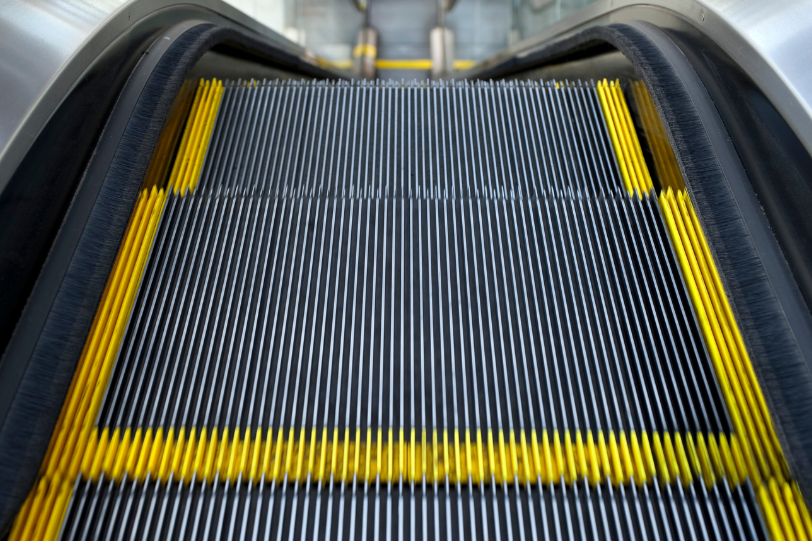
Why Escalators Carry a Higher Risk Than Stairs
While stairs may seem more treacherous, escalators introduce a range of hazards that many people overlook. They’re powered by intricate machinery with hundreds of moving parts. If a belt slips, a chain jerks, or a step cracks, the entire system can shift—instantly destabilizing a rider.
Add to this the metal grooves, which collect moisture or oil, and the changing surface between moving steps and fixed platforms. Many falls happen during that transition, especially when signage is missing or riders are carrying bags and children. Escalators also crowd quickly, particularly in busy public venues. And when you factor in visibility distractions—cell phones, advertisements, or poor lighting—it’s easy to see how accidents occur, even without outright mechanical failure.
Common Escalator Defects That Lead to Injuries
Though each case has its nuances, several recurring maintenance failures appear in accident reports:
- Sudden speed changes or jolts, often due to motor glitches or worn drive chains.
- Broken or misaligned steps, which create uneven footing or snag shoes.
- Faulty comb plates at entry or exit points, where toes or walking aids can get caught.
- Worn or missing skirt brushes, allowing shoes, clothing, or even limbs to slide into the edge gap.
- Slippery surfaces caused by internal grease leaks or spilled drinks.
- Inadequate lighting or signage, leaving passengers unaware of changing surfaces.
- Non-functioning emergency stop buttons, which can worsen pile-ups during accidents.
Each of these issues is preventable through routine inspections and prompt repair—yet corners are often cut, especially in high-traffic buildings where shutting down escalators disrupts business flow.
What Kinds of Injuries Are Common?
Escalator-related trauma can be brutal, both physically and emotionally. Victims are often caught off-guard, thrown forward, or dragged into machinery. Among the most common injuries:
- Fractures of the ankles, wrists, or hips from harsh landings.
- Lacerations or deep cuts, sometimes from sharp comb plates or broken step edges.
- Amputations, especially involving fingers or toes trapped in escalator side gaps.
- Spinal injuries, including herniated discs or crushed vertebrae after hard impacts.
- Head injuries, particularly from backward falls or striking guardrails.
- Psychological trauma, including fear of enclosed spaces, anxiety around public transportation, or panic attacks.
Treating these injuries often requires emergency surgery, extensive rehab, mobility aids, and long-term mental health support. The financial toll—especially when time off work is involved—can be immense.
Who Can Be Held Liable?
Escalator accidents rarely involve just one responsible party. Depending on the case, legal responsibility could rest with:
- Property owners or facility operators, such as shopping malls, airports, or hotels, who must conduct regular safety checks and follow building codes.
- Maintenance contractors, hired to service escalators, who may skip steps, ignore signs of wear, or falsify logs to cut costs.
- Manufacturers, in cases where poor design or defective parts (like weak step components or insufficient safety spacing) contributed to the failure.
- Third-party cleaners or vendors, if they leave tools or cause spills on escalator steps that aren’t addressed in time.
In many cases, multiple entities share fault. Legal teams often examine contracts, service records, and expert engineering analysis to determine who failed and when.
How Do You Prove Fault in an Escalator Case?
For a successful claim, you’ll typically need to prove that:
- The responsible party had a duty of care to maintain a safe escalator.
- That duty was breached, either by action (like disabling a stop button) or inaction (failing to repair a known issue).
- The breach directly caused the accident.
- You suffered actual damages—physical injuries, medical bills, lost wages, or pain and suffering—as a result.
Helpful evidence often includes:
- Maintenance logs showing skipped inspections or repeat complaints.
- Inspection citations from state safety agencies for prior violations.
- Security footage captures the fall, spill, or step malfunction.
- Witness accounts describing jerky motion, loud noises, or other red flags.
- Expert testimony, especially from elevator/escalator engineers who can identify failures based on design specs and service standards.
Common Arguments Property Owners Use
Property managers or insurers often fight back using familiar strategies:
- User error – Claiming the rider misused the escalator (e.g., running, sitting, riding backward).
- Visible danger – Arguing the hazard was “open and obvious,” such as a visible step break.
- Timing defense – Insisting the defect or spill appeared just moments before the accident, leaving no time to intervene.
- Comparative fault – Suggesting the injured person was distracted, overloaded with bags, or wearing risky footwear.
A qualified attorney can often refute these defenses by showing poor signage, out-of-date maintenance, or clear non-compliance with escalator safety codes.
What Compensation Might Be Available?
If you can prove negligence, you may be eligible for a range of damages, including:
- Medical expenses, both immediate and long-term (surgery, rehab, prosthetics, therapy).
- Lost wages, and compensation for reduced future earnings due to disability.
- Pain and suffering, including physical discomfort, emotional distress, and lifestyle limitations.
- Home or vehicle modifications, like ramps or special driving controls for those left with disabilities.
- Punitive damages, in extreme cases involving deliberate neglect or concealed defects.
- Wrongful death benefits, covering funeral costs and lost support if a loved one dies due to escalator injuries.
Five Straightforward Answers to Escalator Questions
- Does holding the handrail affect my case?
It helps show caution, but not holding it doesn’t automatically harm your claim—especially if a mechanical failure caused the accident. - How often must escalators be checked?
State laws vary, but daily visual checks and professional monthly or quarterly maintenance are common requirements. - Are soft shoes more dangerous on escalators?
Yes. Crocs, sandals, and soft rubber soles can compress and slip into side gaps more easily—especially if safety brushes are missing. - What if someone bumped me onto the escalator?
Crowd control is part of safety. If the facility allowed unsafe conditions, they could still bear some liability. - Can I get help if my injuries seem minor?
Absolutely. The Injury Helpline provides free consultations for all injury levels—because small injuries can worsen, and early claims preserve your legal options.

How Should Children Be Supervised on Escalators?
Children and escalators can be a risky mix if you’re not vigilant. To keep kids safe:
- Always hold their hand—and don’t let them ride alone if they’re young.
- Ensure children face forward, stand in the center, and keep their feet away from the edges and sides (bright Crocs and soft-soled shoes are especially prone to slips).
- Discourage games: no running, sitting, jumping, or playing near the edges.
- Remind them not to touch the comb plate (the teeth at the top and bottom), which can catch fingers or toys.
- Pay extra attention in crowded places like malls, airports, or busy transit hubs, where distractions run high and falls are more likely.
A little supervision goes a long way to prevent what can quickly become a serious accident on the move.
What to Do Immediately After an Escalator Fall
- Get medical attention, even if symptoms seem mild at first.
- Report the accident to onsite staff and request a copy of any incident report.
- Take photos of the escalator, especially any visible hazards or signage issues.
- Collect witness contacts, including names and phone numbers.
- Preserve shoes and clothes, especially if torn or stained—this can show entrapment or residue.
- Call a lawyer quickly—surveillance footage often gets deleted within days.
How The Injury Helpline Can Help
If you’ve been hurt in an escalator accident, The Injury Helpline is ready 24/7 to provide:
- Immediate, no-cost legal consultations so you understand your rights without obligation.
- Nationwide attorney connections, pairing you with lawyers experienced in local building codes and escalator claims.
- Contingency-based legal support, so you only pay if you win.
- Continued access, letting you call back anytime for updates or questions.
Escalator injuries can change your life in an instant. What starts as a routine errand can end in hospitalization, surgery, or even permanent disability when escalator owners or contractors overlook safety. The systems in place to prevent these incidents often fail quietly—until they fail catastrophically.
Don’t let a preventable accident go unchallenged. Document what happened, seek care, and connect with professionals who know how to fight for your recovery.
The Injury Helpline, open 24/7 with a free consultation, connects people nationwide to attorneys skilled in escalator litigation. With their help, you can pursue the medical funding, wage replacement, and long‑term support required to reclaim stability and peace of mind after a preventable, machinery‑induced fall.