

Understanding Helicopter Crashes and Legal Options
A helicopter crash is any unplanned event in which a rotary‑wing aircraft collides with terrain, structures, vehicles, or water, or suffers a hard landing, rollover, mid‑air breakup, or in‑flight fire, causing death, injury, or significant property loss. Unlike fixed‑wing airplanes that glide on stalled wings, helicopters rely on a constantly rotating rotor system for lift and stability. When that system fails—through mechanical defect, weather, or pilot error—the time to react can be extremely limited. Whether the aircraft is an air ambulance, sightseeing bird, offshore oil‑rig shuttle, corporate charter, news chopper, agricultural sprayer, or private hobby craft, the combination of low altitudes, tight landing zones, and complex mechanics makes helicopter flight particularly challenging and less forgiving of errors.
Victims and their families quickly discover that legal responsibility for a crash is rarely simple. Claims often span state tort law, federal aviation regulations, and sometimes international treaties. Potential defendants include operators, maintenance contractors, component manufacturers, air‑traffic controllers, and event organizers. Coordinating multiple investigations—National Transportation Safety Board (NTSB), Federal Aviation Administration (FAA), local law enforcement—demands swift, knowledgeable advocacy. That’s why The Injury Helpline offers support through its 24/7 free consultation and nationwide roster of aviation‑savvy attorneys.
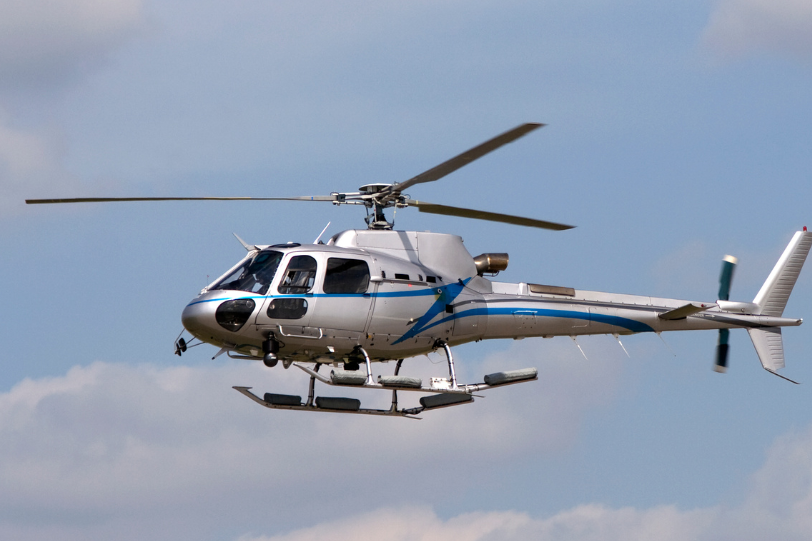
Why Flying in a Helicopter Involves Unique Risks
While helicopters serve a wide range of purposes—from emergency transport to tourism—their unique design and operation create risks that are different from other types of aircraft.
- Mechanical Complexity: Main rotors, tail rotors, swashplates, gearboxes, and turbine engines must sync perfectly; a single bearing failure can lead to sudden and dangerous instability.
- Low‑Altitude Operations: Power‑line inspections, medical evacuations, and tourist flights operate within wire‑strike range, leaving minimal time to recover from an engine flame‑out.
- Adverse Weather Sensitivity: Fog, icing, wind shear, and “brown‑out” dust clouds can blind pilots or overload stabilizing systems.
- High Workload Cockpits: Pilots often fly single‑pilot IFR (instrument flight rules), juggling radios, terrain warnings, and patient care in emergency‑med flights.
- Frequent Takeoffs and Landings: Each flight cycle adds wear; helicopters may perform dozens of “cycles” daily, increasing maintenance demands.
- Variable Loading: Uneven weight distribution of cargo, stretchers, or tourists can destabilize hover and autorotation performance.
- Limited Crashworthiness: Energy‑absorbing seats exist on newer models, but fuel tanks can still rupture, and cabins may not meet airliner g‑force standards.
- Remote or Hostile Environments: Offshore platforms, mountain peaks, and dense urban canyons complicate rescue operations.
The Process of Filing a Helicopter Accident Lawsuit
Navigating the legal aftermath of a helicopter crash calls for more than just perseverance—it requires a precise understanding of the steps involved and the tactical expertise of experienced counsel. Here’s how the lawsuit process typically unfolds:
- Choosing the Right Forum: Your attorney’s first order of business is to analyze which court has jurisdiction and which venue gives the best chance of a full recovery. This may be shaped by the crash location, the parties involved, and applicable federal or state laws.
- Complaint Preparation and Filing: The formal journey begins with the drafting of a detailed complaint. This document lays out the plaintiff’s (injured party’s) version of events, the legal grounds for holding each defendant liable, and the types of damages sought. The attorney files this, along with any required court fees, initiating the lawsuit.
- Service of Process: Once filed, the complaint must be officially delivered—“served”—to each defendant in compliance with procedural rules. This serves as the legal wake-up call that the case is underway.
- Defendants’ Response: Each defendant typically has a set period (usually 20 to 30 days) to submit an answer or possibly a motion to dismiss. Their response shapes the legal battlefield, outlining which allegations are disputed.
- Discovery and Investigation: Both sides now dig in. Attorneys gather evidence, question witnesses in depositions, and request documents—anything from maintenance logs to cockpit recordings or data stored. The discovery phase is often where critical facts come to light and settlement leverage is built.
- Negotiation and Settlement Talks: Many helicopter crash cases resolve without ever reaching a jury. Skilled attorneys, drawing on a track record of high-value settlements, can often secure compensation through negotiation, mediation, or arbitration. Only a fraction proceeds to trial.
Throughout this process, an early and proactive attorney can make the decisive difference in preserving evidence, identifying all responsible parties, and navigating the maze of procedural pitfalls. With lives and livelihoods often on the line, meticulous legal work is non-negotiable.
Leading Causes of Helicopter Crashes
Understanding the most common causes behind helicopter crashes is essential when evaluating liability and accident prevention. Below are some of the key contributing factors.
- Mechanical Failures
Main‑rotor separation, gearbox seizures, tail‑rotor driveshaft failure, or engine flame‑outs from fuel‑control malfunctions. - Pilot Error
Controlled‑flight‑into‑terrain (CFIT) in poor visibility, improper autorotation during power loss, or misjudged landings on rooftop pads. - Weather Hazards
Inadvertent flight into instrument meteorological conditions (IMC), icing on rotor blades, or downdrafts in mountainous terrain. - Maintenance Negligence
Skipped 100‑hour inspections, improper torque on mast bolts, or uncalibrated chip detectors that fail to warn of metal debris. - Wire and Obstacle Strikes
Undocumented power lines or cell‑tower guy wires snare rotor disks during agricultural or news‑gathering flights. - Fuel Exhaustion or Contamination
Miscalculated reserves, faulty gauges, or contaminated Jet A can cause compressor stalls. - Overloading and Center‑of‑Gravity Errors
Excess passengers or cargo shift CG aft, eroding controllability during hover. - Design Defects
Poor crash‑worthy fuel‑tank placement, inadequate rotor‑head redundancy, or tail‑boom flex that induces vibration. - Air‑Traffic‑Control Miscommunication
Incorrect altitude assignments or conflicting clearances in congested airspace. - Bird Strikes
Especially in coastal or migratory routes; large birds can shatter windshields or damage tail rotors.
Each of these causes can result from a combination of human, mechanical, and environmental variables—often making the investigation process complex and technical.
Common Injuries Caused by Helicopter Accidents
When a helicopter accident occurs, the resulting injuries are often severe due to the nature of the crash dynamics. Victims may suffer from the following trauma.
- Fatal or Severe Traumatic Brain Injuries: High‑energy impacts propel occupants into cabin structures or eject them entirely.
- Spinal Cord Damage: Vertical crash forces compress the vertebrae, producing paralysis or chronic pain.
- Burns and Smoke Inhalation: Post‑impact fires often ignite Jet A; occupants suffer second‑ and third‑degree burns or toxic fume inhalation.
- Amputations and Crush Injuries: Rotor blades, collapsed cabins, or landing‑gear intrusions sever limbs or crush torsos.
- Orthopedic Fractures: Multiple long‑bone breaks and pelvic fractures from seat‑belt loads or collapsing seats.
- Internal Organ Trauma: Blunt‑force deceleration ruptures spleens, livers, and lungs.
- Psychological Trauma: Survivors and families endure PTSD, survivor’s guilt, and anxiety disorders.
Recovery may involve extended ICU care, serial reconstructive surgeries, prosthetics, neurological rehabilitation, and lifelong counseling.
Lacerations and Scarring
Sharp metal fragments, shattered plexiglass, and the violent collapse of a helicopter’s cabin frequently rip through clothing and skin in the chaos of a crash. Occupants may be thrown against fractured instrument panels, torn seat frames, or jagged debris, leading to deep lacerations. These injuries aren’t merely superficial—gaping wounds can expose muscle and bone, requiring urgent surgical intervention. Even with the best reconstructive care, both lacerations and burns can leave lasting scars that serve as permanent reminders of the trauma.
Who Can Be Held Legally Responsible?
Determining legal responsibility in a helicopter crash isn’t always straightforward. Several parties may play a role in the chain of events that led to the accident.
- Helicopter Operator / Charter Company: Responsible for pilot training, regulatory compliance, and airworthiness.
- Pilot‑in‑Command: Personally accountable for safe operation; insurance often responds on the pilot’s behalf.
- Maintenance Facilities and Mechanics: Can be sued for negligent inspections, improper repairs, or falsified logbooks.
- Component and Airframe Manufacturers: Tail‑rotor gearboxes, fuel systems, or design flaws may support strict liability or negligence claims.
- Engine Manufacturers: Turbine or piston engines that seize due to design or manufacturing defects.
- Aftermarket Parts Suppliers: Non‑OEM components that fail under load.
- Tour Companies and Brokers: Negligent in vetting carriers or pressuring unsafe flight schedules.
- Air‑Traffic Control Entities: Liability under the Federal Tort Claims Act or foreign equivalents for erroneous instructions (subject to procedural hurdles).
- Landing‑Pad Owners: Hospitals or building owners who maintain unsafe rooftop helipads or inadequate lighting.
- Fuel Vendors: Contaminated fuel deliveries that cause power loss.
Legal Pathways to Compensation
- State Negligence and Wrongful‑Death Laws – Apply to most in‑state charter, sightseeing, or private flights.
- Federal Aviation Law and NTSB Findings – Although NTSB conclusions aren’t automatically admissible, underlying factual data (docket materials) often bolster civil cases.
- Products‑Liability Statutes – Strict liability, design defect, and failure‑to‑warn theories against manufacturers of engines, gearboxes, fuel tanks, or flight instruments.
- Jones Act or General Maritime Law – Rare but possible for offshore helicopter shuttle crews deemed “seamen.”
- International Treaties – The Montreal Convention applies mainly to commercial international flights but can influence offshore or cross‑border claims.
- Government Tort Claims – If federal ATC error contributed, strict notice deadlines and compensation limits mean it’s important to act quickly. (Check your state’s current deadlines, as these laws may vary or change.)
Statutes of Limitations: Don’t Wait to Act
Time is not on your side after a helicopter accident. The statute of limitations—the deadline to file a lawsuit—varies by state, typically ranging anywhere from one to three years from the date of the accident. In some cases, such as claims under the Federal Tort Claims Act (FTCA), you may have as little as two years to act. Early attorney involvement is vital to pick the proper venue, meet short limitation periods (often two years for FTCA claims), and prevent defendants from moving suits into less favorable jurisdictions.
Given these tight windows and the complexity of aviation law, it’s essential to consult an attorney as soon as possible to preserve your legal rights and maximize your options for recovery.
How Settlements and Verdicts Are Achieved
In helicopter crash and catastrophic injury cases, securing a fair settlement or prevailing at trial is a meticulous process. It begins long before entering a courtroom.
Early Investigation and Evaluation
Following an accident, prompt legal action is essential. Attorneys coordinate with aviation experts, forensic engineers, and medical specialists to collect, analyze, and preserve evidence. This may include on‑site inspections, black box data, witness interviews, and medical records review. Speed is critical; crucial data can quickly disappear or degrade.
Building a Persuasive Case
Once the facts are gathered, your legal team develops a strategy suited to the case, whether emphasizing defective components, pilot error, or failures in maintenance. This often means consulting leading authorities in aviation safety (think: retired NTSB investigators or former factory engineers) as expert witnesses who can help reconstruct events and explain fault to a jury.
Pre‑Suit Negotiations and Demand Packages
With evidence in hand, attorneys typically submit detailed demand letters to insurers and liable parties. These lay out the facts, injuries, impact on quality of life, and the applicable law, frequently accompanied by reports from medical professionals and economists to clarify both immediate and lifelong costs. In complex claims, mediators or neutral evaluators may be brought in to facilitate a resolution before formal litigation.
Litigation and Trial
When negotiations stall or insurers offer inadequate compensation, your case moves to court. Discovery—exchanging documents, taking depositions, and presenting expert reports—can be extensive, especially when multiple defendants are involved (operators, manufacturers, maintenance companies, etc.). If a fair settlement cannot be reached, trial teams present technical evidence and human stories before a judge or jury. Verdicts are reached based on compelling proof of liability and damages.
The right law firm will have the resources and technical partners necessary to challenge well‑funded defendants, whether you face a Fortune 500 manufacturer or a national charter operator.
Successful outcomes depend on early, thorough investigation, careful expert selection, and unwavering legal advocacy—often with a seasoned trial team ready to see your claim through verdict if necessary.
What Happens After Filing a Helicopter Accident Lawsuit?
Once your attorney files the summons and complaint, the legal process unfolds in a series of carefully orchestrated steps—each crucial for moving your case forward.
- Service of Process: The defendants are formally notified—that is, “served”—with the lawsuit. This is what officially brings them into the case and starts the clock.
- Defendants’ Response: Those named in the suit typically have 30 days to file an “answer” or initial response, outlining their positions and any defenses.
- Scheduling Orders and Case Management: After responses, the court sets deadlines and procedural milestones—think: discovery cutoffs, motion schedules, and a tentative trial date.
Settlement vs. Trial: How Most Helicopter Accident Lawsuits Conclude
While the legal system lets crash cases go all the way to a jury, the vast majority of helicopter accident lawsuits resolve before trial ever begins. After initial filings, both sides dive into evidence gathering—subpoenaing records, interviewing witnesses, and leveraging experts to reconstruct the crash sequence. Throughout, insurance carriers and defense attorneys review their risk exposure based on what the facts reveal.
In practice, most high-stakes claims are settled privately, not decided by a judge or jury. Settlement negotiations often unfold as the investigation progresses. The process includes written demands, mediation sessions, or even last-minute agreements on the courthouse steps. Why settle? It avoids unpredictable verdicts, years of appeals, and extra pain for families dragged through public testimony.
The takeaway: A lawyer with deep settlement experience—someone who knows how to wring out the facts, work with aerospace experts, and handle hard-nosed insurers—can often secure a better, faster result for victims and families. Even so, a credible threat of going to trial is sometimes key to forcing fair compensation.
The Role of Negotiation and Settlement
With both sides now engaged, the discovery phase kicks off. Each party gathers evidence—interviewing witnesses, requesting maintenance records, consulting aviation safety experts, and reviewing flight data.
Notably, most helicopter crash lawsuits resolve before trial. Both parties may enter negotiations or mediation sessions to explore settlement options. A seasoned attorney with a powerful negotiating track record can often secure compensation efficiently—sometimes even matching or exceeding what might be won at trial, without the added risk and delay.
Throughout this period, your legal team’s investigative strength and ability to build a compelling case can make all the difference, laying the groundwork whether settlement or trial is on the horizon.
Key Evidence in Helicopter Crash Lawsuits
In any legal claim related to a helicopter crash, the strength of your case depends heavily on the quality and availability of evidence. Here are some of the most critical types investigators look for.
- Flight‑Data and Cockpit‑Voice Recorders: Many turbine helicopters now carry “black boxes” or lightweight data recorders.
- GPS and Engine‑Monitoring Downloads: Reveal speed, altitude, torque, and exceedances.
- Maintenance Logs and Service Bulletins: Show skipped inspections, overdue parts replacement, or ignored airworthiness directives.
- Pilot Records: Training history, duty‑time logs, and any FAA enforcement actions.
- Eyewitness and Survivor Accounts: Details on sound changes, vibration, smoke, or pilot communications seconds before impact.
- Wreckage Analysis: Metallurgical tests for fatigue cracks, chip‑detector metal shavings, or gearbox oil starvation.
- Meteorological Data: Surface observations, radar, and satellite imagery documenting icing or low‑visibility conditions.
- Air‑Traffic‑Control Transcripts: Assess communications and potential controller error.
- Manufacturer Design Documents: Finite‑element analyses, failure‑mode‑and‑effects studies, and internal risk assessments.
- Expert Reconstruction: Aerospace engineers use computer modeling and flight‑test data to demonstrate causal chains.
Preserving wreckage and logs requires immediate spoliation‑prevention letters—an action that The Injury Helpline’s attorney partners often initiate within hours of contact.
Common Defense Strategies and Counterpoints
- Pilot Error Sole‑Causation Claims: Operators and manufacturers shift blame entirely to the pilot. Plaintiffs counter with evidence of design flaws, deficient training, or maintenance failings that left the pilot with no viable options.
- Unavoidable Weather: Defendants argue “act of God.” Attorneys respond with proof of poor flight‑planning decisions, missed weather briefings, or equipment not certified for IMC.
- Preemption Under Federal Aviation Regulations (FARs): Manufacturers claim federal standards shield them. Courts frequently reject total preemption when state tort duties impose additional safety obligations.
- Statute of Repose: Some jurisdictions limit suits against aircraft manufacturers after 18 years. Exceptions exist for new‑part installation dates or fraudulent concealment—attorneys may use these exceptions to challenge dismissal..
- Comparative Fault of Passengers: Suggesting victims ignored seat‑belt requirements or overloaded cargo. In catastrophic accidents, such arguments rarely outweigh operator negligence.
Categories of Recoverable Damages
- Medical Expenses – Emergency transport, surgeries, prosthetics, rehabilitation, and psychological therapy.
- Future Care Costs – Life‑care plans for paralysis, brain injury, or severe burns.
- Lost Wages and Earning Capacity – Economic modeling of career disruption or total disability.
- Pain and Suffering – Physical agony, scarring, and diminished life enjoyment.
- Loss of Consortium – Spouse’s loss of companionship and household services.
- Punitive Damages – Awarded when conduct is reckless—falsifying maintenance logs, knowingly flying unairworthy aircraft, or hiding defects.
- Wrongful‑Death Damages – Funeral costs, projected lifetime earnings, guidance, and emotional loss to dependents.
How to Brace and Respond During a Helicopter Crash
- Adopt the Correct Brace Position: At the first sign of imminent impact, bend forward over your knees, secure your seat belt and shoulder harness, and place your head down. Cover your head and neck with your arms—think of forming a protective shield to minimize trauma from sudden jolts or debris.
- Stay Seated Until Complete Stop: Resist the urge to unbuckle or move while the helicopter is still bouncing or spinning. Sudden movement during impact can amplify injuries—wait until all motion ceases.
- Plan Your Exit Mindfully: Scan your environment for the nearest usable exit. Don’t rush—check for fire, smoke, or blocked pathways before moving. If possible, avoid exits near visible leaking fuel or flames.
- Move Quickly Away from Wreckage: As soon as safe, put distance between yourself and the aircraft—fuel leaks, fire, or even delayed explosions are real risks. Head upwind and upgrade your location further if you spot hazardous terrain (steep slopes, streams, towers, etc.).
- Signal for Rescue: If you’re in a remote area, use what you have—cell phones, ELTs (Emergency Locator Transmitters), mirrors, or even brightly colored clothing—to flag down rescuers. In daylight, large reflective objects or even lining up luggage in a visible “SOS” can draw search teams your way.
Frequently Asked Questions About Helicopter Crash Claims
- Does the NTSB investigation replace a private investigation? No. NTSB findings can take years and focus on broad safety lessons, not compensation. Private counsel launches independent engineering analyses immediately.
- Can I sue if the helicopter had no “black box”? Yes. Wreckage, maintenance records, GPS data, and eyewitness accounts still establish causation. Lack of crash‑survivable recorders may itself suggest outdated or negligent equipment.
- What if my loved one was the pilot? Pilots (or their estates) can bring product liability claims against manufacturers and negligence claims against maintenance contractors or parts suppliers, even if pilot error contributed.
- Are waivers on sightseeing tours enforceable? Typically not for gross negligence, reckless conduct, or hidden mechanical defects. Courts often void waivers that seek to absolve federally regulated operators of basic safety obligations.
- How soon should we call The Injury Helpline? Immediately. Evidence disappears quickly, especially at remote wreckage sites. The Injury Helpline answers 24/7, dispatching attorney‑led teams to secure wreckage, records, and witness statements before they fade.
Practical Safety Tips for Helicopter Passengers and Operators
- Verify the operator’s FAA Part 135 certificate (for charters) or Part 133/137 ratings for utility and agricultural flights.
- Confirm pilots are instrument‑rated and current on safety‑management‑system (SMS) training.
- Check that helicopters have crash‑worthy fuel tanks, energy‑attenuating seats, and—if possible—flight‑data recorders.
- Wear seat belts and shoulder harnesses at all times; loose camera straps and bags become lethal projectiles.
- Stay clear of tail‑rotor arcs when boarding or exiting; always approach from the pilot’s 10 or 2 o’clock.
- Avoid flights in marginal weather unless the helicopter and crew are fully IFR‑rated.
- For operators: enforce strict maintenance schedules, cultivate a no‑blame safety‑reporting culture, and never pressure pilots to “complete the mission” in unsafe conditions.
What to Do Immediately After a Helicopter Crash
Whether you are a survivor or a witness, your actions in the moments following a helicopter accident can make a difference in both safety and future legal outcomes.
- Activate Emergency Response – Call 911; in remote areas trigger ELTs (emergency locator transmitters) or satellite beacons.
- Render First Aid – Stop bleeding, move victims only if fire or explosion risk looms, and treat for shock.
- Control Secondary Hazards – Shut fuel selectors if possible, extinguish small fires, and mark rotor‑blade debris for responders.
- Document the Scene – Photos and video of wreckage position, instrument panels, weather conditions, and survivor statements.
- Preserve Wreckage and Records – Secure logbooks, GPS units, and loose components; prevent unauthorized removal.
- Notify Authorities – FAA Flight Standards District Office (FSDO) and NTSB require immediate notification; follow their guidance but retain independent counsel.
- Seek Medical Evaluation – Internal injuries and inhalation damage can emerge hours later. Even if you feel fine after the crash, it is essential to receive a full medical assessment as soon as possible. Some injuries, such as internal bleeding, brain trauma, or smoke inhalation, may not be immediately apparent but can become life-threatening if untreated. Prompt documentation of all symptoms and medical care also provides a critical record for both health and legal reasons.
- Contact The Injury Helpline – Attorneys issue spoliation letters, coordinate experts, and navigate NTSB procedures while protecting victims’ rights.
How The Injury Helpline Serves Helicopter‑Crash Victims
Legal help can be hard to access in the chaos after a crash. That’s where The Injury Helpline comes in—offering support when it matters most.
- 24/7 Availability: Crashes can occur at any time, which is why our response team is available 24/7.
- Free, No‑Obligation Review: Clarify legal options—negligence, product liability, government claims—without cost.
- Nation‑Wide Attorney Network: Lawyers fluent in FAA regulations, NTSB protocol, and multi‑defendant aviation litigation.
- Top Aviation Experts: Retired test pilots, aerospace engineers, metallurgists, human‑factors specialists, and life‑care planners bolster your case.
- Contingency‑Fee Representation: Legal fees come only from recovered funds, never out of pocket.
- Comprehensive Support: Guidance through insurance negotiations, lien reductions, structured settlements, and grief‑counseling referrals.
Helicopter crashes are rarely random. They are often the result of preventable issues—mechanical failures, training gaps, or poor decisions. They are usually the final link in a preventable chain of mechanical shortcomings, maintenance shortcuts, training gaps, or reckless decisions. The consequences—burns, paralysis, shattered families—echo long after the rotor wash has settled.
Determining who is responsible after a helicopter crash is rarely straightforward. Liability may rest with the pilot, maintenance personnel, the manufacturer, or operational staff—sometimes all at once. Experienced attorneys collaborate with aviation experts, sifting through crash reports, maintenance logs, and witness accounts to uncover the root causes and establish negligence. This meticulous investigation is essential to ensure every liable party is held accountable.
By acting swiftly to secure evidence, enlist expert counsel, and pursue every accountable party, victims and their loved ones can obtain the financial resources necessary for medical recovery and future security, and compel the aviation community to strengthen the safeguards that keep rotary‑wing flight aloft.
If tragedy has touched your life through a helicopter crash, don’t navigate the complex web of investigations and jurisdictional traps alone. The Injury Helpline is ready 24/7 to connect you nationwide with attorneys who speak the language of aviation, understand the intricacies of federal and state law, and advocate strongly to help you pursue justice and the compensation you may be entitled to.Reach out today—because every minute counts when lives, livelihoods, and lasting change hang in the balance.