

What Are Drone Accidents?
A drone accident refers to any unexpected or injury-causing event involving an uncrewed aircraft system (UAS), commonly known as a drone. These incidents can include crashes, loss of control, collisions with people or vehicles, falling payloads, or even fire hazards stemming from faulty batteries. Drones today are more varied than ever, from palm-sized recreational quadcopters and fixed-wing delivery drones to heavy-lift cinematic rigs. They operate above city parks, construction zones, traffic corridors, and even over stadiums and private homes. But when a GPS glitch occurs mid-flight, or when a pilot misjudges altitude or weather shifts, these high-tech machines can turn hazardous in seconds—leaving behind cuts, burns, property destruction, and serious injuries.
The legal terrain surrounding drone accidents is complex, spanning federal aviation rules, local ordinances, and evolving state-level privacy laws. Injured parties may find themselves pursuing damages from hobbyist flyers, commercial drone operators, software developers, or manufacturers of defective batteries or sensors. Add in the challenge of determining airspace jurisdiction and preserving volatile flight data, and it becomes clear why early legal help is so critical—help that The Injury Helpline provides 24/7 through a national network of attorneys who understand the intricacies of drone-related litigation.
How Are Drones Commonly Used?
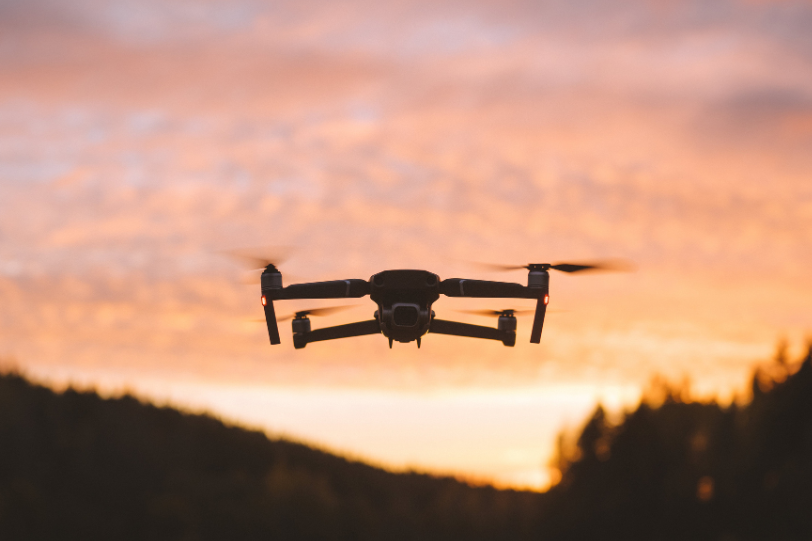
The sky’s the limit when it comes to the ways drones are changing daily life, both for hobbyists and professionals. These nimble flyers are no longer confined to backyard buzzing; their tasks now span industries and settings.
Some of the most frequent uses include:
- Recreational Flight: Many people simply enjoy piloting drones for fun, much like remote-control cars or airplanes of yesteryear.
- Aerial Photography and Videography: Whether it’s capturing sweeping shots for a real estate listing or immortalizing a couple’s big day from an impossible angle, drones offer perspectives once reserved for helicopter crews.
- Site Inspections: From scrutinizing the top of a high-rise during construction to checking an airplane’s exterior for potential hazards, drones reduce the need for risky climbs or scaffolding.
- Disaster Response and Search & Rescue: When time is of the essence—like searching for a missing hiker in rugged terrain—drones can quickly cover ground and relay critical images to rescuers.
- Scientific Exploration: Researchers use drones to observe active volcanoes, survey remote wildlife habitats, or map disaster zones, gathering data where human access might be dangerous or impossible.
- Safety Monitoring and Surveillance: Construction managers and mining companies deploy drones to spot structural risks or locate resources without putting workers in harm’s way.
- Event Coverage: Media outlets, sports organizers, and festival planners employ drones to stream live aerial footage or monitor crowds from above.
Whether soaring above city streets or remote mountains, drones rapidly adapt to new challenges, bringing high-tech solutions to everyday problems and extraordinary events alike.
What Are the Common Recreational and Commercial Purposes for Drones?
Drones aren’t just the toys of tech enthusiasts anymore. They’ve become indispensable tools for a wide range of industries—and they still pack plenty of fun for hobbyists. If you spot something buzzing overhead, it’s probably not just someone trying to show off a new gadget.
On the recreational side, drones are the high-tech successors to remote-control planes, thrilling flyers everywhere with their agility and ability to capture incredible aerial selfies. Weekend pilots steer their quadcopters through local parks or film sweeping shots of friends at family gatherings. Adventurers bring drones along for hiking trips to record stunning landscapes—far beyond the reach of traditional cameras.
Industrially, the variety gets even broader. Drones now help real estate agents capture captivating property photos from above, inspect jetliners for safety issues without ever leaving the tarmac, and venture into treacherous environments—think volcanic craters or hazardous mines—where sending a person simply isn’t an option. Construction managers rely on drones for regular site surveys and progress tracking, while mineral prospectors map out promising veins underground.
They’re a crucial eye in the sky during disaster response, aiding search and rescue teams hunting for missing persons or surveying damage after severe weather. Wedding photographers use drones to immortalize new couples from breathtaking overhead perspectives. Even live media teams deploy drones for crisp footage of marathons, parades, or summer festivals—delivering dramatic angles that were once difficult, expensive, or downright impossible to capture.
Whether for a sunny afternoon flight or a complex aerial inspection, drones today are everywhere—serving as both playthings and powerful professional tools.
How Drone Laws Adapt to Technology
Drone laws are a moving target—constantly updated to match the breakneck pace of advancing technology and new risks. Federal agencies like the FAA frequently roll out fresh regulations, such as stricter registration processes, remote ID mandates, and no-fly zones around airports, stadiums, and national landmarks. States and municipalities are layering on their own rules, addressing everything from privacy concerns over backyard flyovers to liability for damage and injury.
But the legal system is still playing catch-up. Most drone accident cases fall under civil law, focusing on who’s responsible for injury or property damage. As drones evolve—from hobbyist quadcopters to package-delivery fleets—so too do the legal arguments and the potential parties at fault, including drone operators, employers, software developers, and manufacturers. Regardless, if you’re on the receiving end of a drone mishap, navigating this shifting maze of statutes is no easy feat. That’s why securing an attorney who understands the latest drone regulations can make all the difference.
Why Drones Present Unique Dangers
Unlike traditional aircraft, drones fly low and frequently operate over densely populated spaces. This close proximity to people, vehicles, and infrastructure means that even minor errors can lead to major harm. One significant risk factor is the widespread availability of drones: millions are sold to consumers who often rely on autopilot functions they barely understand. Each drone is a bundle of tightly integrated electronics—GPS, inertial sensors, Wi-Fi links, lithium batteries—all of which must work perfectly together. When even one fails, the drone can veer off course or plummet from the sky.
The design of drones also introduces risks. Their spinning propellers, often unshrouded, rotate at high speeds and can easily slice skin or damage eyes. Lost GPS signals, Wi-Fi interference, or environmental electromagnetic fields can scramble communications, leading to erratic behavior. Battery failures are another frequent culprit, especially in lithium-polymer (Li-Po) models prone to overheating or even catching fire. If a drone carries a payload—such as a camera, fertilizer tank, or delivery package—a hardware malfunction can cause it to drop suddenly onto unsuspecting people or cars. These risks are further compounded when drones stray into controlled airspace or violate people’s privacy, triggering confrontations or evasive maneuvers that can make matters worse.
What Typically Causes Drone Accidents?
Many drone mishaps boil down to pilot error. Misjudging distance, ignoring automated warnings, or flying beyond visual range often leads to crashes into trees, buildings, or even crowds. Signal loss, GPS failure from solar storms or interference, and malfunctioning sensors can cause drones to drift uncontrollably or fail to return home.
Equipment flaws also play a role. Software glitches, cracked circuit soldering, and failed speed controllers can cause drones to malfunction mid-flight. Battery issues are particularly common—damaged or swollen cells may lose voltage suddenly or ignite after a crash. Bad weather can overwhelm a drone’s stabilizers, especially in gusty or rainy conditions.
Operators sometimes overload drones or mount payloads improperly, affecting balance and flight control. Other problems arise when users disregard FAA rules, such as flying too high, operating at night without proper lighting, or conducting unauthorized flights over people or crowded events. And in today’s hyper-connected world, even cyber intrusions pose a threat—hackers can hijack control signals or disrupt telemetry mid-air. Often, drone owners neglect regular maintenance, leaving worn-out parts or outdated firmware in place until it’s too late.
Injuries and Damage Commonly Seen in Drone Accidents
The injuries stemming from drone accidents can be serious and, in some cases, life-altering. Propeller blades can cause deep lacerations or severe eye injuries if they come into contact with someone during takeoff, landing, or an out-of-control flight. Drones falling from significant heights have caused concussions, skull fractures, and traumatic head injuries. Pedestrians, startled by sudden low-flying drones, may trip and suffer broken bones or soft-tissue damage. Cyclists, too, have crashed after swerving to avoid an unexpected drone overhead.
Fires caused by battery failures can result in burns, toxic smoke inhalation, and damaged indoor furnishings. Vehicles struck by descending drones may crash or collide, creating chain-reaction accidents. Property damage is also widespread: cracked solar panels, damaged roofs, broken windows, and even destroyed electronics can rack up repair bills into the thousands. In the aftermath, it’s not just the physical harm that endures—victims often report anxiety, PTSD, or fear of open spaces where drones might operate again. At airports, even near-misses can disrupt air traffic, grounding flights and endangering lives.
Who May Be Held Legally Responsible?
A variety of parties may bear legal responsibility when a drone accident occurs. The pilot—whether a hobbyist or licensed commercial operator—is typically the first focus, especially if they flew recklessly, broke FAA rules, or operated without necessary waivers. In commercial contexts, responsibility may extend to the hiring company, such as a real estate agency or news outlet, especially if they failed to vet the drone operator properly.
Manufacturers may also face product liability claims when a crash stems from a design flaw, faulty battery, defective flight controller, or misleading safety features. Developers of firmware or drone-control apps may be held liable if software bugs contributed to the malfunction. Maintenance providers and repair shops can be implicated if they installed substandard parts or performed shoddy work. Event organizers or venue owners may be found negligent if they allowed drones to fly over crowds without proper safety barriers or FAA approval.
In rarer cases, property owners might be liable if they created a hazard—such as unmarked aerial wires or illegal signal jammers. Even government agencies might be subject to claims if a drone collision involves law enforcement or results from faulty air-traffic advisories, though such cases often involve special notice rules and damage caps.
Legal Avenues Available to Drone Accident Victims
Victims of drone-related injuries or property damage typically pursue claims under negligence or premises liability, where they must prove duty, breach, causation, and resulting harm. FAA rules under Part 107 (and recreational guidelines) play a critical role in these cases: violations of height limits, nighttime flight restrictions, or bans on flying over people often establish negligence per se, simplifying the path to recovery.
For product-based failures, victims may sue manufacturers under strict liability, arguing defective design or failure to warn. In commercial settings, breach-of-contract or indemnification clauses can shift responsibility to event planners or drone service providers. If a drone violates privacy—such as filming without consent or entering private airspace—state laws may allow separate trespass or data-harvesting claims.
Insurance may provide relief through homeowners or aviation-specific policies, but insurers frequently challenge whether the pilot followed applicable rules. After an incident, it’s vital to gather as much information as possible. Obtain the names and contact details of any witnesses who saw the crash—witness statements can be crucial for your claim. Document everything you can about the drone and its operator: note the registration number if visible, and collect details about the owner or pilot.
Create a paper trail by contacting law enforcement to file a police report; this official record can help support your case with insurers or in court. If the operator holds liability insurance, ask for this information as well—responsible drone owners often carry coverage for just these situations. Every bit of documentation you collect will strengthen your position if your claim is disputed.
Because drone law is relatively new and quickly evolving, some defendants claim federal aviation rules override state civil claims. Courts, however, generally uphold state-level actions that align with or support FAA safety objectives. Fast legal intervention is essential, especially since flight logs are easily overwritten, and faulty batteries can self-ignite in storage
Gathering Evidence After a Drone Crash
Preserving evidence is critical. Most drones log detailed flight data on onboard SD cards or via cloud syncing—capturing altitude, stick inputs, battery levels, and signal strength. Screenshots from the pilot’s control app can further document pre-crash warnings or alerts. Serial numbers and FAA registrations help link drones to their operators.
Footage from the drone’s onboard camera can offer key insight into what happened seconds before impact. Eyewitnesses may corroborate erratic movements, operator behavior, or sound the alarm on unauthorized flights. Physical parts, including propellers, motors, and melted battery cells, should be secured for expert analysis.
Professionals look for irregular soldering, brittle plastic, or battery puncture marks. Documentation of the pilot’s FAA certificate or logbooks may reveal previous enforcement issues. Meteorological records—including wind gusts and solar flare data—can counter defense arguments about “sudden acts of God.” In some cases, tech reports from nearby cell towers or Wi-Fi sources confirm environmental interference that an experienced pilot should have anticipated.
Common Defense Arguments and How to Address Them
Drone accident defendants often claim the crash was due to outside interference—like GPS jamming or a surprise bird strike. Plaintiffs can refute this by showing poor flight planning, lack of redundant systems, or ignored warnings. Some try to blame the victim, suggesting they weren’t paying attention. Courts rarely accept this argument when the drone operator is clearly at fault.
Manufacturers might assert the drone was misused or fitted with non-original parts. However, matching serial numbers and confirming proper installation often disproves this. Others lean on regulatory preemption, arguing FAA rules block state-level suits. Yet courts generally allow state claims that enhance, rather than conflict with, FAA objectives. Defendants may also cite sudden wind gusts as unpredictable, but weather reports and drone specs often show such conditions were foreseeable. Finally, venues sometimes argue that spectators assumed the risk—yet courts hold them accountable when flights occurred directly overhead without approved safety measures.
Types of Compensation Available
Those harmed by drone accidents may recover compensation for medical bills, including emergency care, surgeries, and therapy. Long-term costs—like reconstructive procedures, PTSD treatment, or assistive devices—can be factored into a life-care plan. Victims may also claim lost income and diminished future earning potential, especially if injuries prevent them from returning to their profession.
Pain and suffering, including emotional distress, are a key part of drone-injury lawsuits. Courts recognize the trauma of being injured by falling hardware or fire, and the mental toll it can take. Property damage—like cracked car roofs or destroyed electronics—is also compensable. In cases involving particularly reckless behavior, such as flying while intoxicated or ignoring FAA bans, courts may award punitive damages. And in the most tragic cases, surviving families can seek wrongful death compensation for funeral costs, lost companionship, and lost financial support.
Five Frequently Asked Questions About Drone Accidents
- Are hobby pilots liable even if their drone is inexpensive?
Yes. Regardless of the drone’s cost, the pilot is responsible for safe operation. Homeowner’s insurance may help, but individuals remain legally liable for injuries their drone causes. - Does FAA registration protect me from being sued?
No. Registration aids identification, not legal immunity. If a registered drone crashes due to negligence, the operator can still be held accountable. - Can I sue if a delivery drone injures someone with a dropped package?
Absolutely. The drone operator and the company behind the flight can both be held liable for route errors, poor hardware design, or lack of safety testing. - Is drone-recorded footage usable in court?
Yes. Flight logs, videos, and controller data are admissible—provided they are preserved quickly and their authenticity can be verified. - When should I call The Injury Helpline?
Immediately. Flight logs overwrite quickly, and damaged batteries may combust. The Injury Helpline is available 24/7 to help victims secure evidence and legal representation.
How to Prevent Drone Accidents
Safety begins before takeoff. All operators should complete an FAA-recognized TRUST or Part 107 course. A thorough pre-flight check—battery voltage, propeller condition, firmware status—is essential. Pilots must keep drones within line-of-sight and avoid flying over people unless they have FAA approval and parachute or prop-guard systems in place.
Flight plans should always account for altitude obstacles, no-fly zones, and local TFRs like wildfires or stadium events. Drones with swelling or inconsistent battery performance should be grounded and replaced. Every repair or firmware update should be logged, and cracked frames or chipped props should be discarded. Finally, never fly under the influence or when overly fatigued.
What to Do Immediately After a Drone Accident
First, address any injuries—apply pressure to cuts, treat burns, and call 911 for head impacts or breathing issues. Isolate any damaged batteries in metal or sand-filled containers, as Li-Po packs can spontaneously ignite. Document the scene thoroughly, including photos of impact zones, drone parts, and environmental factors.
Secure flight logs from SD cards or cloud services and take screenshots of the controller’s readouts. Try to identify the pilot, note any vehicle plates nearby, and look for FAA registration numbers on the drone itself. File a police report and, in cases of serious injury or over $500 in damage, notify the FAA. Even minor injuries should be checked by a doctor to rule out nerve damage or eye complications. Finally, contact The Injury Helpline, which will coordinate expert evaluations and begin preserving evidence immediately.
What State and Local Laws Apply to Drones?
Drone operators face a patchwork of rules beyond federal FAA regulations. Many states and cities have passed their own laws—sometimes banning flights over schools, stadiums, or private homes without consent. In California, for instance, it’s illegal to use a drone to record someone in a private space, echoing anti-paparazzi statutes. New York City bars recreational drones from taking off within city limits; in Texas, using a drone to record private property can lead to civil fines.
Some municipalities require special permits for commercial filming, while others restrict drones near critical infrastructure like power plants or prisons. Violations can result in hefty fines or criminal charges—even if your drone never leaves the ground. Checking local ordinances before liftoff is essential. Even parks and beaches may have unique restrictions posted at entryways or listed on local government websites. Ignorance of these rules rarely provides a valid legal defense if something goes wrong.
How The Injury Helpline Helps Drone‑Accident Victims
- 24/7 Live Response – Immediate connection to legal and technical advisors nationwide.
- Free, Comprehensive Case Review – Clarify negligence, product‑defect, and privacy‑violation options without cost.
- Specialized Attorney Network – Lawyers versed in FAA rules, electronic‑data forensics, and cutting‑edge drone case law.
- Forensic Resources – Partnerships with UAS engineers, battery chemists, and GPS signal‑analysis experts.
- Contingency‑Fee Representation – No upfront legal fees; payment only from successful recovery.
- Full‑Spectrum Support – Assistance with medical lien reductions, structured settlements, long‑term care planning, and public agency filings.
When drones fail—whether due to pilot error, faulty parts, or reckless corporate practices—the results can be devastating. Victims deserve more than apologies. They need medical care, financial compensation, and assurance that future skies will be safer. If you’ve been harmed by a drone crash or close encounter, take swift action: secure evidence, seek treatment, and consult with those who know how to navigate both airspace and the courtroom.
Why Immediate Action Matters
What you do in the minutes and hours following a drone injury can determine whether you’re left footing the bill or holding those responsible accountable. First and foremost, seek medical attention—even if your injuries seem minor. Not only does this protect your health, but it also creates crucial documentation that can support your claim. Skipping medical care gives insurance companies and the opposition ammunition to argue your injuries weren’t serious.
If you’re able, or with the help of a bystander, take clear photos of your injuries, the drone, debris, and the accident scene. Capture the make and model of the drone, visible FAA registration numbers, and any nearby witnesses or vehicles. This evidence will be invaluable whether your claim focuses on negligent operation, defective design, or malfunctioning components.
Drone injury law is evolving, but your right to compensation for negligence or defective products is clear. By acting quickly—securing evidence, seeing a doctor, and connecting with specialized legal help—you put yourself in the strongest possible position for recovery and to help prevent future accidents.
The Injury Helpline, open around the clock for a free consultation, stands ready to connect victims nationwide with attorneys who understand both the aerodynamics and the law of unmanned aviation. Together, you can pursue the compensation needed for healing and set safer standards for a sky that’s getting more crowded every day.