

What Happens in a Rollover Accident?
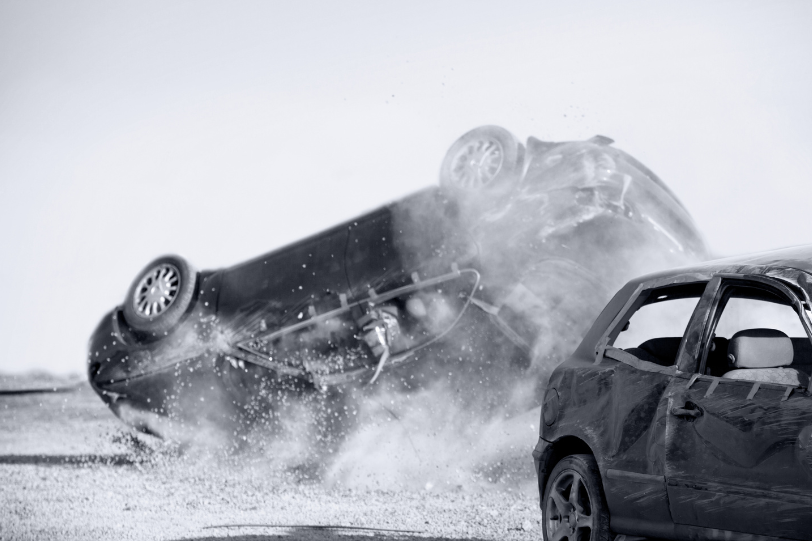
A rollover accident occurs when a vehicle tips onto its side or roof, and sometimes rolls multiple times before coming to a stop. These crashes are particularly common among vehicles with a higher center of gravity, such as SUVs, pickups, vans, and crossovers. Although rollovers represent a relatively small share of overall car accidents, they’re responsible for a disproportionate number of severe injuries and fatalities.
The violent motion of these wrecks can expose occupants to roof collapse, ejection from the vehicle, and multiple points of impact that exceed what many vehicles are engineered to handle. Some rollovers happen when a driver swerves suddenly, loses control, and the vehicle flips. Others are triggered by hitting a curb or road shoulder at just the wrong angle.
Because of the extreme outcomes, rollover accidents often prompt complex legal questions. Was another driver at fault? Was the vehicle poorly designed? Did tire failure or road conditions play a role? Fast evidence preservation is essential—from securing damaged tires to downloading the vehicle’s black box before it’s wiped. That’s why The Injury Helpline offers 24/7 consultations, connecting victims to legal and technical experts who know how to turn twisted metal into clear, courtroom-ready answers.
Why Rollover Accidents Are Especially Dangerous
Rollover crashes are among the most deadly types of vehicle accidents—and it’s not just because of the tumbling motion. Several physical and environmental factors work together to increase the chances of severe or fatal injuries.
Key risk factors include:
- Vehicle Height and Balance: SUVs and trucks ride higher than sedans, making them more prone to tipping during sharp turns or sudden corrections.
- Roof Weakness: Even vehicles that meet minimum safety standards can fail when burdened with aftermarket cargo or subjected to roof crush forces beyond design assumptions.
- Ejection Risk: Passengers who aren’t wearing seat belts—or who are partially ejected through windows or windshields—face extreme trauma.
- Multiple Impact Points: The body experiences force from the side, top, and front as the car rolls, overwhelming typical safety systems.
- Fire Hazards: Fuel tanks or filler necks can rupture during the rollover, increasing the risk of fire.
- Remote Crash Locations: Many rollovers occur at night or on rural roads, delaying emergency response.
- Shifting Cargo: Roof racks, trailer loads, and truck beds can shift the vehicle’s center of gravity mid-turn.
- Driver Overcorrection: Swerving sharply after veering off-road can trigger the flip, especially when tires grab uneven ground.
These elements often combine in unpredictable ways, leading to violent rollovers even at moderate speeds.
What Causes Rollover Crashes?
While no two rollovers are exactly the same, certain factors show up again and again. Understanding how these crashes unfold can help reveal where negligence, mechanical failure, or poor road design may have played a part.
Common causes include:
- Tripped Rollovers: A tire hits a curb, soft shoulder, or pothole and acts like a pivot, flipping the car.
- High-Speed Turns: A top-heavy SUV taking a ramp too fast may lose grip and roll.
- Tire Blowouts or Separation: A sudden tire failure causes the vehicle to veer, and the loss of control leads to a rollover.
- Side-Impact Crashes: T-bone collisions may send a vehicle spinning and flipping.
- Poorly Loaded Vehicles: Overloaded roof racks or uneven trailer loads can make vehicles unstable.
- Driver Distraction or Fatigue: Veering off-road and overcorrecting is a frequent rollover trigger.
- Substance Impairment: Alcohol or drug use reduces reaction time and decision-making ability, increasing rollover risk.
- Hazardous Roadways: Construction drop-offs, loose gravel, or uneven pavement edges can act as trip points.
- Mechanical Failures: Faulty steering, broken suspension, or mismatched tires can disrupt vehicle balance.
- Bad Weather: Rain, ice, and fog make it easier to slide and lose control, often resulting in a rollover.
Even a single factor, like a pothole or bad tire, can cause a catastrophic flip under the right conditions.
Other Forms of Rollover Accidents
Tripped and untripped rollovers aren’t the whole story—rollover crashes can happen under a surprising variety of scenarios. Here are a few less-talked-about ways cars can end up on their roofs:
- Flip-Overs: Sometimes, a direct impact—like being struck in the side by another vehicle—can quite literally flip a car over onto its roof or side, especially if the striking vehicle is larger or moving at high speed.
- Fall-Overs: Vehicles navigating steep embankments, hillsides, or roadside drop-offs can tip over and tumble down, even at low speeds. Gravel shoulders on country roads and mountain switchbacks present classic “fall-over” hazards.
- Multi-Vehicle Mayhem: In pileups or chaotic crash scenes, the force and angles involved may send multiple vehicles rolling—either from secondary impacts or as a chain reaction of pushes and spins.
- Obstacle-Induced Rollovers: Sometimes, it’s not another vehicle but a fixed object—a guardrail, tree stump, or deep pothole—that brings a moving car to a sudden halt or acts as a ramp, sending it airborne.
Even a single factor, like a pothole or bad tire, can cause a catastrophic flip under the right conditions.
Common Injuries from Rollover Accidents
Rollover crashes are violent events, and the human body is not built to withstand the forces involved. These accidents often leave victims with complex, long-term injuries that affect every aspect of life.
Some of the most common injuries include:
- Traumatic Brain Injury (TBI): Repeated impacts or roof crush can cause brain swelling, bleeding, or permanent neurological damage.
- Spinal Cord Injuries: Back trauma from a collapsing roof can compress the spine, resulting in paralysis or chronic pain.
- Severe Lacerations: Broken glass and sharp metal tear through skin and muscle, often requiring reconstructive surgery.
- Crush Injuries and Amputations: Limbs can be pinned by twisted doors or support pillars, leading to loss of function or surgical amputation.
- Internal Injuries: Blunt force trauma often damages organs like the liver, lungs, or spleen.
- Fractures: Broken ribs, collarbones, hips, or limbs are common due to rolling force and seat belt tension.
- Burns and Smoke Inhalation: Fuel leaks can lead to fires post-crash, especially if rescue is delayed.
- Emotional Trauma: Many survivors suffer from PTSD, anxiety, or panic while driving again.
These injuries often require extended hospitalization, physical therapy, and psychological counseling.
Who May Be Held Legally Responsible?
Establishing fault in a rollover crash is rarely simple. Multiple individuals, companies, or government agencies may be responsible, either for causing the crash or making it worse.
Potentially liable parties include:
- Reckless or Impaired Drivers: Speeding, swerving, or texting can start the chain of events that lead to a rollover.
- Automakers: Defects in roof strength, seat belt locks, airbag design, or stability control systems may justify legal claims.
- Tire Manufacturers and Retailers: Faulty tires or incorrect installation can contribute to vehicle instability.
- Government Road Agencies: Failing to repair potholes or install guardrails may make the roadway unreasonably dangerous.
- Commercial Employers or Loaders: Unsecured cargo or overloading commercial vehicles shifts blame to the fleet operator.
- Bars or Hosts: If they overserved an impaired driver, dram-shop laws may apply.
- Rental Companies: Renting out vehicles with known safety issues or unaddressed recalls could establish liability.
- Aftermarket Part Suppliers: Unengineered lift kits or improper suspensions can contribute to loss of control.
Each case is unique, and legal teams must dig deep into the details to identify all responsible parties.
Legal Options for Rollover Victims
Victims of rollover accidents may be entitled to financial compensation through various legal strategies. The right path depends on the crash specifics, the available evidence, and the identities of those responsible.
Common legal claims include:
- Negligence: Proving that another driver, agency, or business failed in their duty of care.
- Strict Product Liability: Holding manufacturers accountable for dangerous design flaws or defective products.
- Crashworthiness Claims: Even if the driver caused the crash, the vehicle must reasonably protect its occupants.
- Warranty Breach: Challenging automakers over broken promises about vehicle safety.
- Wrongful Death Lawsuits: Filed by surviving family members when a rollover proves fatal.
- Alcohol Liability Laws: Dram-shop or social-host laws may apply when intoxicated drivers are overserved.
- Government Tort Claims: These allow citizens to sue municipalities for dangerous road conditions, but deadlines are tight.
- Insurance Bad Faith: Taking action when an insurance company delays or denies a legitimate claim.
Fast legal action is often necessary to preserve your rights and collect time-sensitive evidence like black box data.
Evidence That Strengthens a Rollover Case
Gathering strong evidence early can dramatically improve your chances of building a solid case. The following types of documentation and expert analysis are often critical:
- Event Data Recorder (EDR) Downloads – Pre‑crash speed, steering angle, brake usage, and yaw rate.
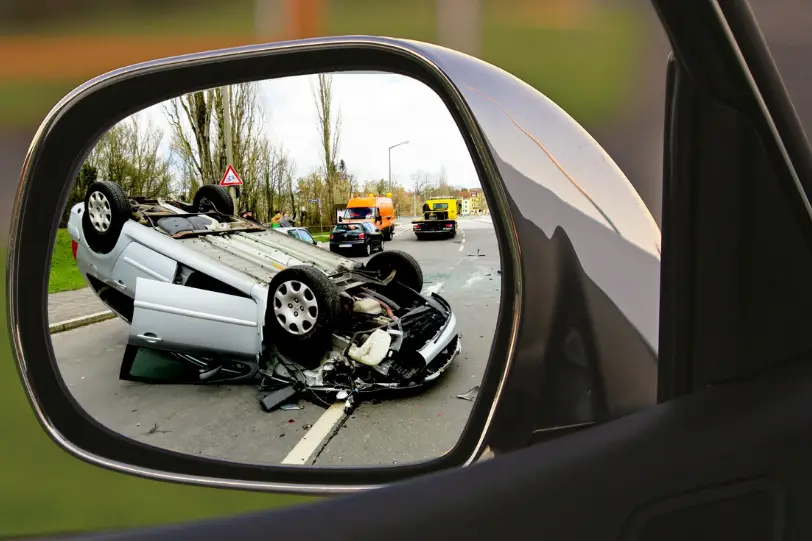
- Photographs of Roof Crush Depth and Pillar Deformation – Establish inadequate structural integrity.
- Tire Examination and DOT Codes – Identify recall problems, age degradation, or manufacturing defects.
- Road‑Surface Documentation – Measurements of drop‑off height, curb angle, or pothole depth.
- Police Reports and 911 Audio – Contain witness names and first‑hand observations.
- Surveillance and Dash‑Cam Footage – Show lane positioning, collision sequence, or truck debris.
- Medical Imaging – CT scans and MRIs link injury patterns to roof intrusion.
- Alcohol‑Server Receipts and Security Video – Prove over‑service before a DUI rollover.
- Maintenance and Recall Records – Demonstrate neglect of known defects.
- Expert Reconstruction – Engineers recreate vehicle dynamics with computer simulations and physical testing.
The Injury Helpline retains accident‑reconstructionists and biomedical engineers early to secure black‑box data before insurers or salvage yards destroy evidence.
Defenses You Might Face—and How to Fight Back
If your case succeeds, you may be entitled to compensation for both immediate and long-term losses. These include:
- Blaming the Driver: They’ll say you were speeding or distracted. Expert data can prove that tire failure, mechanical issues, or design flaws were the real cause.
- No Seat Belt Defense: Not wearing a seat belt may reduce your claim but doesn’t erase it, especially if the injuries were worsened by roof collapse or restraint failure.
- Act of God: The defense may cite wind, animals, or freak conditions. Weather and road maintenance records often contradict these claims.
- Federal Compliance: Automakers argue that their vehicles passed basic safety standards, but many courts allow stricter liability if safer designs were available.
- Aftermarket Mods: Lift kits and off-road tires may be blamed, but poor installation or a faulty product may shift liability elsewhere.
- Sovereign Immunity: Government road agencies sometimes claim immunity. But many states allow lawsuits for gross negligence or unsafe infrastructure.
An experienced attorney will know how to challenge these defenses effectively.
What Compensation Can Victims Recover?
If your case succeeds, you may be entitled to compensation for both immediate and long-term losses. These include:
- Medical Costs: From emergency care to surgery, rehab, and counseling.
- Future Medical Needs: Home healthcare, mobility aids, or life-care planning for catastrophic injuries.
- Lost Wages and Earnings: Covers time missed from work and loss of future earning potential.
- Pain and Suffering: Physical pain, emotional trauma, and reduced quality of life.
- Property Loss: Damage to the vehicle, cargo, phones, and other valuables.
- Punitive Damages: In extreme cases, courts may award additional money to punish negligent conduct.
- Wrongful Death Compensation: Funeral expenses, financial loss, and emotional loss suffered by loved ones.
Your attorney will help calculate the full scope of damages and pursue the best possible outcome.
Frequently Asked Questions About Rollover Accidents
- Can I sue the automaker even if another driver caused the crash?
Yes. Vehicles must protect occupants in foreseeable accidents. If the roof collapsed or seat belts failed, the automaker could still be liable. - How long do I have to act?
Each state has its own statute of limitations—often 2–3 years—but claims involving city or state roads may require action within just 60–180 days. - Is black box data useful?
Absolutely. Event data recorders can validate your driving behavior and contradict inaccurate accident reports. - What if I wasn’t wearing a seat belt?
You may still recover compensation, although the amount could be reduced. The law still requires vehicles to maintain basic safety under rollover conditions. - How quickly should I call The Injury Helpline?
As soon as possible. Salvage yards may destroy evidence within days. Our network can help preserve black box data and begin your claim immediately.
How to Prevent a Rollover
While not every crash is avoidable, you can reduce your risk by adopting a few safe-driving habits:
- Take Curves Slowly: Especially in SUVs or trucks, slow down before ramps and tight corners.
- Keep Tires in Good Shape: Rotate them regularly, check inflation, and replace aging rubber.
- Avoid Overloading Roofs: Store heavy items inside the vehicle, not on top.
- Use Electronic Stability Control (ESC): Never disable this life-saving feature.
- Wear Seat Belts: They remain your best protection in a rollover.
- Stay Focused and Rested: Drowsy and distracted driving are major contributors to rollovers.
- Drive Carefully in Bad Weather: Wet or icy roads increase rollover risks—slow down and steer gently.
- Inspect Lifted Vehicles: Make sure suspension changes are professionally installed and maintained.
What to Do Immediately After a Rollover
Your actions after a rollover can protect your health and strengthen your legal case:
- Call 911: Report injuries, location, and possible fuel leaks.
- Check for Danger: Turn off the engine, exit if it’s safe, and assist others cautiously.
- Render First Aid: Help only if it’s safe—avoid moving anyone with suspected spinal injuries.
- Gather Evidence: Take photos of the vehicle, road, skid marks, debris, and injuries.
- Get Witness Info: Ask bystanders for names, numbers, or dash-cam footage.
- Seek Medical Care: Symptoms like dizziness or pain may appear later.
- Secure the Vehicle: Ask the tow yard to preserve the car—don’t authorize disposal.
- Contact The Injury Helpline: We’ll coordinate EDR downloads and initiate your claim fast.
How The Injury Helpline Supports Rollover Victims
- 24/7 Access – Immediate human response, not voicemail.
- Free Case Evaluation – Assess negligence, product‑defect, and roadway‑hazard angles without cost.
- Nation‑Wide Attorney Network – Lawyers versed in automotive engineering, federal crash standards, and complex multi‑defendant litigation.
- Accident‑Reconstruction Resources – Certified engineers, biomechanists, and data‑download technicians.
- Contingency‑Fee Representation – No legal bills unless we secure compensation.
- Holistic Support – Medical‑lien negotiation, structured settlement planning, access to top rehabilitation centers, and grief counseling referrals.
Rollover crashes often combine driver mistakes, vehicle design flaws, and road hazards, leading to violent, life-altering consequences. When roofs cave, seat belts tear, or tires unravel, victims suffer catastrophic injuries that no “safety rating” should allow.
These crashes are rarely “freak” events; they often trace back to preventable negligence—speeding drivers, indifferent road agencies, or automakers who traded roof strength for styling.
If a rollover has shattered your world, time is critical. Preserve the vehicle, secure medical proof, and enlist attorneys who can decode black‑box data, expose engineering shortcuts, and hold every responsible party fully accountable. The Injury Helpline, available around the clock for a free consultation, stands ready to deliver that expertise, providing the legal horsepower to fund recovery, compensate losses, and push the auto industry and road authorities toward a safer, more stable future for every traveler.