

What Are Overloaded Truck Accidents?
An overloaded‑truck accident occurs when a commercial vehicle carries cargo that exceeds legal weight limits, breaches axle‑weight restrictions, or is stacked so high or long that it destabilizes the rig. Too heavy for its brakes, tires, and suspension, the truck needs far more distance to stop, sways on curves, and can blow tires or buckle axles without warning. When the inevitable failure happens, an 80,000‑pound tractor‑trailer can barrel through intersections, spill tons of steel coils onto rush‑hour traffic, or topple off an overpass, turning daily traffic into dangerous multi-vehicle crashes.
Responsibility rarely ends with the driver. Shippers, freight brokers, motor carriers, warehouse loaders, scale operators, maintenance contractors, and even weigh‑station inspectors can share blame for putting a severe public safety hazard on the road. Proving who overloaded or mis‑declared the freight demands quick seizure of bills of lading, scale tickets, telematics weight logs, and surveillance video before trucking companies “lose” the paperwork.
That’s why The Injury Helpline maintains a 24/7 free consultation line, instantly connecting victims nationwide with attorneys and trucking‑safety experts who know how to secure evidence and hold every responsible party accountable.
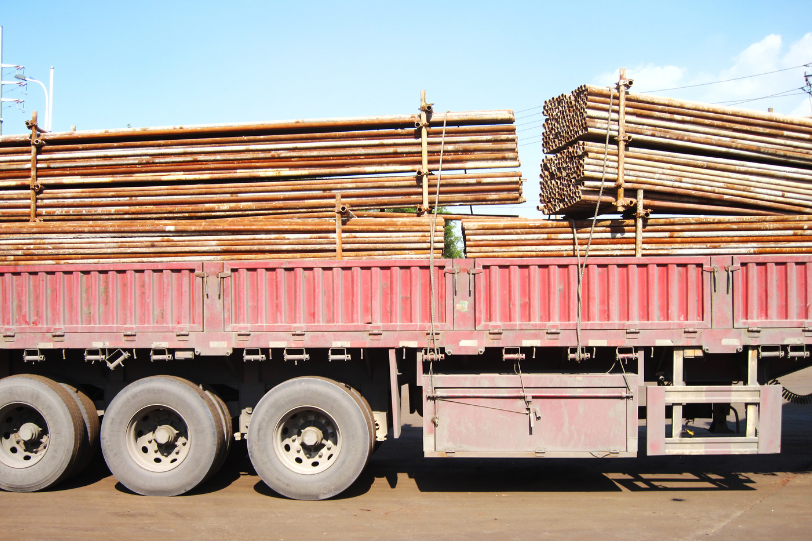
Why Overloading Makes Trucks Extremely Dangerous
Overloading a truck isn’t just a regulatory issue—it drastically increases the risk of catastrophic crashes. Here’s why these trucks become so dangerous
- Extended Stopping Distance – Every 10,000 extra pounds can add hundreds of feet to braking distance, overwhelming even new discs and ABS.
- Brake Fade and Failure – Heavier loads force brakes to absorb excessive kinetic energy, overheating pads, and boiling hydraulic fluid.
- Tire Blowouts – Axle loads above manufacturer limits heat tires beyond design temperature, leading to tread separations that trigger swerves or rollovers.
- Suspension and Steering Stress – Springs sag and bushings deform, reducing stability and steering response.
- Bridge and Roadway Damage – Overweight trucks fracture expansion joints and create tire‑edge breaks that imperil other motorists.
- Top‑Heavy Instability – Over‑height stacks raise the center of gravity, increasing rollover likelihood on ramps and curves.
- Cargo Shift – Excess weight can crush dunnage, loosen tie‑downs, and send freight sliding during lane changes.
- Mechanical Overstress – Drivelines, gearboxes, and axles crack under loads they were never engineered to bear.
- Regulatory Blind Spots – Rural “fly‑by” routes lack weigh stations, enabling chronic overloaders to escape detection.
Key Causes of Overloaded Truck Accidents
- Shipper or Broker Pressure
Freight brokers promise “full truckload” rates, cramming extra pallets to cut per‑unit costs. - False Bill of Lading Weights
Shippers underreport cargo mass to dodge overweight fees or to meet carrier rate brackets. - Improper Load Distribution
Even within weight limits, stacking too far forward or aft overloads specific axles, impairing braking and steering. - Tarp‑Covered “Phantom” Freight
Sand, scrap, or gravel haulers pile above side walls; inspectors can’t see excess under tarps. - Driver Complicity
Paid by the load, some drivers accept overweight cargo to maximize income. - Broken or Bypassed Scales
Carriers route trucks around weigh stations or use off‑site scales with forged calibration stickers. - Maintenance Neglect
Worn brake drums and thin pads can’t handle even legal loads, let alone excess tonnage. - Agricultural Harvest Rush
Grain trucks during harvest season often exceed limits to reach elevators before closing. - Landfill and Construction Debris Runs
Contractors overfill dump trucks to reduce trips; local roads buckle under the weight. - International Container Mismatch
Overseas cargo loaded by metric weight exceeds U.S. axle limits once container cranes place it on a chassis.
Catastrophic Injuries Linked to Overloaded‑Truck Crashes
When an overloaded truck crashes, the force involved can cause devastating, life-changing injuries. Below are the most common.
- Traumatic Brain Injuries – Head impacts with steering wheels, roofs, or road surface amid rollover or underride.
- Spinal Cord and Vertebral Fractures – High‑energy collisions compress or sever spinal columns, causing paralysis.
- Crush Injuries and Amputations – Collapsed passenger cabins, flying steel coils, or flattened vehicles sever limbs and crush torsos.
- Severe Burns – Fuel tank ruptures ignite massive fires; chemicals spill and produce toxic smoke.
- Multi‑System Organ Failure – Massive blunt trauma ruptures spleens, livers, lungs, and hearts.
- Orthopedic Shatter Injuries – Pelvic, femur, and tibia fractures from dashboard intrusion.
- Internal Bleeding – Hidden hemorrhaging within the abdomen or skull.
- Psychological Trauma – Survivors face PTSD, depression, and anxiety.
- Wrongful Death – Immediate fatalities or later deaths from complications and infections.
Victims often require ICU care, multiple reconstructive surgeries, prosthetic limbs, lifelong physical therapy, and extensive counseling.
Liable Parties in Overloaded‑Truck Cases
- Motor Carrier / Trucking Company – Permitted or encouraged overweight hauling; faulty safety management.
- Shipper / Freight Broker – Misrepresented cargo weight; failed to verify scale tickets; pressured the carrier.
- Warehouse Loaders – Packed trailer beyond Gross Vehicle Weight Rating (GVWR) or unevenly distributed cargo.
- Driver – Accepted overloaded freight or bypassed weigh stations; ignored out‑of‑service orders.
- Maintenance Contractors – Neglected brake upkeep, tire replacement, or suspension repair.
- Scale operators and Companies responsible for Equipment Accuracy – Certified inaccurate equipment enabling overloads.
- Vehicle and Component Manufacturers – Brake, tire, or axle defects that exacerbate overload consequences.
- Government Agencies – Failed to enforce weight limits despite prior violations; notice deadlines apply.
- Corporate Logistics Chains – “Just‑in‑time” delivery pressures leading to overweight dispatches.
Legal Grounds for Compensation After an Overloaded Truck Crash
Holding all responsible parties accountable requires understanding the legal theories behind these claims.
- Negligence and Negligence Per Se – Violations of weight statutes constitute breach of duty.
- Respondeat Superior – Carriers are liable for the driver’s actions within the employment scope.
- Broker/Shipper Liability – Under federal law (49 U.S.C. § 14704), brokers can be sued for safety‑rule breaches.
- Negligent Hiring and Retention – Carriers employ drivers with a history of overweight citations.
- Product Liability – Brake or tire failures triggered by overload but exacerbated by design defects.
- Spoliation Claims – Destruction of scale tickets, ELD weight readings, or surveillance video.
- Punitive Damages – For willful overweight hauling, falsified logs, or tampered scales.
- Wrongful Death – Recover funeral costs, future earnings, and loss of companionship.
- Insurance Bad‑Faith – Insurers delaying or denying clear liability claims.
Statutes of limitation run from 1 to 4 years, depending on the state. Check your state’s current statute of limitations, as these laws can change, and missing the deadline could prevent you from filing a claim.
Crucial Evidence in Overloaded‑Truck Litigation
- Bills of Lading and Weight Tickets – Show declared vs. actual weights; reveal falsification patterns.
- ELD and Telematics Logs – Modern trucks record gross and axle weights from onboard scale sensors.
- Weigh‑Station Records – Entry/exit timestamps and weight readings; gaps indicate bypasses.
- Cargo Photos and Loading Dock CCTV – Visual proof of overheight stacks or excessive pallet counts.
- Maintenance and Brake‑Adjustment Logs – FMCSA‑required records highlight skipped inspections.
- Driver Handbooks and Company Policies – Demonstrate carrier culture tolerating overweights.
- Dispatch Communications – Emails or texts urging drivers to avoid scales or “roll heavy.”
- Accident‑Scene Measurements – Skid lengths, crush profiles correlate with excessive mass.
- Black‑Box (ECM) Data – Pre‑collision speed, brake pressures, and throttle position.
- Weather and Road‑Condition Reports – Expose added danger of high weight on wet or steep grades.
The Injury Helpline attorney teams issue immediate preservation letters and, when necessary, emergency injunctions to seize trucks and paperwork before carriers “clean house.”
Common Defenses and How to Challenge Them
- Blaming a Tire Blowout or Mechanical Failure – Plaintiffs show overload stress precipitated the failure; experts trace fatigue cracks to weight beyond ratings.
- Pointing at Another Driver’s Sudden Stop – Dash‑cam and ECM data reveal that legal‑weight trucks could have stopped; overload made the collision inevitable.
- Compliance Claims – Defendants present forged scale tickets; forensic ink analysis and mismatched data expose fraud.
- Driver as Independent Contractor – Carriers are still liable under federal negligent‑selection rules and often exert control that establishes employment.
- Act of God (Steep Grade or Weather) – Manuals instruct drivers to gear down; overweight magnifies hill dangers, demonstrating negligence.
- Bankruptcy or Shell Companies – Lawyers trace assets to parent enterprises, insurance layers, and shipper indemnity clauses.
- Preemption Arguments – FMCSA rules do not shield carriers from state tort claims that advance safety.
Damages Victims Can Recover
- Past and Future Medical Bills – Surgeries, rehabilitation, prosthetics, medications, psychological therapy.
- Life‑Care Planning – Home modifications, attendant care, mobility aids.
- Lost Wages and Earning Capacity – Payroll records and economic projections.
- Pain, suffering, and emotional distress – Physical agony, PTSD, disfigurement.
- Property Damage – Vehicle replacement, personal belongings, towing, storage.
- Punitive Damages – For deliberate overloading, falsified weight records, or scale bypass schemes.
- Wrongful‑Death Damages – Funeral costs, loss of financial support, parental guidance, and companionship for surviving relatives.
FAQs About Overloaded Truck Accident Claims
- How do we prove the truck was overloaded if debris is cleared? Expert teams analyze brake temperatures, axle‑housing fractures, and ECM weight sensors; subpoenas secure scale tickets and shipper records.
- Can the shipper really be sued for overloading? Yes. Courts increasingly hold shippers and brokers liable when they knowingly exceed weight limits or misdeclare cargo.
- What if the truck company “lost” the weight tickets? Spoliation sanctions can lead courts to presume the missing records were unfavorable to the defense, strengthening the victim’s legal position.
- Does FMCSA allow any overweight exemptions? Only limited agricultural or emergency exemptions—never unlimited. Exceeding axle limits remains unsafe and illegal.
- When should I call The Injury Helpline? Immediately. Trucks move on, evidence disappears, and insurers start defending within hours. The Injury Helpline answers 24/7 to protect your rights.
What Are the Federal Weight Limit Regulations for Trucks?
Federal law strictly caps how much freight a truck can legally haul on interstate highways. The big number: 80,000 pounds gross vehicle weight for the total rig, including truck, trailer, cargo, and fuel. But there are crucial axle-specific rules, too. Each single axle is limited to 20,000 pounds, and any tandem axle group cannot exceed 34,000 pounds, as outlined in the Federal Bridge Formula.
States occasionally grant overweight permits for certain non-divisible loads—think industrial equipment or bridge beams that can’t be split—but these are exceptions, not the rule. Routine over-the-limit hauls violate both federal and state regulations, creating serious crash risks and legal exposure.
Preventing Overloaded Truck Accidents
Shippers and Brokers
- Invest in certified scales; refuse to tender overweight loads.
- Train staff on federal weight regulations and load‑securement.
- Penalize clients who insist on excess cargo.
Carriers and Drivers
- Weigh every load; refuse dispatch if over limit.
- Maintain brakes, tires, and suspensions per FMCSR.
- Use onboard axle‑weight sensors and alarms.
- Plan routes through open weigh stations.
Regulators and Law Enforcement
- Increase random roadside portable‑scale inspections.
- Mandate ELD weight‑sensor integration.
- Escalate fines for repeat offenders and revoke operating authority if necessary.
Passenger‑Vehicle Drivers
- Give trucks room, especially downhill.
- Observe “no‑zone” blind spots.
- Report visibly sagging or leaning trailers to the state patrol.
Immediate Steps After an Overloaded‑Truck Crash
What you do after the crash can directly impact your recovery and your ability to pursue a claim. Take these steps as soon as possible.
- Call 911 – Report injuries, hazmat spills, and blocked lanes.
- Seek Medical Care – Internal injuries and concussions can be hidden.
- Move to Safety – Secondary impacts and fuel fires loom.
- Document Evidence – Photos of DOT numbers, cargo spills, skid marks, and vehicle damage.
- Collect Witness Contacts – Truckers, motorists, EMS personnel.
- Decline Recorded Insurer Statements – Wait for legal counsel.
- Preserve Damaged Items – Phones, car seats, clothing.
- Contact The Injury Helpline – Attorneys initiate preservation letters, arrange independent vehicle inspections, and coordinate medical lien management.
How The Injury Helpline Supports Crash Victims
- 24/7 Human Response – Real professionals
- Free Comprehensive Case Review – Explore every liability layer—driver, carrier, shipper, broker, manufacturer—at no cost.
- Trucking‑Litigation Experts – Attorneys with FMCSA insight, black‑box expertise, and multi‑million‑dollar verdict records.
- Elite Forensic Resources – DOT‑certified reconstructionists, brake engineers, metallurgists, toxicologists, and life‑care planners.
- Contingency‑Fee Model – No attorney fees unless we win.
- Holistic Recovery Support – Medical‑lien reductions, structured‑settlement planning, grief counseling referrals, and financial advisement.
Overloaded trucks transform highways into minefields—one overweight rig can erase a family’s future in seconds. These crashes aren’t accidents; they’re the foreseeable result of cost‑cutting shippers, negligent carriers, and drivers pressured to haul “just a little more.” When brakes overheat, tires explode, or suspensions buckle, the devastation is measured in lives lost and communities scarred.
If you or a loved one has been injured—or worse—in a crash involving an overloaded truck, swift action is paramount. Preserve evidence, secure medical evaluation, and enlist attorneys who understand the weight charts, electronic logs, and deceptive paperwork behind these tragedies.
The Injury Helpline, open around the clock for a free consultation, connects victims nationwide with proven advocates who will identify every potentially liable party and seek full compensation on your behalf. for your pain, losses, and future security. Together, we can lighten the load for you and the highways we share.