
When a Food Delivery Goes Wrong
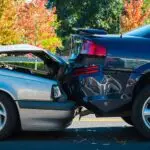
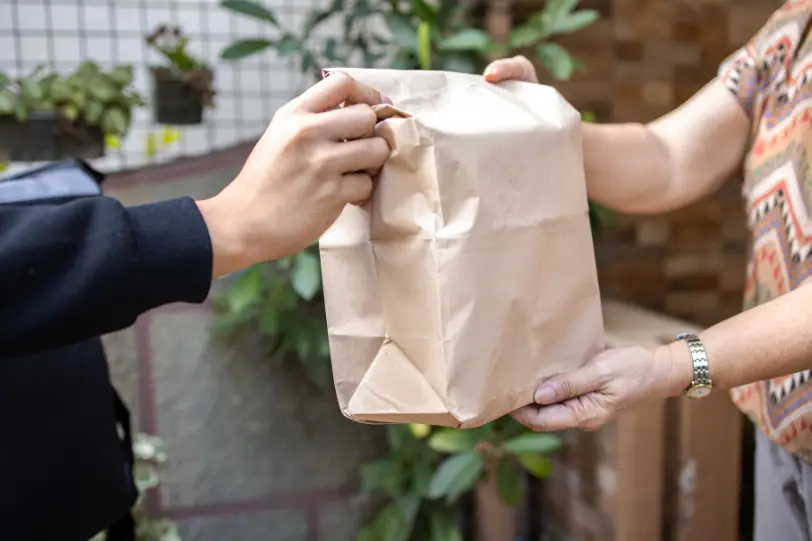
You never expect your meal delivery to end with sirens or shattered glass. But food delivery drivers—hurrying to meet deadlines or juggling orders—are part of the modern road landscape. When something goes wrong, the result is confusion and stress for everyone involved. If you’ve been injured in a delivery accident, you might feel overwhelmed by pain, paperwork, and worries about what happens next. Here’s what every victim should know, in plain language, so you can get the help and answers you need.
The Hidden Toll: Life After a Delivery Crash
No one’s prepared for how much a sudden accident can disrupt life. Whether you’re another driver, a passenger, a cyclist, or a pedestrian, being hit by a delivery vehicle brings more than just physical pain. There’s lost time at work, medical bills, and the frustration of dealing with insurance companies that seem to put up roadblocks at every turn. Recovery isn’t just about healing physically—it’s about putting your life back together, piece by piece.
Who’s Really at Fault in Delivery Accidents?
Figuring out who’s responsible in a delivery accident can be complicated. Sometimes the driver was speeding to make a delivery deadline. Other times, another vehicle, distracted pedestrian, or poor road conditions played a part. The law considers:
- Was the delivery driver working or off-duty?
- Did another driver or outside factor contribute?
- Are multiple parties involved?
Responsibility is rarely clear-cut, but it’s critical to investigate every angle so you can pursue the right claims.
Decoding the Insurance Maze in Food Delivery Crashes
Delivery drivers often rely on a patchwork of insurance policies. Most companies provide some level of insurance, but only under strict circumstances—usually when the driver is logged into their app and actively working. If not, the driver’s car insurance may apply, but these policies often exclude commercial activity. Victims can find themselves in a loop, with personal and company insurers each pointing the finger elsewhere. Persistence, documentation, and sometimes legal muscle are required to cut through the red tape.
How Claims Work After a Delivery Driver Accident
Filing a claim is about telling your story with evidence. You’ll need to:
- Notify the police and insist on an accident report.
- Collect medical records, witness information, and photos of the scene.
- Alert every possible insurance carrier, both personal and company-related.
If more than one vehicle was involved, you may have to file with several insurers. Keeping all paperwork organized and communicating quickly is essential for a smooth process.
Mistakes That Can Cost Victims and How to Avoid Them
It’s natural to want to move on fast, but many victims make costly mistakes:
- Downplaying injuries or skipping medical care
- Admitting fault or apologizing at the scene
- Accepting a quick settlement before the real costs are clear
- Failing to document every expense and conversation
The biggest mistake? Settling before you know what your recovery will actually require. Take your time, ask questions, and don’t be pressured into signing away your rights.
What You’re Entitled to Recover After a Crash
If you’ve been hurt, the law entitles you to compensation for much more than just your first medical bills. You may be able to claim:
- All current and future healthcare expenses
- Lost earnings and work opportunities
- Pain, suffering, and reduced quality of life
- Emotional harm, like anxiety or trauma from the accident
Don’t let anyone convince you otherwise—every loss matters, and you deserve full compensation.
Legal Support: Why It’s So Hard to Go It Alone
Insurance companies are built to protect their own bottom lines—not yours. They use trained adjusters, complex contracts, and delay tactics to minimize payouts. Handling a delivery crash claim on your own is possible, but you’re at a real disadvantage. Legal professionals know the loopholes, the timelines, and the pressure points that can mean the difference between a token payout and true justice. Even one free consultation can help you see your situation—and your rights—more clearly.
How The Injury Helpline Gives You the Advantage
This is where The Injury Helpline comes in. It’s a free service designed to help injury victims connect with knowledgeable lawyers who have seen every trick and stall tactic in the book. When you reach out, you’ll be matched quickly and confidentially with legal professionals who understand delivery accident claims. There’s no cost to you, and you’re under no obligation to move forward after your first consultation. You get real answers, real options, and the peace of mind that comes from not being alone in your fight.
Frequently Asked Questions (FAQs) About Food Delivery Accidents
1. What insurance covers a delivery driver’s accident?
It depends on whether the driver was working, off-duty, or in between. Both company and personal policies may be involved—sometimes, both try to deny coverage.
2. Can I recover lost wages and emotional distress?
Yes. You can seek compensation for time missed at work, future income losses, pain, suffering, and even mental health impacts.
3. Do I have to call the police?
Always. An official accident report makes your claim much stronger and helps avoid disputes.
4. What if more than one driver caused the accident?
You may file claims against all responsible parties’ insurers. Legal help can coordinate these claims and boost your results.
5. Is The Injury Helpline really free?
Yes, there’s no charge for the service and no obligation to hire any lawyer you consult through it.
6. What’s the top mistake to avoid?
Settling before you know the full cost of your injuries, or failing to document every detail.
A food delivery accident can disrupt everything in an instant, but you don’t have to face the aftermath alone or confused. You have rights—real, meaningful rights. Don’t rush the process, don’t accept less than you deserve, and don’t hesitate to get help. Services like The Injury Helpline exist to make sure you’re never outgunned by big insurance or lost in paperwork. The path to recovery starts with knowledge, confidence, and support. Take the next step for yourself and your future.