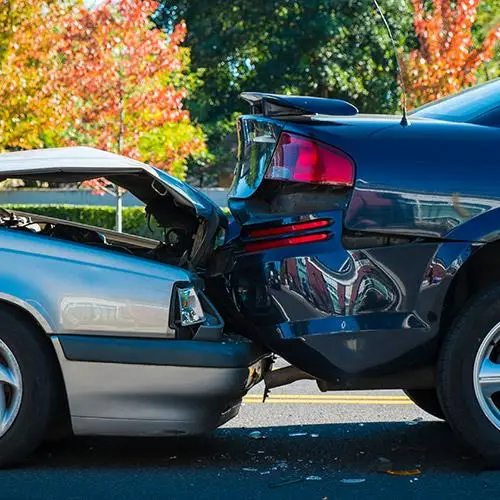

Car accidents are unfortunately not uncommon and often result in serious injury, death, and emotional trauma. Understanding these accidents’ leading causes is essential for preventing and cultivating safe driving habits.
Explore with me the five major causes of car accidents in the United States and offer practical advice on preventing them.
1. Distracted Driving
Distracted driving is one of the leading causes of car accidents in the United States, and it is a rapidly growing problem due to the proliferation of mobile devices. Anything that takes your attention away from driving (texting, eating, talking on the phone, adjusting the radio, reaching for something, even talking to passengers…) can lead to an accident.
Drivers should keep their attention solely on the road. Mobile devices should be turned off or set to ‘do not disturb’ while driving. If a call or text message is urgent, pull over before responding.
2. Speeding
Speeding is another leading cause of car accidents. High speeds reduce a driver’s ability to steer around curves or objects in the roadway safely, increase the distance needed to stop a vehicle, and increase the distance a vehicle travels while the driver is responding to a dangerous situation.
Drivers should always obey the posted speed limits and reduce their speed in bad weather or heavy traffic.
3. Drunk Driving
Driving under alcohol is a known and significant cause of car accidents. Alcohol impairs cognitive and motor skills, reduces reaction time, and increases the likelihood of accidents.
The safest strategy is not to drink and drive. If you plan to drink alcohol, designate a sober driver in advance or arrange for a cab or ride.
Driving Under the Influence of Drugs
It’s important to remember that alcohol isn’t the only substance that can dangerously impair your driving abilities—prescription medications, over-the-counter remedies, and illegal drugs can all have a significant, and sometimes unpredictable, impact on your capacity to operate a vehicle safely.
Drugs affect the brain and body in different ways, often slowing reaction times, clouding judgment, and diminishing coordination. Even medications that seem harmless—like certain allergy pills or cold remedies—can cause drowsiness or delayed reflexes. Illegal substances and some prescription drugs can affect focus, perception, and decision-making, dramatically increasing your risk of causing an accident.
The bottom line: If you’re taking anything that might influence your attention, reaction speed, or motor skills, it’s best to avoid getting behind the wheel. Always check your medications for warnings about driving—when in doubt, consult your doctor or pharmacist.
4. Reckless Driving
Reckless driving, such as tailgating, changing lanes without a turn signal, or running red lights, contributes to many traffic accidents. These behaviors are often due to impatience, annoyance, or disregard for the safety of others.
Drivers should use defensive driving techniques, remain calm, and be aware of other road users. Always signal your intentions and give other drivers room to react. You can check out our article here for a deeper dive into this topic.
Road Rage
Road rage is another dangerous factor behind many car accidents. When frustration or anger bubbles over behind the wheel, some drivers may lash out by tailgating, cutting off others, or making sudden, aggressive maneuvers. These behaviors create an unpredictable and hostile environment on the road, increasing the risk of collisions.
To avoid becoming part of the problem, try to stay calm, keep a safe distance from aggressive drivers, and don’t respond to provoking behavior. Remember, giving in to anger only puts you and everyone else at greater risk. Defensive driving and a cool head are always safer bets.
Street Racing
Street racing is closely linked to some of the most catastrophic accidents on American roads. When drivers engage in illegal races, they often push their cars well beyond safe speed limits, with engines straining and rubber burning at speeds designed for professional tracks, not city streets.
This reckless behavior leaves almost zero margin for error. At such high velocities, drivers have little time to react, and even the smallest miscalculation can lead to a devastating collision. The consequences are typically severe, with a much higher risk of fatalities and life-altering injuries compared to accidents at legal speeds.
To stay safe, steer clear of any kind of street racing activity and always report dangerous driving to local authorities if you observe it.
5. Weather Conditions
Poor weather conditions, such as rain, fog, ice, or sno,w can significantly increase car accident risk by reducing visibility and grip.
In bad weather, drivers should slow down, maintain a safe distance from the vehicle ahead, and use headlights appropriately. It may be best to postpone driving in bad weather until conditions improve.
What To Do If You’ve Been Injured in a Car Accident
Suddenly finding yourself injured from a car accident can be overwhelming. Here’s a step-by-step guide to navigate the situation effectively:
- Seek Medical Attention: Your health is the top priority. Visit a doctor or hospital immediately, even if injuries seem minor. Some symptoms may not be apparent right away and timely medical documentation is essential for any future claims.
- Document the Scene: If you’re able, take photos of the accident scene, your injuries, and any damage to your vehicle. Evidence is crucial for insurance and legal purposes.
- Contact Law Enforcement: Make sure to file an accident report with the police. This official record can be important for insurance claims and any potential legal proceedings.
- Exchange Information: Gather contact and insurance details from all parties involved in the accident. Include contact information for any witnesses as well.
- Notify Your Insurance Company: Report the accident to your insurer as soon as possible to start the claims process. Be clear and factual in your account.
- Consult a Personal Injury Attorney: To understand your rights and options for recovering damages, consider reaching out to a legal professional specialized in personal injury cases. Attorneys often offer consultations at no cost and can meet you wherever is most convenient, whether that’s your home, hospital, or their office.
Driver Fatigue
Driver fatigue is an often-overlooked hazard on the road, but its impact can be just as severe as other causes. When a driver is tired, their reaction times grow sluggish, attention drifts, and decision-making becomes impaired—all of which can lead to devastating accidents.
Fatigue is particularly dangerous at night, when our bodies are naturally wired to want rest. Drowsy drivers may have difficulty keeping their eyes open, struggle to focus on the road, or even briefly nod off without realizing it. These “microsleeps” can last just a few seconds, but that’s enough time to veer out of a lane or miss a stoplight.
To reduce the risk of fatigue-related accidents:
- Avoid driving late at night or during hours you’d normally be asleep.
- Take regular breaks on long drives—every two hours is a good rule of thumb.
- If you feel yourself getting drowsy, pull over somewhere safe and rest before continuing your journey.
Being well-rested is one of the simplest, most effective steps you can take to protect both yourself and others on the road.
Teenage Drivers
Teenage drivers face unique challenges on the road that make them more prone to accidents. Inexperience behind the wheel means they haven’t yet developed the instinctive responses that come with years of driving. This lack of familiarity can lead to split-second errors in judgment—hesitating at busy intersections, misjudging distances, or struggling to adapt to changing traffic conditions.
Additionally, teens are statistically more likely to engage in risky behaviors such as speeding, texting while driving, or carrying extra passengers, all of which increase the risk of a crash. Combine these factors, and it’s clear why new and young drivers need extra caution, regular practice, and strong supervision on the road. Parents can help by setting clear rules, limiting nighttime driving, and encouraging defensive driving habits from the start.
Awareness of these common causes of car accidents and adherence to preventive measures can significantly reduce the likelihood of being involved in an accident. By prioritizing safety and driving responsibly, we can help make the roads safer for all users. You can get a free consultation if you have been involved in a car accident and need legal assistance.