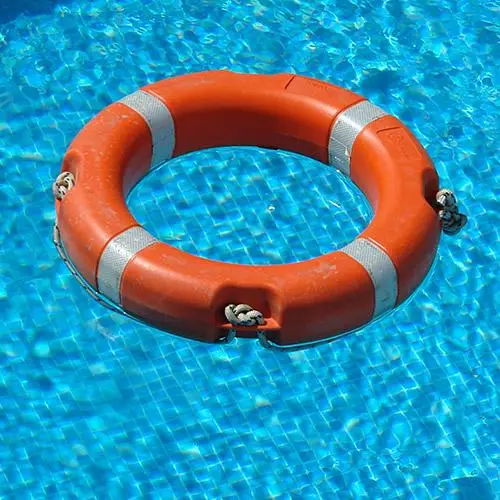

Swimming pool-related accidents can range from minor slips and falls to serious incidents such as drowning or electrocution. The good news is that the proper precautions can prevent many of these accidents. Understanding these risks and taking proactive measures can significantly reduce the likelihood of accidents and ensure a safer environment for all swimmers.
We will look closer at the most common causes of pool accidents and offer practical tips on avoiding them so you and your loved ones can enjoy the pool safely. By identifying potential hazards and implementing safety measures, you not only protect swimmers but also create a more enjoyable and worry-free pool experience.
Here’s how understanding these risks can help:
- Awareness: Knowing the common dangers associated with pools helps you remain vigilant.
- Preventive Actions: Implementing safety measures, like installing barriers and using non-slip surfaces, can minimize risks.
- Emergency Preparedness: Being equipped with the knowledge to handle emergencies can make a critical difference.
By integrating these insights into your pool safety plan, you can help ensure that your time by the water is both fun and safe.
Statistics on Swimming Pool-Related Injuries in the U.S.
In recent years, swimming pool-related injuries have been a significant concern across the United States. Let’s delve into the numbers to paint a clearer picture.
Emergency Room Visits
The U.S. Consumer Product Safety Commission highlights that each year, an average of 4,900 individuals require emergency medical attention due to injuries incurred in swimming pools or spas, based on data from 2011 through 2013.
Child Injury and Rescue Rates
The Centers for Disease Control (CDC) provides a startling statistic: for every child drowning incident in the U.S., there are five others who receive emergency treatment for injuries sustained in swimming pools. This emphasizes the high frequency of non-fatal yet serious incidents involving children.
Where Do These Injuries Occur?
A deeper look into the locations of these injuries reveals:
- Residential Pools: A significant 47% of these incidents take place at home pools.
- Public Pools or Spas: 27% occur at public facilities.
- Unspecified Locations: The remaining 26% lack specific location data.
Severity of Injuries
The aftermath of these incidents can be severe:
- Over half of those treated for drowning-related incidents in emergency rooms require hospitalization or further care at a different facility.
- Non-fatal drownings can inflict serious brain injuries, leading to long-term cognitive issues, such as memory and learning disabilities.
Financial Impact
The financial burden following a near-drowning event is substantial:
- For children 14 and younger, initial hospital costs can exceed $8,000. Should long-term care be needed, expenses might escalate to over $250,000 annually.
- In cases of brain damage, the total lifetime cost could reach $5.5 million, factoring in medical treatments, lost work, and quality of life impacts.
These statistics highlight the critical need for vigilance and safety measures around swimming environments to reduce risks and prevent tragedies.
What is the Global Impact of Drowning as a Cause of Unintentional Death?
Drowning poses a significant threat worldwide, standing as a major cause of unintentional fatalities. Each year, an alarming number of lives are lost to drowning incidents globally, with the toll reaching into the hundreds of thousands.
This tragic statistic underscores the urgent need for preventive measures and raises awareness about water safety. The widespread occurrence of these incidents across various regions highlights the universal vulnerability, regardless of age or geographical location.
Addressing this issue through education and effective safety protocols could save countless lives and reduce the prevalence of such preventable deaths.
Slip and Fall Accidents
Slip and fall accidents near swimming pools are commonplace and often result in minor injuries such as bruises, sprains, or worse, broken bones and head injuries. These accidents usually occur when pool floors, ladders, and diving boards become wet and slippery.
Prevention Tips:
- Install slip-resistant surfaces: Consider installing non-slip surfaces around the pool area to reduce the risk of slip and fall accidents.
- Encourage walking: Insist that bather walk around the pool, not run.
- Keep the area clear: Ensure the pool area is free of tripping hazards such as toys, pool equipment, and
Lack of Supervision
Unfortunately, drowning is one of the leading causes of unintentional death, especially among young children, and lack of supervision often plays a significant role in such accidents.
How Do Poor Swimming Skills Increase the Risk of Drowning?
Poor swimming abilities significantly elevate the risk of drowning, particularly among children and inexperienced swimmers. When individuals lack essential swimming skills, they have a reduced capacity to handle unexpected situations in the water, such as sudden changes in depth or strong currents.
Reasons Subpar Swimming Skills Contribute to Drowning:
- Inability to React Quickly: Without fundamental swimming techniques like floating or treading water, individuals struggle to stay afloat when needed.
- Lack of Confidence: Inadequate skills can lead to panic, which often results in rapid breathing and exhaustion, increasing the chance of drowning.
- Inexperience with Pool Safety: Those who have not learned to swim typically miss out on crucial water safety knowledge, such as recognizing dangerous conditions and knowing when to avoid entering the water.
- Limited Survival Skills: Essential life-saving skills, like knowing how to navigate through water currents or how to call for help, are often not instinctively known and need to be taught.
By providing proper swimming education and safety training, the risk of drowning can be significantly reduced. Learning these skills not only enhances confidence in the water but also equips individuals with the tools needed to ensure their safety and that of others.
Prevention Tips:
- Supervise swimming activities: Always have an adult supervise children when swimming or playing in the pool.
- Teach swimming: Take lessons at a young age to teach children essential water safety precautions.
- Teach safety rules: Ensure children know the importance of staying within an adult’s reach in the pool.
- Install safety measures: Consider installing fences, alarms, or self-closing gates that alert you if someone enters the pool area.
Statistics on Nonfatal Swimming Pool Injuries Among Children
Swimming pools, while a source of fun, can also pose significant dangers to children. For every tragic drowning incident involving a child in the U.S., five others require emergency medical care due to swimming-related injuries.
Where Do These Injuries Occur?
- Residential Pools: Nearly half, around 47%, of these injuries happen in swimming pools located in private homes.
- Public Pools and Spas: About 27% occur at public facilities, including community pools and spas.
- Unspecified Locations: The remaining 26% of reported injuries do not specify the location.
Severity and Impact of Injuries
Nonfatal injuries in swimming pools can be incredibly severe, often requiring extensive medical attention:
- Hospitalization: Over half of the children treated in emergency rooms for drowning incidents are either admitted to the hospital or transferred for specialized care.
- Long-term Health Issues: These injuries can lead to serious brain damage, affecting memory, learning abilities, and overall development.
Economic Costs of Nonfatal Drowning Injuries
- Initial Treatment Costs: For victims aged 14 and younger, initial medical expenses can exceed $8,000.
- Long-term Care Expenses: Costs can skyrocket to over $250,000 annually if ongoing medical care is needed, especially if brain damage is involved.
Understanding these statistics underscores the importance of safety measures around swimming areas to protect children from nonfatal but severe injuries.
The Impact of Drowning on Young Children
Drowning is a devastating and leading cause of accidental death in young children, especially those between ages 1 and 4. It’s a grim reality that underscores the importance of vigilance and safety around water environments.
Alarming Statistics and Facts
Understanding the scope of this issue involves looking at the data:
- Prevalence Among Toddlers: Unfortunately, drowning ranks as the top reason for unintentional fatalities in children under 5. Most incidents occur in swimming pools, highlighting the attraction and danger these water bodies pose.
- Gender Disparity: Boys younger than 15 face a higher risk, being twice as likely to be involved in fatal drownings compared to girls. This suggests possible differences in behavior and activity levels near water.
- Residential Pools: A significant 74% of fatal drowning incidents happen in residential settings. This makes home pools a critical focal point for prevention efforts.
- Age-Specific Vulnerability: Children under 3 are particularly vulnerable, with 67% of pool drowning deaths affecting this age group. Their natural curiosity combined with limited swimming skills makes them susceptible.
- Nonfatal Incidents: From 2015 to 2017, a noteworthy number of children—6,500 under the age of 15—required emergency treatment for pool-related injuries. These incidents can result in long-term health consequences, sometimes as severe as brain damage from prolonged submersion.
The Severity of Outcomes
For every child who dies from drowning, many more receive emergency care for nonfatal submersion injuries. Such incidents can result in severe health issues, including developmental delays and physical disabilities arising from brain damage due to oxygen deprivation.
Safety Measures
To mitigate these tragic incidents, implementing safety measures is crucial. This includes securing residential pools with barriers, supervising children vigilantly, and ensuring water safety education. Awareness and prevention can significantly alter these sobering statistics and protect young lives.
By confronting this issue with informed action, we can work towards a future where children play and swim safely, reducing the risk of drowning significantly.
Effectiveness of Four-Sided Fencing in Preventing Drowning
Implementing four-sided fencing around swimming pools is a highly effective safety measure. This type of enclosure can lower the risk of drowning by approximately 80% when compared to pools that only have three-sided barriers. This statistic highlights the significant benefit of a fully enclosed pool area in safeguarding against accidental drownings. By ensuring that access to the pool is restricted on all sides, children and vulnerable individuals are much less likely to enter the pool area unsupervised, thereby dramatically reducing the chance of tragic accidents.
Diving Accidents
Diving into shallow water or diving without knowing the depth of the pool can result in serious injuries, including head, neck, and spinal cord injuries.
What Role Does Alcohol Use Play in Water Recreation Injuries and Deaths?
Alcohol is a significant factor contributing to accidents and fatalities in water-related activities. When alcohol is consumed, it impairs judgment, balance, and coordination, which are crucial for safely navigating any aquatic environment. This impairment can lead to risky behaviors and a slower reaction time, making it more difficult to respond to emergencies in or near the water.
Increased Risk of Accidents
Alcohol and drugs further impair a swimmer’s ability to assess situations accurately. Under the influence, individuals are more likely to take dangerous risks, such as diving into shallow water or overestimating their swimming abilities. This can lead to serious injuries or drownings. The difficulty in recognizing one’s own limits is a critical factor that dramatically increases the risk of accidents.
Staggering Statistics
In fact, statistics reveal that alcohol is involved in up to 70% of incidents related to water recreation, including both injuries and deaths. This stark figure, supported by data from the Centers for Disease Control and Prevention (CDC), underscores the dangers of mixing alcohol with activities such as swimming, boating, or water sports.
Fatigue and Response Time
Additionally, substances can obscure an individual’s ability to gauge fatigue levels, further increasing the likelihood of accidental drownings. When a person cannot accurately assess their energy or alertness, their capacity to handle emergencies diminishes significantly.
Preventative Measures
The presence of “no alcohol” signs near pools and beaches serves as a constant reminder of these risks. By avoiding alcohol during water-based activities, individuals can significantly reduce their chances of being involved in serious accidents.
Incorporating these considerations into your water safety plan can make aquatic environments safer for everyone involved.
Prevention Tips:
- Mark the depth of the pool: indicate the depth of the pool and designate a no-dive zone in shallow areas.
- Educate swimmers: Make sure swimmers know the risks associated with headfirst diving and know safe diving practices.
- Springboard safety: Inspect springboards regularly for wear and tear and ensure they are used responsibly.
Electrical Hazards
Electrical hazards around pools can cause serious accidents and injury or even death. Faulty wiring, underwater lighting, and electrical equipment near the pool pose a significant risk.
These hazards can tragically occur when electrical components like lighting, pumps, or heaters are improperly installed or malfunction. One common scenario involves underwater lights that short-circuit, electrifying the water and posing a fatal risk to swimmers. Such incidents often result from faulty wiring or using non-waterproof electrical devices near water.
Prevention Tips:
- Regular electrical inspections: Hire a licensed electrician to inspect and maintain your pool’s electrical system regularly. This proactive measure ensures that any potential issues are identified and resolved before they become dangerous.
- Use GFCI outlets: Implement GFCI (Ground Fault Circuit Interrupter) outlets for all electrical equipment near the pool to prevent electrical shock. These outlets are designed to cut off power quickly in the event of a fault, minimizing the risk of electrocution.
- Keep electrical equipment away: Do not use or place electrical equipment near the pool. Maintaining a safe distance between water and electrical devices is crucial to ensuring swimmer safety.
- Beware of the weather: Avoid swimming during a thunderstorm or lightning strike. Thunderstorms present an additional risk, as lightning can energize water and cause electrocution.
Pool owners should prioritize regular maintenance and adherence to strict installation standards for pool equipment to ensure a safe swimming environment.
What Are the Eight Most Common Causes of Swimming Pool Accidents?
Swimming pool accidents can occur for a variety of reasons. Understanding these common causes can help you take necessary precautions to ensure a safer swimming experience.
- Slips and Falls
Wet and slippery surfaces around the pool can lead to accidental falls. Proper non-slip flooring and consistent monitoring can help prevent these mishaps. - Lack of Supervision
Unsupervised swimmers, especially children, are at a higher risk of accidents. Having a responsible adult or trained lifeguard on duty can significantly reduce this risk. - Inadequate Safety Measures
Failing to install safety features like pool fences, covers, or alarms can leave swimmers more vulnerable to accidents. These tools are essential for preventing unauthorized access and potential drownings. - Risk of Electrocution
Electrical incidents can happen near pools due to faulty wiring or electrical equipment too close to water. Ensuring all electrical devices are properly installed and maintained is crucial. - Influence of Alcohol and Drugs
Impairment from alcohol or drugs can lead to a loss of coordination and judgment while swimming. Promoting a substance-free environment around the pool is key to safety. - Defective Pool Equipment
Faulty ladders, drains, or diving boards can cause injuries. Regular inspections and maintenance can help identify and replace defective equipment before they lead to accidents. - Poor Pool Maintenance
Unclean or poorly maintained pools not only pose health risks but also increase the possibility of slips or entrapments. Routine cleaning and equipment checks are crucial for safe swimming. - Overuse of Chemicals
Excessive use of pool chemicals can lead to harmful reactions or skin irritations. Proper chemical balance and careful handling can prevent these issues while ensuring water safety.
By staying informed about these common hazards and taking preventive measures, you can create a safer environment for everyone enjoying the pool.
What Are the Dangers of Defective Pool Equipment?
Defective pool equipment poses significant hazards, transforming a fun swimming day into a potential catastrophe. The risks involved can be dire, and understanding these dangers is crucial for ensuring the safety of swimmers, especially children.
1. Faulty Drains:
Malfunctioning pool drains can lead to dangerous situations. A defective drain might exert excessive suction, creating a risk of trapping swimmers underwater. This can lead to dire consequences, such as drowning or severe injuries due to panic or the inability to surface for air.
2. Broken Pool Gates:
A pool gate that doesn’t latch properly or is poorly constructed can allow unpermitted access. Children are particularly at risk, as an unsecured gate may enable them to enter the pool area without adult supervision, increasing the chance of accidental drowning.
3. Electrical Hazards:
Improperly installed or maintained electrical equipment, such as pool lights and pumps, can lead to electric shock in the water. This danger is often invisible, making it even more hazardous.
4. Slippery Surfaces:
Defective surfaces or improperly installed anti-slip materials can result in slips and falls, potentially causing serious injuries around the pool area.
5. Chemical Imbalances:
Malfunctioning pool filtration or chemical dispensing systems can lead to imbalanced water chemistry, which may cause skin irritations, respiratory issues, or other health problems.
Being aware of these dangers emphasizes the need for regular maintenance and vigilant supervision, reducing the risk of tragic accidents around the pool. Always ensure pool equipment is in good working order and secure, and consult professionals for any repairs or upgrades needed.
How Defective Pool Equipment Can Lead to Serious Swimming Pool Incidents
Defective pool equipment poses numerous hazards that can lead to serious and sometimes fatal swimming pool incidents. Here’s how:
- Unsafe Drains: When pool drains are faulty, they may create excessive suction. This can trap swimmers, especially children, underwater, leading to potential drowning or severe injury. The powerful suction can make it impossible to escape without external help.
- Broken Pool Gates: A malfunctioning or inadequately secured gate can allow children unsupervised access to a pool area. Without adult supervision, the risk of accidental drowning significantly increases.
- Poorly Designed Diving Boards: Defective diving boards can break or collapse unexpectedly, causing injuries upon impact or leading to serious falls.
- Faulty Filtration Systems: If a pool’s filtration system isn’t working correctly, it can lead to unclear water, making it difficult to see swimmers in distress and increasing the potential for accidents.
Addressing these equipment issues is crucial not only for safety but also for preventing tragic accidents. For those affected by such incidents, consulting a legal expert can provide guidance on seeking compensation.
Risks Associated with Improper Use of Pool Chemicals
When pool chemicals are mishandled, several serious risks can arise that jeopardize swimmer safety.
- Skin and Eye Damage:
- Overuse of chlorine can lead to painful skin irritation and eye burns. Imagine diving into your pool only to emerge with red, itchy skin or burning eyes.
- Respiratory Issues:
- Breathing in high levels of chlorine or other chemical fumes can cause respiratory distress. This is particularly dangerous for individuals with pre-existing respiratory conditions like asthma.
- Chemical Burns:
- Excessive chemical concentrations in the water can result in chemical burns. These burns are not only painful but could lead to long-term skin damage.
- Health Infections:
- Conversely, using too little chlorine might not effectively eliminate harmful bacteria. This increases the risk of contracting infections from the pool water.
- Toxic Gas Release:
- Incorrect handling, such as mixing incompatible chemicals, may release toxic gases. Inhaling these gases can cause serious health issues and endanger everyone nearby.
In short, maintaining the right balance and accurately managing pool chemical levels is critical. Prevent these risks by ensuring precise measurement and application, safeguarding both your pool and its users.
The Hazards of Misusing Pool Chemicals
Improper handling of pool chemicals holds serious risks, both for those maintaining the pool and for the swimmers who use it. Here’s a breakdown of the potential dangers:
- Skin and Eye Irritation:
- Overusing chlorine can lead to painful skin irritations and chemical burns. Eyes can suffer from redness, irritation, and even damage.
- Respiratory Issues:
- High levels of chlorine and other chemicals may produce fumes that, when inhaled, irritate the respiratory tract. This can be particularly harmful to those with preexisting conditions like asthma.
- Bacterial Infections:
- On the flip side, too little chlorine fails to adequately eliminate bacteria. This can lead to infections and illnesses among swimmers.
- Toxic Gas Release:
- Incorrect chemical combinations or high concentrations can result in the release of hazardous gases. These fumes are not only unpleasant but can also pose significant inhalation risks.
- Chemical Burns:
- Direct contact with improperly diluted chemicals can cause burns on the skin, which may require medical attention.
Maintaining the right balance of chemicals is crucial. To ensure safety, regular testing and accurate measuring of pool chemicals are essential. This careful management protects both the health of swimmers and the long-term integrity of the pool itself.
Entrapment Accidents
Entrapment accidents occur when swimmers, especially children, become trapped in pool drains or intakes, which can cause severe injury or even drowning.
How Seizure Disorder Increases Drowning Risk
Individuals with seizure disorders are at an elevated risk for drowning due to the unpredictable nature of seizures. These sudden episodes can impair awareness and control, crucial elements in maintaining safety in water settings.
Key Factors Contributing to the Risk:
- Loss of Consciousness: During a seizure, a person might lose consciousness or have diminished awareness, making it challenging to react quickly or effectively in a water-related situation.
- Physical Limitations: Seizures often cause abrupt and involuntary muscle movements, which can hinder a person’s ability to swim or stay afloat.
- Environmental Exposures: Routine activities like bathing or swimming become potentially hazardous, as a seizure in these situations can lead to immediate submersion without the opportunity to call for help.
- Delayed Assistance: In many cases, seizures occur without immediate warning, giving bystanders minimal time to respond, which heightens the danger if the person is alone or in deep water.
Thus, for those with seizure disorders, even everyday water exposure requires careful planning and supervision to mitigate the increased risk of drowning.
When examining the statistics related to circulation entrapment injuries, several key points emerge from data collected between 2009 and 2013. There were a total of 33 reported incidents of circulation entrapment during this period. Alarmingly, 85% of these incidents resulted in injuries, affecting 28 individuals. Children seem particularly vulnerable, comprising 21 of the victims under the age of 15.
Where Do These Incidents Occur?
- Pools: Nearly half (45%) of the injuries were reported in swimming pools.
- Spas: A significant portion, 33%, occurred in spas.
- Whirlpool Tubs: The remaining 21% were associated with whirlpool tubs.
Moreover, the majority of these entrapment incidents, accounting for 64%, took place in public settings. Understanding these statistics highlights the critical need for enhanced safety measures and awareness to prevent such dangerous occurrences.
Prevention Tips:
- Install drain safety covers: Use drain covers with entrapment protection that meet the latest safety standards to prevent accidents.
- Regular inspections: Inspect these covers regularly to ensure they function properly.
- Alert to the danger: warn swimmers, especially children, about the dangers of playing near drains or intakes.
- Install safety devices: Install a safety vacuum release system or other entrapment protection devices that automatically shut off the pump if someone becomes entrapped.
When considering the most common locations for circulation entrapment injuries, public swimming areas top the list. A significant 45% of these incidents occur in swimming pools.
Spas are another frequent site, accounting for 33% of these injuries. Whirlpool tubs also present a risk, as they are the setting for 21% of circulation entrapment incidents.
What’s more, over half (64%) of these situations arise in public venues, indicating a higher risk in such environments compared to private settings. It’s crucial to be aware of these statistics when enjoying water facilities, particularly in public.
Long-term Health and Financial Impacts of Non-Fatal Drowning Injuries
When someone survives a drowning incident, the consequences can extend far beyond the initial scare. Such injuries often lead to severe and lasting health issues, especially if the brain is affected.
Health Impacts
Non-fatal drowning can result in significant brain damage, potentially causing persistent problems with memory and learning. These cognitive impairments can affect a person’s ability to function in daily life, requiring ongoing medical treatment and rehabilitation.
How Can Improper Pool Maintenance Lead to Illness or Infections?
When pool care slips through the cracks, it can transform a tranquil oasis into a breeding ground for germs. Insufficient chlorination and poor filtration are primary culprits, allowing harmful microbes to thrive unchecked.
Health Concerns from Poor Pool Care:
- Gastrointestinal Issues: If bacteria such as E. Coli make their way into pool water, swimmers may face digestive troubles.
- Skin and Ear Infections: Unchecked bacteria can cause unpleasant conditions like rashes or painful ear infections.
- Eye Irritation: Inadequately maintained pools often result in red, itchy eyes due to irritant exposure.
Common Culprits:
Contaminants such as parasites, notably Cryptosporidium, are known for their resilience against chlorine, making vigilant pool upkeep crucial.
Steps for Safeguarding Health:
- Chemical Balancing: Regularly test and adjust chemical levels to maintain an environment that deters pathogens.
- Filtration Systems: Ensure filters are clean and functioning to trap debris and prevent the spread of disease.
- Physical Cleaning: Skim and scrub pool surfaces routinely to minimize organic material that bacteria feed on.
In essence, diligent pool maintenance serves not just as a standard practice but as a critical measure to protect the health and safety of all who take a dip.
Financial Implications
The financial toll is substantial. For children under 14, the immediate hospital costs can exceed $8,000. However, if long-term medical care is necessary, expenses can skyrocket to over $250,000 annually.
The burden doesn’t stop there. In cases where brain damage is involved, the overall lifetime cost—which includes medical care, lost wages, and diminished quality of life—can reach up to $5.5 million. This staggering figure reflects the immense impact these incidents have on both individuals and their families.
Coping with the Aftermath of a Swimming Pool Drowning
The sudden loss of a loved one due to a swimming pool drowning can shatter families. Navigating the aftermath requires emotional resilience and practical steps to manage the impact.
Seek Emotional Support
- Counseling and Support Groups: Connecting with therapists or joining support groups tailored for families dealing with loss can provide a safe space to express grief and receive guidance.
- Lean on Family and Friends: Surrounding yourself with a supportive network is crucial. Accepting help from those close to you can ease the emotional burden.
Legal and Financial Steps
- Engage a Wrongful Death Attorney: Hiring a legal expert can help you understand your rights and potential claims. They can pursue compensation to cover funeral costs, lost income, and emotional distress.
- Financial Planning: Working with a financial advisor can help manage the immediate and long-term financial impact. This includes planning for any lost income and future expenses.
Focus on Commemoration
Creating a meaningful tribute to the loved one can aid in healing. Consider organizing a memorial service or planting a tree in their memory, allowing friends and family to celebrate their life.
Prioritize Self-Care
Grief can be overwhelming; ensuring you take time for self-care is vital. This may involve regular exercise, meditation, or simply engaging in activities that bring comfort and solace.
By taking these proactive steps, families can begin to navigate the complex journey of healing after a tragic drowning incident.
Exploring Legal Options for Swimming Pool Accident Victims
When you’re injured at a swimming pool because of someone else’s carelessness, navigating the aftermath can be overwhelming. But what legal avenues exist to help you seek justice?
Consult a Specialized Lawyer
First and foremost, contacting a lawyer who specializes in swimming pool accidents is crucial. These legal experts can evaluate your case, providing guidance tailored to your specific situation. They’ll assess the incident, determine liability, and discuss potential legal strategies.
Potential Compensation
If negligence is established, you may be entitled to various forms of compensation, including:
- Medical Expenses: This covers hospital stays, rehabilitation costs, and any future medical needs related to the injury.
- Lost Wages: If your injury forces you to miss work, you can claim compensation for lost income.
- Pain and Suffering: Beyond the tangible costs, compensation might be available for emotional distress and physical pain endured due to the accident.
Filing a Personal Injury Claim
A personal injury claim is a common route for seeking compensation. This process typically involves:
- Building a Strong Case: Gathering evidence, such as witness statements and medical records, to support your claim.
- Negotiating with Insurance Companies: Your lawyer will handle discussions to ensure any settlement accurately reflects your needs.
- Court Proceedings: If a fair settlement isn’t reached, your lawyer may take the case to court to fight for your rights.
By understanding these legal options, you can take the necessary steps to protect your rights and secure the compensation you deserve after a swimming pool accident.
The importance of pool safety cannot be overstated. Knowing about potential hazards and committing to implementing and maintaining safety measures can significantly reduce the risk of pool accidents. However, if an accident occurs, obtaining legal assistance can be helpful. If you want to consult a legal expert regarding a pool accident, do not hesitate to contact an attorney for a free consultation.
Experiencing an injury in a swimming pool due to another’s negligence can be overwhelming. Seeking legal advice is crucial because it can help you understand your rights and options. A knowledgeable attorney can assist you in pursuing compensation for medical bills, lost income, and pain and suffering. These compensations can ease the financial burden and provide some justice for the emotional and physical distress endured.
By reaching out to a legal professional, you can navigate the complexities of the legal system more effectively. This guidance ensures that you’re not alone in the process and that you have a strong advocate on your side.