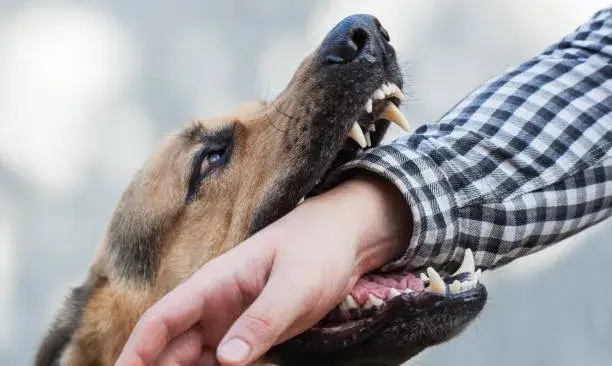

When a dog bites, it can trigger a whirlwind of emotions—pain, fear, confusion, and an overall sense of vulnerability. Knowing the steps to take can make all the difference in your recovery, the pursuit of justice, and obtaining fair compensation. If at any point you find yourself needing legal guidance, Call The Injury Helpline to connect with Injury Lawyers who offer a Free Consultation and can help you navigate Injury Law with confidence.
Statistics on Dog Bites and Household Dog Ownership
A research study reveals a surprising statistic: Adults who have two or more dogs at home are significantly more prone to dog bites compared to those living dog-free. In fact, they’re five times more likely to be bitten.
This underscores the risks involved with multiple dogs in a single household, emphasizing the importance of knowing dog behavior and adopting safety measures to prevent incidents.
What to Do if a Dog Threatens or Chases You
Encountering a threatening or chasing dog can be alarming, even if no bite occurs. Here’s what you should do:
- Report the Incident: Contact local animal control authorities right away. Aggressive or chasing behaviors are often categorized as “menacing acts,” and reporting them helps authorities identify patterns.
- Document the Details: Note the dog’s appearance, the time and location of the incident, and any owner or witness information. Thorough documentation aids animal control in monitoring the dog’s behavior.
- Understand the Consequences: Once a dog accumulates multiple reports for menacing behavior, it may be classified as “potentially dangerous.” The owner could face stricter rules, such as stronger enclosures, mandatory sterilization, and increased fees.
By following these steps, you contribute to your own safety and help local authorities prevent future incidents.
1. Seek Medical Attention
The first and most crucial step after a dog bite is seeing a doctor. Dog bites can lead to puncture wounds, infections, and other serious health issues.
Why is immediate medical attention critical after a dog bite?
- Prevents complications: Proper treatment can ward off infections and other medical problems.
- Documents injuries: Medical records serve as vital evidence if you later pursue legal action or insurance claims.
Keep all medical documentation; it will be integral to any case you might bring for compensation.
2. Report the Incident
After addressing your immediate medical needs, report the dog bite to local animal control or the police. Provide:
- The incident location
- A description of the dog
- Owner information (if known)
- Witness contact details
How to Identify the Dog and Its Owner After a Dog Bite Incident
- Observe and Gather Information
- Take note of the dog’s breed, size, color, and unique features.
- Look for nearby people who might be the owner or caretaker.
- Engage with Bystanders
- Ask witnesses if they recognize the dog or saw where it came from.
- Documentation and Verification
- Politely request the owner’s contact details and proof of the dog’s rabies vaccination.
- Take photos of the dog if it’s safe to do so.
- Involve Local Authorities
- If the dog seems stray or the owner is absent, contact animal control.
- File a police report for official documentation.
Why It’s Crucial to File a Dog Bite Report, Even for Minor Injuries
- Creates a Legal Record: An official report is invaluable if you decide on legal action.
- Protects Public Safety: Authorities monitor aggressive animals through reported incidents.
- Addresses Health Risks: Even minor bites can carry infection risks or rabies concerns.
- Ensures Owner Accountability: Encourages responsible ownership and safety measures.
- Aids Investigations: Prior complaints help determine if the dog has a history of aggression.
3. Gather Evidence
Evidence is the backbone of any dog bite claim. Begin by:
- Taking Photos: Document every injury, bruise, and torn or bloody clothing. If gauze obscures a wound, consult a medical professional on how to photograph it safely.
- Preserving Damaged Items: Keep any personal property (clothing, etc.) damaged during the incident.
- Obtaining Records: If possible, secure the dog’s vaccination records and any documented history of aggression.
What Evidence is needed for a dog bite case?
- Medical reports
- A detailed incident account
- Photographs of injuries and the scene
- Dog and owner information
- Witness contact details
Understanding the Purpose of Keeping a Journal After a Dog Bite
A journal can help:
- Document the Incident’s Impact: Record any pain, emotional distress, or limitations you face daily.
- Track Recovery Progress: Note changes in pain level, mobility, and overall well-being.
- Strengthen Legal Proceedings: Detailed entries support the longevity of your claim and keep everything organized for lawyers and insurers.
4. Consult with an Attorney
Once you’ve reported the incident and gathered evidence, speaking to a personal injury attorney (especially one focusing on dog bite cases) is often the next step. Most injury lawyers work on a contingency-fee basis—meaning you pay only if they win or settle your case.
- Search for a Local Dog Bite Lawyer: Use terms like “[Your City] dog bite lawyer” or look through directories of attorneys specializing in Injury Law.
- Explore Free Consultations: Talk to multiple lawyers before hiring to find the best fit.
Tip: If you’re feeling overwhelmed, Call The Injury Helpline for a Free Consultation with Injury Lawyers who understand dog bite cases and can protect your rights.
5. Understand the Dog Bite Laws in Your State
Dog bite laws vary across the U.S. Some states enforce strict liability, holding owners accountable for any bite, irrespective of prior behavior. Others apply the “one-bite rule,” where owners are liable only if they knew or should have known about the dog’s aggressive tendencies.
- Learn Your Local Ordinances: Contact your city or county clerk, animal control department, or law enforcement to obtain dog-related regulations.
- Check State Statutes: Look for guidelines around the “one-bite rule,” landlord liability, or other relevant areas.
- Consult Legal Professionals: A knowledgeable attorney can interpret these laws and advise on your best course of action.
6. File a Claim or Lawsuit
Your attorney may recommend:
- Filing an Insurance Claim: Many dog owners have homeowner’s or renter’s insurance. This might cover your medical bills, lost wages, and other damages.
- Taking Legal Action: If insurance is unavailable or insufficient, you may file a lawsuit directly against the dog owner.
7. Seek Compensation
Should you proceed with a lawsuit, compensation could include:
- Medical Bills: Covering treatments, surgeries, and rehabilitation.
- Lost Income: If you can’t work due to injuries.
- Pain and Suffering: Accounting for physical discomfort and emotional distress.
- Other Damages: Such as disfigurement, scarring, or ongoing therapy needs.
An attorney will calculate a fair claim value and negotiate with insurers or the dog owner on your behalf, aiming for a settlement that truly reflects your losses.
What Steps Should You Take If Another Dog Has Bitten or Attacked Your Dog?
- Ensure Immediate Safety
- Secure your dog and separate it from the aggressor to prevent further harm.
- Assess Injuries
- Look for visible wounds; be aware that some injuries might be hidden.
- Seek Veterinary Care
- Prompt professional treatment is vital, even if injuries appear minor.
- Exchange Information
- Treat it like a car accident—gather owner contact details, rabies vaccination records, etc.
- Gather Witness Information
- Nearby observers can provide valuable accounts of what happened.
- Document the Incident
- Take photos of your dog’s injuries, the scene, and any relevant details.
- Report the Incident
- File a report with local animal control or authorities to create an official record.
- Review Legal Options
- If the injuries are severe or recurring, consult a legal expert in animal law.
Experiencing a dog bite can be stressful and painful, but following these guidelines will help secure medical care, maintain thorough records, and pave the way for fair compensation. From seeking immediate treatment to consulting knowledgeable Injury Lawyers, each step strengthens your position. If you need assistance, Call The Injury Helpline and speak with an attorney—often at no cost—to safeguard your rights and ensure you receive the support and recompense you deserve.