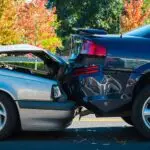

The aftermath of a reckless driving accident can be chaotic and confusing. A skilled lawyer is crucial in such scenarios, providing much-needed guidance, support, and expertise. They protect the victims’ rights and strive to secure the rightful compensation they deserve.
From speeding to running red lights, reckless driving encapsulates various dangerous behaviors. Let’s talk about the real dangers associated with this type of accident.
How pervasive is reckless driving?
Reckless driving, which encompasses a range of dangerous behaviors, remains a pervasive issue on our roads. The consequences of this extend far and wide from excessive speeding to running red lights, ignoring traffic signs and signals, engaging in hazardous lane changes, and driving under the influence. Consequently, this article aims to shed light on the genuine dangers linked to this type of accident, raising awareness and emphasizing the urgent need to address this dangerous behavior.
What actions constitute reckless driving?
Reckless driving is not just one specific action. It includes excessive speeding, tailgating, ignoring traffic signs and signals, dangerous lane changes, and driving under the influence.
Understanding Moving vs. Non-Moving Violations
Moving Violations
Moving violations occur when a traffic law is broken while the vehicle is in motion. Common examples include:
- Speeding: Driving over the posted speed limit.
- Running a Red Light: Failing to stop at a traffic signal.
- Driving Under the Influence (DUI): Operating a vehicle under the influence of alcohol or drugs.
These types of infractions typically result in points being added to your driving record. The accumulation of points can lead to increased insurance premiums and, in some cases, the suspension of your driver’s license. The penalties for moving violations can be severe because they directly affect road safety.
Non-Moving Violations
In contrast, non-moving violations are infractions that occur without the vehicle being in motion. Key examples include:
- Parking Violations: Such as parking in a no-parking zone or exceeding the time limit on a meter.
- Faulty Vehicle Equipment: Issues like broken taillights or non-functional headlights.
- Expired Registration: Failing to renew the vehicle’s registration by the due date.
While non-moving violations don’t generally impact your driving record or result in points, they can still lead to fines and other monetary penalties. These violations typically affect administrative aspects of vehicle ownership rather than road safety directly.
Understanding the difference between these two types of traffic violations can help drivers maintain a clean record and avoid costly penalties.
What are the possible consequences of reckless driving?
Reckless driving can lead to fatal accidents, severe injuries, and significant property damage. Additionally, it carries legal consequences, including fines, license suspension, and potential jail time.
The consequences of this are severe and can have devastating impacts. It can lead to fatal accidents, causing loss of life and extensive property damage, and it carries legal repercussions. Having an injury lawyer by your side is always beneficial in these cases.
Addressing Road Fatalities: The U.S. Department of Transportation’s Response
In response to the rise in road fatalities, the U.S. Department of Transportation is crafting a comprehensive strategy anchored in the Safe System Approach. This initiative focuses on enhancing five critical areas:
- Safer People: Prioritizing education and enforcement to promote responsible behaviors among road users.
- Safer Roads: Investing in infrastructure improvements to make roads more forgiving and user-friendly.
- Safer Vehicles: Encouraging advancements in vehicle safety technologies to reduce crash risks.
- Safer Speeds: Implementing measures to manage and maintain safe speed limits for various road types.
- Post-Crash Care: Strengthening emergency response and post-crash procedures to reduce fatalities and injuries.
To enhance road safety, a new set of nine Proven Safety Countermeasures has been introduced. These measures aim to improve the overall safety experience for drivers, cyclists, and pedestrians alike:
- Rectangular Rapid Flashing Beacons (RRFBs): These eye-catching devices increase pedestrian visibility at crosswalks, reducing the risk of accidents.
- Crosswalk Visibility Improvements: Enhancements ensure that drivers can clearly see pedestrians crossing, thereby minimizing collision chances.
- Dedicated Bicycle Lanes: By providing separate lanes for cyclists, these reduce conflicts between bikes and vehicles, promoting safer travel for all.
- Enhanced Lighting: Better illumination on roads, especially in poorly lit areas, is pivotal for ensuring night-time safety for all road users.
- Pavement Friction Management: By maintaining adequate road surface grip, the likelihood of vehicles skidding or losing control is significantly diminished.
- Wider Edge Lines: These help in defining lanes more clearly, assisting drivers in maintaining proper lane discipline.
- Variable Speed Limits: Adjusting speed limits based on real-time traffic conditions helps in preventing accidents in different driving environments.
- Speed Limit Setting: Adequately setting speed limits that reflect road conditions and surroundings ensures safer driving practices.
- Speed Safety Cameras: These serve as a deterrent against speeding, encouraging more responsible driving behavior.
Implementing these strategies collectively contributes to safer roads and a reduction in traffic-related incidents.
Will a Reckless Driving Conviction Stay on My Record?
Facing a reckless driving charge can be daunting, especially when considering its long-term implications. Typically, if convicted, this charge will remain on your driving record. But what does that mean for your future? Let’s break it down:
Employment Challenges
- Job Applications: Many employers conduct DMV background checks. A conviction might make securing a job more difficult, especially for roles involving driving.
- Current Employment: If driving is part of your job and your license gets suspended due to the conviction, your job could be at risk.
Personal and Legal Ramifications
- Adoption Opportunities: A record of reckless driving might affect the adoption process. However, older charges usually hold less weight.
- Future Legal Consequences: If you face another driving charge, a prior conviction can lead to harsher penalties.
Financial Impact
- Car Insurance Rates: Insurance companies may see you as a higher risk. This perception often leads to rate hikes.
Removing the Conviction
In certain situations, you might be able to have the conviction expunged, effectively removing it from your record. The success of this depends on the specific details of your case.
In summary, while a reckless driving conviction can appear on your record, understanding its potential effects and knowing your options can help mitigate future challenges.
Understanding Speeding Ticket Consequences
Speeding tickets can bring a range of consequences, each varying with the seriousness of the violation.
- Financial Penalties: The most immediate impact is typically a financial fine, which can vary by state and the speed over the limit.
- Points on Driving Record: Accumulating points can lead to further penalties. Too many points might even result in a suspended license.
- Increased Insurance Rates: Insurance companies often raise premiums after a speeding ticket. The hike in costs can last for several years, depending on the company’s policy and the nature of the offense.
- Reckless Driving Charges: In some states, egregious speeding can lead to reckless driving charges. These are more severe and can include larger fines, additional points, and even jail time.
- Legal Consequences: In serious cases, particularly where there is a risk to public safety, legal repercussions can extend beyond fines and insurance hikes, possibly involving court appearances and additional legal fees.
Understanding these potential outcomes can help drivers make informed decisions and consider options like defensive driving courses to mitigate future risks.
Navigating Court for a Speeding Ticket: What to Expect
Going to court for a speeding ticket might seem daunting, but being prepared can make the process smoother. Here’s a breakdown of what you should anticipate:
- Arrive Prepared and On Time
Punctuality is crucial on your court date. Make sure to dress conservatively as a sign of respect for the court. Bring along all necessary documents, such as your ticket, any correspondence related to the incident, and any evidence you intend to present. - Presenting Your Case
Once called upon, you will have the opportunity to share your side of the story. This is your chance to present evidence, which could include photographs, witness statements, or any other relevant documentation. Ensure you speak clearly and remain respectful, regardless of the circumstances. - Questioning Witnesses
You may have the chance to question any witnesses involved, including law enforcement officers. Thoughtful questions can help highlight any discrepancies or weaknesses in the prosecution’s case. - Possible Outcomes
The judge or magistrate will review all presented information to make a decision. Your ticket may be dismissed, the penalties reduced, or the original charges upheld. Each case is unique, and the outcome depends on various factors, including the evidence and arguments presented. - Legal Representation
While representing yourself is an option, having an attorney familiar with traffic violations can be advantageous. They can help clarify legal jargon, strategize your defense, and offer insights that could influence the outcome in your favor.
Understanding this process and preparing adequately can help alleviate anxiety and increase your chances of a favorable outcome.
Can victims of reckless driving seek legal recourse?
Absolutely. Victims of this have the right to seek compensation for medical expenses, lost income, property damage, and non-economic damages, such as pain and suffering.
Victims of this have the right to seek legal recourse and pursue compensation for the damages they’ve incurred. This includes medical expenses, lost income, property damage, and non-economic damages such as pain and suffering. Seeking the assistance of a lawyer is crucial in these cases, as they play a pivotal role in guiding victims through the legal process, advocating for their rights, and fighting for the maximum compensation they deserve.
Why is a lawyer crucial in reckless driving cases?
A lawyer plays a crucial role in helping victims understand their rights, navigate the complex legal system, and fight for the maximum compensation they deserve.
How the Federal Highway Administration Enhances Road Safety
The Federal Highway Administration (FHWA) is making significant strides in road safety through its Focused Approach to Safety Program. By expediting this initiative, the FHWA is driving a marked improvement in highway safety across the United States.
Enhanced Technical Assistance
The program zeroes in on a crucial group: the fifteen states and Puerto Rico, which together account for nearly 50% of road fatalities nationwide. These regions are set to benefit from comprehensive technical assistance and resources, aimed at reducing accident rates effectively.
Introduction of Nine Proven Safety Countermeasures
A key highlight of this initiative is the introduction of nine innovative safety measures. These countermeasures have been identified as essential tools for enhancing road safety and include:
- Rectangular Rapid Flashing Beacons: These beacons significantly improve pedestrian visibility at crosswalks.
- Crosswalk Visibility Enhancements: Implementing measures that make crosswalks more noticeable.
- Bicycle Lanes: Providing dedicated lanes for cyclists to promote safe co-existence with vehicles.
- Improved Lighting: Ensuring roads are well-lit to enhance visibility for drivers and pedestrians alike.
- Pavement Friction Management: Techniques to reduce the risk of skidding and related accidents.
- Wider Edge Lines: Enhancing road markings to better guide drivers.
- Variable Speed Limits: Adjusting speed limits dynamically based on real-time road conditions.
- Appropriate Speed Limit-Setting: Tailoring speed restrictions to address specific road characteristics and local needs.
- Speed Safety Cameras: Utilizing technology to monitor and enforce safe driving speeds.
The Road Ahead
These underutilized measures hold the potential to dramatically transform road safety, making roads safer for all users. With dedicated efforts backed by technical support and well-researched strategies, the FHWA’s Focused Approach to Safety Program is setting the stage for safer travel across the nation.
The U.S. Department of Transportation’s recently announced National Roadway Safety Strategy is built on key principles designed to enhance overall safety and support travelers. Central to this strategy is the Safe System Approach, which calls for significant measures across several critical areas:
- Safer People: Focusing on education and prevention to minimize human error and risky behaviors.
- Safer Roads: Engineering solutions that support safe driving habits and protect vulnerable road users.
- Safer Vehicles: Promoting the development and adoption of advanced vehicle technologies.
- Safer Speeds: Implementing appropriate speed limits to reduce the likelihood and severity of crashes.
- Post-Crash Care: Ensuring efficient and effective emergency response to accidents, minimizing the impact of injuries.
These principles collectively aim to build a comprehensive framework for reducing fatalities and serious injuries on the nation’s roadways.
What New Priorities Will the National Roadway Safety Strategy Focus On to Address Road Safety Issues?
The National Roadway Safety Strategy is honing in on key initiatives designed to enhance road safety. These initiatives revolve around five core components:
- Protecting People: Emphasizing the importance of safeguarding both drivers and pedestrians, the plan aims to promote behaviors and practices that contribute to safer travel for everyone.
- Improving Road Conditions: By targeting infrastructure, the strategy seeks to create more secure road environments. This involves redesigning roadways to minimize risks and enhance visibility and navigation.
- Advancing Vehicle Safety: Focusing on technological advancements and safety features in vehicles to prevent accidents, the strategy encourages the adoption of innovations that could save lives.
- Managing Vehicle Speeds: Addressing speed as a critical factor in road incidents, the strategy plans to implement measures that effectively control and monitor driving speeds, ensuring compliance with safe limits.
- Post-Crash Response: Enhancing emergency response and support in the aftermath of accidents is also a priority. This includes improving medical care and resources to reduce fatalities and injuries post-incident.
These new priorities are set to tackle the most pressing challenges and aim to deliver a significant impact on road safety by focusing resources and efforts where they are needed most.
In conclusion, the menace of reckless driving casts a dark shadow, causing devastating injuries and loss of life. It is a powerful reminder of every driver’s immense responsibilities when taking control of an automobile. By raising awareness, understanding the dangers associated with reckless driving, and seeking the support of experienced legal professionals, we can work together to prevent these accidents and ensure a safer future for all on the roads.
The menace of this looms large, causing devastating injuries and loss of life. It’s a harsh reminder of every driver’s responsibilities when they take control of an auto. If you want to talk with a lawyer, you can do it for free here!