
Car Accidents Caused by a Defect or Flawed Design
One of the most commonly known car-related product flaws is the Toyota gas pedal issue, where certain Toyota vehicles had the gas pedal stick when it was pressed down. This issue resulted in numerous drivers losing control, which caused injury accidents and even fatalities. Toyota was forced to recall more than four million vehicles and eventually reached a settlement of $1.1 billion for consumers who had been injured or harmed by the defect. This particular settlement contained no admission of fault on the part of Toyota.
Faulty Takata Airbags Result in Injury and Death
Another car-related product liability issue is the defective Takata airbags, which mostly affected cars built between 2002 and 2008, but also included models through 2014 in some cases. The main issue with the recall is that some airbags can deploy explosively, injuring or even killing car occupants. This issue involved the airbag’s inflator, which, in some cases, would ignite with explosive force. If the casing ruptured in a crash, there was a possibility that metal shards could be sprayed from the airbag throughout the vehicle’s cabin.
The recall included more than 30 million vehicles in the United States made by 10 different vehicle manufacturers. In total, eight fatalities and more than 100 injuries have been linked to the Takata airbags.
When documenting an accident, it’s vital to capture comprehensive details to ensure accuracy and clarity. Here’s a list of essential information to note down:
- Precise Location: Jot down the exact spot where the accident occurred, including street names, intersections, or notable landmarks.
- Time and Date: Record the specific time and date of the incident to maintain a clear timeline.
- Weather Conditions: Describe the weather at the time. Was it clear, rainy, foggy, or snowy? These factors can significantly impact the situation.
- Sequence of Events: Provide a detailed account of what transpired before, during, and after the accident. Include any actions taken by you or others involved.
Additionally, if possible, take photographs of the scene and any damage that has occurred. Collect contact information from witnesses who can offer unbiased perspectives. Such thorough documentation can be crucial for insurance purposes or in the event of future legal proceedings.
What to Do if You Believe the Other Driver Was at Fault in an Accident
If you think the other driver is responsible for the accident, there are several steps you can take to protect your interests:
- Contact the Other Driver’s Insurance Company: Reach out to their insurer and report the incident. Provide a clear account of what happened, along with any evidence you might have, such as photos or witness statements. This can help initiate the process for them to cover expenses like car repairs, medical bills, and a rental car.
- Suppose the Insurance Company Doesn’t Cooperate: Should the other driver’s insurance provider refuse to pay the full amount or deny the claim altogether? In that case, it’s time to involve your own insurance company. File a claim with them, detailing the situation.
- Subrogation: Your insurance company may pursue a process called subrogation, where they seek to recover the costs, including your deductible, from the other driver’s insurance. Once they successfully recover these costs, you could get your deductible back.
Always keep detailed records of all communications and documents related to the accident. This will support your case, whether dealing with insurance companies or, if necessary, legally.
Car Accidents Resulting from Brake and Tire Defects
There have been many manufacturing defects related to the brakes, and they typically include problems with the rotors, drums, or pads, which cause the brakes to fail or to not work as intended. Research has shown that cars with Anti-Lock Brake System (ABS) are more likely to be involved in a fatal rollover accident than other types of brakes. Braking systems are extremely complex and can fail for a variety of reasons, whether from improper installation or flaws in the basic design. Brake defects are rarely noticeable until the brakes fail.
Tires today are certainly safer than those manufactured decades ago; however, defects can still exist that lead to tread separation and subsequent car crashes. Years ago, there were a number of injuries and deaths attributed to Firestone tires on Ford Explorer vehicles, which led to millions of tires being recalled. Defective tires can fail suddenly, causing a rollover or other serious accidents from loss of control during normal driving conditions.
What to Do If Your Car Is Totaled or Your Insurance Isn’t Paying Enough
Facing the aftermath of a totaled vehicle can be daunting, especially if your insurance payout falls short of expectations. Here’s how to navigate these challenges effectively:
Understand the Valuation
- Get a Second Opinion: Request a detailed valuation report from your insurer. If the payout seems low, consider getting an appraisal from an independent evaluator. This can provide a more objective value for your vehicle.
- Research Comparable Vehicles: Look up the prices of similar cars in your area. This information can be useful when negotiating with your insurance company.
Challenging the Insurance Company
- Prepare Your Case: Gather evidence such as photos, maintenance records, and market comparisons to support your claim for a higher payout.
- Negotiate: Contact your insurance adjuster to discuss the discrepancies. You can present your findings and explain why you believe the payout should be adjusted.
Explore Other Financial Options
- Gap Insurance: If you owe more on your car loan than the insurance pays, gap insurance can cover the difference. Check if you have it, and if not, consider discussing it with your lender for future protection.
- Settlement Options: Some insurers offer settlement options, such as payment plans or low-interest loans, to cover the gap. If immediate funds are limited, inquire about these alternatives.
Legal and Third-Party Assistance
- Legal Counsel: If negotiations stall, consulting a legal expert could provide insight into whether further action is warranted.
- Seek Arbitration: Many insurance policies offer arbitration services, which can mediate to reach a more satisfactory resolution without going to court.
Additional Resources
- Financial Advisors: They can assist in managing your finances effectively post-accident and advise on possible implications on your financial situation.
By understanding your options and preparing a comprehensive case, you can increase the chances of receiving a satisfactory settlement from your insurer.
Other Car Defects That Can Lead to an Accident and Injuries
Seat belt latches can fail during a crash, or a seat belt can apply undue force in a particular direction, which leads to secondary impact injuries, and oftentimes, those injuries are worse than the ones suffered from the crash itself. Airbags, meant to protect those inside, can fail to deploy during a crash or can deploy with too much force. In some cases, defective airbags can deploy when no crash has occurred. Fuel tanks can be poorly designed, leading to gas leaks or explosions, and door latches have been known to fail, causing a door to come open during a crash.
Why Is It Important to Capture Photos at an Accident Scene?
Taking photographs at the scene of an accident is crucial for several reasons. Not only does it provide visual evidence, but it also helps protect your interests in the event of an insurance claim or legal dispute.
Key Reasons to Take Photos
- Documenting the Scene: Photos capture the immediate aftermath, preserving crucial details that may fade from memory.
- Supporting Your Claim: Visual evidence can substantiate your account of the accident, making it easier to resolve insurance claims.
- Legal Protection: In the event of legal proceedings, photos can serve as unbiased documentation to support your side of the story.
Essential Photos to Capture
- All Vehicles Involved: Take clear images of all vehicles, focusing on any visible damage.
- License Plates: Ensure you have photos of the license plates of all vehicles to accurately identify those involved.
- Street Signs and Road Conditions: Photographing street signs and road angles provides context, helping to establish the location and conditions.
- Skid Marks and Debris: Capture any skid marks, broken glass, or debris, as they can illustrate the accident dynamics.
Remember, these photos should be taken as soon as it’s safe to do so. Always prioritize personal safety and the well-being of others before documenting the scene.
What Information Should You Collect from the Other Driver After an Accident?
When you’re involved in an accident, it’s crucial to gather specific details to help with your insurance claim. Here’s a step-by-step guide to ensure you have everything you need:
Exchange Driver Information:
- Take a clear photo of the other driver’s insurance card and driver’s license.
- If they don’t have their insurance card available, write down their full name, phone number, and insurance company details, including the policy number.
- Share your information with the other driver as well.
Document the Scene with Photos:
- Capture images of all vehicles involved, focusing on damages and visible identifiers such as license plates.
- Include surroundings by taking pictures of street signs and the orientation of vehicles on the road for context.
Engage with Witnesses:
- Talk to any bystanders who saw the accident and note down their names and contact numbers. Their statements could be critical if questions about the accident arise later.
Record Accident Details:
- Write a brief account detailing the time, location, and weather conditions at the time of the accident.
- Describe what occurred, as these notes will be invaluable when recounting the incident for claims or police reports.
By following these steps, you’ll ensure all necessary information is collected to facilitate a smooth claims process.
Types of Car Defects
There are two types of car defects that can lead to serious injury or death.
Design Defects
When the defect is inherent to the design of the part rather than the actual production of the part, then a car design defect has occurred. The court may look into whether the original blueprint of the part in question was unreasonably dangerous and whether it was reasonably foreseeable that the design defect could lead to injury and harm to the occupants of the vehicle.
Manufacturing Defects
This means that the defect occurred not in the original design, but due to an error made during the manufacturing process. A manufacturing defect case can be more complex because the plaintiff must show that the error in assembly or manufacturing directly contributed to the accident. In many cases, tests must be performed to determine whether the part in question actually had a manufacturing defect.
If you, or someone you know, were injured in a car accident, find out if you should contact a personal injury attorney to discuss your claim.
Claim your free consultation today
Submit on our webform or call us now at:
1-855-935-3090
Get your free consultation now!
- 100% Secure and Confidential
- Privacy protected
CONTINUE READING



5 Common Injuries Caused by Car Accidents
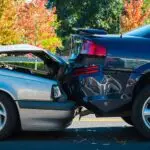

10 Common Types of Personal Injury Cases
The Importance of Hiring a Car Accident Lawyer