

Knowledge is Power
Injured in a Bus Accident?
We're on your side
What Is a Bus Accident?
A bus accident refers to any incident where a large passenger vehicle, intended to transport multiple people, collides with another vehicle, a pedestrian, or an object.
These incidents include city transit buses, intercity coaches, school buses, and shuttles. Because of their higher passenger capacity, bus accidents can result in multiple serious injuries or even fatalities. They also bring their own set of legal and operational challenges, as responsibility can fall on public agencies, private operators, school districts, or maintenance providers.
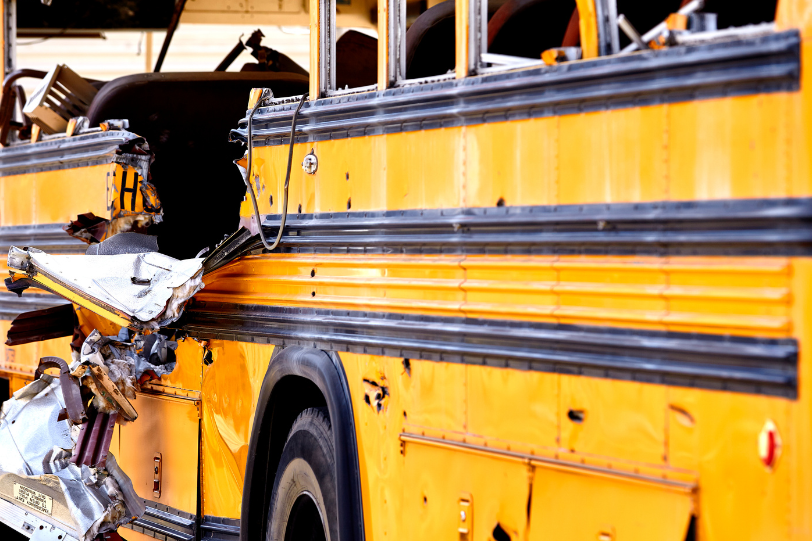
Common Causes of Bus Accidents
Many factors contribute to bus accidents, often blending human error with mechanical or organizational shortcomings:
- Driver Fatigue
Extended hours or irregular schedules can lead to exhaustion. Though regulations govern how long bus operators can work, tiredness remains a notable danger. - Distracted Driving
Glancing at a phone, conversing with passengers, or adjusting equipment onboard can cause a critical lapse in attention. - Impaired Driving
Alcohol, drugs, and certain medications weaken judgment, coordination, and reaction times. - Neglected Maintenance
Worn or defective parts—such as brakes, tires, or steering—may cause serious mishaps if not promptly repaired. - Insufficient Training
Handling a large bus calls for specialized instruction and certification. Operators lacking these skills are more prone to errors. - Overcrowded Conditions
Passengers forced to stand or ride without seat belts face an increased risk of serious injury - Unsafe Road Conditions
Poor signage, potholes, or icy surfaces can heighten the likelihood of an accident, especially for heavier vehicles like buses.
How Common Are Bus Accidents?
Bus accidents are less common than collisions involving smaller cars, but they can have amplified effects when they do happen. In busy cities, buses shuttle large numbers of people, so a single crash may cause widespread injuries. School buses, while relatively safe per mile traveled, raise significant public concern whenever children are involved.
Long-distance and charter coaches can face problems from lengthy routes, which elevate the risks associated with driver fatigue and mechanical failures. Agencies like the Federal Motor Carrier Safety Administration track bus-related incidents to inform and refine safety regulations. However, human error and unexpected conditions remain ongoing issues.
When you’re involved in a bus accident, understanding the timeline for filing a personal injury claim is crucial. The period you have to submit this claim is governed by the statute of limitations, which can differ significantly based on the state where the accident happened and the specifics of your case.
Why the Statute of Limitations Matters in Bus Accident Claims
Filing your claim promptly is essential to safeguarding your legal rights. Missing this deadline can lead to your case being thrown out, meaning you forfeit any compensation for your injuries.
Possible Exceptions
In some scenarios, there might be exceptions to the standard timeline, such as:
- Minors: If a child is involved, the filing period might be adjusted.
- Government Involvement: Special rules may apply if a government entity is part of the case.
- Delayed Discovery: If injuries were not immediately apparent, this might impact the timeframe.
State-Specific Deadlines
Since each state can have different limitations, it’s vital to determine the specific deadline relevant to your situation. An experienced personal injury attorney can provide clarity on how much time you have.
Next Steps
- Consult an Attorney: As soon as the accident occurs, reach out to a personal injury lawyer.
- Understand Specifics: Discuss your case details to understand your exact timeline.
- Stay Prompt: Ensures all necessary documents and evidence are filed within the right timeframe.
With the right legal guidance, you can be confident your claim is timely and accurately filed, increasing your chances of securing the compensation you deserve.
Legal and Administrative Challenges in Bus Accident Cases
Bus accident cases often involve multiple layers of responsibility:
- Public vs. Private Operation
Some buses are publicly owned (city transit or school districts), while others belong to private charter businesses. Identifying and proving which party is accountable can be intricate. - Regulatory Oversight
Organizations such as the FMCSA and state transportation departments set rules on driver qualifications, service hours, and vehicle upkeep. Noncompliance can play a role in accident liability. - Insurance Coverage
Buses typically carry higher liability policies than private cars, given the larger number of potential claimants. Insurers commonly have specialized teams to handle complex bus accident claims. - Criminal Consequences
If recklessness or impairment led to the crash, legal authorities may pursue criminal charges. School bus incidents, in particular, often receive heightened scrutiny. - Regulatory Investigations
Serious or high-profile accidents can trigger official reviews of maintenance logs, driver schedules, and safety protocols to determine whether regulations were followed.
How Much Does a Bus Accident Lawyer Cost?
When considering legal representation after a bus accident, one of the first questions often asked is about the cost. Here’s a clear breakdown of what you can expect financially:
Contingency Fee Basis
Most bus accident lawyers operate on a contingency fee basis. This means you won’t have to pay upfront fees. Instead, the lawyer’s payment depends on the outcome of your case.
- Pay Upon Winning: You only pay the attorney if they successfully win a settlement or a court award for you.
- Percentage-Based: This fee is usually a percentage of your final settlement or court award. This percentage is agreed upon before moving forward with your case.
No Win, No Fee
If your lawyer does not win the case, you typically owe nothing. This policy reduces the financial risk for you during an already stressful time.
Discussing Fees Upfront
When you meet with potential lawyers:
- Inquire About Fees: Make sure to ask about their specific percentage and any other costs that might be incurred.
- Understand the Agreement: Ensure you clearly understand the fee agreement before signing any documents.
By opting for a lawyer who works on a contingency basis, you can seek justice without immediate financial concern. Always choose a lawyer whose terms align with your financial situation and case needs.
Who Could Be Liable in a Bus Crash?
Bus accidents can spark questions about civil liability and who should cover the resulting damages:
- Bus Operators (Drivers)
Drivers may bear direct liability if they disregard traffic laws, speed, or operate while intoxicated. - Transit Authorities or Companies
Employers generally share responsibility for their drivers’ mistakes. They might also face separate liability if they cut corners on hiring, training, or vehicle maintenance. - Manufacturers
Defective bus parts—such as faulty brakes—may prompt product liability suits against those who design or supply them. - Maintenance Firms
In some cases, independent contractors oversee repairs and inspections. Their negligence in spotting or addressing mechanical issues can make them partly to blame. - Government Agencies
When the bus is publicly owned, a city or district might be liable if it fails to provide proper safety systems or neglects to maintain roads in good condition. - Other Drivers
If another motorist’s careless behavior causes or contributes to the incident, that person may also bear legal and financial responsibility.
Individuals harmed in a bus crash can seek compensation for medical bills, lost earnings, property damage, and, in fatal cases, wrongful death. Comparative negligence rules in some areas may adjust the amount awarded based on the level of fault assigned to each party.
Common Injuries Caused by Bus Accidents
Bus accidents can lead to a multitude of injuries, varying widely in severity. Here are some of the most common types:
- Head Injuries: Collisions often cause individuals to hit their heads, resulting in traumatic brain injuries (TBIs). These can have lasting effects, potentially impairing cognitive and physical functions.
- Spinal Cord Damage: The impact experienced during a crash can result in serious spinal injuries, sometimes causing partial or total paralysis.
- Bone Fractures: The forceful movement during an accident can eject passengers from their seats, leading to broken bones.
- Soft Tissue Damage: Sudden jerks or impacts can cause whiplash, along with a variety of sprains and strains.
- Emotional and Psychological Impact: The trauma of being in an accident can lead to conditions such as anxiety, post-traumatic stress disorder (PTSD), or depression.
By understanding these potential injuries, it’s easier to comprehend the serious aftermath that bus accidents can impose on victims.
What to Do If the Bus Company Denies Liability
Being involved in a bus accident can be stressful, and it becomes even more challenging if the bus company denies responsibility for your injuries. However, there are several steps you can take to pursue your claim.
Understand the Reasons for Denial
First, uncover why the company is denying liability. Reasons might include:
- Blaming another party, such as a driver or pedestrian.
- Suggesting your injuries weren’t a result of the accident.
- Claiming you were responsible, either wholly or in part.
- Arguing insufficient evidence of their negligence.
Obtaining a comprehensive explanation helps in formulating your approach and strengthening your case.
Collect Comprehensive Evidence
Gathering robust evidence is essential. This can include:
- Official Reports: Police documents can provide a neutral perspective on the incident.
- Video Evidence: Check for onboard bus cameras or nearby surveillance that captured the event.
- Eyewitness Accounts: Collect statements from passengers or onlookers who can corroborate your account.
- Health Documentation: Medical records can validate that your injuries are linked to the accident.
- Repair Logs: Maintenance records might prove defects or lack of proper vehicle care.
Evaluate Potential Liability
A bus company may still bear some responsibility due to the following:
- Driver misconduct, such as speeding or impaired driving.
- Neglect in keeping the vehicle safe for passengers.
- Breaches of safety laws.
- Employment of inadequately qualified drivers.
Even with denial, it’s possible the company still has legal responsibilities.
Seek Legal Assistance
A qualified attorney can aid greatly by:
- Conducting a thorough investigation.
- Compelling the release of vital evidence through legal means.
- Engaging in discussions with the bus company or its insurers.
- Representing you, should the case advance to court negotiations.
Consider Filing a Claim
If discussions don’t lead to a resolution, a formal claim or lawsuit might be necessary. Keep in mind: If the bus service is publicly owned, you may be required to follow specific procedures, including providing timely notice. An attorney can guide you through these legal hurdles and ensure compliance with all deadlines and requirements.
Persist Despite Denial
A refusal to accept liability doesn’t have to end your pursuit. Equipped with concrete evidence and legal backup, you can still aim to obtain compensation for your medical expenses, lost income, pain, and other losses.
Frequently Asked Questions About Bus Accidents
People involved in bus accidents often wonder about liability and outcomes:
- Are operators automatically at fault if passengers are hurt?
Though bus companies owe passengers heightened care, liability might shift if an external factor or another driver caused the collision. - Can I sue a public transportation entity?
Yes, but special statutes and deadlines often apply. Filing a claim against government agencies can be more complex than bringing one against private businesses. - Do school bus accidents involve different rules?
School bus operations must adhere to extra safety guidelines. Lawsuits may involve school districts or local boards with specific legal protections, making claims potentially more complicated. - Does bus insurance generally cover all damages?
Buses hold robust coverage, but disputes can arise when several victims file claims. Unclear fault or large-scale injuries can further complicate negotiations.
Why Do Bus Accidents Still Happen?
Even with advanced safety regulations and driver training programs, bus accidents continue for various reasons:
- Heavy Traffic and Frequent Stops
In urban areas, buses constantly slow down, pick up riders, and merge back into congested traffic, increasing exposure to potential collisions. - Maintenance Oversight
Keeping every bus in top condition can be challenging, and rushed or inadequate inspections may miss critical issues. - Staffing Challenges
Bus companies in some regions grapple with driver shortages. Overworked or undertrained personnel are at higher risk of making dangerous mistakes. - Environmental Factors
Dangerous weather conditions and neglected infrastructure can be especially hazardous for larger vehicles. - Passenger Behavior
Many riders stand or move about without seat belts, intensifying the risk of injury should a sudden stop or crash occur.
If a bus company denies liability for an accident, it doesn’t necessarily mean the end of your case. Here’s a comprehensive guide on what steps you should consider
Understand the Denial
Begin by understanding the reasons behind the bus company’s denial. Common justifications include:
- Attributing the accident to another party, such as a car driver or pedestrian.
- Disputing the cause or extent of your injuries.
- Claiming you were partly or fully at fault.
- Arguing that there’s insufficient evidence supporting negligence.
Request a detailed explanation to clarify the denial, as this information is essential for building a strong case with your attorney.
Collect Evidence
Gathering robust evidence is crucial in challenging a denial. Focus on collecting:
- Official Reports: Police and other accident reports can offer an unbiased perspective on the incident.
- Video Footage: Look for recordings from onboard bus cameras, nearby businesses, or traffic systems.
- Witness Accounts: Statements from passengers, pedestrians, or other drivers can support your version of events.
- Medical Documentation: Detailed records can demonstrate how your injuries directly relate to the accident.
- Vehicle Maintenance Logs: If negligence relates to maintenance, these records can be pivotal.
Assess Company Liability
Bus companies, especially those offering public transport, have responsibilities to ensure passenger safety. They may be held accountable if the accident was due to factors like negligent driving behavior, such as speeding or distraction, or insufficient vehicle maintenance. Non-compliance with safety regulations or the Employment of untrained or unqualified drivers.
Even with a denied liability, evidence could support shared responsibility.
Seek Legal Guidance
Engaging an experienced attorney can provide significant advantages. They can thoroughly investigate the incident, secure essential evidence, such as driver logs or maintenance records, negotiate effectively with the bus company or their insurers, and represent your interests in court if necessary.
Consider Filing a Claim
If negotiations don’t yield a fair outcome, filing a personal injury claim or lawsuit may be necessary. Be mindful of specific regulations if the bus company is a public entity, often requiring a notice of claim within set timeframes. Ensure all legal prerequisites are met with your attorney’s guidance.
Stay Determined
A denial isn’t the final verdict. With compelling evidence and strong legal representation, you can still pursue compensation for medical expenses, lost income, and other damages you’ve suffered.
How an Attorney Can Help After a Bus Accident
Attorneys can be essential in navigating the complexities of bus accidents:
- Comprehensive Case Investigation: They coordinate with accident reconstruction experts to analyze vehicle data, onboard camera footage, and maintenance logs. This meticulous approach helps in building a robust case by collecting critical evidence such as police reports and witness statements.
- Determining Liability: They pinpoint all possible parties who may have played a role—driver, transit authority, manufacturer, government agency—and determine fault. Bus accidents often involve multiple parties, and identifying the responsible entities is crucial for a successful claim.
- Managing Insurance Companies: They manage filings and observe strict deadlines, particularly in cases involving public transportation entities. Dealing with insurance companies can be daunting; attorneys handle negotiations to ensure you aren’t pressured into accepting a lower settlement than you deserve.
- Meeting Legal Deadlines: In cases involving public entities, strict statutes of limitations apply. Attorneys ensure all necessary paperwork is filed on time, preventing any procedural setbacks that could jeopardize your case.
- Assessing and Maximizing Compensation: They assess the full scope of damages, factoring in both immediate medical costs and long-term impacts like rehabilitative care or reduced future earnings. This comprehensive evaluation includes potential compensation for pain and suffering, emotional distress, property damage, and even wrongful death damages if applicable.
- Pursuing Litigation if Necessary: They negotiate with insurers, who may attempt to settle quickly and for less, and, if necessary, pursue litigation to secure proper compensation. This ensures that all avenues are explored to achieve the best possible outcome for your situation.
Immediate Steps After a Bus Collision
Actions taken in the aftermath of a bus crash can strongly influence both medical recovery and any future legal process. Victims often find themselves overwhelmed by not just physical injuries, but also financial burdens and complex legal challenges. Here’s a guide to navigating this difficult time:
- Attend to Injuries
Even if you think you’re fine, undergo a medical exam to catch hidden problems like internal bleeding or whiplash. Injuries can be more severe than they initially appear and can lead to long-term health issues if not addressed promptly. - Notify Authorities
Police involvement is important, and on public buses, the driver may be required to file a report. If anyone appears seriously hurt, call 911 right away. This ensures there is an official record of the incident, which can be crucial for future legal proceedings. - Document Everything
Use your phone to capture images of the scene, road conditions, traffic signals, and any noticeable vehicle damage. Gather contact information from witnesses and other passengers. This evidence can be vital in proving your case, especially when bus companies try to avoid taking responsibility for the accident. - Report to Insurance
Contact your insurer soon, but avoid detailed discussions about fault until after getting legal or medical advice, especially if the situation is complicated. Insurance companies may seek to minimize payouts, so it’s essential to be cautious. - Keep All Records
Save medical bills, car repair estimates, and any communications with insurance representatives or bus operators. This documentation helps in calculating the full extent of your financial burdens and seeking proper compensation. - Seek Legal Guidance
A lawyer familiar with bus accident cases can protect your interests, especially when multiple stakeholders or complex liability questions arise. Victims often wonder if they need legal help, and the answer is frequently yes, given the potential for bus companies to evade their responsibility.
How The Injury Helpline Supports Bus Accident Victims
The Injury Helpline serves as a resource for connecting bus accident victims with experienced attorneys, aiming to ease confusion and facilitate a smoother path to resolution.
- Immediate Assistance
Our team listens to the details of your experience, clarifies documentation steps, and recommends initial actions like seeking medical care. - Free Legal Referrals
We maintain partnerships with lawyers throughout the country who specialize in bus accident litigation, covering public transit, school district vehicles, and charter services. - Local Knowledge
Different states impose varying rules and time limits, particularly when public entities are involved. The Injury Helpline matches you with lawyers who understand your region’s legal framework. - Continued Support
We remain available even after connecting you with legal counsel in case you need further information or direction.
Bus accidents carry a unique set of risks due to the size of vehicles and the volume of passengers often involved. Establishing liability can be complicated, weaving in aspects of driver negligence, operational failures, regulatory breaches, and the condition of local infrastructure. If you’ve been involved in such an incident, your well-being should come first. After attending to immediate medical needs and preserving any evidence, consider seeking legal support, particularly if you face significant injuries or expenses.
The Injury Helpline can guide you toward experienced attorneys who understand the intricacies of bus accident claims, ensuring that you take every necessary step to protect your rights and pursue fair compensation.
Disclaimer: This content is for informational purposes only and does not constitute legal advice. For personalized guidance regarding your situation, contact the Injury Helpline for a free consultation.
Claim your free consultation today
Submit on our webform or call us now at:
1-855-935-3090
The Injury Helpline Podcast
What You Should Know About Bus Accidents
Get your free consultation now!
- 100% Secure and Confidential
- Privacy protected