

Why Are Children More Vulnerable to Dog Bite Injuries?
A child dog bite incident is any event in which a dog—whether family pet, neighbor’s companion, or stray—bites, claws, or knocks down a person under 18 years old, causing physical injury or psychological trauma. Children make up more than 50 percent of all U.S. dog‑bite victims; toddlers and grade‑schoolers are especially vulnerable because they move unpredictably, lack the height to read canine body language, and often put their faces close to a dog’s head. A single nip can leave permanent facial scars; a brief mauling can fracture bones, sever nerves, or cause recurring nightmares that may impact daily life.
Because the victim is a minor, legal claims unfold under special rules concerning parental representation, court‑approved settlements, structured payouts, and heightened duties owed to children. Potential defendants extend beyond the dog owner to include landlords, babysitters, schools, day‑care centers, pet‑sitting apps, and manufacturers of gates or leashes that failed. Evidence—medical records, vaccination certificates, eyewitness videos, and prior‑bite complaints—can disappear in days.
To safeguard your child’s rights, The Injury Helpline keeps phones open 24/7 for a free consultation, connecting families nationwide with attorneys, pediatric trauma experts, and canine‑behavior specialists poised to capture proof and pursue every dollar needed for recovery and future security.
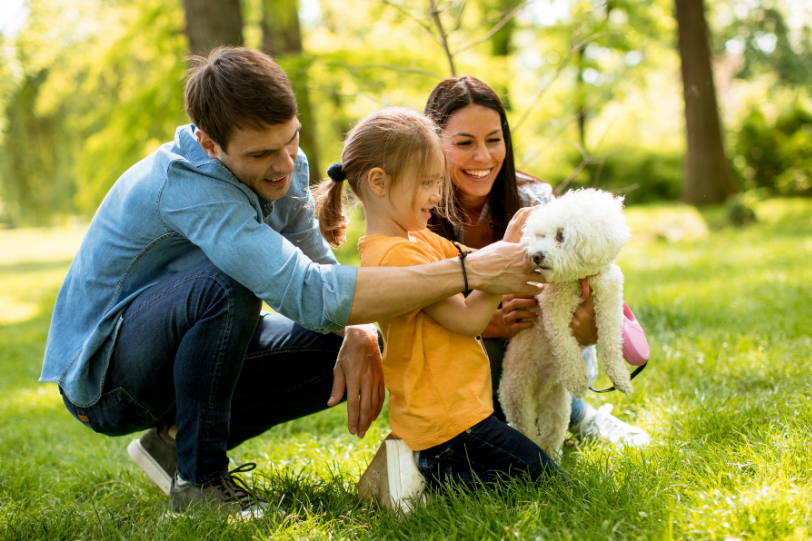
Why Children Face Heightened Risk
Children are disproportionately affected by dog bites for a variety of reasons—some biological, some behavioral. Their smaller size places their faces and necks closer to a dog’s mouth. Their fast movements and high-pitched voices can startle or excite even well-trained pets. Most importantly, children often can’t recognize when a dog is displaying warning signs like growling, stiff posture, or baring teeth.
Children are uniquely vulnerable to dog attacks. Here’s why their physical and behavioral traits increase the risk.
- Small Stature – Bites target face, neck, and head, where tissue is fragile and scarring is conspicuous.
- Unpredictable Movements – Quick gestures or shrill voices can trigger a prey or defensive response.
- Misinterpretation of Signals – Kids mistake growls or stiff postures for play invitations.
- Proximity – Crawling infants explore dog bowls, toys, or sleeping spaces, startling even gentle pets.
- Lack of Self‑Defense – Children cannot fend off, cover vital areas, or escape through gates.
- Peer Influence – Groups of children may crowd or hug dogs, overwhelming an animal’s comfort zone.
- Caretaker Distraction – Adults often think, “our dog would never …” and step away momentarily.
- Owner Desensitization – Familiarity breeds complacency; bite warning signs (lip‑licking, whale‑eye) go unnoticed.
- Breed Size and Power – Even mid‑size breeds out‑mass small children, amplifying harm from knock‑downs.
How Do Dog Bite Incidents Typically Happen to Children?
Dog bites involving children rarely occur out of nowhere. They often follow familiar patterns—during backyard play, at family get-togethers, or when a child approaches a dog out of curiosity.
These incidents may happen in moments when adults are distracted or unaware, and they can involve family pets, neighbors’ animals, or even stray dogs.
These are the situations where children often get hurt.
- Family Gathering Gone Wrong
Visiting cousin hugs resident dog while adults chat; dog clamps on child’s cheek. - Unsupervised Backyard Play
Child retrieves a ball near a tethered dog that has limited escape room, provoking a defensive bite. - Babysitter Distraction
Caregiver scrolls phone; toddler wanders to dog food bowl, startling pet. - School or Day‑Care Reading Program
A therapy dog fatigued after hours of interaction snaps when its ear is pulled. - Neighborhood Walk
Leash slips from owner’s hand; retriever lunges at bike‑riding child. - Pet‑Sitting App Fiasco
Temporary caretaker missecures the gate; the dog runs out and bites kids on the sidewalk. - Stray or Loose Pack
Kids at a bus stop are surrounded by unowned dogs roaming a rural area.
Common Injuries Children Suffer in Dog Bite Cases
Because a child’s bones, muscles, and skin are still developing, dog bites can cause more than surface wounds. Many victims sustain facial injuries, nerve damage, fractures, or even permanent disfigurement.
Beyond the physical scars, these attacks often leave deep psychological effects, including anxiety, nightmares, and a fear of animals. A child’s body is still developing, making injuries more serious and sometimes lifelong. Here’s what they typically suffer.
- Facial Lacerations and Scarring
Lip, cheek, and eyelid tears requiring plastic surgery and later revision. - Nerve and Tendon Damage
Jaw or hand bites sever motor nerves, impairing expression or grip. - Fractured Bones
Arm fractures from defensive blocking, and skull fractures in infants, knocked over. - Eye Trauma
Punctured globe, retinal detachment, or blindness after orbital penetration. - Infections
Capnocytophaga, Pasteurella, and MRSA leading to cellulitis or sepsis. - Psychological Sequelae
Night terrors, canine phobia, social withdrawal, and PTSD symptoms. - Disfigurement
Keloids, hypertrophic scars, and hair loss in scalp wounds. - Avulsion and Tissue Loss
Ear or nose portions torn off, demanding grafting or prosthetics.
Early multidisciplinary care—ER suturing, antibiotics, tetanus and rabies prophylaxis, pediatric plastic surgery, child psychology—is critical.
Who Can Be Held Legally Responsible in Child Dog Bite Cases?
In the aftermath of a dog attack, identifying who is legally at fault isn’t always simple. While the dog owner is often the primary defendant, other parties may also be responsible, especially when children are involved. This includes landlords who ignored dangerous dogs on rental property, babysitters or daycare staff who failed to supervise, or even pet-sitting apps that hired unqualified caretakers.
Determining liability is rarely simple in child bite cases. These are the parties who may be held accountable.
- Dog Owners or Temporary Keepers
Parents, friends, and dog‑sitters are under “strict liability” or “one‑bite” statutes. - Landlords and HOAs
Knowledge of a vicious dog on a rental property or in common areas. - Schools, Day‑Care Centers, Camps
Duty of heightened supervision and safe programming. - Pet‑Sitting and Dog‑Walking Apps
Negligent vetting of sitters or failure to enforce safety protocols. - Homeowner/Renter Insurance Carriers
Policies covering bodily injury, breed exclusions may create coverage fights. - Municipalities and Animal‑Control Agencies
Ignored loose‑dog complaints or failure to enforce dangerous‑dog orders (notice deadlines apply). - Product Manufacturers
Faulty leashes, gates, or crates that allowed escape or restraint failure. - Parents or Guardians
In rare cases, comparative negligence may apply if they left the dog and child unsupervised after prior warnings.
Legal Avenues for Seeking Compensation After a Child Dog Bite
Parents of injured children have specific legal tools at their disposal to pursue compensation for medical expenses, emotional trauma, and future needs. Depending on the state, claims may fall under strict liability statutes, negligence theories, or premises liability. Because minors cannot file lawsuits on their own, courts often require a guardian ad litem and approve any settlement to protect the child’s interests. Families have legal options after a child is injured by a dog. These are the most common routes to justice.
- Strict Liability Statutes – Owner pays regardless of prior knowledge.
- Common‑Law Negligence – Failure to leash, supervise, or comply with local ordinances.
- Negligence per Se – Violation of leash law, vaccination mandates, or dangerous‑dog regulations.
- Premises Liability – Dangerous condition on property where the child was an invitee or licensee.
- Vicarious Liability – The Institution is responsible for the staff’s failure to supervise.
- Parental Representation Rules – Courts appoint a “guardian ad litem” and approve settlements to protect the child’s interests.
- Structured Settlements and Trusts – Large awards are often invested until adulthood under court oversight.
- Punitive Damages – For egregious owner conduct (dog trained to attack, repeated bite history).
- Insurance Bad‑Faith – Carrier delays or underpays a clear liability claim; additional damages are possible.
Limitation periods vary but may toll (pause) until the child turns 18 for certain claims, though evidence must still be preserved immediately.
Key Evidence That Strengthens a Child Dog Bite Lawsuit
A successful legal claim requires strong and timely evidence. For child dog bite cases, this can include everything from emergency room records and photographs to eyewitness accounts, vet reports, and footage from nearby cameras. In situations involving multiple dogs or shared property, proving exactly what happened—and who was responsible—can be challenging.
A strong case starts with solid proof. These types of evidence are most helpful in child dog bite claims.
- Medical Records and Photos – Staged sequence from ER onward, documenting wound progression and scarring.
- Animal‑Control Reports – Prior complaints, bite quarantine logs, vaccination status.
- Witness Statements – Kids, adults, or neighbors who saw the approach, leash status, and the owner’s reaction.
- Surveillance or Doorbell Video – Captures incident without bias.
- Veterinary and Training Records – Show aggression notes or missed behavior consults.
- Insurance Declarations – Policy limits, breed exclusions, liability endorsements.
- Municipal Ordinances – Proof of leash‑law or fencing violations.
- Forensic Dog Measurements – Bite‑pattern match to the specific animal when multiple dogs are present.
- Social‑Media Posts – Dog’s biting behavior or history of aggression
The Injury Helpline quickly issues spoliation letters to secure video, vet files, and animal‑control evidence before deletion or destruction.

Common Defense Tactics and How Lawyers Push Back in Child Dog Bite Claims
When a child is bitten, defendants may still attempt to deflect blame. They might claim the child provoked the dog, trespassed, or that the breed isn’t dangerous. Insurance companies may deny coverage based on breed restrictions or try to minimize injuries. Fortunately, attorneys are prepared for these arguments. Defendants don’t always accept fault. These are the arguments you may face—and how lawyers respond.
- Provocation – Owner claims child pulled tail; child’s age and surprise element negate volitional provocation.
- Trespass – Asserting the child entered the fenced area without permission; the attractive‑nuisance doctrine and inadequate signage defeat.
- Parental Negligence – Shifting blame to guardians; comparative fault rarely bars recovery for minors.
- Breed‑Misidentification – Downplaying the dog’s power; vet records and DNA testing clarify.
- No Prior Bite History – “First time ever” defense; owner still strictly liable in many states; trainers or neighbors may testify about earlier aggressions.
- Insurance Exclusion – Policy breeds out; attorneys target umbrella policies, landlord policies, or personal assets.
- Child Old Enough to Know Better – Jurisdictions vary; courts examine developmental psychology, often still favor the child.
Strong pediatric, behavioral, and reconstructive‑surgery expert testimony helps juries grasp lifelong impact and reject blame‑shifting.
What Compensation Can Families Expect in Child Dog Bite Lawsuits?
When a child is injured by a dog, the financial and emotional toll can last a lifetime. Compensation may include immediate medical costs, future surgeries, psychological care, and even educational support. Some cases also involve structured settlements that grow over time to fund the child’s future medical or academic needs.
Here, we explain the full range of damages available to child victims—and how courts and attorneys ensure that funds are managed responsibly under court supervision.
- Past and Future Medical Expenses – Surgeries, hospital stays, antibiotics, scar revision, orthodontics.
- Rehabilitation and Therapy – Physical, occupational, and speech therapy; play‑based trauma counseling.
- Future Loss of Earnings – Disfigurement affecting career options (modeling, public‑facing roles).
- Pain, Suffering, Emotional Distress – Night terrors, school avoidance, long‑term anxiety disorders.
- Permanent Disfigurement – Visible scars or limb dysfunction; compensation often substantial.
- Loss of Enjoyment of Life – Inability to participate in sports, swimming, or dog‑related activities.
- Parental Economic Loss – Time off work, travel costs for specialist care (in some states).
- Punitive Damages – For owners ignoring repeated warnings or ordering a dog to attack.
- Structured Settlement Growth – Court‑approved investments yield tax‑free growth for college or adult medical needs.
Parents’ Most Common Questions About Child Dog Bite Cases
When a child suffers a traumatic injury, parents have countless questions: Do we have to sue a relative? Will our child’s funds be accessible before adulthood? What if the dog was a stray?
This section addresses the most frequently asked legal questions families raise after a dog bite incident and provides straightforward answers to help guide next steps.
- Will suing a relative or friend ruin the relationship? Claims usually target homeowner insurance, not personal savings. Many families prefer insurance coverage to pay medical bills and counseling.
- How long will my child’s funds be locked? Courts typically hold settlements in a structured annuity or blocked account until age 18, though periodic disbursements for medical or educational needs can be approved.
- The owner says my child “got in the dog’s face.” Does that hurt our case? Most states do not consider a young child legally capable of provoking a dog; strict liability statutes still apply.
- What if the dog were a stray? Municipalities or property owners may be liable for failing to control known stray populations or secure garbage attracting feral packs.
- How quickly should we call The Injury Helpline? Immediately. Bite wounds heal, video overwrites, and owners may rehome or euthanize dogs, erasing evidence. We’re available 24/7.
How to Prevent Dog Bites in Children: Practical Advice for Parents
Most dog bites involving children are preventable with proper education, supervision, and early training for both kids and dogs.
Teaching children not to hug dogs, not to interrupt animals while eating or sleeping, and to ask permission before petting are basic but powerful tools. Prevention starts at home. These safety tips can help reduce the risk of dog bites in children.
- Supervise, Don’t Trust – Never leave infants or young kids alone with any dog.
- Teach “Be a Tree” – Stand still, arms crossed, eyes down when unknown dogs approach.
- Respect Eating and Sleeping Zones – Instruct kids never to reach into crates, food bowls, or under furniture.
- Ask, Then Pet – Children should obtain verbal permission from the owner and let the dog sniff a closed fist first.
- Positive-Reinforcement Training – Owners must socialize their dogs early, using child-safe protocols.
- Spay/Neuter – Reduces roaming and hormone‑driven aggression.
- Fence Integrity – Six‑foot height, dig guards, self‑closing gates, child‑proof latches.
- Prompt Behavioral Help – Address growling or guarding behaviors with certified trainers.
- Public Leash Discipline – Four‑ to six‑foot non‑retractable leash; avoid crowded playground zones.
- Report Incidents Early – Minor nip today can be full maul tomorrow; animal control intervenes faster.
What to Do Right Away If a Dog Bites Your Child
The moments immediately after a bite can shape your child’s medical and legal outcome. Promptly stopping the bleeding, seeking medical attention, reporting the attack, and documenting the injuries are all critical.
The first moments after a bite matter most. Here’s what to do to protect your child and preserve evidence.
- Secure Safety – Remove dog or child from the area; restrain the animal if possible.
- Call 911 – Severe bleeding, facial wounds, or large dogs require emergency response.
- Provide First Aid – Clean the wound with mild soap and water; apply pressure to control bleeding.
- Record Owner Info and Vaccination Status – Photograph dog and handler; get contact details.
- Document Injuries – Photos before and after medical treatment; daily healing updates.
- File Animal‑Control Report – Even for “friendly” dogs; ensures quarantine and rabies check.
- Follow Medical Orders – Complete antibiotic and vaccine courses; attend recommended therapy.
- Start a Recovery Journal – Sleep disturbances, appetite changes, missed school events.
- Contact The Injury Helpline – We dispatch investigators, secure insurance information, and connect you with pediatric specialists.
How The Injury Helpline Supports Families After a Child Is Bitten by a Dog
- 24/7 Compassionate Intake – Speak to a trained professional any hour.
- Free, Comprehensive Case Evaluation – Liability, insurance, and settlement‑structure guidance.
- Nation‑Wide Attorney Network – Seasoned in dog‑bite statutes and pediatric injury valuation.
- Elite Expert Team – Pediatric plastic surgeons, child psychologists, canine‑behaviorists, economists.
- Contingency‑Fee Representation – No fees unless compensation secured.
- Court‑Approved Settlement Management – Structured annuities, trusts, and periodic payments under judicial oversight.
- Holistic Family Support – Medical‑lien negotiation, school accommodation letters, therapy referrals, and scar‑care resources.
Child dog bite incidents shatter the sense of innocence that surrounds backyard barbecues, neighborhood walks, and family holidays. A single unrestrained dog can change a impact a child’s appearance, self-esteem, and development in the space of a heartbeat. When owners, landlords, or institutions ignore obvious safety rules, they must answer for the pain inflicted on our youngest and most vulnerable community members.
If a dog has harmed your child, you need immediate medical attention and swift legal action. Evidence fades, wounds close, and insurance adjusters move fast to protect their bottom line.
Reach out to The Injury Helpline, available around the clock for a free consultation. Our dedicated team helps families gather proof, navigate child‑specific legal hurdles, and pursue compensation to help cover surgeries, therapy, and long‑term stability—because your child’s healing and future should never depend on someone else’s negligence.