

Understanding E-Bike Accidents
Electric bicycles, or e-bikes, are rapidly becoming a popular mode of transportation for commuters, urban explorers, and recreational riders. These motor-assisted bikes allow users to travel farther and faster than on traditional bicycles, making them ideal for avoiding traffic and reducing emissions. But with this increased speed and power come new safety risks and legal complexities. Whether you’re sharing the road with cars, maneuvering around pedestrians, or navigating city bike lanes, the potential for collisions is real—and growing.
E-bike accidents, although still an emerging area in traffic law, often result in significant injuries. Riders may suffer anything from minor bruises to severe trauma like head injuries or internal bleeding, especially if helmets or other protective gear aren’t used. Compounding the challenge, laws governing e-bikes vary from one place to another, leaving many riders unsure of their rights or responsibilities after an accident. As these vehicles become more common on American streets, understanding their unique risks and legal implications is more important than ever.
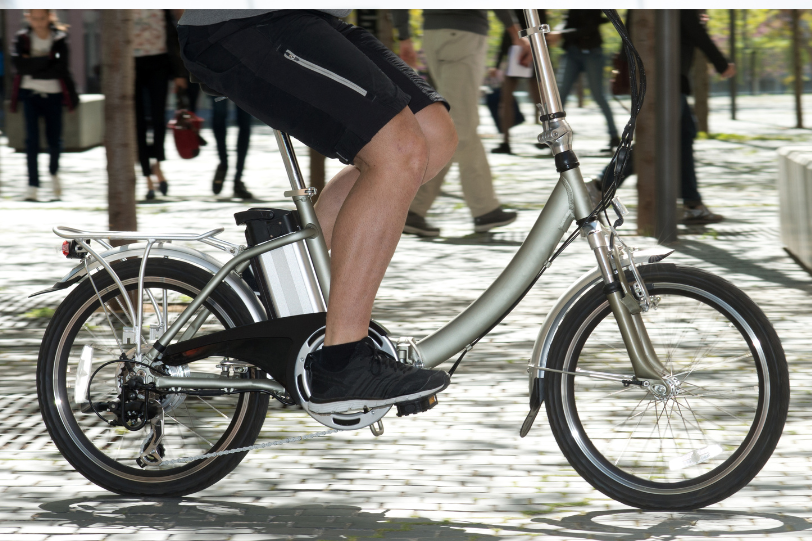
The Leading Causes Behind E-Bike Crashes
Like other types of collisions, e-bike accidents happen for a variety of reasons, but their motorized nature introduces some unique hazards. These are among the most common causes:
- Speed and Acceleration
E-bikes are capable of reaching speeds up to 20 mph or more. Riders unfamiliar with their power may miscalculate stopping distance or have trouble managing quick acceleration, particularly in traffic. - Rider Inexperience
Although e-bikes function similarly to standard bicycles, their additional weight and motor support demand slightly different handling. Inexperienced users may struggle with balance, braking, or reacting to road changes. - Distracted Riding or Driving
Motorists don’t always notice e-bikes, especially at intersections or in blind spots. Likewise, riders using phones or listening to music may be less aware of traffic patterns, increasing collision risks. - Poor Road Conditions
Hazards like potholes, loose gravel, or slick pavement can destabilize e-bikes more easily than cars, thanks to their narrow tires and lightweight frames. - Lack of Maintenance
Failing brakes, loose handlebars, or worn tires make riding dangerous. Electrical components, including batteries, also require attention but are often overlooked. - Congested Streets
In packed urban areas, e-bike riders often weave through traffic or navigate between parked cars—both scenarios that increase the likelihood of being hit by a vehicle making sudden movements. - Insufficient Protective Gear
Helmet use isn’t always enforced by law—and many riders skip it altogether. Unfortunately, this can make minor incidents far more dangerous.
How Widespread Are E-Bike Accidents?
With their surging popularity, e-bikes are now a fixture in many cities. Alongside this rise has come a noticeable uptick in accident reports. Still, because regulations vary—and not all crashes are officially documented—the actual number of incidents may be higher than statistics suggest.
- Growing Market Presence
As more Americans embrace e-bikes, both for commuting and leisure, their visibility—and vulnerability—on the road increases. - Patchwork Regulations
Different states and even individual municipalities impose their own speed limits, helmet laws, and lane usage rules. This inconsistency often confuses both riders and drivers, heightening risk. - Injury Severity
Compared to standard bikes, e-bike crashes tend to produce more serious injuries. The combination of motor assistance and greater speed increases the impact force during a fall or collision.
Fault and Compensation: How Comparative Negligence Comes Into Play
When an e-bike accident occurs, one of the biggest legal questions is: Who’s at fault? The answer affects how much compensation a victim can receive, especially in states that follow comparative negligence laws.
What Is Comparative Negligence?
This legal concept allows someone to recover damages even if they were partly to blame for an accident. The catch? Their compensation is reduced based on their percentage of fault.
Here’s how it works:
- Pure Comparative Negligence (e.g., New York, California): You can recover damages no matter how much you contributed to the accident, even up to 99% at fault.
- Modified Comparative Negligence (e.g., Florida, Texas): You can only receive compensation if you’re less than 50% or 51% at fault, depending on the state.
For Example:
If an e-bike rider is found 30% responsible for an accident, and their total damages are $100,000, they would be eligible for $70,000 under both systems, though the modified model cuts off eligibility entirely above the threshold.
Common Fault Scenarios
E-Bike Riders May Be At Fault For:
- Running stop signs or red lights
- Ignoring bike lane directions or traffic signals
- Riding under the influence of drugs or alcohol
- Using a mobile device or headphones while riding
- Failing to use proper lighting or reflectors at night
Motor Vehicle Drivers May Be At Fault For:
- Failing to yield at intersections
- Making sudden turns without signaling
- Opening a car door into a cyclist’s path (“dooring”)
- Speeding, tailgating, or driving distracted
When blame is shared, navigating insurance claims and personal injury lawsuits becomes more complex, which is why early legal guidance is crucial.
What If the At-Fault Driver Isn’t Insured?
If you’re hit by a driver who lacks insurance or doesn’t have enough coverage, your own policy may be able to help—if you’ve opted for Uninsured Motorist (UM) or Underinsured Motorist (UIM) coverage.
These policies offer peace of mind by stepping in when the other party’s insurance falls short. What’s more, UM and UIM often apply even if you weren’t in a car. If you were on foot, riding a standard bike, or operating an e-bike, your coverage may still extend.
This financial protection can be a lifeline, covering medical bills, rehab costs, and lost income while you recover.
Why Local E-Bike Laws Matter
Navigating the legal landscape of e-bike usage isn’t always straightforward. While some federal and state-level regulations offer guidance, many local governments set their own rules. These municipal laws govern where and how e-bikes can be used—and the differences can be dramatic depending on your ZIP code.
Understanding Local Authority
In many places, the state legislature has left detailed rulemaking to individual cities and counties. That means one jurisdiction may allow e-bikes on public trails, while another prohibits them entirely. Speed caps, helmet laws, and riding age limits are often handled at the local level.
Some examples of what to look for include:
Age-based helmet requirements
Restrictions on sidewalk riding
Rules for accessing shared-use paths
E-bike bans in nature preserves or public parks
Time-of-day limitations for bike lane usage
Before riding, it’s a good idea to visit your city or county transportation website or consult local signage. Ignorance of the law typically isn’t accepted as a legal defense—so staying informed is a key safety and liability strategy.
How the Law Classifies E-Bikes
Across the United States, electric bikes (e-bikes) occupy a unique legal space. While they’re motor-assisted, most states do not classify them the same as motorcycles or mopeds. Instead, they’re often treated more like traditional bicycles, giving riders more accessible road use, but with some key considerations.
Here’s how e-bikes are typically regulated across the country compared to bicycles and motorcycles:
Licensing, Registration & Insurance
- E-Bikes: In most states, no driver’s license, registration, or insurance is required, just like with regular bicycles.
- Motorcycles: Require a motorcycle endorsement, vehicle registration, and insurance in all states.
- Bicycles: No license, registration, or insurance required.
E-bike riders enjoy simplified access to roads, but must be aware of local exceptions or classifications (e.g., Class 3 e-bikes may have more restrictions).
Road Rules & Traffic Laws
E-bike riders must follow the same traffic laws as all other vehicles In some areas, e-bikes may be restricted from sidewalks, trails, or certain bike lanes, particularly faster Class 3 models.
Helmet Requirements
Regardless of state law, helmet use is strongly recommended for all e-bike riders, given the higher speeds and accident risks.
- Motorcycles: Helmet laws vary by state, but are often required for riders under 18 or 21.
- E-Bikes: Many states do not require helmets, though some mandate them for riders under 16 or 18, especially for higher-speed e-bikes.
- Bicycles: Helmet rules are generally focused on younger riders, with laws varying by state and municipality.
E-Bike Classifications Matter
Most states follow the three-class e-bike system:
- Class 1: Pedal-assist only, max 20 mph
- Class 2: Throttle-assist, max 20 mph
- Class 3: Pedal-assist, max 28 mph (often restricted from bike paths and trails)
Stay Informed and Safe
As e-bikes become more popular, state and local laws are evolving. Riders should always check their state DMV or local transportation authority to stay up to date on changes related to:
- Age limits
- Helmet mandates
- Trail or bike lane access
- Speed restrictions
The Legal Classification of E-Bikes
Electric bicycles fall into a unique legal category. They’re not quite bicycles, not quite mopeds, and definitely not motorcycles—yet they can behave like any of the three, depending on their configuration. To resolve this, most states have adopted a three-class system that defines e-bikes based on their power and usage.
Here’s a breakdown of how those classes work:
Class 1 E-Bikes
- Provide assistance only when the rider pedals
- The motor stops helping at 20 mph
- Typically allowed in most bike lanes and multi-use paths
- Ideal for casual commuting or fitness
Class 2 E-Bikes
- Include a throttle that allows motor-only operation
- Also capped at 20 mph
- Access to bike lanes and trails varies by region
- Useful for riders who need pedal-free assistance (e.g., for injuries or terrain)
Class 3 E-Bikes
- Assist only when pedaling, but the motor supports speeds up to 28 mph
- Often restricted to slower trails and paths
- Generally limited to street riding or designated bike lanes
- Riders typically must be at least 16 and wear a helmet
The class of your e-bike can impact your legal rights in a crash, as well as determine what regulations you’re expected to follow. Make sure you understand the classification before hitting the road, especially in unfamiliar jurisdictions.
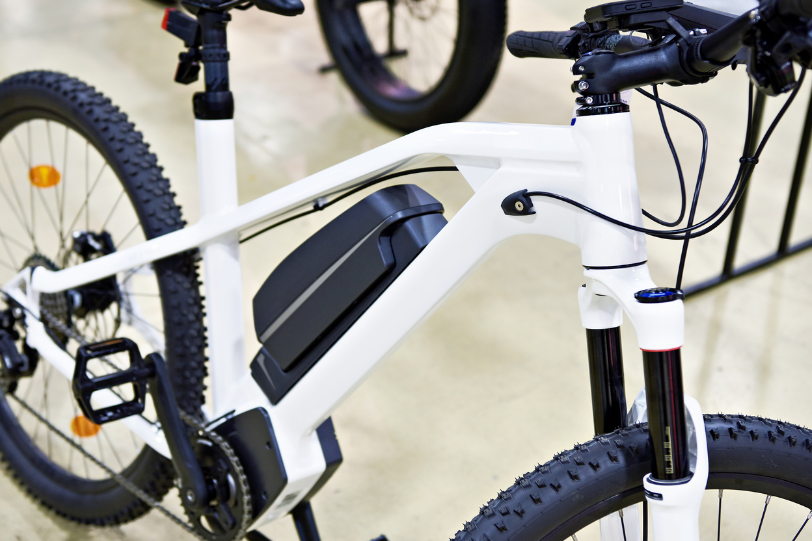
Legal Issues That Arise After an E-Bike Crash
When an e-bike accident occurs, it’s not always clear who is at fault—or how the law views the incident. Unlike car-on-car crashes, where liability frameworks are well established, e-bike cases often fall into legal gray areas.
Here are some of the unique challenges and considerations:
Jurisdictional Differences
State and local laws don’t always agree on how e-bikes should be treated. Some cities lump them in with standard bicycles, while others treat certain classes more like mopeds. This classification affects everything from liability to insurance.
Helmet and Equipment Regulations
In some areas, helmets are required only for younger riders or higher-speed bikes. Failing to comply with helmet laws could reduce potential compensation, especially if head injuries are involved.
Insurance Gaps
Unlike car drivers, most e-bike riders don’t carry specific insurance. Standard auto insurance usually doesn’t apply, and homeowners’ or renters’ policies may offer only limited coverage, if any.
Potential for Criminal Charges
If a driver hits an e-bike rider while distracted or intoxicated, criminal penalties could follow. Likewise, an e-bike user riding recklessly or under the influence may face prosecution.
Shared Fault Complications
Both parties in a crash—the motorist and the cyclist—may bear some responsibility. Laws surrounding comparative negligence determine how damages are calculated in such scenarios.
These complexities make legal representation essential. A knowledgeable attorney can investigate the crash, review applicable laws, and build a case tailored to your situation.
Who Can Be Held Liable in an E-Bike Collision?
Determining fault in an e-bike accident requires examining all the contributing factors. In many cases, more than one party may be responsible. Some common sources of liability include:
- Motor Vehicle Drivers – Failing to yield, speeding, or not checking blind spots
- E-Bike Manufacturers – Producing defective frames, motors, or batteries
- Property Owners – Allowing hazardous conditions on sidewalks or parking lots
- Government Agencies – Failing to repair roads or post clear signage
- Other Cyclists or Pedestrians – If their actions directly caused a crash
- The Rider Themselves – In cases of reckless riding or equipment neglect
When serious injuries are involved, victims may file civil claims to recover losses. Depending on the case, that may include personal injury suits, wrongful death actions, or product liability claims.
Types of Compensation Available After an E-Bike Accident
Injured e-bike riders may face physical, emotional, and financial challenges in the aftermath of a crash. Filing a claim or lawsuit can help cover these losses. Depending on the circumstances, victims may be eligible for:
- Medical Expenses – ER visits, surgeries, physical therapy, medications
- Lost Wages – Income lost due to time off work or reduced capacity
- Future Earnings – Compensation for long-term or permanent disability
- Pain and Suffering – Physical pain, emotional distress, loss of enjoyment
- Property Damage – Repairs or replacement of the e-bike and any gear
- Wrongful Death Damages – Funeral costs and support for surviving dependents
- Punitive Damages – In cases involving gross negligence or misconduct
Proper documentation—including medical records, repair estimates, and accident reports—is essential to support these claims.
Frequently Asked Questions About E-Bike Accidents
- Can I file a claim even if I wasn’t wearing a helmet?
Yes. Not wearing a helmet might impact your compensation, but it doesn’t bar you from filing a claim—especially if the accident wasn’t your fault. - Do e-bike riders need insurance?
Not usually, but having UM/UIM coverage or a separate policy that includes e-bikes is highly recommended. - What if my accident was caused by a faulty battery or motor?
This may fall under product liability law. If defective equipment caused the crash, the manufacturer or distributor could be held accountable. - Is riding a modified or high-speed e-bike illegal?
It depends on the local rules. Using an illegally modified bike could affect fault determinations, but it doesn’t automatically disqualify you from seeking damages. - Can The Injury Helpline help with minor accidents?
Yes. Whether your case involves a broken bone or just property damage, The Injury Helpline connects you with attorneys who can advise on your options.
How The Injury Helpline Supports E-Bike Riders
The Injury Helpline offers a 24/7 free consultation to e-bike accident victims, connecting them with dedicated personal injury attorneys nationwide. This critical service ensures you quickly access legal expertise without the burden of upfront fees. Here’s how The Injury Helpline can support your e-bike case:
- Immediate Assistance
Regardless of your accident’s severity, you can call The Injury Helpline any time, day or night, to discuss the incident and next steps. - No-Cost Referral
We understand financial stress often follows an injury. That’s why The Injury Helpline provides referrals to experienced injury lawyers who evaluate your claim’s strength, typically without charging fees unless you win. - Nationwide Coverage
E-bike regulations can vary widely by location. Our network of attorneys spans the entire country, ensuring your lawyer understands state and local nuances. - Personalized Match
Every e-bike crash presents unique questions: Did mechanical flaws contribute? Were local traffic laws followed? Our team matches you with a legal professional adept at handling your specific scenario. - Ongoing Support
If you need clarification about insurance coverage, medical liens, or settlement negotiations, The Injury Helpline remains available for continued guidance.
E-bikes offer convenience, sustainability, and freedom—but they also come with real risks. With their rising popularity, understanding the safety challenges, local laws, and legal rights tied to e-bike usage has never been more important.
From minor scrapes to life-altering injuries, an e-bike crash can turn your routine ride into a complicated ordeal involving medical treatment, insurance negotiations, and legal claims. Taking prompt, informed action is essential to protect your health, your finances, and your future.
Connecting with the right legal support can be crucial during these uncertain times. The Injury Helpline operates nationwide, providing a free consultation 24/7 to link you with an injury lawyer prepared to handle the complexities of your e-bike case. By taking decisive steps—securing medical treatment, documenting evidence, and engaging an experienced attorney—you stand the best chance of protecting your rights and reclaiming stability after an e-bike accident.