

What Is a Lane-Splitting Accident?
At its core, a lane-splitting accident is a collision involving a motorcyclist traveling between two lanes of traffic, usually while surrounding vehicles are moving slowly or are stopped altogether. These accidents often occur on highways, in urban congestion, or during heavy commuting hours. Because motorcycles lack the structural protection of cars, even minor collisions in this context can lead to significant injuries.
Whether lane splitting is allowed depends heavily on where you are. In some states, it’s completely legal (within specific guidelines). In others, it’s banned outright. This variation adds another layer of complexity when assigning liability after a crash.
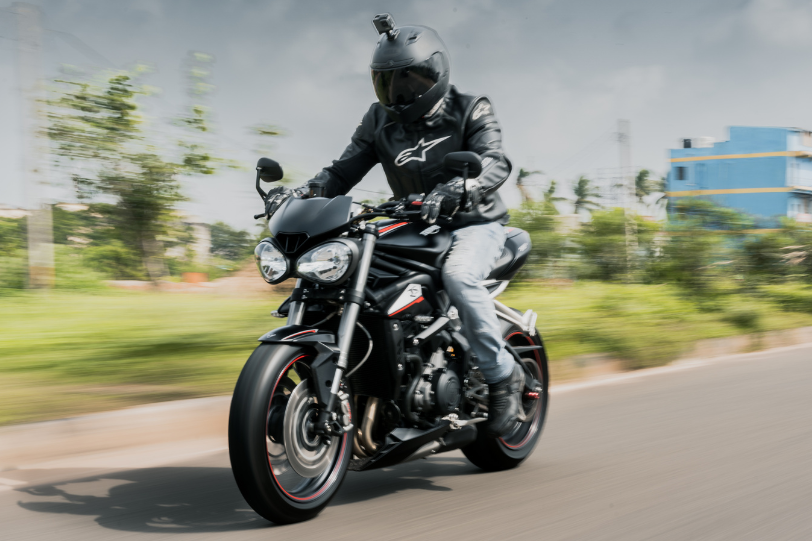
Why Lane-Splitting Accidents Are So Dangerous
Lane splitting puts motorcyclists in a tight, unpredictable space. They’re riding between vehicles that may shift or open doors without warning. While experienced riders often practice this maneuver cautiously, one unexpected move from a driver can change everything.
Reduced Reaction Time
When a motorcyclist is lane-splitting, they’re threading the needle between vehicles that aren’t expecting anyone to ride so closely. This drastically reduces the time and space a rider has to react if a car suddenly swerves, brakes, or opens a door. Even the smallest lapse in attention—or a driver who forgets to check mirrors—can have dangerous consequences.
Many accidents happen because a driver didn’t check their mirrors before changing lanes or drifting sideways. Others stem from motorcyclists riding too fast or misjudging space. And in many cases, both parties share some level of fault.
Visibility is another major issue. A motorcycle wedged between two SUVs at dusk or in the rain might be practically invisible to surrounding drivers. Add in the stress and distraction of rush hour, and it’s easy to see how things can go wrong.
Legal Strategies for Maximizing Compensation in Lane-Splitting Cases
Pursuing compensation after a lane-splitting accident often means employing a multi-pronged legal approach—think less “cookie-cutter” and more “custom-tailored suit.” Here’s how a team of seasoned personal injury attorneys might help tip the scales in your favor:
1. Thorough Investigation of the Crash
Legal teams dive deep into the details, working with reconstruction experts and eyewitnesses to rebuild the accident step by step. This often includes reviewing dashcam footage, analyzing police reports, and gathering statements from those at the scene. Establishing whether lane splitting contributed—and to what extent—is crucial to framing your case clearly and persuasively.
2. Evidence-Driven Fault Assessment
When the law isn’t crystal clear, the strategy shifts toward documentation. Attorneys typically amass medical records, accident scene photos, and expert testimony to show the true impact of the crash and demonstrate the other party’s degree of responsibility, especially in states with comparative negligence.
3. Tailored Legal Arguments
Your representation will focus on the specifics: Were traffic laws violated? Did the other driver swerve or fail to signal? Was there clear evidence of distracted driving? Each fact pattern shapes the legal argument used to assert fault and liability.
4. Negotiation (and, if needed, Litigation)
Insurance companies may try to minimize your claim or shift blame, but experienced lawyers push back hard—whether across the negotiation table or, if necessary, in front of a jury. The goal: maximize compensation for all your losses, both immediate and long-term.
Common Situations That Lead to Lane Splitting Collisions
Although lane splitting can be done safely in controlled conditions, certain recurring scenarios tend to increase the chances of a crash.
One of the most common is during stop-and-go traffic on highways, where a rider, frustrated by the slow pace, slips between lanes to move ahead. If a driver suddenly changes lanes or opens a door without warning (which does happen even in gridlock), a collision is nearly unavoidable.
Another frequent situation involves drivers changing lanes quickly without signaling. When a motorcyclist is lane splitting and a car shifts into their path without checking blind spots, the rider often has no time to react.
Speed differentials also play a major role. The greater the speed difference between the motorcycle and surrounding traffic, the less time everyone has to avoid a mistake. If the rider is zipping between lanes 20 mph faster than the cars, a single unexpected swerve can cause a serious crash.
Why These Accidents Keep Happening
Despite growing awareness campaigns and safety training for both drivers and motorcyclists, lane-splitting accidents remain a consistent issue.
One reason is legal ambiguity. Some states, like California, permit lane splitting under specified conditions. Others ban it completely, and some simply don’t address it at all. That leaves both riders and drivers confused about what’s allowed and what isn’t.
Another problem is driver distraction. With smartphones, dashboard screens, and general stress, drivers often overlook their surroundings, including fast-moving motorcycles slipping between lanes.
Traffic density also plays a role. In heavy congestion, lane splitting can seem like the only way forward for riders trying to avoid overheating engines or prolonged delays. Yet in these same conditions, the chances of a car shifting unexpectedly—or a rider making a rushed decision—increase dramatically.
Additionally, many drivers simply don’t expect a motorcycle to be in the space between lanes. When they drift, adjust mirrors, or edge forward, they’re not thinking about bikes—and that lapse can be deadly.
Why You Shouldn’t Talk to the Other Party’s Insurance Company
After an accident, it might feel natural to answer calls from the other driver’s insurance—or even tell your side of the story. Resist the urge. Anything you say could be twisted or used against you later to minimize your claim or deny coverage entirely.
Instead, let your own attorney handle all communication with the other insurer. Insurance representatives are skilled at asking questions that seem harmless but may lead you to make statements that can undermine your case. By directing all responses through legal counsel, you level the playing field—ensuring your words aren’t taken out of context or strategically misinterpreted.
Injuries Frequently Caused by Lane Splitting Collisions
Because motorcycles don’t offer a protective frame, riders involved in these types of crashes tend to suffer severe injuries—even at relatively low speeds.
Fractured bones are common, particularly in the legs or arms. Side impacts often trap a rider’s leg between two vehicles, causing crushing injuries that may require surgery and months of physical therapy.
Head injuries, including concussions or traumatic brain injuries, can occur even when helmets are worn. A glancing blow or awkward fall can cause the brain to move within the skull, leading to long-term cognitive and emotional effects.
Spinal damage is another devastating outcome. If a rider is clipped and twists while falling, they may suffer from herniated discs, fractured vertebrae, or even paralysis.
More superficial but still painful injuries include road rash—abrasions caused by sliding across pavement. Without full-body protective gear, these injuries can become infected and require skin grafts or cosmetic procedures.
Internal injuries, such as rib fractures or chest trauma, also occur when riders are thrown into car doors or down onto the road.
The aftermath isn’t always just physical. Psychological trauma is real. Some riders struggle with PTSD, nightmares, or intense anxiety about returning to the road—even after they’ve physically healed.
Understanding the Legal Landscape
From a legal standpoint, lane-splitting accidents fall into a gray area—especially in states where the practice isn’t clearly addressed by law. This makes assigning fault more complex than in standard vehicle crashes.
What the Law Says (and Doesn’t)
In states where lane splitting is legal, motorcyclists may still be held liable if they were speeding, weaving erratically, or otherwise behaving recklessly. Legal doesn’t mean invincible.
Conversely, in states where lane splitting is illegal, the rider may be cited or partially blamed for the crash. However, that doesn’t automatically relieve the other driver of responsibility. If they changed lanes without signaling or opened a door suddenly, they may still be at fault, or share the blame.
Shared Fault and Comparative Negligence
Many lane-splitting accidents involve shared fault, meaning both the motorcyclist and the other driver contributed in some way to the collision. Laws in many states allow injured riders to pursue compensation even if they were partially at fault. For example, if the rider was 30% at fault for riding too fast, but the driver was 70% at fault for cutting across lanes without checking mirrors, compensation may still be awarded, though reduced accordingly.
This legal standard, known as comparative negligence, weighs each party’s behavior to determine fault. When shared liability is an issue, presenting clear evidence becomes crucial to ensure that the negligent party bears maximum responsibility.
Ultimately, every case will hinge on the unique facts and how fault is apportioned under state law, but the door is rarely closed to injured riders, even if their own actions played a role.
What Compensation Could Be Available?
If the other party is found liable—or shares significant responsibility—you may be entitled to several forms of compensation. These are typically divided into economic and non-economic damages.
Economic Damages may include:
- Medical bills, surgeries, rehabilitation, and medications
- Lost income due to time off work or long-term disability
- Property damage, including repairs or replacement for your motorcycle and gear
Non-Economic Damages could cover:
- Pain and suffering from physical injuries
- Emotional distress, PTSD, or anxiety
- Loss of enjoyment of life or altered daily function
In cases involving wrongful death, surviving family members might seek compensation for funeral costs, loss of financial support, or emotional loss.
Frequently Asked Questions About Lane Splitting Accidents
- If lane splitting is illegal in my state, am I automatically to blame?
Not necessarily. Courts consider both parties’ actions. If a driver acted aggressively or failed to signal, fault may be shared. - Can I file a claim if a driver opened their door while I was lane splitting?
Yes. Drivers are expected to check mirrors before opening doors. This could constitute negligence—especially if you were lane splitting within reason. - Should I save helmet cam or dashcam footage?
Absolutely. Real-time video can be powerful evidence, showing positioning, speed, and reactions that written statements may miss. - Do insurance companies pay out fairly in these cases?
It depends. Insurance adjusters often argue against motorcyclists, especially in lane-splitting states. Legal support helps counter biased narratives. - Does The Injury Helpline handle moderate injuries or only major trauma?
The Injury Helpline assists with all types of motorcycle accidents. Whether your injuries are moderate or life-changing, you’re entitled to explore your options.
Steps to Take After a Lane Splitting Accident
If you’ve been involved in a crash while lane splitting, your immediate actions can greatly influence your recovery, both medically and legally.
- Start by seeking medical attention, even if you feel okay. Adrenaline can mask pain or internal injuries. ER documentation also helps connect your injuries to the crash.
- Contact the police and file an accident report. This creates an official record and may include observations that support your version of events.
- Gather contact details from the other driver and any witnesses. If you have a helmet cam, back up the footage. Take photos of the scene, damage, injuries, and anything that could clarify fault.
- Finally, speak with an attorney familiar with motorcycle law and local lane-splitting regulations. Don’t rely solely on your insurance company to advocate for your best outcome. While you should promptly notify your own insurer about the accident, avoid communicating directly with insurance companies representing other parties involved. Instead, let your attorney handle all discussions with them to protect your interests and ensure you’re treated fairly. This approach can help prevent misunderstandings or inadvertent statements that could be used against you later.
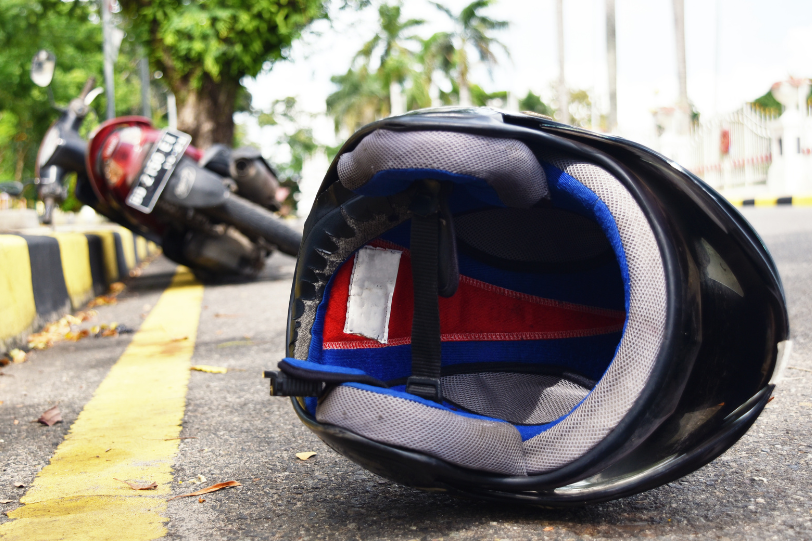
How The Injury Helpline Can Help
After a lane-splitting accident, you may feel overwhelmed, especially if you’re injured, unable to work, or dealing with a combative insurer. The Injury Helpline offers a lifeline for riders navigating this complex legal terrain.
Available 24/7, The Injury Helpline provides:
- Free consultations with no upfront fees
- Access to qualified personal injury attorneys who understand your state’s motorcycle laws
- Referrals to medical experts and accident reconstruction specialists
- Assistance negotiating with insurers to ensure you’re not pressured into lowball settlements
- Support with long-term needs, including life-care planning or structured settlements
Lane-splitting accidents are more than just traffic incidents—they’re moments where lives can change in a flash. For motorcyclists, the risks are real, and the legal aftermath can be complex. But being informed, collecting evidence, and seeking experienced legal guidance can help you protect your rights and your future.
The Injury Helpline is here to assist, day or night. With a network of dedicated attorneys and a commitment to supporting injured riders, the path forward becomes clearer, fairer, and more manageable. Whether your injuries are moderate or severe, you don’t have to face the system alone.