

Understanding Lifeguard Negligence: When Professional Lapses Lead to Poolside Tragedies
Most people visiting a swimming pool assume lifeguards are alert, well-trained, and ready to respond to emergencies the moment they arise. Parents relax a little, swimmers focus on fun, and facility managers trust their aquatic team to do their job. Unfortunately, this trust can be tragically misplaced.
Lifeguard negligence occurs when a lifeguard—or the organization responsible for hiring and supervising them—fails to uphold their duty of care, resulting in injuries or even fatalities that could have been prevented. Unlike pools that clearly warn visitors “No Lifeguard on Duty,” facilities with staffed guards assume a much higher standard of vigilance. That includes constant scanning, timely intervention, and having emergency rescue skills sharp and ready.
When lifeguards are inattentive, underqualified, or ill-prepared, the consequences can be swift and devastating: permanent brain damage from delayed rescues, spinal injuries during improper extractions, or fatal drownings that send shockwaves through families and communities.
From a legal standpoint, these incidents intersect with both premises liability and professional negligence law. That means pool owners, operators, staffing firms, and sometimes even individual lifeguards can be held responsible when their actions—or inaction—fall below the level of reasonable care expected of trained professionals.
How Lifeguard Negligence Happens: A Systemic Problem
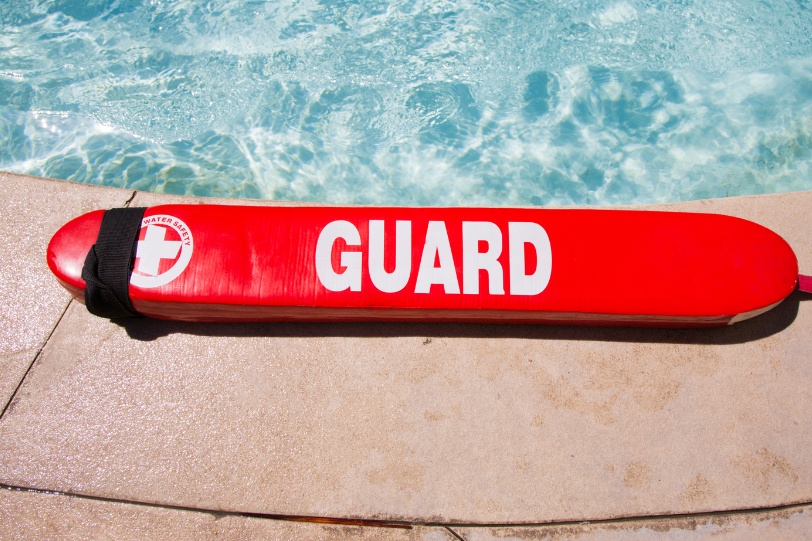
At first glance, a lifeguard stand, rescue tube, and uniform might appear to guarantee safety. But appearances can be deceiving. Lifeguard negligence is rarely the result of one bad moment. More often, it’s the culmination of organizational failings, lax supervision, poor training, and a dangerous culture of complacency.
One of the most common issues is inadequate staffing. Facilities trying to cut costs may assign a single lifeguard to oversee an entire pool complex, including slides, lap lanes, and kiddie areas. When one guard is spread too thin, they can’t possibly monitor every swimmer effectively. Equally concerning are excessive shifts. Lifeguards posted outdoors in extreme heat or sun glare for long, uninterrupted periods face fatigue that erodes attention and increases the risk of micro-sleeps—brief lapses in awareness that can last just seconds, but cost lives.
Technology also plays a role. Despite training, some guards succumb to distractions: checking phones, chatting with coworkers, or scrolling music playlists. In an environment where drowning often occurs silently and within seconds, even a brief glance away can make all the difference.
Training gaps contribute heavily as well. Many seasonal or part-time guards complete only minimal online coursework. Without regular hands-on rescue drills and up-to-date CPR certification, their confidence may not match their competence. Unfortunately, some facilities prioritize getting staff on duty quickly over maintaining robust credentials, allowing certifications to lapse unnoticed.
Add in weak management oversight—such as skipping rescue drills, ignoring rule violations, or delaying equipment replacement—and you have a recipe for disaster. The most tragic part is that many of these incidents are not unpredictable freak accidents. They are the foreseeable outcome of preventable lapses.
Real-World Examples: What Lifeguard Negligence Looks Like
Negligence by a lifeguard doesn’t always come with flashing red flags. In many instances, it reveals itself in subtle ways, missed moments, or poor decision-making at critical junctures. Here are some scenarios that often serve as case studies in litigation and safety training alike:
- A young swimmer shows quiet signs of distress—subtle head bobbing, low hand movements—but the guard is scanning lazily or talking with a friend. Nobody notices until it’s too late.
- A child dives into the shallow end and hits their head. The guard, unsure of spinal injury protocols, pulls the victim out vertically rather than using a backboard, exacerbating a spinal cord injury that might otherwise have been stabilized.
- A lifeguard leaves their post for a snack break, believing a teammate will cover their zone. But no handoff happens. In the short gap, a toddler falls into the water unnoticed.
- A slide dispatch area becomes congested. Multiple riders collide in the splashdown zone because the guard failed to pause traffic or clear the pool.
- When a cardiac event occurs in the lap lane, the on-duty guard fumbles the facility’s AED device—either because it’s missing pads, hasn’t been charged, or they haven’t practiced its use in months.
These are not isolated or rare events. Each one points back to a breakdown in oversight, communication, or training, usually more than one.
The Consequences: Physical, Emotional, and Financial Toll
In the aftermath of a negligent rescue or a missed drowning, the injuries can be catastrophic. One of the most common is brain injury due to oxygen deprivation. The brain begins to suffer irreversible damage in as little as four to six minutes without air. Survivors may face memory loss, motor control issues, and in some cases, permanent vegetative states.
Other consequences include:
- Spinal injuries from improper handling can leave victims paralyzed from the neck or waist down.
- Acute respiratory distress syndrome (ARDS) in near-drowning survivors requiring ventilation and intensive care.
- Fractures and lacerations from delayed rescues or collisions with pool structures.
- Psychological trauma, including PTSD in victims and witnesses, especially family members who witnessed a failed rescue attempt.
- Injuries to bystanders who jump in to help because the lifeguard didn’t act in time, sometimes resulting in secondary harm.
Medical costs quickly climb into six or seven figures. Rehabilitation may last months or years, and in severe brain or spinal injury cases, victims may require lifelong care.
Legal Responsibilities of Lifeguards and Aquatic Facilities
Legally, lifeguards are held to a professional standard of care. This means their actions are compared not to the general public, but to what a trained, reasonably competent lifeguard would do in a similar situation. The facilities that hire them, whether directly or through staffing contractors, share in that responsibility.
Among the duties typically expected of lifeguards and their employers:
- Active Surveillance: Using the “10-20 Rule,” a guard should scan their assigned zone every 10 seconds and be able to reach any part of that zone within 20 seconds.
- Adequate Staffing: Facilities must assign an appropriate number of guards based on pool size, features (like slides), and number of patrons. Most industry standards suggest one guard per 25–50 swimmers, though exact ratios vary by state and setting.
- Valid Certifications: Lifeguards must maintain current certifications in lifeguarding, first aid, CPR, and AED use. Employers are responsible for ensuring these credentials are valid and that guards are physically and mentally capable of performing rescues.
- Emergency Preparedness: Rescue equipment, including backboards, oxygen units, and AEDs, must be accessible, inspected regularly, and functional. Facilities should conduct regular mock rescues and emergency response drills.
- Uninterrupted Zone Coverage: Guard zones must remain covered at all times, even during restroom or snack breaks. One guard leaving a station without replacement is a major breach of safety.
When a facility fails to enforce these standards and someone is hurt as a result, legal liability becomes a very real possibility.
Who Can Be Held Liable?
Responsibility for lifeguard negligence can extend to several parties:
- The pool owner or operator, whether a municipality, private club, hotel, or water park, is ultimately responsible for ensuring safety.
- The lifeguard staffing company, if one is used, may be liable for hiring underqualified staff or failing to supervise their performance.
- The individual lifeguard, especially if their actions were reckless or clearly outside the bounds of training.
- Training organizations, though rarely sued, may face scrutiny if it turns out that certification materials were falsified or severely inadequate.
- Product manufacturers, in cases where equipment like rescue tubes or AED units fail due to design or production flaws.
Proving Negligence: What Evidence Matters
In lifeguard negligence cases, documentation is crucial. The more detailed and time-stamped the evidence, the stronger the potential claim.
Key evidence may include:
- Staff schedules and pool zone charts
- Security footage from poolside cameras
- Lifeguard training records and certification status
- Maintenance logs for rescue equipment
- Witness statements from guests or other employees
- Internal incident reports or reports filed with EMS
- Expert testimony from aquatic safety professionals
Attorneys often retain outside consultants—such as those certified by organizations like the American Red Cross or Ellis & Associates—to review footage and staffing protocols against industry best practices.
Common Legal Defenses and How They Are Addressed
Defense teams may argue that the swimmer’s own actions caused the accident. This can include swimming alone, ignoring posted rules, or using the pool after hours. In many states with comparative negligence laws, such arguments may reduce but not eliminate liability. For instance, a court may assign 20% of the blame to the victim and 80% to the facility, resulting in a corresponding reduction in compensation.
Other defenses include:
- Claiming a sudden medical emergency that could not have been predicted or avoided
- Asserting that the pool was closed at the time, even when physical barriers or signage were missing
- Stating that staffing ratios met guidelines, when in practice, zones were too wide or guards were inattentive
Experienced attorneys can counter these defenses by showing inconsistent policies, prior complaints, or deviation from well-established standards.
What Compensation Is Available?
If negligence is established, victims and their families may recover compensation for a wide range of damages, including:
- Emergency and ongoing medical care
- Rehabilitation, adaptive devices, and in-home care
- Lost wages or future earning capacity
- Pain and emotional suffering
- Loss of consortium or family support
- Funeral and burial expenses, in wrongful death cases
- Punitive damages, in extreme cases of recklessness or cover-up
Each case is unique, and compensation reflects not only the severity of the injury but also the impact on the victim’s quality of life.
How The Injury Helpline Supports Victims and Families
Navigating the aftermath of a lifeguard-related accident is overwhelming. That’s why The Injury Helpline offers 24/7 access to experienced legal professionals who understand the emotional, medical, and legal toll these tragedies impose.
- Always Open – 24/7 phone access ensures immediate answers.
- No‑Fee Evaluation – Determine claim strength without added financial stress.
- Nation‑Wide Network – Attorneys versed in state pool codes, lifeguard standards, and agency guidelines.
- Expert Resources – Partnerships with nationally recognized aquatic‑safety experts and life‑care planners.
- Contingency Representation – Families owe nothing unless compensation is secured.
- Holistic Guidance – From grief counseling referrals to coordinating special‑needs trusts for long‑term care, The Injury Helpline stays engaged well beyond settlement.
Lifeguard negligence transforms pools from places of joy into arenas of tragedy, often in mere seconds. Whether a guard is scrolling through social media, absent from the stand, or ill‑prepared to perform life‑saving CPR, their lapse undercuts the layered safety system patrons depend on. When management compounds these failures through understaffing, skipped training, or falsified records, catastrophic injuries or deaths become chillingly predictable.
Families blindsided by such preventable harm deserve swift answers, financial security for mounting medical bills, and assurance that systemic corrections will protect other swimmers.
The Injury Helpline, available 24/7 for a free consultation, connects victims nationwide with attorneys who specialize in aquatic‑safety negligence. Through diligent investigation, expert testimony, and steadfast advocacy, they help convert heartbreak into accountability and lasting changes, so that poolside whistles, once again, symbolize true vigilance rather than a hollow promise.