

Parking Lot Falls: Who’s Liable, What You Can Claim, and Why They Matter
A quick errand or grocery run shouldn’t result in an emergency room visit, but it can when parking lot conditions go ignored. Parking lot falls happen when a pedestrian slips, trips, or stumbles on unsafe surfaces in public or private lots, garages, or drive aisles. These incidents are far more common than most people realize, and the injuries they cause can be just as serious as those from a highway collision.
Cracked asphalt, oil slicks, loose gravel, or black ice might seem like minor oversights. Yet when someone’s hip fractures or spine is compressed from a fall, the consequences are anything but minor. Medical bills pile up, work is missed, and long-term discomfort can follow—all due to hazards that property owners were supposed to fix.
In legal terms, a parking lot falls under premises liability law. This means that the party responsible for maintaining the lot—whether it’s a major retail chain, a landlord, a municipality, or a contracted snow-removal company—must keep it safe. When that duty is ignored, injured individuals may be eligible for compensation.
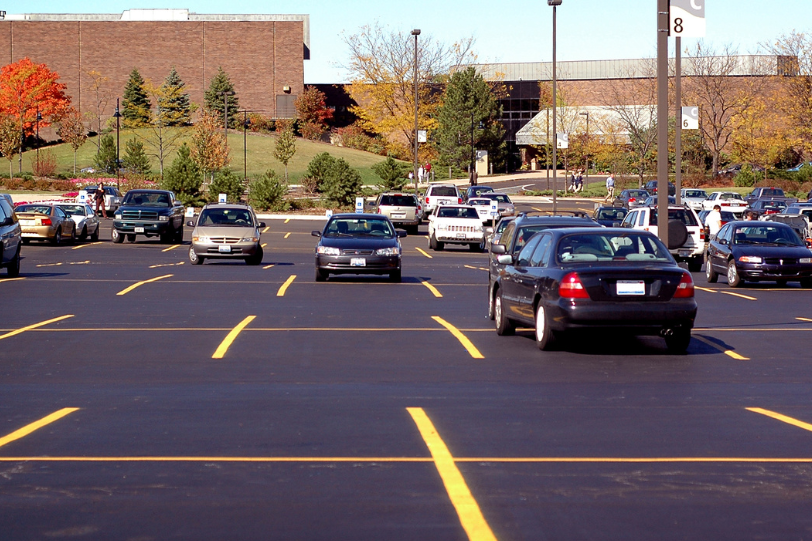
Why Parking Lots Are High-Risk Zones for Falls
Parking areas are uniquely challenging environments. Unlike indoor spaces, they combine pedestrians, moving vehicles, shopping carts, and environmental exposure—all of which raise the odds of slipping or tripping.
Several factors contribute to their hazard potential:
- Heavy usage: Cars, trucks, and delivery vehicles wear down surfaces more aggressively than standard footpaths.
- Weather exposure: Freeze-thaw cycles, rain, snow, and road salt degrade pavement, creating cracks, ice, and faded markings.
- Visibility issues: Dim lighting, shadows from trees or structures, and broken bulbs can obscure hazards until it’s too late.
- Maintenance delays: Storefronts and tenant interiors often get prioritized for repairs, while the lot outside goes overlooked.
- Shared responsibility confusion: In strip malls or multi-unit centers, disputes between landlords and tenants over who handles repairs or snow removal can delay necessary fixes.
These factors create predictable danger points—and when they’re ignored, preventable injuries follow.
Common Hazards That Lead to Parking Lot Falls
Most falls don’t occur out of nowhere. They’re often the result of clear and correctable conditions that property managers failed to address. These are among the most frequent culprits:
- Potholes and uneven pavement: Sudden height differences or deep holes trip unsuspecting walkers.
- Oil or coolant leaks: Slick patches from parked cars can be nearly invisible, especially after light rain.
- Faded markings and hidden curbs: Without clear paint or signs, wheel stops and curb edges become hidden hazards.
- Black ice or melting snow: Slippery surfaces in shaded areas or near plowed snow piles can cause fast, forceful slips.
- Debris and loose gravel: Trash, broken pavement, or scattered product deliveries create unstable footing.
- Inadequate lighting: Poorly lit lots reduce visibility, making even modest hazards dangerous at night.
- Unmarked elevation changes: Ramps or plates left during construction projects require warnings or reflective tape to be safe.
Identifying these hazards helps victims—and their attorneys—establish fault.
Injuries Common in Parking Lot Falls
When a person hits unforgiving asphalt or concrete, the result is rarely mild. Some injuries resolve in days, others last a lifetime. Typical injuries include:
- Fractured limbs: Wrists, ankles, or arms often break from bracing a fall or landing unevenly.
- Hip and pelvic injuries: These are especially severe among older adults and can require surgery or lead to permanent mobility issues.
- Spinal injuries: Compression or herniation of vertebrae may result in chronic back pain or nerve damage.
- Traumatic brain injuries (TBI): When the head strikes pavement or bumpers, concussions or intracranial bleeding can follow.
- Facial trauma: Falling forward may damage teeth, lips, or cheekbones—some injuries requiring plastic or dental surgery.
- Soft-tissue damage: Torn ligaments in the shoulders, knees, or the rotator cuff often require extended recovery and physical therapy.
Beyond the physical pain, these injuries bring financial strain, emotional stress, and interruptions to work or daily activities.
Who Is Legally Responsible?
Determining liability requires identifying who controlled or maintained the lot, as well as proving that they knew—or should have known—about the hazard and failed to act in time. Possible responsible parties include:
- Retailers and restaurant chains: Most large stores maintain their own lots and carry liability insurance.
- Commercial landlords: In multi-tenant centers, the landlord usually handles lot upkeep and snow removal unless otherwise contracted.
- Property management companies: When hired to handle inspections or maintenance, these firms may share responsibility if they were negligent.
- Snow or landscape contractors: Improper plowing, neglected icy patches, or debris left after services can open these parties to liability.
- Municipalities: When falls happen on city-owned lots or curbside parking areas, local government may be liable, but with shorter deadlines and capped damages.
- Delivery vendors: If a delivery vehicle leaks oil or drops merchandise that causes a fall, the delivery company might also be held responsible.
Legal Elements of a Claim
To pursue a claim for a parking lot fall, you’ll need to show that:
- A legal duty existed: The responsible party had an obligation to maintain the lot safely.
- That duty was breached: The party failed to fix or warn about a dangerous condition.
- The breach caused your injury: The hazard directly led to your fall and subsequent harm.
- You suffered damages: Medical bills, lost income, and physical or emotional pain resulted.
Evidence might include security footage, photos of the scene, witness statements, weather reports, or maintenance records.
Common Defenses and How to Overcome Them
Property owners often push back on liability with several standard arguments. Here’s how they work—and how a strong case can counter them:
- Distraction: You were looking at your phone, not the ground. But distractions don’t erase the property owner’s duty to maintain safe conditions.
- Inappropriate footwear: High heels or flip-flops may be blamed. Showing that the hazard was unsafe regardless of footwear helps.
- Open and obvious danger: They’ll argue that any reasonable person would have seen the hazard. Poor lighting, obstruction, or time of day can weaken this defense.
- No prior notice: If they claim they weren’t aware of the issue, evidence like maintenance records or repeated complaints can show otherwise.
Comparative negligence laws in many states reduce compensation based on shared fault. But even partial recovery can be meaningful when injuries are severe.
Compensation Available
If liability is proven, you may be entitled to:
- Medical costs: Surgeries, ER visits, therapy, medications, and mobility equipment.
- Lost wages: Income missed while recovering, or long-term reductions in earning ability.
- Pain and suffering: Physical and emotional impacts—discomfort, anxiety, and limitations on daily life.
- Incidental costs: Travel to medical appointments, home adjustments, or replacing damaged items.
- Wrongful death damages: In fatal incidents, families can claim funeral costs, lost financial support, and emotional losses.
Calculating these damages takes into account both short-term costs and long-term needs.
Five Common Questions About Parking Lot Fall Claims
- Is the owner always at fault if I fall?
No. You must show they knew or should’ve known about the hazard and failed to address it in a reasonable timeframe. - How fast must snow and ice be cleared?
Rules vary, but most jurisdictions require clearing within a “reasonable” period after snowfall, often several hours. - Can a video clip help my case?
Absolutely. Footage showing your careful walking or the hazard itself can strongly support your claim. - What if I fell on a small crack?
Some courts dismiss claims over “trivial” defects, but factors like poor lighting or repeated complaints can elevate their seriousness. - Do I need a lawyer for a minor injury?
Even smaller injuries may cause lingering effects or missed work. The Injury Helpline connects you to attorneys who pursue fair compensation across all injury levels.
What to Do After a Parking Lot Fall
The minutes and hours after a fall matter. Take these steps to protect your health and a potential claim:
- Seek immediate medical care: This builds your injury record and addresses hidden damage.
- Photograph the scene: Capture the hazard, lighting, weather conditions, and any warning signs, or lack thereof.
- Collect witness info: Bystanders can confirm what happened or comment on the lot’s condition before your fall.
- File an incident report: Alert store management or property security and request a copy for your records.
- Preserve your shoes and clothing: They may help rebut claims of inappropriate attire or slipping due to worn soles.
- Consult legal counsel quickly: In municipal cases, especially, you may have as little as 30–90 days to file official notice.
How The Injury Helpline Supports Victims of Parking Lot Falls
When you’re dealing with a painful fall, the last thing you need is legal confusion. The Injury Helpline exists to simplify that process:
- 24/7 Access: Help is available anytime—day, night, or weekend.
- Free Consultations: You can explore your options without financial commitment.
- State-Specific Legal Matches: Laws differ on snow removal, notice requirements, and shared responsibility. The Helpline connects you to attorneys who know your area’s rules.
- Contingency-Based Representation: You don’t pay unless your case succeeds.
- Ongoing Support: As your needs evolve, The Injury Helpline remains available for updates or new questions.
It may feel awkward or embarrassing to fall in public, but the consequences are often serious. Medical debt, missed paychecks, lasting pain, or even disability may follow. Property owners have a duty to keep their lots safe. When they don’t, injured individuals have the right to seek justice.
If you’ve been hurt in a parking lot fall, act quickly. Gather evidence, seek treatment, and reach out for legal advice. The Injury Helpline, available 24/7 for a free consultation, can connect you nationwide with attorneys skilled in parking‑lot claims. With their help, you can pursue medical cost recovery, wage replacement, and fair compensation for the pain and disruption a preventable fall has caused, while pushing property owners to keep walkways safe for everyone.