

What Are Rideshare Fatigue-Related Crashes?
A ride‑share fatigue crash occurs when a rideshare driver—working for platforms such as Uber, Lyft, or regional app services—operates a vehicle while dangerously drowsy and then collides with another car, cyclist, pedestrian, or fixed object. Unlike traditional taxi systems that mandate regulated shifts, many app‑based drivers juggle multiple gigs, drive late‑night “surge” hours after a full‑time day job, or switch between ride‑share and food‑delivery apps without meaningful rest. Exhaustion slows reaction time, clouds judgment, and in severe cases causes “microsleeps” that last seconds—long enough at 55 mph for a car to travel half a football field blind. When a drowsy driver runs a red light or veers into oncoming traffic, unsuspecting passengers and everyone sharing the road can suffer catastrophic injuries or death.
Because the ride‑share economy blurs traditional employer‑employee lines and relies on algorithms that reward ever‑longer hours, liability is rarely limited to the individual behind the wheel.
App companies, fleet‑leasing firms, vehicle‑inspection contractors, regulatory agencies, and even bar owners who overserve passengers demanding late‑night rides may share blame. Critical evidence—driver app logs, vehicle telematics, dash‑cam footage, and fatigue warnings—can vanish if requests aren’t made quickly.
That’s why The Injury Helpline keeps its phones open 24/7 for a free consultation, instantly connecting fatigue‑crash victims nationwide with attorneys committed to preserving evidence and securing full compensation.
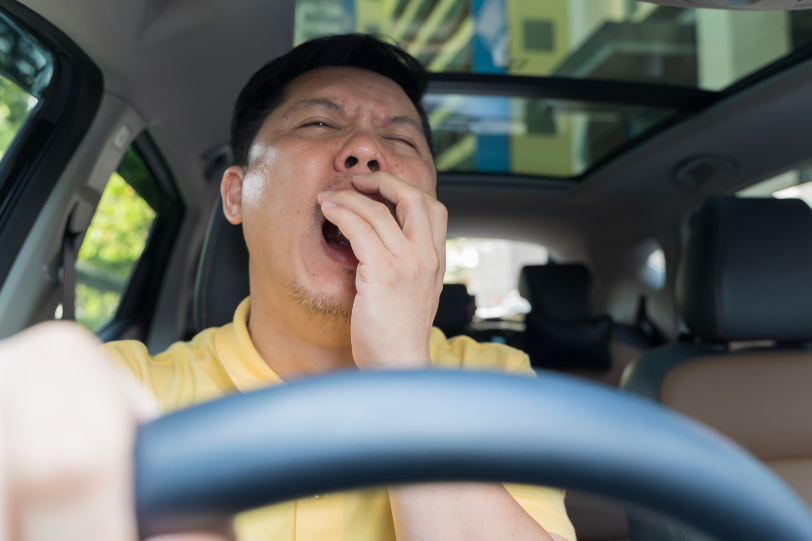
Why Fatigued Rideshare Driving Is Dangerous
The risks associated with driving while fatigued are amplified in the gig economy, where rideshare drivers often operate on unpredictable schedules with little regulatory oversight. Fatigue affects both mental clarity and physical reaction time, putting everyone on the road at risk. These are some of the most serious ways that drowsy driving among rideshare operators compromises public safety:
- Circadian Disruption – Surge pricing peaks between 10 p.m. and 4 a.m., directly opposing natural sleep cycles.
- App Incentive Pressure – Quests, streak bonuses, and surge multipliers encourage marathon shifts.
- Dual‑App “Stacking” – Drivers toggle between ride‑share and delivery apps, extending work periods beyond any one platform’s cap.
- Inadequate Screening – Platforms ask only a brief health questionnaire; no medical exam for sleep apnea or stimulant use.
- Gig‑Economy Financial Strain – Drivers chase fares to offset vehicle costs, sometimes ignoring rest warnings and meal breaks.
- Absence of Federal Hours‑of‑Service Rules – Unlike truckers, ride‑share drivers face no nationwide fatigue regulation.
- False Sense of Alertness – Energy drinks and loud music may keep drivers awake temporarily, but don’t improve reaction time or alertness
- Urban Distraction Load – GPS rerouting, passenger chat, and multitasking amplify the impact of slow reaction times.
- Infrequent Inspections – Faulty headlights, worn tires, and weak brakes worsen crash severity once fatigue triggers error.
Common Causes and Risk Factors of Rideshare Fatigue Crashes
Fatigue-related rideshare crashes don’t happen in a vacuum. They stem from a combination of driver behavior, platform design, financial pressure, and regulatory blind spots. The following causes and contributing factors are frequently found in these incidents:
- Excessive Shift Lengths
Drivers clock 12–16 hours to hit bonus tiers or cover rising fuel prices. - Back‑to‑Back Gig Work
After a full day’s work, drivers immediately begin night ride‑share sessions. - Sleep Disorders
Untreated sleep apnea or insomnia amplifies fatigue but remains undisclosed to platforms. - Stimulant Crash
Energy drinks or caffeine pills produce brief alertness followed by rapid performance decline. - Monotonous Routes
Late‑night highway dead zones induce “highway hypnosis.” - Alcohol‑Heavy Passenger Demand
Weekend bar closings extend driving until 4–5 a.m. - Algorithmic Nudges
In‑app prompts—“You’re only $5 away from the next bonus!”—dissuade drivers from signing off. - Limited Rest Facilities
Airport staging areas and city lots lack quiet zones; drivers nap uncomfortably in seats. - Platform Policy Loopholes
Mandatory 12‑hour limit resets after a short offline period; drivers circumvent this with multiple accounts. - Inadequate Regulatory Oversight
City rules focus on background checks but ignore fatigue tracking.
Common Injuries in Fatigue-Related Rideshare Crashes
Crashes caused by driver fatigue often occur at high speeds or in situations where delayed reaction times lead to full-impact collisions. As a result, the injuries suffered in these incidents can be severe, permanent, or even fatal. Victims commonly face the following medical consequences:
- Traumatic Brain Injuries (TBI) – Concussions to diffuse axonal injuries leading to permanent cognitive deficits.
- Spinal Cord Damage – Paralysis or chronic neuropathic pain.
- Multiple Fractures – Legs, pelvis, ribs, and arms from high‑speed impacts.
- Internal Organ Trauma – Spleen and liver lacerations, pneumothorax, internal bleeding.
- Facial and Dental Injuries – Broken jaws, orbital fractures, tooth loss for unbelted rear passengers.
- Wrongful Death – Instant loss or later complications such as sepsis or embolism.
- Psychological Trauma – PTSD, anxiety, traveling in cars, depression.
- Economic Losses – Hospital bills, long‑term rehab, lost earnings, home renovations for disabilities.
Victims may require surgeries, prosthetics, in‑home nursing, occupational therapy, and mental health counseling, often costing millions over a lifetime.
Parties That May Bear Liability
Legal responsibility in fatigue-related rideshare crashes may extend far beyond the individual driver. Because of the layered nature of the rideshare economy, multiple third parties may have contributed to the dangerous conditions that led to the accident. Key potential defendants include:
- Ride‑Share Driver – Primary negligence in driving drowsy.
- Ride‑Share Companies – Uber, Lyft, or regional platforms that design incentive systems and set lax rest policies.
- Fleet‑Leasing Firms – Provide vehicles, impose payment schedules that pressure drivers to overwork.
- Third‑Party Dispatch Apps – Encourage “stacking” rides across multiple services.
- Vehicle‑Inspection Contractors – Negligent inspection of brakes, tires, or headlights.
- Municipal Regulators – Negligent permitting of drivers with known sleep issues or excessive citation histories.
- Automakers and Parts Suppliers – Air‑bag, seat‑belt, or collision‑avoidance failures exacerbating injuries.
- Insurance Carriers – Bad‑faith denial or delay of coverage under commercial ride‑share policies.
- Other Motorists – Secondary collisions from drivers unable to react to the initial fatigue‑crash scene.
Legal Theories and Paths to Compensation
Victims of rideshare fatigue crashes may pursue several legal avenues for compensation, depending on the details of the crash and the parties involved. The following legal frameworks are often used to support claims and secure justice for those harmed:
- Negligence – Breach of duty to operate safely and ensure a rested condition.
- Negligent Hiring, Retention, and Supervision – Platforms ignoring patterns of long shifts, crash history, or user fatigue complaints.
- Vicarious Liability – Ride‑share companies may be deemed joint employers under agency principles or state statutes.
- Product Liability – Defective drowsiness‑detection tech promised by platforms or in‑vehicle systems but is failing.
- Statutory Violations – Breach of local driving‑hour caps or failure to display fatigue warnings.
- Punitive Damages – For reckless bonus schemes, ignoring known fatigue limits, or falsifying hour logs.
- Insurance Bad Faith – Commercial insurers denying obvious claims or undervaluing catastrophic injuries.
- Wrongful‑Death Claims – Funeral costs, lost future earnings, and companionship for bereaved families.
Statutes of limitation run one–three years; ride‑share terms may require swift notice. The Injury Helpline ensures compliance and presses platforms to preserve server data before automatic deletion.
Vital Evidence for Ride‑Share Fatigue Cases
In fatigue-related crashes, the strength of your case often hinges on obtaining timely digital and physical evidence. Many rideshare companies automatically purge driver and trip data within days. To build a compelling case, attorneys typically rely on evidence like the following:
- App Activity Logs – Exact online hours, ride counts, and gap times across multiple platforms.
- Vehicle Telematics and Black‑Box Data – Speed, brake timing, lane‑departure warnings ignored.
- Dash‑Cam Footage – Driver yawning, eyes closing, or nodding moments before impact.
- Cell‑Phone Records – Show multi‑app juggling, continuous GPS use, music/stimulant searches.
- Bonus and Earnings Screenshots – Demonstrate algorithmic pressure late into the shift.
- Platform Policies and Internal Emails – Reveal knowledge of fatigue risks and resistance to stricter caps.
- Credit‑Card and Fuel Receipts – Track timeline to refute the driver’s claimed rest periods.
- Eyewitness Accounts – Passengers noting erratic driving, swerving, or driver admission of exhaustion.
- Medical Reports – Toxicology ruling out alcohol but confirming fatigue through crash dynamics.
- Expert Sleep‑Science Testimony – Establish impairment equivalence to high BAC levels.
- Vehicle‑Inspection Documents – Prove mechanical defects that worsened crash outcomes.
The Injury Helpline issues subpoenas and digital forensics holds to prevent platforms from purging ride histories or driver messages.
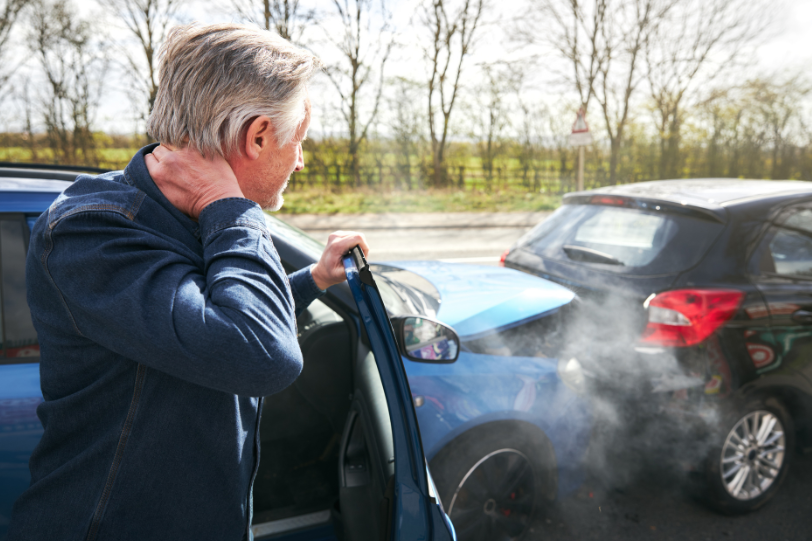
Common Defense Arguments and Strategic Rebuttals
Rideshare companies and their insurers are known to mount aggressive defenses in an effort to avoid liability. These defenses often attempt to shift blame onto the driver alone, the victim, or outside conditions. Understanding these arguments—and how to challenge them—can make or break a claim:
- Independent Contractor Status – Platforms claim no duty; courts increasingly find control via pricing, deactivation, and rule enforcement.
- Driver Concealed Fatigue – Algorithms highlighted shift length; platform still allowed log‑on.
- Other Motorist or Weather Cause – ECM and dash‑cam data show delayed braking and lane drift consistent with drowsiness, not weather.
- Comparative Fault of Passenger (Distraction) – Even chatty riders don’t excuse driver exhaustion.
- Compliance With Local Hour Caps – Caps reset after short breaks; experts show cumulative fatigue over days.
- No Prior Complaints – App feedback logs often reveal earlier rider warnings; discovery uncovers them.
- Arbitration Clauses – Courts may exempt injury victims; some states ban ride‑share forced arbitration post‑collision.
Spoliation motions, public‑policy arguments, and expert testimony dismantle weak defenses and push for punitive findings.
Categories of Recoverable Damages
A successful injury claim can result in financial compensation that addresses the full scope of your losses—both tangible and intangible. Below are the most common categories of damages available to victims of fatigue-related rideshare crashes:
- Medical Expenses – EMS, surgeries, ICU, rehabilitation, medications, counseling.
- Future Care Costs – Life‑care plans, home modifications, adaptive vehicles, attendant care.
- Lost Wages and Diminished Earning Capacity – Past income and economist‑projected lifetime losses.
- Pain, Suffering, and Emotional Distress – Physical pain, PTSD, anxiety, loss of enjoyment.
- Disfigurement and Disability – Scarring, prosthetics, mobility limitations.
- Loss of Consortium – Spouse’s lost companionship, intimacy, household services.
- Punitive Damages – For willful bonus schemes ignoring fatigue science or data deletion.
- Property Damage – Vehicle replacement, phone, medical devices.
- Wrongful‑Death Compensation – Funeral costs, loss of support, guidance, and emotional damages.
Five Frequently Asked Questions
- The ride‑share driver’s policy denied coverage—what now? Ride‑share platforms carry commercial liability policies (often $1 million). The Injury Helpline attorneys unlock those layers and, if necessary, tap uninsured/underinsured motorist (UM/UIM) coverage.
- I was a passenger not wearing a seat belt—do I still have a case? Yes. Lack of a belt may reduce damages in some states, but doesn’t erase platform or driver negligence in causing the crash.
- How can we prove the driver was fatigued? App logs, timestamped ride streaks, dash‑cam video of eyelid closures, and expert sleep analysis together build a compelling narrative.
- Are there federal rules on ride‑share driving hours? No nationwide standard. Some cities limit app hours, but enforcement gaps exist. Evidence of regulatory non‑compliance still supports negligence.
- How fast should I call The Injury Helpline? Immediately. Platforms purge trip data after set periods, and vehicles may be repaired quickly. The Injury Helpline is available 24/7.
Preventing Ride‑Share Fatigue Crashes
Reducing the number of fatigue-related rideshare crashes requires action from all sides—platforms, drivers, passengers, and lawmakers. The following changes and practices can help prevent these dangerous incidents before they happen:
Platform Changes
- Hard 10‑hour daily cap across all partner apps.
- Mandatory six‑hour offline rest periods.
- Fatigue‑warning pop‑ups with a lock-out after repeated dismissals.
- Driver sleep‑health screenings and subsidized apnea treatment.
Driver Best Practices
- Limit shifts to 8–10 hours within a 24‑hour window.
- Avoid back‑to‑back daytime and late‑night driving.
- Take 15‑minute breaks every two hours—stretch, hydrate, and nap if needed.
- Recognize microsleep signs—blinking often, lane drift, nodding—and stop immediately.
Passenger Awareness
- Rate and report drivers who yawn excessively or admit fatigue.
- End the ride if the driver seems unsafe; report via the app and to local authorities.
Legislative Measures
- Enact city or state‑level hour limits with cross‑platform data sharing.
- Require fatigue‑management training for ride‑share licensing.
- Mandate onboard driver‑monitoring cameras with eye‑tracking fatigue alerts.
Immediate Steps After a Suspected Fatigue‑Related Crash
If you’ve been in a crash and suspect fatigue was a factor, the steps you take in the first few hours can significantly affect your recovery and legal case. Follow these critical actions to protect your health, your rights, and the evidence needed to prove liability:
- Call 911 – Request police, EMS; report injuries.
- Seek Medical Attention – Adrenaline masks pain; CT scans catch hidden injuries.
- Document Scene – Photos of vehicles, interior, dash‑cam, driver ID visible on app.
- Collect Witness Contacts – Passengers, pedestrians, other motorists.
- Retrieve App Receipts – Screenshot ride details: driver name, license plate, timestamps, route.
- Do Not Speak to Insurers Alone – Adjusters record statements; consult counsel first.
- Preserve Physical Evidence – Broken glasses, bloody clothing, and seat‑belt status.
- Contact The Injury Helpline – Attorneys dispatch crash‑reconstructionists, subpoena ride logs, and coordinate specialized medical care.
How The Injury Helpline Empowers Fatigue‑Crash Victims
- 24/7 Live Human Response – Immediate advice from legal professionals.
- Free Comprehensive Case Review – Explore liability layers—driver, platform, broker, bar without cost.
- Nation‑Wide Attorney Network – Trial‑tested lawyers fluent in ride‑share regulations and injury valuation.
- Elite Expert Team – Sleep‑medicine physicians, human‑factors engineers, data‑forensics analysts, economists, life‑care planners.
- Contingency‑Fee Representation – No legal fees unless you receive compensation.
- Holistic Support – Medical‑lien negotiation, structured‑settlement setup, counseling referrals, vehicle‑repair guidance.
Ride‑share fatigue crashes strip the gig‑economy veneer to reveal a hard truth: when platforms reward unsustainable hours, roads become laboratories for drowsy disasters. Passengers entrust drivers—and the apps that dispatch them—with their safety. When that trust is betrayed by bleary eyes chasing surge bonuses, the human cost is measured in shattered bones, lost careers, and empty seats at family tables.
If exhaustion turned your ride‑share trip into a tragedy, act now. Preserve digital ride receipts, seek urgent medical care, and enlist attorneys who understand the interplay of app algorithms, sleep science, and negligence law.
The Injury Helpline, open around the clock for a free consultation, connects victims nationwide with advocates determined to secure every dollar for surgeries, rehabilitation, and a future free from constant worry. Together, we can hold drowsy drivers—and the companies that push them—fully accountable, making rides safer for all.