

What Are Service Animal Attacks?
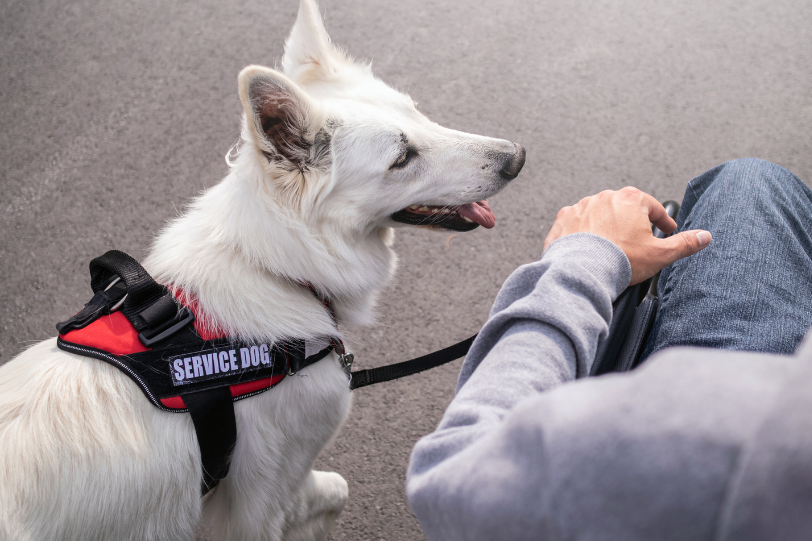
A service animal attack refers to an incident in which a dog (or, in rare cases, another type of trained assistance animal) injures a person, either through biting, aggressive behavior, or related physical harm. Service animals, commonly dogs, typically undergo specialized training to assist individuals with disabilities—guiding the visually impaired, alerting the deaf to dangers, providing mobility support, or aiding in other essential tasks. Because these animals are usually well-trained, service animal attacks are less common than standard dog bite incidents. However, when they do occur, the injuries and legal implications can be significant.
Like general dog bite cases, service animal attacks involve both physical harm—puncture wounds, tearing, or infection—and emotional trauma, especially if the victim was misled about the dog’s training or encountered the animal in a public venue. Complications arise since laws typically grant service animals broad access to establishments and public transportation. Determining negligence or liability may require analyzing the animal’s true status, the owner’s supervision efforts, and whether the dog displayed prior aggression.
Common Locations for Service Animal Attacks
Although service animals are legally permitted in nearly all public spaces, that access doesn’t guarantee absolute safety for others around them. From busy stores to packed airports, environments meant to be inclusive can occasionally become hazardous when an animal’s training is incomplete or nonexistent.
- Retail and Restaurant Environments
Because the ADA (Americans with Disabilities Act) allows service animals inside most public-facing businesses, an ill-trained or stressed dog could lash out at other patrons or employees. - Public Transit and Airports
Service animals ride on buses, subways, planes, and trains alongside owners who rely on their assistance. Close quarters might provoke defensive or territorial behaviors. - Apartment Complexes and Condominiums
Housing that forbids ordinary pets typically cannot exclude genuine service animals. Neighbors unfamiliar with the dog might inadvertently trigger a confrontation in hallways or shared facilities. - Schools and Campuses
Students with disabilities may bring service animals to class. If the dog is inadequately trained for the bustling environment, there’s a risk of accidental aggression toward peers or faculty. - Healthcare Facilities
Hospitals, clinics, and assisted living centers allow patients’ service animals under certain conditions. Stressful medical settings might confuse or overwhelm a dog, occasionally leading to bites.
How Are Service Animals Different from Emotional Support or Therapy Animals?
It’s important to note that under the Americans with Disabilities Act (ADA), service animals hold a distinct legal status compared to emotional support, therapy, or companion animals. Service dogs are specially trained to perform specific tasks for people with disabilities—think of guide dogs for the visually impaired or dogs trained to detect seizures. In contrast, emotional support animals and therapy animals provide comfort through their presence, but they lack the specialized task training required of service animals.
Because of these differences, only service animals—most commonly dogs—are granted broad public access rights under the ADA. Emotional support and therapy animals, while valuable to their owners, are not afforded the same legal protections, nor are they permitted in all public spaces where service dogs are allowed.
How and Why Service Animals May Cause Harm
Even the most obedient animals can behave unpredictably under the wrong conditions. Service animals are trained to perform essential tasks, not to be infallible.
When stress, misrepresentation, or health issues come into play, even these companions may react in ways that put others in danger.
- Stress or Overstimulation
High-traffic areas, large crowds, loud noises, or chaotic environments can spook even calm dogs. Overstressed animals may react defensively if they feel cornered or threatened. - Genuine Emotional or Psychiatric Assistance Dogs
While these dogs help with anxiety or PTSD, some lack formal obedience training. If owners incorrectly label an untrained pet as a service animal, unpredictability and aggression risks increase. - Provocation by Strangers
Well-intentioned individuals might approach and pet a service dog without asking. Sudden contact could startle the animal into biting or snapping. - Underlying Health Issues
Pain or illness can diminish a dog’s patience and tolerance. Even a well-trained service dog might respond aggressively if it’s suffering from untreated ailments or age-related discomfort. - Owner Negligence
Some owners may misrepresent their dog as a “service animal” purely to gain access to public venues, skipping professional training. These animals might behave like any untrained dog, including lashing out at perceived threats. - Potential Consequences and Treatments
Service animal attack injuries, akin to other dog bites, can be severe:
- Punctures and Lacerations
Even a single bite can puncture deep into muscle, creating jagged tears. Sutures, skin grafts, or reconstructive procedures might be required. - Infections
Dog mouths carry bacteria; swift medical attention and antibiotics are crucial. Untreated wounds risk cellulitis, abscesses, or systemic illnesses like sepsis. - Nerve and Tissue Damage
If the bite reaches nerves or tendons, victims may experience lasting mobility issues, numbness, or chronic pain. Physical therapy or surgeries might help with partial recovery. - Emotional Trauma
Being attacked by a service dog, meant to be well-mannered, can undermine trust, causing anxiety, depression, or fear around animals. Therapy or counseling may aid in emotional healing. - Disfigurement
Facial bites, especially among children, can leave permanent scars or require reconstructive surgery. This can dramatically affect self-esteem and daily life.
Treatment priorities include thoroughly cleaning and dressing wounds, verifying rabies vaccinations, preventing infection, and assessing the need for stitches or further care. In some cases, psychological therapy becomes as important as medical procedures.
Understanding State-Specific Dog Bite Liability Laws
Dog bite laws aren’t the same everywhere. Depending on where the incident occurred, the legal path to compensation can look very different. That’s why it’s so important to understand your state’s dog bite laws—and why Injury Helpline is here to connect you with experienced attorneys who know the local rules and will fight to protect your rights.
Strict Liability States
In many states, dog owners are automatically liable when their dog bites someone, regardless of the dog’s history. This is known as strict liability, and it means the victim doesn’t have to prove the owner was negligent.
Example: In California, if a dog bites you, the owner is responsible—even if it’s the dog’s first offense.
“One-Bite Rule” States
Other states follow the “one-bite rule”, which protects owners unless they knew or should have known their dog could be dangerous.
Example: In New York, you generally need to show the dog had a history of aggression for the owner to be held liable.
Negligence-Based States
In states like Florida, you can bring a case by proving the owner was negligent, for example, by letting a dog roam freely or failing to warn about a known risk.
Contributory & Comparative Negligence
In some states, your own actions during the incident matter. If you provoked the dog or ignored warnings, your compensation could be reduced—or even denied.
Example: Texas follows comparative negligence, meaning your payout could be reduced based on your level of responsibility in the accident.
Leash and Control Laws
Leash laws are common across the U.S. If a dog is off-leash in a public area and bites someone, the owner can be held liable, even if the dog had no history of violence.
Example: Illinois enforces local leash ordinances, and violations can be used as evidence in a lawsuit.
Dangerous Dog Statutes
Many states track and classify dogs deemed “dangerous.” Once a dog is legally declared dangerous, the owner can face heightened penalties if another bite occurs.
Example: Ohio has strict rules for dogs on the dangerous list, holding owners to higher standards and harsher consequences.
Why Contact Injury Helpline?
Dog bite laws can be confusing, but getting help shouldn’t be. When you reach out to Injury Helpline, you get:
- Free case evaluation with a local attorney
- No upfront fees—you only pay if we win your case
- Access to lawyers who specialize in state-specific dog bite claims
- Compassionate guidance every step of the way
Take Action Now
If you or a loved one has been bitten by a dog, don’t wait. State deadlines and legal nuances can affect your ability to recover compensation. Call Injury Helpline today or fill out our quick online form to connect with an experienced attorney who understands your state’s laws—and is ready to fight for you.
Can I File a Lawsuit After a Dog Bite on Public Property?
An attack in a public park or sidewalk can leave victims unsure of who’s accountable. Was it the owner? The city? A business?
This section helps untangle the legal path when service animal attacks happen on government-owned or public-access property, and what rights you still have in pursuing compensation.
- Liability of the Dog Owner: In most cases, the owner is primarily responsible for the dog’s actions. If their pet broke local laws or was off-leash in prohibited areas, this strengthens your case.
- Negligence and Local Laws: Establishing negligence is crucial. Was the dog owner ignoring leash laws or other regulations? Demonstrating this can support your claim.
- Government Responsibility: In some unique scenarios, local governments might bear some responsibility, especially if it’s proven they didn’t maintain a safe public area.
- Legal Assistance: It’s wise to seek advice from a personal injury attorney. They can guide you through the complex legal terrain and boost your potential for compensation.
Legal and Administrative Considerations
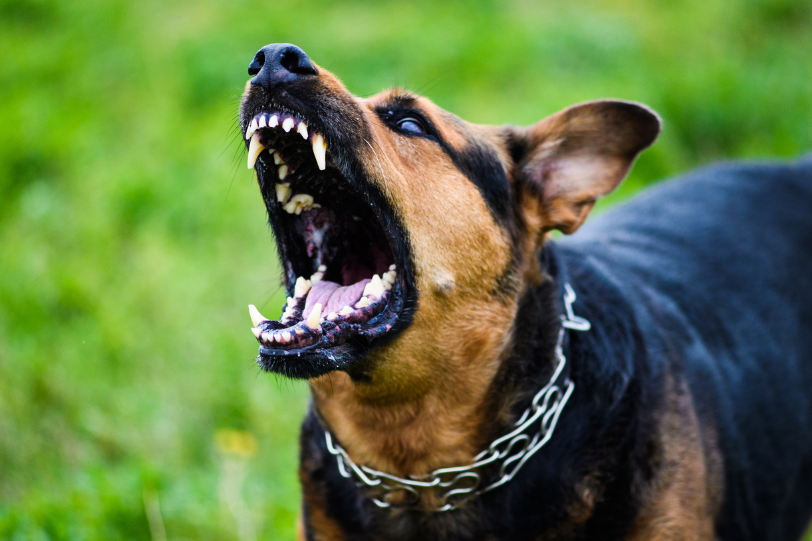
Service animal attacks sit at the crossroads of civil liability and federal regulation. The ADA grants these animals broad public access, but not immunity from responsibility.
Unlike typical dog bite scenarios, service animal attacks raise specific challenges:
- Regulatory Context
Federal laws—like the ADA—grant broad public access to service animals. However, these laws also expect the animals to be under control and not pose a threat to others. - Owner’s Responsibility
Service animal handlers usually must ensure their dog’s good behavior, controlling it with a leash or harness unless a disability prevents leash usage. Courts assess whether the owner exercised due diligence or if signs of aggression were ignored. - Negligence or Strict Liability
Many states hold dog owners strictly liable for attacks, meaning they pay damages if their dog injures someone, regardless of prior aggression history. Others require proof of negligence or knowledge of the dog’s dangerous tendencies. - Misrepresentation
If the dog was falsely labeled “service animal” but lacked official training, that misrepresentation can be evidence of owner negligence, particularly if the animal’s real temperament is unknown. - Premises Liability
Business owners might share fault if they failed to remove an aggressive dog from the premises without enforcing safety protocols. Similarly, landlords may face claims if they knowingly permitted a tenant’s aggressive dog on the property.
Compensation Options for Victims of Service Animal Attacks
When a trusted environment turns into a traumatic memory, compensation should reflect the full impact, not just the hospital bill. From missed work to lasting emotional distress.
Victims can pursue civil litigation or insurance claims to recover costs:
- Medical Bills: Covering ER visits, surgeries, physical therapy, and potential scar revision procedures.
- Lost Wages: Reimbursement for missed work during recovery, plus any future earnings lost if injuries restrict job functions.
- Pain and Suffering: Compensation for physical agony, emotional scars, and the psychological fallout of being assaulted by a supposedly well-trained canine.
- Property Damage: If personal items or clothing were torn or destroyed in the attack, victims may include repair or replacement costs in their claim.
- Wrongful Death: While rare, fatal service animal incidents can still occur, but if a child or frail individual dies, families could file claims seeking funeral expenses and loss of support.
Establishing liability usually involves demonstrating that the owner, caretaker, or event host failed in their duty to keep others safe from the dog.
Are Shelter Dogs More Likely to Bite?
When considering adopting a rescue or shelter dog, many prospective pet owners wonder about the likelihood of these dogs biting. It’s a valid concern, but it’s essential to understand that behavior is influenced by many factors.
Understanding Behavioral Influences
Rescue or shelter dogs may sometimes face a stereotype of being more prone to biting. This assumption often stems from their possible histories of neglect, abuse, or trauma. However, this is not a definitive indicator of their behavior. While some dogs may have behavioral challenges due to past experiences, many rescue dogs become well-adjusted and affectionate pets when provided with proper care and rehabilitative training.
Key Factors Affecting Behavior
- Individual History: Each dog’s early life experiences and past traumas can significantly impact their temperament. A dog that has experienced fear or neglect may exhibit behavioral issues initially.
- Socialization: The extent and quality of socialization that a dog receives play a crucial role in shaping its behavior. A well-socialized dog is generally more comfortable around people and other animals.
- Owner Interaction: The behavior of pet owners greatly influences how a dog behaves. Consistent training, love, and positive reinforcement help mitigate any negative tendencies.
The Myth of Breed and Shelter Bias
It’s also important to debunk the myth that a dog’s breed or the fact that it’s from a shelter automatically makes it more likely to bite. Each dog is an individual with its own unique personality and behavioral traits.
Myths About Dog Breeds and Bite Risk
It’s a widespread belief that certain dog breeds, such as pit bulls and Rottweilers, are naturally aggressive and more prone to biting.
This perception overlooks key factors that contribute to aggressive behavior, such as inadequate training, poor socialization, neglect, or abuse. Ultimately, it’s not the breed that dictates aggression; rather, it’s the environment and care the dog receives.
Pit Bulls Are Inherently Dangerous
Pit bulls often find themselves in the spotlight due to high-profile incidents, but there’s more to these headlines than meets the eye. The environment in which a pit bull is raised, its health, and the training it receives are critical factors that influence behavior. When given a loving and socialized upbringing, pit bulls can be gentle and loyal pets.
Small Dogs Pose No Threat
The notion that small dogs, like Chihuahuas or Dachshunds, are harmless because of their size is misleading. While bites from smaller dogs may be less severe, they can still be aggressive. Factors such as fear or possessiveness can trigger biting, and their behavior is often underestimated, especially since they are not seen as a substantial threat.
Rescue Dogs Are More Likely to Bite
Assumptions about rescue dogs being more aggressive stem from misconceptions about their past. While some may have challenging histories, a dog’s behavior is more strongly influenced by current care, early life experiences, and socialization. Every dog, regardless of its background, deserves to be seen as an individual.
All Bites Are Unprovoked
Dog bites frequently occur because dogs feel threatened, scared, or cornered. Many incidents happen when a dog is startled or provoked. Children, in particular, might not recognize the signs of fear in dogs, leading to situations where dogs bite to protect themselves or their resources. This doesn’t label a breed as dangerous; rather, it highlights the importance of understanding dog behavior and ensuring they are raised and treated responsibly.
Certain dog breeds often gain a reputation for being more frequently involved in bite incidents, but this perception needs context. Factors such as training, environment, socialization, and owner responsibility play crucial roles in a dog’s behavior, rather than the breed itself being inherently dangerous.
Understanding the Pit Bull Association
Pit Bulls are often spotlighted in discussions about dog bites. Their strong, muscular appearance can create an image of aggression. However, the term “Pit Bull” is an umbrella for several breeds or mixed breeds, making generalizations about them challenging. Media portrayal often contributes to their reputation, but it’s essential to recognize that these dogs’ behavior typically reflects their upbringing.
Rottweilers and Their Protective Nature
Rottweilers are another breed frequently linked with bite incidents. Known for their robust build and protective instincts, they are often used as guard dogs. When they lack proper training and socialization, these instincts may manifest as territorial behavior and potential aggression. Responsible ownership, including consistent training, can mitigate these tendencies and highlight their loyal nature.
The Role of German Shepherds
German Shepherds are renowned for their intelligence and service in police and military roles. Their strong protective instincts make them effective working dogs. However, without adequate training or socialization, they can sometimes exhibit unwanted aggressive behaviors. Owners should be committed to nurturing their potential while curbing any undesirable traits through discipline and affection.
What to Do If a Dog Owner Refuses to Share Insurance Details
When confronted with a dog owner who refuses to give their insurance details, it’s crucial to take action promptly and thoughtfully. Here’s how to navigate such a situation effectively:
- Document Everything
Start by documenting the incident thoroughly. Note the date, time, and location of the encounter. Describe the dog and owner, and record any conversations you have. Photographs of injuries, the dog, and the scene can be vital. - Gather Witness Statements
If there were any witnesses, ask for their contact information and request written or recorded accounts of what they observed. These statements may help substantiate your account of the event. - Contact Local Authorities
Report the incident to animal control or the police, especially if the situation feels unsafe or if severe harm was inflicted. An official report can serve as an important record of the event. - Seek Medical Attention
Immediate medical evaluation is essential, not only for your health but also to create a professional record of the injuries sustained. This record can be particularly useful if legal action is necessary. - Legal Consultation
Engage with a lawyer who specializes in personal injury cases, particularly those involving dog bites. These professionals can guide you through the process of seeking compensation and protect your legal rights.
When Are Punitive Damages Awarded in Dog Bite Lawsuits?
Punitive damages are a type of compensation awarded in legal cases to penalize the defendant for exceptionally harmful behavior. Unlike compensatory damages, which aim to reimburse the victim for losses, punitive damages are intended to punish and discourage particularly egregious actions.
When Might They Be Awarded in Dog Bite Cases?
In dog bite incidents, punitive damages come into play under specific circumstances. These are generally reserved for instances where the dog owner’s behavior was deemed extraordinarily reckless or intentionally harmful. Here are situations where punitive damages might be considered:
- Reckless Disregard: If an owner shows blatant disregard for safety by knowing their dog is dangerous and doing nothing about it.
- Ignoring Warnings: Continuously failing to restrain a dog, even after multiple warnings or past aggressive incidents.
- Deliberate Negligence: Allowing a dog to roam free despite prior knowledge of its aggressive nature.
FAQs About Service Animal Attacks
Here are common queries, arranged for clarity:
- What if the dog were a genuine service animal but attacked me without warning? Even legitimate service dogs must remain under control. Owners remain liable if they fail to notice triggers or remove the animal from stressful conditions.
- Is there a difference in liability laws between service animals and regular pets? Generally, no. While the ADA grants service dogs broad public access, it doesn’t excuse aggression. Standard dog bite statutes often still apply, holding owners responsible if the dog injures someone.
- How can I prove the animal was improperly trained or was a fake service dog? Evidence might include a lack of recognized training certification, conflicting claims made by the owner, or the dog’s consistently poor behavior in public. An attorney’s investigation may reveal relevant details.
- Do I need medical evidence for emotional distress? Documenting anxiety, sleeplessness, or therapy visits helps substantiate emotional damages. A mental health professional’s statement or diagnosis can be powerful evidence.
- Does The Injury Helpline help with less severe bites? Absolutely. The Injury Helpline is open 24/7 for a free consultation, connecting individuals nationwide to lawyers handling all dog bite severities, including service animal incidents.
Are Small Dogs a Bite Risk?
When evaluating the risk of dog bites, it’s common to assume that smaller breeds like Chihuahuas or Dachshunds pose less danger purely due to their diminutive size. However, this isn’t entirely accurate.
Aggression vs. Size
- Behavior Traits: Small dogs, despite their stature, can display aggressive behavior. Their tendency to bite can stem from fear, possessiveness, or anxiety. Such reactions might be as frequent as those of larger breeds.
- Impact of Size: While the bite of a small dog may not be as physically damaging as one from a larger breed, the potential for injury is still present. Smaller dogs can inadvertently cause significant harm, particularly to children and the elderly, whose skin and bones may be more vulnerable.
Many people underestimate the aggression levels in small dogs as these behaviors are often overshadowed by their seemingly harmless appearance.
This misconception can lead to oversight in handling and training, increasing the likelihood of incidents.
Why Do Service Animal Attacks Occur?
Though service animals receive specialized training aimed at preventing aggression, certain factors can lead to problems:
- Inadequate Training: Not all alleged “service dogs” have formal instruction from recognized programs. Owners may only provide minimal socialization.
- Incomplete Socialization: Even well-trained dogs require ongoing social experiences to remain calm in diverse environments. Isolation or sudden changes can undermine that training.
- Health or Pain: A dog feeling ill, injured, or anxious might become reactive despite prior docility. If owners disregard these signals, trouble can arise.
- Excessive Distractions: Large crowds, bright lights, or loud noises can overwhelm an animal, especially if it’s unaccustomed to intense stimuli.
- Improper Handling: Handlers who fail to keep a dog leashed (when feasible), or let strangers approach it aggressively risk provoking accidental nips or more serious biting.
In many cases, dogs bite because they feel threatened, scared, or cornered. This behavior can often be observed when a dog is startled or provoked. It’s particularly common in interactions with children, who may not recognize the warning signs of fear or discomfort in dogs.
Dogs may also bite to protect their territory, food, toys, or even their owners. This protective behavior does not inherently imply a breed is dangerous; rather, it often reflects how the dog has been raised and treated. Understanding these nuances is crucial in preventing bite incidents and ensuring harmonious interactions between dogs and humans.
Does Health Insurance Cover Dog Bite Injuries?
When it comes to handling the unexpected costs of a dog bite, many individuals wonder if their health insurance will step in to cover the necessary medical treatments. Here’s what you need to know:
What Health Insurance Typically Covers
Health insurance is primarily designed to handle medical expenses. If you find yourself needing emergency care, surgery, or follow-up treatments due to a dog bite, your health insurance can generally help cover those specific costs.
The extent of this coverage will depend on your specific policy, but it usually includes doctor visits, hospital stays, and prescribed medications related to the injury.
Understanding the Limitations
However, it’s essential to recognize health insurance’s boundaries. While it can alleviate the financial burden of health-related expenses, it won’t address non-medical issues such as compensation for pain and suffering or loss of income due to the injury. These matters typically fall under the realm of liability insurance, specifically that of the dog owner. If you’re seeking such compensation, you may have to explore legal avenues or other insurance claims outside your health policy.
Key Takeaway
In summary, health insurance is indeed applicable for covering the direct medical costs arising from a dog bite. Yet, for a full spectrum of compensation covering additional damages, you might need to pursue other insurance options or legal resolutions.
Always check with your insurance provider to clarify what your plan specifically covers in these situations.
How Dog Bites Affect Long-Term Quality of Life
Experiencing a dog bite can have enduring effects on an individual’s quality of life. The repercussions extend beyond the immediate physical injury, deeply affecting both emotional and mental well-being.
Emotional and Psychological Effects
- Fear and Anxiety: Many survivors develop a lasting fear of dogs, which can make daily activities like walking in a park or visiting friends challenging.
- Self-Image Concerns: Physical scars or disfigurement from a bite can lead to ongoing concerns about personal appearance, impacting self-confidence.
- Emotional Distress: The trauma from the incident can result in persistent emotional turmoil, triggering feelings of helplessness or vulnerability.
Challenges in Daily Living
- Activity Avoidance: Victims might shy away from specific environments or situations where dogs are present, such as community events or even simple outdoor strolls.
- Social and Professional Impact: Extreme cases can lead to difficulties with social interactions or job performance, as anxiety and stress may interfere with normal routines.
How a Lawyer Can Help After a Service Animal Attack
If you’ve been bitten or harmed by a service animal, an attorney can guide you through:
- Investigating the Incident
Lawyers collect witness accounts, medical records, and any evidence (like security footage) to show how the dog’s aggression manifested and whether warnings were overlooked. - Verifying ‘Service Animal’ Status
Confirming the dog’s training or registration can reveal if it was a legitimate assistance canine or an improperly labeled pet. If misrepresented, that could bolster a negligence argument. - Proving Owner Negligence
Legal counsel must demonstrate how the owner failed to control the animal or how repeated aggression signs were ignored. Past incidents or city complaints can help. - Highlighting Applicable Laws
States handle dog bites differently—some use strict liability, and others require proof of prior viciousness. Attorneys navigate these nuances to maximize compensation potential. - Insurance Negotiations
Homeowners, commercial, or personal liability insurance often comes into play. Skilled lawyers challenge low settlements, ensuring the payout covers medical care, pain, and further expenses. - Litigation
If negotiations stall, attorneys proceed to court, presenting evidence that the service dog’s aggression violated standard guidelines, especially if the owner didn’t intervene or heed warnings.
What to Do After a Service Animal Attack
In the moments after a bite, it’s easy to feel overwhelmed. What you do next can impact your recovery and your case. Let’s lay out the immediate steps victims should take to protect their health, preserve evidence, and begin the legal process for seeking justice.
- Seek Medical Treatment
Any dog bite can lead to infection or tissue damage. Prompt care ensures proper wound cleaning, potential stitches, and observation for complications. - Notify Authorities or Owners
Depending on local laws, you might file an official dog bite report with animal control. If it’s a business or public area incident, speak to the manager or on-site security. - Gather Evidence
Photograph wounds, torn clothing, or the location where the bite occurred. Record witness statements, and if possible, gather info about the dog’s training or ID. - Consult Legal Counsel
Because service animals enjoy public access, liability can be murky. An attorney clarifies how to navigate insurance coverage and potential defenses from the owner. - Track Medical and Recovery Costs
Save bills, prescriptions, therapy receipts, or lost wage documentation. This record helps quantify your claim accurately.
The Injury Helpline: 24/7 Free Consultation and Nationwide Attorney Referral
If you or someone you love has suffered injuries from a service animal attack, The Injury Helpline can provide:
- 24/7 Access: These incidents might happen at restaurants, malls, or nighttime events—support is always there.
- No Upfront Fees: Reputable lawyers often operate on a contingency, meaning you pay nothing unless you win compensation.
- Broad Geographic Coverage: Whether you’re in a major urban center or a rural town, The Injury Helpline connects you with local attorneys who understand your state’s dog bite statutes.
- Personalized Matches: Every dog bite scenario differs. The Helpline pairs you with lawyers experienced in service animal conflicts, premises liability, or product liability if a harness or muzzle was defective.
- Ongoing Support: After the initial referral, you can return to The Injury Helpline if you need clarification or run into new legal concerns.
Service animal attacks represent a specialized branch of dog bite incidents, carrying unique complexities due to broader legal protections that grant assistance dogs public access. While genuine service dogs are typically calm and highly skilled, misrepresentation or inadequate training can lead to shocking episodes of aggression. Victims may face painful bites, infections, disfigurement, and emotional trauma—particularly if they assumed the dog was safe by its service status.
Whether liability belongs to the animal’s owner, a landlord, or an event organizer that failed to maintain crowd control, obtaining fair compensation requires diligent documentation, immediate medical care, and skilled legal counsel.
The Injury Helpline, available 24/7 for a free consultation and operating nationwide, ensures that you can connect with experienced attorneys who navigate the subtle distinctions between standard dog bite laws and service animal considerations. With professional guidance, survivors stand a stronger chance of recouping medical expenses, lost wages, and the intangible damages inflicted by a service animal attack, thus moving forward with both reassurance and resources for recovery.