

Sidewalk Falls: Understanding Liability, Injury, and Legal Options
Sidewalks are part of our everyday lives—paths we trust to be safe as we head to work, walk our dogs, or stroll through the neighborhood. Yet a single crack, icy patch, or hidden dip in the pavement can instantly turn an ordinary walk into a traumatic event. A sidewalk fall, legally categorized under premises or slip and fall liability, describes any injury resulting from a stumble, trip, or slip on a walkway that was not properly maintained.
These accidents, while sometimes brushed off as “minor,” can result in serious harm. Victims may face broken bones, head injuries, or lasting physical limitations. Whether the fall occurs outside a business, on a city street, or near someone’s home, the question of who’s legally responsible becomes crucial, especially when medical bills begin to mount.
In this comprehensive guide, we’ll break down how sidewalk falls happen, who may be liable, what types of injuries are common, and how victims can pursue compensation for their damages.
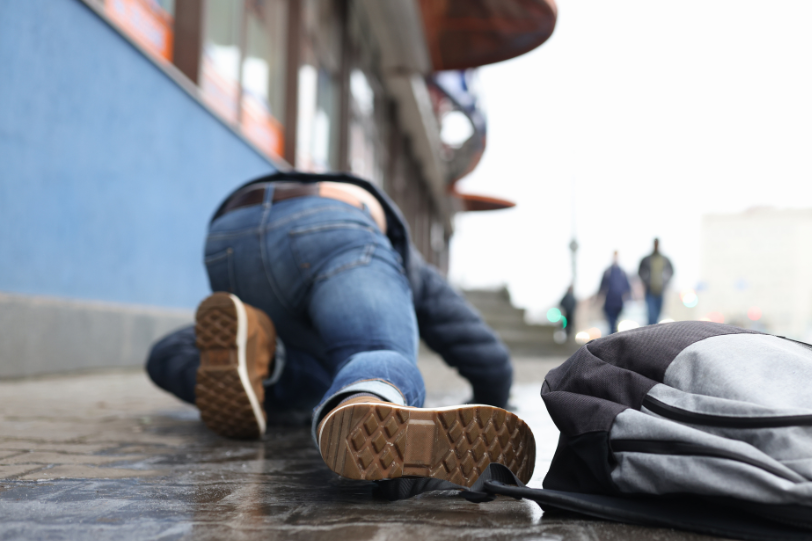
Why Sidewalk Hazards Lead to Accidents
Sidewalks may seem simple in design, but maintaining them safely isn’t always so straightforward. Over time, even the most well-constructed walkways degrade due to weather, root growth, traffic, or neglect. These common yet dangerous conditions contribute to many pedestrian injuries:
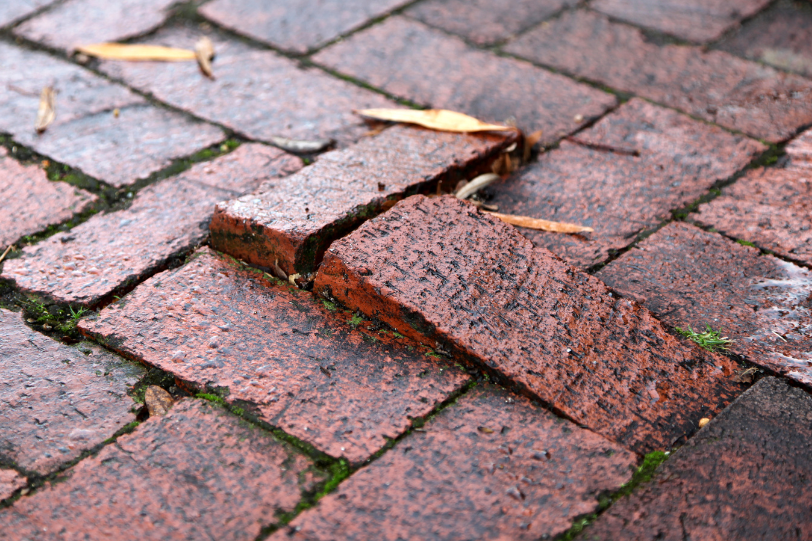
Uneven or Cracked Pavement
Tree roots pushing beneath concrete or years of freeze-thaw cycles can cause slabs to shift. A small elevation difference—sometimes less than an inch—can be enough to trip an unsuspecting passerby.
Potholes and Depressions
Sidewalks aren’t immune to potholes, especially in areas where delivery trucks or bicycles cross repeatedly. If a foot partially lands in a depression, the result can be a twisted ankle or full-body fall.
Icy or Wet Surfaces
In colder regions, snow and ice are leading contributors to sidewalk slips. But even wet leaves, pooled rainwater, or algae can make sidewalks slick in warmer climates.
Obstructions and Construction Zones
Objects like electrical cords, unmarked construction debris, or makeshift signs can force pedestrians off balance—especially if visibility is poor or the sidewalk is narrow.
Poor Lighting Conditions
What may be an obvious hazard during the day becomes invisible at night if streetlights are out or absent. A lack of lighting exacerbates risks, especially for older adults.
While any of these hazards can seem like bad luck at first glance, in many cases, someone was responsible for addressing them—and failed to do so.
Why These Incidents Keep Happening
With so many city codes and property maintenance laws in place, it might seem surprising that sidewalk hazards remain such a common problem. But a closer look reveals systemic and seasonal reasons behind the persistence of these injuries:
- Underfunded Repairs: Cities may lack the budget to inspect and fix sidewalks promptly, especially in lower-traffic zones.
- Unclear Maintenance Responsibility: In many areas, homeowners or commercial tenants, not the city, are responsible for sidewalk repairs and snow removal. Confusion often delays action.
- Rapid Weather Shifts: Sudden cold snaps or thaws cause pavement to crack and shift overnight. Without regular inspections, these hazards can grow unnoticed.
- Enforcement Gaps: While municipalities may issue citations for unsafe walkways, not all do so consistently, and follow-up can be lax.
- Deferred Maintenance by Private Owners: Property owners may delay sidewalk fixes until someone gets hurt, particularly if penalties are minimal or rarely imposed.
The legal system allows injured pedestrians to seek redress, but only when certain conditions are met. That’s why understanding the legal framework is essential.
Common Injuries Resulting from Sidewalk Falls
Because sidewalk falls often occur without warning and involve hard concrete surfaces, the resulting injuries can be serious, even life-altering. Let’s explore some of the most typical outcomes:
Bone Fractures
Wrist, arm, ankle, and hip fractures are among the most frequently reported injuries. Falls backward or sideways can shatter bones, especially in older adults with osteoporosis. These injuries may require casting, surgery, or months of physical therapy.
Head Injuries
A person who falls and strikes their head on the sidewalk can suffer concussions, skull fractures, or traumatic brain injuries (TBIs). Even mild TBIs may impair memory, mood, or cognitive ability for months or longer.
Ligament and Soft Tissue Damage
The knees and shoulders often bear the brunt of sidewalk falls. Torn ligaments, strained muscles, and joint dislocations can all limit mobility and require extensive rehabilitation.
Back and Spine Injuries
Hard landings compress the spine. A herniated disc, spinal fracture, or nerve damage may follow. Victims might experience chronic pain, limited movement, or radiating discomfort (e.g., sciatica).
Facial Injuries
Falling forward can result in broken teeth, bruised eyes, or lacerated lips and chins. These visible injuries may affect confidence, social functioning, and, in some cases, require reconstructive surgery.
The type of injury influences both medical care and the compensation a victim might be entitled to—topics we’ll now explore.
Legal Responsibilities in Sidewalk Accident Claims
Liability in a sidewalk fall isn’t automatic—it hinges on who owned or controlled the sidewalk, who had a duty to maintain it, and whether negligence occurred. Here’s how the legal analysis generally unfolds:
Duty of Care and Ownership
Each city or town may define who’s responsible for sidewalk upkeep. Some places place the duty on the municipality; others hold adjacent property owners accountable. In commercial zones, business owners may be liable for obstructions or untreated ice in front of their establishments.
Notice Requirement
A key question in any sidewalk injury case is whether the responsible party knew or should have known about the hazard. If a sidewalk had been cracked for months or multiple complaints had been made, failing to act may be considered negligent.
Trivial Defect Doctrine
Some jurisdictions allow defendants to argue that a defect, like a 1/2-inch elevation change, was too minor to constitute negligence. However, this depends on local precedent and the specific facts of the fall, including lighting and visibility.
Comparative Negligence
If the injured pedestrian was distracted (e.g., texting, running, or walking off the designated path), they may be assigned partial fault. In states with comparative negligence laws, compensation is reduced proportionally. But it’s rare for such distractions to bar recovery entirely.
Government Claims and Notice-of-Claim Rules
If your injury involves a city-owned sidewalk, special rules often apply. You may need to file a notice of claim within 60 to 180 days of the incident. Missing this deadline could prevent any future lawsuit, regardless of how severe the injury was.
Damage Caps in Claims Against the Government
When a slip-and-fall occurs on city or county property, recovering compensation is often subject to strict legal limits. Many states set “damage caps”—statutory maximums on how much you can receive, regardless of the extent of your injuries. These limits may be surprisingly low, sometimes as little as $100,000 or less, and they apply not just to pain and suffering but also to medical bills and lost income.
In addition, punitive damages—which are meant to punish especially reckless behavior—are usually off the table in lawsuits against government entities. The exact cap and its application will depend on your state’s statutes and local ordinances, so it’s crucial to understand these restrictions before pursuing a claim.
Types of Compensation for Sidewalk Fall Injuries
If liability is proven, injured individuals may recover damages in several key areas. The value of these claims often depends on the severity and duration of the injuries:
- Medical Expenses: This includes hospital stays, surgeries, physical therapy, medications, and follow-up care.
- Lost Income: Time missed from work during recovery, or permanent limitations on future employment, are compensable.
- Pain and Suffering: This category accounts for physical pain, emotional distress, and reduced quality of life.
- Property Damage: Broken glasses, cell phones, or other belongings damaged during the fall may be included.
- Wrongful Death: In tragic cases where a fall results in death, families may claim funeral expenses and loss of companionship.
All claims require documentation: medical records, wage statements, photos of the scene, and possibly expert testimony. The sooner these are preserved, the stronger the case.
What if You Notify the Wrong Government Agency?
It’s important to get this step right. If you accidentally send your notice to the wrong government office—even something as simple as addressing it to the parks department instead of public works—your claim may be rejected entirely.
Strict deadlines and procedures leave little room for error. An incorrectly filed notice can close the door on your case, even if the right department is just down the hall. Double-check who should receive your notice and ensure it’s delivered to the correct agency, or you could lose your chance to pursue compensation.
Five Essential Questions About Sidewalk Injury Claims
- If I tripped on a sidewalk crack, who do I sue?
Responsibility varies. In some cities, homeowners are liable for sidewalk defects adjacent to their property. In others, the city handles sidewalk maintenance. Your attorney will check local ordinances to identify the liable party. - What if the sidewalk defect was small, but I got seriously injured?
Even small defects can cause severe harm—especially when combined with poor lighting or wet conditions. The “trivial defect” defense isn’t always successful; your attorney can assess whether your situation warrants a claim. - Do I need proof that someone complained about the hazard before I fell?
Not necessarily. If the defect existed long enough, a court may infer that the responsible party should have discovered it. However, documented complaints or inspection reports strengthen your case. - Will I be blamed if I was using my phone or not paying attention?
Possibly, but it doesn’t disqualify you from recovery. Comparative negligence laws in many states allow partial blame without fully barring compensation. - Can I file a claim if my injuries are moderate, not catastrophic?
Yes. Whether you suffered a sprained ankle or a broken wrist, you may be entitled to damages—especially if your injury caused time off work or lasting discomfort.
What to Do If You Experience a Sidewalk Fall
Reacting appropriately after a fall can make a difference in both health outcomes and legal success. Here are the key steps:
- Get Medical Attention: Even if you feel okay, some injuries (like concussions or hairline fractures) can go unnoticed for hours. Immediate treatment builds a medical record linking the injury to the fall.
- Document the Scene: Take photos of the sidewalk hazard, surrounding area, lighting conditions, and your injuries. Include reference objects (like a coin or shoe) to show the size or depth of any crack or hole.
- Gather Witness Info: If anyone saw you fall or noted the hazard before the incident, get their contact details. They may offer key testimony later.
- Report the Hazard: Notify local authorities or the property owner. In municipal cases, this supports your argument that the defect should have been addressed.
- Consult a Personal Injury Attorney: Especially in city sidewalk cases, time limits are strict. A lawyer ensures you meet deadlines, preserve evidence, and navigate legal complexities.
How The Injury Helpline Supports Sidewalk Fall Victims
Sidewalk injury claims are time-sensitive and often complex. The Injury Helpline helps ease that burden by offering:
- 24/7 Availability: Accidents don’t follow a 9-to-5 schedule. The Injury Helpline offers round-the-clock assistance.
- Free Case Reviews: You won’t pay to understand your rights. Initial consultations are always free.
- Nationwide Legal Network: Local laws matter. The Helpline connects you with attorneys who understand your area’s specific liability rules.
- Tailored Legal Support: Whether you slipped on ice or tripped on a jagged crack, the Helpline finds counsel experienced in handling that type of case.
- Ongoing Guidance: If your condition worsens or if insurers resist settlement, you can return for additional support or case updates.
We walk on sidewalks every day, assuming they’re safe. But when that trust is broken by a city that ignores a broken slab or a business that fails to clear snow, the consequences can be painful and costly. Whether your injury was minor or life-changing, you shouldn’t have to bear the full burden of someone else’s negligence.
By understanding your rights and acting quickly, you can protect your health and your finances. If you’ve been injured in a sidewalk fall, The Injury Helpline stands ready 24/7 with a free consultation, connecting victims nationwide to personal injury attorneys adept in slip and fall law. Through evidence gathering and knowledgeable advocacy, those harmed by sidewalk negligence can pursue appropriate compensation, covering medical expenses, lost earnings, and the intangible burden of enduring an injury that should have been prevented.