

Surgical Errors: When Medical Precision Breaks Down
Surgery often represents the peak of modern medicine, where science, technology, and human skill come together to restore health and quality of life. Yet, for all its advancements, surgery still relies heavily on human performance, and with that comes the possibility of human error. When a preventable mistake occurs during surgery—one that causes additional harm and falls outside the bounds of accepted medical practice—it becomes something far more serious: a surgical error.
Surgical errors aren’t simply about bad luck or unexpected complications. They go deeper, pointing to systemic oversights, lapses in concentration, or breakdowns in communication. And when these preventable events occur, they may give rise to a medical malpractice claim, offering patients and their families a legal pathway toward accountability and compensation.
What Is a Surgical Error?
A surgical error is more than just an unfortunate outcome. It refers to a preventable mistake or act of negligence during a surgical procedure that results in unnecessary harm to the patient. Unlike known complications—risks the patient is warned about beforehand—these errors often result from avoidable missteps.
These could include:
- Performing surgery on the wrong part of the body.
- Leaving surgical instruments inside a patient.
- Mismanaging anesthesia.
- Causing accidental nerve or organ damage.
These errors breach the standard of care expected from medical professionals and are often grounds for malpractice litigation. While no surgery is without risk, errors that stem from poor planning, carelessness, or avoidable oversight fall into a different category—and the law treats them accordingly.
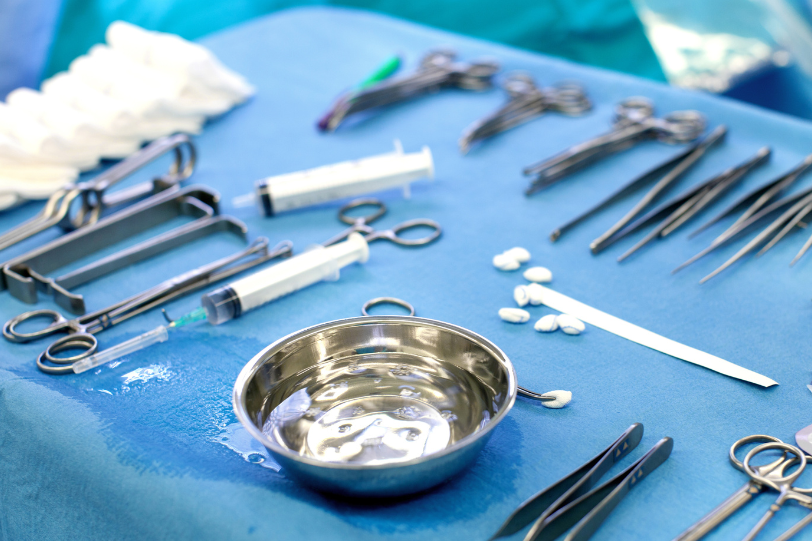
Frequent Examples of Surgical Errors
Not all surgeries go perfectly. But some mistakes reflect more than an honest misstep—they reveal avoidable, often systemic failures that cause long-term harm. Here are several surgical errors commonly cited in malpractice cases:
Wrong-Site or Wrong-Patient Surgery
Operating on the wrong side of the body—or on the wrong patient entirely—is one of the most jarring examples of surgical negligence. These “never events” often stem from rushed preparations or administrative mix-ups. For example, a surgeon might operate on a patient’s left arm instead of the right, or confusion between patient records could result in someone undergoing a procedure meant for another person.
Retained Surgical Instruments
Leaving behind tools such as sponges, gauze, or clamps inside the body post-surgery is both dangerous and completely preventable. These errors typically result from poor surgical counts or a chaotic operating room environment, and they can lead to severe infections, chronic pain, or additional surgeries.
Anesthesia Errors
Anesthesia must be handled with extreme precision. Administering too much can result in brain damage or respiratory failure, while too little can cause patients to wake up mid-surgery. Anesthesiologists must also account for a patient’s history, allergies, and comorbidities—failing to do so can have life-threatening consequences.
Organ or Nerve Damage
A single misplaced incision or device slip can damage vital organs, major arteries, or nerve clusters. The results range from internal bleeding to loss of motor function or paralysis, often leaving the patient with long-term health challenges.
Medication Administration Mistakes
Whether it’s antibiotics, sedatives, or post-op painkillers, errors in medication dosage or delivery during surgery can have cascading effects. Failing to account for allergies or drug interactions further amplifies the risk.
Infections from Poor Sterilization
Surgical sites must remain sterile at all times. When protocols are skipped or shortcuts are taken, harmful bacteria can enter the body and cause infections that require hospitalization, intensive antibiotic treatment, or, in severe cases, multiple corrective procedures.
Why Surgical Errors Occur
Even in top-rated hospitals, surgical errors can and do occur. While each case is different, a few recurring causes emerge:
- Understaffing and Fatigue Healthcare professionals—especially surgeons and nurses—often work long, grueling shifts. Fatigue can impair judgment and lead to skipped safety protocols, especially in high-stress, time-sensitive operations.
- Poor Communication. Many errors stem from basic miscommunication between team members. Incorrect patient charts, mislabeling, or skipped safety checklists can lead to catastrophic outcomes.
- Inadequate Preoperative Planning. When teams rush into surgery without reviewing the patient’s medical history, allergies, or pre-existing conditions, important details get missed. Under pressure to meet tight surgical schedules, planning corners are sometimes cut, with harmful results.
- Faulty Equipment or Technology Modern operating rooms depend on sophisticated machines—robotic arms, cauterizers, and monitors. When these tools are miscalibrated or improperly maintained, they can cause harm despite the surgical team’s best intentions.
- Surgeon Overconfidence Experience is valuable, but overconfidence can be dangerous. Some seasoned surgeons may skip double-checking procedures, refuse second opinions, or dismiss team concerns, leading to preventable errors.
- Systemic Failures. Beyond individuals, the system itself can fail. Inadequate training, outdated protocols, and a workplace culture that discourages questioning authority can all foster an environment where errors multiply.
How Surgical Errors Harm Patients
The consequences of a surgical error can range from temporary setbacks to lifelong disabilities. Here are some of the most common outcomes:
- Extended Surgery Time: A mistake mid-operation can prolong exposure to anesthesia and strain the patient’s cardiovascular and respiratory systems.
- Post-Operative Infections: Retained objects or poor sterilization practices can introduce bacteria, leading to sepsis, abscesses, or even organ shutdown.
- Organ Failure: Cutting the wrong vessel or damaging internal organs may lead to long-term impairment of the kidneys, liver, or lungs.
- Permanent Disabilities: Nerve injuries can impair movement, sensation, or even speech. In some cases, mobility is permanently affected.
- Longer Hospital Stays: When corrective surgeries are required or complications arise, patients often remain hospitalized far beyond the expected recovery window.
- Emotional Trauma: Beyond physical harm, the emotional toll is real. Many patients experience anxiety, depression, or fear of future medical procedures.
The Legal Framework for Surgical Error Claims
Pursuing a legal claim after a surgical mistake involves proving medical malpractice, which includes several core elements:
Duty of Care
Every healthcare provider—surgeons, nurses, anesthesiologists—owes a duty to perform their roles according to accepted standards of medical care.
Breach of That Duty
The claimant must show that the provider deviated from that standard. Examples include operating on the wrong body part, ignoring clear allergy alerts, or leaving foreign objects inside the body.
Causation
There must be a direct link between the provider’s mistake and the harm suffered. If complications stem from an unrelated condition, liability may not apply.
Damages
The harm must result in measurable losses, such as medical bills, missed work, permanent disability, or emotional distress.
To support these claims, attorneys often work with medical experts who can evaluate the actions taken and determine whether another competent surgeon would have acted differently under similar circumstances.
What Kind of Compensation Might Be Available?
Victims of surgical errors may be eligible for several forms of compensation, depending on the severity of the injury:
Medical Expenses: This includes current hospital bills, future surgeries, rehabilitation, and any necessary home care or equipment.
Lost Income and Earning Potential: If you’re unable to work during recovery—or permanently—the claim can account for those economic losses.
Pain and Suffering: These are non-economic damages related to physical discomfort, emotional distress, and reduced quality of life.
Revisions and Additional Procedures: Any further surgeries needed to fix the original mistake may also be factored into a legal claim.
Wrongful Death: If the error proves fatal, surviving family members may pursue compensation for funeral costs and loss of financial support.
Every state sets its deadline—known as the statute of limitations—for filing a medical malpractice lawsuit. In many states, this period ranges from one to three years from the date of the error or from the date it was discovered.
These laws are subject to change. Always check your state’s current statute of limitations or consult with a licensed attorney to ensure your rights are protected.
Failing to act within this legal timeframe can permanently bar you from recovering compensation, even if your case is valid.

FAQs: Legal Questions About Surgical Errors
- If a tool was left inside me, do I automatically win my case?
Not necessarily. While it’s a strong indicator of negligence, identifying exactly who is liable (surgeon, nurse, hospital) still requires legal investigation and documentation. - I signed a consent form—can I still sue?
Yes. Consent forms cover known risks, not preventable mistakes. Errors like wrong-site surgery fall outside informed consent. - Do robotic surgeries count as malpractice if something goes wrong?
It depends. If the robot malfunctioned due to human error, poor maintenance, or programming flaws, then it may be malpractice. - Can I sue the hospital if the surgeon made the mistake?
Sometimes. If the surgeon is an employee, the hospital may share liability. If they’re an independent contractor, the situation is more complex and depends on the contractual relationship. - What if my injuries are moderate but disruptive? Can I still file a claim?
Yes. Even if the harm isn’t catastrophic, if it caused unnecessary pain, financial loss, or emotional suffering, you may have a valid case worth pursuing.
Minimizing Your Risk of Surgical Mistakes
While patients can’t eliminate every risk, there are steps you can take to advocate for your safety:
- Communicate Clearly: Ask your surgeon and anesthesiologist to review the procedure in detail before surgery.
- Bring a Support Person: A loved one can help ensure critical details (like allergies or medication changes) are communicated properly.
- Mark the Surgery Site: Confirm the correct site is clearly marked and double-checked before anesthesia is administered.
- Research Your Provider: Look up reviews, board certifications, and hospital records. Experience matters.
- Follow Pre-Op Instructions: These aren’t just routine—they help the surgical team stay focused and reduce preventable disruptions.
What To Do If You Suspect a Surgical Error
If you believe something went wrong during or after surgery, take the following steps promptly:
- Seek a Second Medical Opinion
- Request Full Medical Records
- Document Your Symptoms and Pain
- Consult with a Medical Malpractice Attorney
- Consider Filing a Complaint with the Hospital or State Medical Board
The sooner you act, the more time your attorney has to investigate and preserve crucial evidence.
The Injury Helpline: Connecting You to Help Nationwide
If you’ve experienced a surgical error, navigating the legal and medical aftermath can feel overwhelming. The Injury Helpline offers 24/7 access to free consultations with personal injury attorneys experienced in medical malpractice.
What you can expect:
- No upfront fees: Most attorneys work on contingency—you pay nothing unless compensation is secured.
- Local expertise: You’re matched with an attorney who understands your state’s medical malpractice laws.
- Continuous support: Even after referral, the Helpline remains a resource for your ongoing questions or case developments.
Surgical errors are not just medical complications—they’re avoidable breakdowns in a system that demands precision and accountability. Whether it’s a retained instrument, wrong-site operation, or anesthesia mishap, patients deserve answers—and in many cases, legal compensation.
If you believe you or a loved one has been harmed due to a preventable surgical mistake, you don’t have to go it alone. With the right legal guidance, recovery doesn’t just mean healing physically—it means restoring dignity, stability, and trust.
The Injury Helpline stands by 24/7 with a free consultation, seamlessly connecting those nationwide to personal injury attorneys adept at unmasking surgical negligence and championing rightful compensation. Through litigation or settlement, victims can secure the financial, emotional, and medical backing necessary to move forward after a jarring breach of trust in the surgical suite.