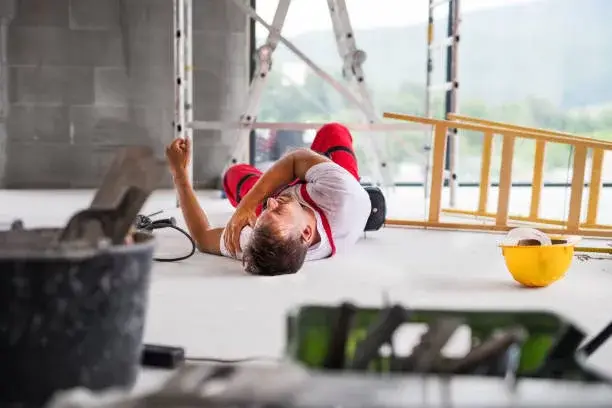

While serving as hubs for productivity and innovation, workplaces are also the scenes of numerous accidents. These incidents, often avoidable, not only risk the safety and well-being of the workforce but also undermine organizational morale and productivity.
Understanding the Importance of Workers’ Compensation Insurance for Businesses
Workers’ compensation insurance is not just a legal obligation; it’s a crucial component of responsible business management. This insurance serves as a safety net for both employees and employers, proving vital for multiple reasons.
- Protection for Employees: Accidents can happen in any workplace, and workers’ compensation ensures that employees receive financial assistance for medical expenses and lost wages if they are injured on the job. This support is essential for their recovery and return to work.
- Liability Safeguard for Employers: Without workers’ compensation, businesses may face costly lawsuits from injured employees. Insurance coverage reduces this risk by providing a structured process for handling workplace injuries, protecting the company from potential legal battles.
- Legal Compliance: For businesses in many regions, obtaining workers’ compensation insurance is a legal requirement as soon as they hire even a single employee. Non-compliance can result in significant fines and penalties, disrupting business operations.
- Enhancing Workplace Morale: Investing in workers’ compensation reflects a company’s commitment to its workforce, boosting employee morale. When staff members know their employer cares about their welfare, they are often more motivated and productive.
- Business Reputation: Companies that prioritize the well-being of their employees tend to build a positive reputation. This not only attracts potential employees but can also improve customer trust and loyalty.
In summary, securing workers’ compensation insurance is a strategic move that fortifies the business by safeguarding both its employees and its financial health. Through compliance and care, it helps build a stable and resilient business environment.
What Types of Injuries Are Typically Handled in Workers’ Compensation Cases?
Workers’ compensation cases address a wide array of workplace injuries, each with unique challenges and implications. Below are some common types of injuries frequently addressed:
- Cuts and Bruises: From minor lacerations to severe bruising, these injuries occur across various job roles.
- Fractures: Broken bones are not uncommon, often resulting from falls or accidents involving heavy machinery.
- Sprains and Tears: Ligament and tendon injuries, such as sprains and tears, occur frequently, particularly in physically demanding jobs.
- Strains: Muscle strains and tears can result from overexertion or improper lifting techniques.
- Spinal Injuries: Issues such as herniated discs and whiplash are prevalent, often due to repetitive motions or sudden impacts.
- Stress-Related Injuries: Repetitive stress injuries, like carpal tunnel syndrome, are common in occupations involving continuous motion.
- Head and Brain Injuries: These range from concussions to traumatic brain injuries, often resulting from falls or equipment accidents.
- Crush and Internal Injuries: These severe injuries can involve crushed limbs or sufferings to internal organs, sometimes leading to internal bleeding.
- Burns and Electrocution: Thermal and electrical burns, as well as shock injuries, can occur in various industrial settings.
- Amputations: Accidental amputations or severe injuries leading to limb loss are critical cases in workers’ compensation.
- Poisoning and Infections: This category includes injuries from toxic exposure and workplace-related infections, which may have long-term health implications.
Each of these injuries can have significant personal and professional impacts, and proper legal guidance is essential to navigate the complexities of a workers’ compensation claim.
How Can Workers’ Compensation Lawyers Assist with Claims and Benefits?
Navigating the maze of workers’ compensation can be daunting. Expert lawyers are equipped to ease this journey, ensuring that you receive the benefits you rightfully deserve. Here’s how they can help:
- Comprehensive Investigation: Lawyers delve deep into the circumstances of your workplace accident, gathering critical evidence to bolster your case.
- Legal Guidance: They provide insights into your rights and explain your options, including exploring potential personal injury claims against third parties, beyond the compensation claim with your employer.
- Thorough Documentation: Attorneys work to meticulously document your injuries and any resulting disabilities to present a strong claim.
- Paperwork Management: Handling documentation is crucial—lawyers manage all paperwork meticulously, minimizing errors that could delay your claim.
- Claims Process: From filing your claim to representing you at formal hearings, should they arise, lawyers advocate on your behalf, steering the claim through complex legal procedures.
- Stress Reduction: By managing every detail of your claim, they allow you to concentrate on healing and recovery, alleviating the stress of the legal process.
Hiring a seasoned workers’ compensation lawyer can make a significant difference in the outcome of your claim, providing peace of mind as you navigate the complexities involved.
What Are Examples of Specific Workplace Accident Cases?
Workers’ compensation law addresses a remarkably diverse range of workplace accidents, many of which extend beyond the typical slip, trip, or fall. Some real-world scenarios employers and employees frequently encounter include:
- Vehicle-Related Accidents: Injuries can occur if a worker is involved in a car crash while making deliveries, visiting clients, or traveling between job sites. It’s crucial to note that standard commutes are typically not covered.
- Slip, Trip, and Fall Incidents: Wet floors, icy sidewalks, cluttered workspaces, or poorly lit hallways can quickly transform a routine workday into an emergency room visit. These accidents can happen in offices, warehouses, construction sites, and retail stores alike.
- Falls from Elevated Workspaces: Accidents involving ladders, scaffolding, roofs, or lifts remain common in industries such as construction and maintenance. Faulty safety equipment or hazardous weather conditions frequently play a role.
- Repetitive Motion Injuries: Over time, jobs that require ongoing, repetitive tasks—like typing, assembly line work, or stocking shelves—can lead to chronic issues such as carpal tunnel syndrome or tendonitis. Even office jobs aren’t immune.
- Electrical Injuries: Electricians, utility workers, and repair technicians are most at risk, but defective equipment or exposed wiring can present dangers anywhere, leading to burns or, in extreme cases, life-threatening injuries.
- Overexertion and Environmental Injuries: Prolonged physical labor, especially in high heat or humidity, can lead to dehydration, muscle strains, or heat exhaustion. These are prevalent in agriculture, manufacturing, and warehousing.
- Being Struck By or Against Objects: Items falling from shelves, tools dropped from above, or even misplaced equipment can cause significant harm. Warehouse, construction, and retail workers often face these hazards.
- Machinery-Related Entanglements: Industrial environments where clothing, hair, or limbs get caught in moving machinery can result in severe injuries or traumatic amputations, making workplace safety protocols vitally important.
- Workplace Violence: Sadly, incidents involving aggression from coworkers, customers, or third parties do occur. These events can result in both physical injuries and psychological trauma including stress disorders and anxiety.
- Exposure to Toxins or Infections: Some workers—especially in healthcare or chemical manufacturing—may be exposed to hazardous substances or contagious illnesses, resulting in poisoning, respiratory issues, or infections.
Each case is unique, requiring tailored legal and medical responses to ensure injured workers receive the support and compensation they need for recovery and stability.
What Steps Are Involved In Filing a Workers’ Compensation Claim?
Navigating the workers’ compensation process can seem daunting, but understanding the necessary steps can simplify your journey. Here’s a breakdown to guide you through:
- Report the Accident Promptly
The first step is to notify your employer about the workplace accident as soon as it occurs. Timely reporting is crucial in ensuring your claim is considered valid. - Seek Medical Attention
Immediate medical assessment is essential. It not only ensures your health is prioritized but also documents the extent of your injuries, which is vital for your claim. - Gather and Document Evidence
Collect all possible evidence related to the accident. This includes witness statements, photographs of the scene, and any records that support the circumstances of your injury. - Know Your Legal Rights
Understand your entitlements under workers’ compensation laws. If there’s a potential for a personal injury claim against a third party, this should also be explored. - File Your Claim
Complete the necessary paperwork to officially file your claim. Ensure that all details are accurate to avoid delays or rejections. - Stay Organized with Paperwork
Managing documents efficiently is critical. This includes medical records, communication with your employer, and legal correspondence. - Cooperate with the Claims Process
Be prepared to attend any required hearings or evaluations. Cooperation and transparency will aid in processing your claim smoothly. - Focus on Recovery
While the administrative process unfolds, prioritize your physical recovery. Engaging an expert to handle your claim can relieve you of further stress.
By following these steps, you can approach your workers’ compensation claim with confidence. Remember, professional legal guidance can be invaluable in ensuring that you receive the benefits you’re entitled to.
How Workers’ Compensation Lawyers Assist with Filing Claims and Representing Injured Workers
Navigating the world of workers’ compensation can be daunting, but skilled lawyers can ease the process and ensure you get the benefits you deserve. Here’s how they can help:
- Thorough Investigation: Lawyers meticulously examine the details of your workplace accident. They dig deep to gather all the necessary evidence that strengthens your claim.
- Comprehensive Legal Advice: Beyond assessing your workers’ comp claim, they help you explore all legal avenues, even identifying potential personal injury claims against third parties if applicable.
- Detailed Documentation: Accurately capturing the severity and scope of your injuries is crucial. Lawyers will manage this process, documenting any potential disabilities as they build a compelling case.
- Efficient Paperwork Management: Legal paperwork can be overwhelming. Skilled attorneys ensure all forms are accurately completed and submitted, reducing the likelihood of errors that could delay your claim.
- Claim Filing and Hearings: From submitting your claim to representing you in hearings, they handle the formal processes efficiently. If your case goes to a hearing, they’ll stand by your side, advocating for your rights.
- Stress Reduction: By taking care of every detail, lawyers allow you to concentrate on your recovery. They shoulder the burden of the legal process, removing much of the stress associated with filing a claim.
For injured workers, having a dedicated legal team can make all the difference. It transforms a challenging process into a manageable one, letting you focus on what truly matters—your health and healing.
Top Causes of Workplace Injuries
According to the National Safety Council, the most common culprits behind workplace injuries are overexertion, slips, trips, and falls, as well as incidents involving contact with objects or equipment. These hazards don’t discriminate by industry—they’re a persistent risk in offices, factories, construction sites, and warehouses alike. Recognizing these key causes is the first step toward designing safer workplaces and building a proactive safety culture.
How Can Workers’ Compensation Attorneys Assist with Workplace Injury Cases?
Facing challenges in receiving workers’ compensation benefits after an injury at work can be daunting. Fortunately, workers’ compensation attorneys are adept at guiding injured employees through this intricate process. Here’s how they can help:
- Thorough Investigation
Attorneys delve deep into the details of the workplace incident, gathering essential evidence to strengthen your claim. This comprehensive investigation ensures all relevant details are brought to light. - Legal Advice and Options
Beyond workers’ compensation, there might be additional legal avenues to explore. For instance, if a third party’s involvement contributed to your injury, you might have grounds for a personal injury claim. Attorneys analyze and inform you of all potential options. - Comprehensive Documentation
Demonstrating the full scope of your injuries and their future implications is crucial. Legal experts meticulously document these details, ensuring that your claim reflects the true extent of your situation. - Efficient Paperwork Management
Managing legal documents can be overwhelming. Attorneys handle every aspect of paperwork meticulously, ensuring that no errors compromise your claim’s success. - Representation and Advocacy
Should disputes arise or formal hearings be necessary, attorneys represent you effectively, advocating for your best interests every step of the way. - Stress Reduction
Navigating legal proceedings while recovering from an injury can be stressful. Attorneys take on these burdens, from the initial claim filing to the final resolution, allowing you to focus on healing.
Working with a skilled workers’ compensation attorney can significantly ease the process, ensuring every aspect of your case is handled with expertise.
Safety is everyone’s responsibility. Thus, we aspire to nurture a culture of vigilance and safety consciousness by unmasking the often-overlooked dangers in various work environments. From the all-too-common slips, trips, and falls to machinery-related mishaps and stress injuries from overexertion, we’ll explore the roots of these incidents, and most importantly, we’ll provide pragmatic advice for prevention.
1. Slips, Trips, and Falls
These accidents are not exclusive to any workplace; almost every work environment has seen its fair share of these incidents. The culprits? Wet or slippery floors, disorganized walkways, uneven surfaces… all seemingly innocuous, yet potentially dangerous.
Safety Requirements for Preventing Falls from Heights in Construction
Falls are a major safety concern in the construction industry, often leading to severe injuries or fatalities. Understanding the potential causes and implementing strict safety measures are crucial for protecting workers from falling hazards. Here’s a comprehensive breakdown:
Potential Causes of Falls
Workers may suffer falls from heights due to several factors:
- Types of Heights: Falls can occur from various structures such as roofs, scaffolding, cherry pickers, scissor lifts, or gangways.
- Environmental Conditions: Slippery surfaces, poor lighting, visual obstructions, and adverse weather conditions increase the risk of falls.
- Lack of Safety Equipment: Absence of essential safety equipment like railings, fencing, or harnesses significantly contributes to fall hazards.
Key Safety Measures
- Height Regulations: Safety protocols are mandatory when workers operate at heights of six feet or more. This is a crucial threshold where fall protection is required.
- Fall Protection Systems: Depending on the specific work environment and tasks, various types of fall protection systems are necessary. The most common system used includes Personal Fall Arrest Systems (PFAS), which are essential for many high-risk activities.
- Equipment Use: Workers must use appropriate equipment such as secure ladders, aerial lifts, and properly installed roofing systems. Regular inspections and maintenance of this equipment are vital to ensure they function as intended.
- Training and Awareness: Comprehensive training is imperative for all workers to understand the risks and correct use of fall protection systems. This includes knowing how to properly wear and anchor harnesses and recognizing hazardous conditions.
By identifying potential causes and implementing these safety measures, construction sites can significantly reduce the risk of falls, ensuring a safer working environment for everyone involved.
What are some common causes of workplace slips, trips, and falls?
Slips, trips, and falls in the workplace often occur due to wet or slippery floors, cluttered walkways, and uneven surfaces. Preventing these accidents involves maintaining clean and dry feet, ensuring adequate lighting, and eliminating unnecessary clutter or obstacles.
Prevention is better than cure. The first step is to keep floors clean, dry, and clear of debris. Adequate lighting to illuminate potential tripping hazards and remove unnecessary clutter can significantly reduce these incidents.
2. Overexertion Injuries
Overexertion injuries aren’t just the bane of physically demanding jobs; they can happen in any workspace. Incorrect lifting, pushing, or pulling of heavy objects can lead to debilitating sprains, strains, and chronic musculoskeletal disorders. However, some industries bear the brunt more than others.
Construction, manufacturing, warehousing, and agricultural sectors are particularly susceptible to these injuries. The physical demands of these jobs often lead to overexertion incidents. Workers in these fields face risks not only from improper handling of materials but also from environmental stressors. Conditions like dehydration or heat stroke can quickly arise, especially in outdoor or poorly ventilated environments.
Understanding the specific challenges of each industry helps in creating targeted prevention strategies, ensuring safer workplaces across the board. Whether it’s through ergonomic training or improved workplace design, addressing overexertion is crucial for maintaining the health and efficiency of the workforce.
What is overexertion?
Overexertion occurs when a worker engages in heavy physical labor for an extended period, often in hot or humid conditions. It’s a prevalent issue in industries such as construction, manufacturing, warehousing, and agriculture. These environments typically demand intense physical effort, making workers susceptible to serious medical conditions like dehydration or heat stroke.
How can overexertion injuries be prevented?
Education and assistance are the keys to prevention. Proper training on lifting techniques and providing mechanical aids or equipment can prevent overexertion injuries, which frequently arise when employees lift, push, or pull heavy objects without proper procedures. This reduces the risk of injuries.
By understanding the environments and activities that lead to overexertion, businesses can implement strategies to protect their workforce and maintain a safe, productive workplace.
How can overexertion injuries be prevented?
Education and assistance are the keys to prevention. Proper training on lifting techniques and providing mechanical aids or equipment can prevent overexertion injuries, which frequently arise when employees lift, push, or pull heavy objects without proper procedures. This reduces the risk of injuries.
3. Falling Objects
Falling objects present a tangible threat in warehouses, construction sites, and other workplaces where materials are stored at height. Injuries from these accidents range from minor bruises to severe fractures or even life-threatening head injuries.
Different Scenarios Where a Worker Might Be Struck by an Object at Work
In the workplace, the risk of a worker being struck by an object is a genuine concern. This can happen in a variety of situations:
- Falling Objects: Workers may be hit by items that drop from high places. This includes tools, materials, or debris descending from roofs, shelves, or machinery like cranes and lifts.
- Collapsing Structures: There are instances when entire structures, such as shelves, scaffolding, or walls, may give way and fall, posing a serious threat to those nearby.
- Equipment Mishaps: When machinery is not operated correctly, such as forklifts or other industrial equipment, workers may be at risk of impact.
Ensuring safety protocols and proper training are in place is crucial to minimizing these hazards in any work environment.
Common Scenarios of Workplace Strikes
In many cases, workers are struck by objects falling from roofs, shelving, or cranes. These incidents can happen suddenly, leaving little to no time for reaction. Entire structures, such as scaffolding or walls, might also collapse, posing a significant danger to those nearby.
Equipment-Related Hazards
Another risk involves equipment operated negligently, like forklifts, which can cause severe injuries if they strike a worker. Such scenarios underscore the importance of safety protocols and awareness in high-risk environments.
By understanding these various scenarios, employers and employees can better prepare to mitigate these risks and create safer workplaces for everyone involved.
How to Prevent Injuries from Striking Against Stationary Objects
In various labor-intensive jobs, the risk of injury from colliding with immovable objects is significant. Whether you’re a construction worker, logger, dockworker, or carpenter, understanding how to safeguard yourself is crucial. Being struck against an object can lead to severe consequences, including:
- Crush injuries such as broken bones and soft-tissue damage.
- Spinal injuries and head injuries.
- Internal organ damage.
- In severe cases, limbs suffering crush injuries may require amputation.
Key Protective Measures
- Wear the Right Gear
Always equip yourself with a hardhat in areas where they are necessary. This basic yet effective form of protection can significantly reduce the risk of head injuries. - Stay Alert
Maintaining awareness of your surroundings is vital. Regularly scanning the environment helps in identifying potential hazards before they become threats. - Conduct Safety Checks
Before starting work, conduct a thorough check of your workspace. Identify any potential dangers and adjust your plans accordingly to mitigate risks. - Implement Safety Training
Engage in regular training sessions focused on safety protocols. The more educated you are on the risks, the better prepared you will be to avoid them.
By understanding both the potential consequences and the steps to prevent accidents, workers can greatly reduce the risks associated with hitting stationary objects, ensuring both safety and productivity on the job site.
In various labor-intensive jobs, the risk of injury from colliding with immovable objects is significant. Whether you’re a construction worker, logger, dockworker, or carpenter, understanding how to safeguard yourself is crucial.
4. Machinery Accidents
Machinery accidents can be catastrophic, often resulting in grave injuries or fatalities. The threat is real and present, whether it’s becoming caught in moving parts or being struck by machinery.
How Do Entanglement Accidents Occur and What Injuries Can They Cause?
Entanglement accidents typically occur when a part of a worker’s body, such as their hands or clothing, becomes trapped in moving machinery or equipment. This can happen in numerous workplace settings, from factories to construction sites, where large machines operate.
The consequences of such incidents are often severe. The types of injuries sustained include bone fractures, damage to soft tissues, and crushing injuries. In the worst cases, these injuries can lead to traumatic amputations, where a limb is severed during the accident. This can result in lasting disabilities, affecting the victim’s quality of life.
To minimize the risk of entanglements, it’s crucial to follow safety protocols. Ensuring machinery is properly maintained and using protective gear can significantly reduce such incidents.
Safety protocols save lives. Establish strict guidelines for operating machinery. Train employees thoroughly. Regularly inspect and maintain machinery and ensure machine guards and safety devices are in place and functioning.
5. Repetitive Motion Injuries
Repeating the same task over long periods can lead to repetitive motion injuries. These conditions are painful and productivity killers, from carpal tunnel syndrome to tendonitis.
A repetitive stress injury occurs when a worker performs the same physical motion multiple times over an extended period, day after day. These injuries are not just limited to the construction, manufacturing, and agricultural industries. Retail and office workers can experience them as well, especially when tasks are monotonous and repetitive.
If left untreated, repetitive stress injuries can lead to long-term or permanent structural damage to the affected body parts, emphasizing the importance of early intervention.
Prevention lies in variation and ergonomic solutions. Encourage regular breaks. Provide adjustable chairs, keyboard trays, and other ergonomic equipment. Train employees on proper posture and body mechanics to mitigate strain.
Understanding the industries most affected by these injuries and the potential consequences can guide effective prevention strategies, ensuring a healthier, more productive workforce.
Which Industries Are Most Affected by Repetitive Stress Injuries?
Repetitive stress injuries (RSIs) are often linked to tasks that demand the same physical actions repeatedly. These injuries don’t discriminate between industries but are particularly prevalent in certain sectors:
- Construction: Workers frequently engage in repetitive tasks such as hammering or drilling, making them susceptible to RSIs.
- Manufacturing: Assembly lines require constant, repetitive hand movements, putting workers at risk over time.
- Agriculture: Farmers and agricultural workers often perform repetitive motions with tools, leading to RSIs.
Even beyond these labor-intensive fields, other sectors aren’t immune:
- Retail: Employees may experience strain from repetitive scanning or stocking activities.
- Office Environments: Typing or mouse usage for hours can lead to conditions like carpal tunnel syndrome.
Understanding which industries are affected by RSIs highlights the need for ergonomic interventions across workplaces to help prevent these injuries.
6. Vehicle Accidents
From forklifts and trucks to other motorized equipment, workplace vehicle accidents can cause significant harm. Operator error, lack of training, or poorly maintained vehicles are often to blame.
Understanding When Car Accidents Are Considered Workplace Incidents
Car accidents can be categorized as workplace incidents under certain conditions. The key criteria lie in the nature of the activity being performed at the time of the accident.
Instances That Qualify:
- Job-related Travel: If you are driving between different worksites or to a client meeting, these activities are classified as work-related. Thus, any accident occurring during such trips may be considered a workplace incident.
- Attendance at Official Events: Traveling to and from work-related events or conferences is typically included under job activities. Accidents during such trips can qualify as workplace incidents.
Situations That Typically Do Not Qualify:
- Commuting: The daily journey between your home and primary workplace usually doesn’t count as a work-related activity.
- Personal Breaks: Taking time out for a meal break or running personal errands during work hours generally removes these activities from being considered job-related incidents.
By clearly distinguishing work duties from personal activities, one can better understand when a car accident might qualify as a workplace incident.
What Qualifies a Car Accident as a Workplace Incident?
Determining whether a car accident is a workplace incident hinges on the context of the situation. Here’s what you need to know:
- Job-Related Activities: If the accident occurs while you’re performing duties as part of your job, it typically qualifies as a workplace incident. This includes driving between multiple worksites, meeting with clients, or attending official work events.
- Exclusions: Not every driving situation related to your job can be classified as work-related. For example, accidents that happen during your daily commute to or from work or during personal errands and meal breaks usually do not fall under “workplace incidents.”
- Case-by-Case Assessment: Each situation can vary, so the context matters greatly. Always assess whether the activity was directed by your employer and part of your job responsibilities.
By understanding these distinctions, you’ll be better equipped to determine when a car accident can be considered work-related.
Training and maintenance are vital. Offer comprehensive operator training. Enforce safety rules stringently. Regularly service and maintain all vehicles and equipment.
7. Fires and Explosions
Fires and explosions in the workplace can result from electrical malfunctions, flammable materials, or poor housekeeping and bring you to burn injuries.
Smart Safety Practices to Prevent Workplace Accidents
Workplace safety is crucial—not just for protecting employees, but also for ensuring smooth operations. Here are some effective safety practices businesses can adopt to minimize accidents:
- Conduct Regular Safety Training:
- Hold periodic training sessions to educate employees on safety protocols and emergency procedures.
- Update training materials to reflect any changes in safety regulations or technology.
- Maintain a Clean Environment:
- Ensure workspaces are tidy and free of clutter to prevent trips and falls.
- Label hazardous areas clearly and restrict access to authorized personnel only.
- Implement Proper Equipment Usage Policies:
- Train employees to use tools and machinery correctly to avoid misuse and related accidents.
- Conduct routine inspections and maintenance to ensure all equipment is in safe working order.
- Promote Open Communication:
- Encourage employees to report safety concerns or potential hazards immediately.
- Set up a suggestion system where workers can propose improvements for safety measures.
- Provide Personal Protective Equipment (PPE):
- Supply necessary PPE such as helmets, gloves, and eye protection based on the nature of work.
- Regularly check that PPE is in good condition and replace it as needed.
- Develop an Emergency Response Plan:
- Create clear procedures for responding to fires, medical emergencies, and other incidents.
- Conduct drills to ensure everyone knows their roles and responsibilities in an emergency.
Toxic Exposure: What Does It Mean for Workers?
Toxic exposure in the workplace occurs when employees come into contact with substances that pose a threat to their health, often without warning and sometimes with lasting consequences. These hazards lurk in a surprising array of environments, from hospitals and laboratories to factories, construction sites, and even classroom science labs.
Harmful substances can show up in several forms, including:
- Fumes and Gases: Think solvents, carbon monoxide, or ammonia—breathing these in over time or in high concentrations can lead to anything from throat irritation to serious, long-term lung damage.
- Liquids and Chemicals: Cleaning products, pesticides, industrial chemicals, and acids are just a few culprits. Mishandling or accidental spills may result in burns, rashes, or chronic health issues.
- Solids and Dusts: Fine particles from construction, manufacturing, or mining (like asbestos or silica dust) can be inhaled, potentially causing respiratory problems or diseases like silicosis.
- Biological Hazards: Some workplaces—especially in healthcare, custodial, or animal care roles—put employees at risk of exposure to infectious diseases, bloodborne pathogens, or even mold.
The result? Symptoms range from temporary skin irritation to severe conditions such as organ damage, cancer, or—in tragic circumstances—fatal illnesses. For this reason, strict adherence to safety protocols and protective equipment is essential in workplaces where these dangers are present.
Each case is unique, requiring tailored legal and medical responses to ensure injured workers receive the support and compensation they need for recovery and stability.
Understanding Entanglement Accidents and Their Potential Injuries
What is an Entanglement Accident?
An entanglement accident occurs when a worker’s body becomes ensnared in machinery or equipment. This type of accident typically happens in environments with moving parts, such as factories, construction sites, or agricultural settings.
What Injuries Can Result from an Entanglement Accident?
The consequences of entanglement accidents can be severe and diverse:
- Bone Fractures: A common outcome, where the force of the machinery can lead to broken bones.
- Soft-tissue Damage: These injuries affect muscles, tendons, and ligaments, which may require long recovery times.
- Crush Injuries: These result from intense compressive forces, potentially leading to severe complications.
- Traumatic Amputation: In the most severe cases, the machinery might sever a part of the body completely.
Entanglement accidents not only inflict immediate harm but can also result in long-term disabilities. The recovery process can be extensive and challenging, often necessitating a multifaceted approach to healing and rehabilitation.
By integrating these practices, businesses can foster a safer workplace and comply with regulatory requirements, like maintaining workers’ compensation insurance coverage where necessary. Prioritizing safety not only protects employees but also contributes to a more productive and harmonious work environment.
What Types of Injuries Are Frequently Experienced in Workplace Accidents?
Workplace accidents can lead to a wide range of injuries. Understanding these can help in both prevention and response. Here’s a look at some of the most common ones:
- Cuts and Bruises: Often resulting from contact with sharp objects or machinery.
- Fractures: Broken bones are a frequent result of falls or impacts.
- Sprains and Tears: Ligament injuries can occur from sudden twists or impacts.
- Strains and Tears: Muscle injuries, common due to heavy lifting or awkward movements.
- Back and Neck Issues: Including herniated discs and whiplash, often due to heavy lifting or falls.
Repetitive motions and poor ergonomics can lead to repetitive stress injuries. Meanwhile, physical demands can result in more severe injuries like spinal cord damage, which may lead to paralysis.
Other Serious Injuries Include:
- Joint Injuries: Such as those affecting shoulders and knees.
- Head and Brain Trauma: Often from falls or impact with hard surfaces.
- Crush Injuries: Resulting from heavy machinery or falling objects.
- Burns and Electrocution: Common in industries involving heat or electricity.
- Amputations: Severe incidents may lead to the loss of limbs.
- Chemical Exposure: Including inhalation or contact with toxic substances.
- Internal Injuries and Bleeding: Caused by blunt force or penetrating trauma.
- Infections: Sometimes a complication of other injuries or poor sanitary conditions.
Awareness of these injuries highlights the importance of safety measures and quick action in the event of an accident.
Understanding and Preventing Workplace Electrocution
Electrocution poses a serious threat in various industries, especially those involving electrical operations. Workers in construction, repair, and utility sectors face higher risks. However, others may also encounter danger due to defective equipment or hazardous job site conditions. To effectively reduce these risks, it’s crucial to understand the common causes and the severe consequences of electrocution.
Common Causes
- Contact with Power Lines
Accidental contact with overhead or underground power lines is a leading cause. This often occurs when equipment like cranes or ladders inadvertently touch live wires. - Lack of Ground-Fault Protection
Ground-fault protection is essential to prevent electrical shock. Without it, any leakage current can pass through a worker’s body, leading to serious injuries or fatalities. - Absent or Faulty Grounding
Equipment or installations may lack a continuous path to ground, increasing the risk of electrocution in case of equipment failure. - Improper Equipment Use
Utilizing electrical equipment in a way not specified by the manufacturer can create hazardous situations. - Poor Condition of Extension and Flexible Cords
Frayed or damaged cords can expose workers to live electrical currents.
Consequences of Electrocution
Electrocutions can result in severe outcomes, including:
- Burn Injuries: Contact with electrical currents can cause serious burns on the skin and deeper tissues.
- Internal Organ Damage: Electrical currents passing through the body can damage vital internal organs.
- Fatalities: In many instances, electrocution can be fatal, underscoring the importance of preventive measures.
Prevention Strategies
- Maintain Safe Distance: Ensure all workers and equipment maintain a safe distance from power lines. Use non-conductive materials when working near electrical sources.
- Implement Ground-Fault Protection: Regularly inspect and use ground-fault circuit interrupters (GFCIs) to enhance safety on job sites.
- Ensure Effective Grounding: Conduct routine inspections to verify that all equipment and installations are correctly grounded.
- Follow Manufacturer Guidelines: Always operate equipment according to the manufacturer’s prescribed methods to minimize risks.
- Inspect Cords Regularly: Always inspect extension and flexible cords before use. Repair or replace any that show signs of wear and damage.
By understanding these common causes, the potential severe consequences, and adhering to these preventive measures, workplaces can significantly reduce the risk of electrocution and ensure a safer environment for everyone involved.
Understanding and Mitigating Workplace Violence
Defining Workplace Violence
Workplace violence encompasses any act or threat of physical aggression, harassment, intimidation, or other threatening behavior that takes place at a worksite. This can include anything from verbal abuse to physical assaults and can occur between employees or involve outside individuals.
Impact on Employees
The repercussions of workplace violence are profound and varied. Employees subjected to such violence can face significant physical injuries, ranging from minor bruises to life-threatening wounds. Beyond the physical, the mental and emotional toll can be severe, with conditions like PTSD, anxiety, and depression being common outcomes. Understanding these impacts is crucial for fostering a supportive and responsive workplace environment.
High-Risk Scenarios
The likelihood of workplace violence can vary based on several factors. The time of day can influence risk levels, with both day and evening shifts posing different challenges. Additionally, some professions are inherently more vulnerable, such as delivery drivers, healthcare workers, and customer service representatives, because they often interact with the public and face unpredictable situations.
Strategies for Prevention
To tackle workplace violence effectively, a multi-faceted approach is crucial. Here’s how organizations can mitigate risks:
- Zero-Tolerance Policy: Implement a strict policy against any form of violence or harassment. Clearly communicate this to all employees to establish a safe working environment.
- Engineering Controls: Modify the physical work environment to enhance safety. This might involve installing better lighting, surveillance cameras, or secured entry points.
- Administrative Controls: Develop protocols for reporting suspicious behavior or incidents. Regularly review and update safety procedures to adapt to new threats or changes in the workplace.
- Training Programs: Equip employees with the knowledge and skills to handle potential violence. Conduct workshops and drills that prepare staff to respond effectively to threats.
By understanding what constitutes workplace violence and committing to comprehensive prevention strategies, businesses can create safer environments for their employees. Recognizing the types of injuries and emotional impacts employees may experience is a critical step in developing effective support and intervention measures.
Understanding the most common workplace accidents is essential for employers and employees alike. By implementing safety measures, providing training, and maintaining a vigilant eye on potential hazards, both parties can work together to create a safer work environment. If you have a work accident and need a lawyer, you can talk with one right now, for free, here!