

The Hidden Dangers and Long-Term Consequences of Thermal Burns
A thermal burn is tissue damage caused by direct contact with a hot object, flame, scalding liquid, steam, molten metal, or explosive heat blast. Unlike chemical or electrical burns, thermal burns come from pure heat energy that can severely damage skin tissue, denature proteins, and char bone. A bubbling pot that tips on a child, a refinery flash‑fire that engulfs a worker, a defective space heater that ignites bedding, or a tanker truck that erupts after a crash—each delivers searing temperatures capable of inflicting first‑ through fourth‑degree injuries in seconds.
Because burns destroy the body’s natural barrier, victims risk infection, fluid loss, hypothermia, and long‑term scarring that may limit mobility, employment, and self‑confidence. Legal responsibility reaches far beyond the person holding the match.
Landlords, product manufacturers, employers, fuel distributors, power utilities, maintenance contractors, and government entities may all share blame. To prove fault, attorneys must secure incident‑scene photos, appliance remains, maintenance logs, and eyewitness statements before evidence disappears in post‑fire cleanup. That’s why The Injury Helpline keeps a 24/7 free consultation line open, instantly connecting burn survivors nationwide with lawyers, fire investigators, and medical experts ready to preserve proof and to help pursue the compensation necessary for skin grafts, rehabilitation, and a dignified future.
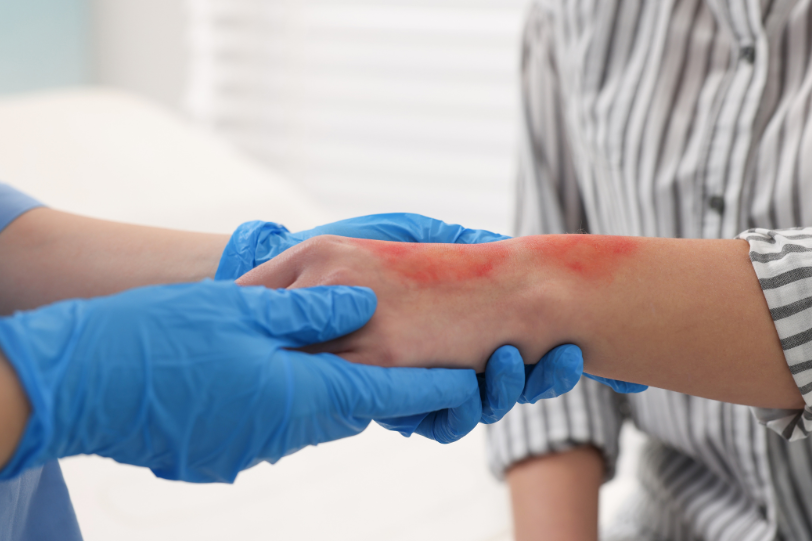
Why Thermal Burns Are Devastating
Thermal burns are far more than surface injuries—they represent one of the most painful and medically complex traumas a person can endure. Whether caused by open flames, hot liquids, or industrial explosions, these burns can damage deep layers of tissue in mere seconds.
This section explores how thermal burns affect the body, why they carry such high risks, and what makes them uniquely devastating among injury types.
- Rapid Tissue Destruction – Skin can suffer third‑degree damage in less than one second at 160°F.
- Fluid and Electrolyte Loss – Damaged capillaries leak plasma, causing life‑threatening hypovolemic shock.
- Infection Susceptibility – Without intact skin, bacteria invade easily; sepsis remains a leading burn‑unit killer.
- Contractures and Mobility Limits – Healing tissue tightens, bending fingers, elbows, or necks into painful positions.
- Disfigurement and Social Isolation – Facial and hand burns leave visible scars that alter self‑image and social interactions.
- Respiratory Damage – Inhaled hot gases and smoke char the airway lining, leading to swelling and respiratory failure.
- Psychological Trauma – Pain, lengthy hospitalization, and altered appearance fuel PTSD, depression, and anxiety.
- Economic Toll – Burn ICU stays cost thousands per day; prolonged rehab, pressure garments, and revision surgeries stretch costs into millions.
What Commonly Causes Thermal Burns and Who’s at Risk?
Not all thermal burns are the result of rare catastrophes—many happen in everyday settings, often due to preventable hazards. From malfunctioning appliances to workplace oversights, the causes of thermal burns are diverse and sometimes overlooked.
This section outlines the most common sources of these injuries and highlights the factors that tend to make them worse.
- Residential Fires
Faulty wiring, unattended candles, or space‑heater malfunctions ignite homes. - Scalding Liquids and Steam
Restaurant grease vats, super‑heated coffee spills, or ruptured boiler lines. - Industrial Flash Fires
Combustible dust in grain silos, gas leaks at refineries, or welding sparks near solvents. - Motor‑Vehicle Explosions
Overloaded fuel tanks, defective gas lines, or rear crashes in certain models. - Hot Surfaces and Molten Metals
Foundry ladles, asphalt pavers, glass‑blowing furnaces. - Propane and Natural‑Gas Equipment
Leaking valves, unvented heaters, or faulty regulator installations. - Electrical Appliance Overheating
Battery‑powered devices entering thermal runaway, space‑heater tip‑overs, or dryer lint fires. - Landlord Negligence
Absent smoke detectors, non‑functional fire escapes, or broken thermostatic mixing valves that allow scalding tap water. - Workplace Safety Violations
Missing machine guards, inadequate PPE, and neglected lockout/tagout procedures. - Fuel Tanker and Pipeline Disasters
Over‑pressurization, corrosion leaks, or improper welding can cause catastrophic explosions.
Understanding the Different Degrees of Thermal Burn Injuries
Medical professionals classify burns by severity to determine appropriate treatment and recovery expectations. Understanding these classifications is essential when assessing legal claims and future care costs.
This section breaks down the various degrees of thermal burns, ranging from superficial to life-threatening, and explains how each level affects the body and the law.
- First‑Degree (Superficial) – Red, painful skin; heals in days; rarely litigated unless widespread.
- Second‑Degree (Partial‑Thickness) – Blistering, intense pain, possible infection; may require grafting.
- Third‑Degree (Full‑Thickness) – Charred, leathery skin; destroys nerves and hair follicles; always needs grafts or flaps.
- Fourth‑Degree – Extends into muscle, tendons, or bone; high amputation and mortality risk.
- Inhalation Burns – Swelling of airway, carbonaceous sputum, singed nasal hairs; necessitates intubation.
- Combined Trauma – Burns plus fractures, crush injuries, or chemical exposure complicate treatment.
Who Can Be Held Legally Responsible for Thermal Burns?
When a thermal burn occurs, the legal question quickly becomes: Who could have prevented this? Liability doesn’t always stop with the person closest to the incident. Property owners, manufacturers, employers, and service providers may all bear some responsibility.
This section identifies the parties most often held accountable in burn cases and the circumstances under which they might be sued.
- Property Owners and Landlords – Code violations, faulty alarms, absent sprinklers, or scalding water heaters.
- Product Manufacturers and Retailers – Defective batteries, stovetops lacking automatic shut‑offs, or flammable children’s pajamas.
- Employers and Site Operators – OSHA breaches, missing PPE, or inadequate hot‑work permits.
- Maintenance and Repair Contractors – Improper gas‑line fixes, ignored boiler leaks.
- Fuel Suppliers and Utilities – Negligent pipeline audits, over‑pressurized lines.
- Automakers and Parts Suppliers – Design flaws placing fuel tanks in crush zones, substandard firewalls.
- Event Organizers – Pyrotechnic accidents, untrained staff handling open flames.
- Government Entities – Failure to inspect buildings, faulty traffic‑signal timing leading to fuel‑tanker crashes (notice deadlines apply).
- Parents or Supervisors – For child scalds or campfire mishandling (comparative‑fault analysis).
Legal Grounds for Compensation in Thermal Burn Cases
For victims, understanding how the law can provide relief is crucial. Personal injury law offers multiple avenues for pursuing justice after a thermal burn, from proving negligence to asserting product liability.
In this section, we explain the legal frameworks most commonly used in these cases and how each supports a victim’s right to financial recovery.
- Negligence – Breach of duty to keep premises, equipment, or products reasonably safe.
- Strict Product Liability – Design defect, manufacturing defect, or failure‑to‑warn for flammable materials or faulty electronics.
- Premises Liability – Dangerous conditions on property, inadequate egress, blocked fire exits.
- Workers’ Compensation – Immediate medical coverage and wage replacement for on‑the‑job burns; possible third‑party suits for defective equipment.
- Respondeat Superior – Employers are vicariously liable for employees who cause fires.
- Breach of Implied Warranty – Consumer goods that overheat or ignite unexpectedly.
- Building‑Code and Fire‑Code Violations – Negligence per Se when statutes are breached.
- Punitive Damages – Awarded for reckless disregard: disabled smoke alarms, hidden flammability, or falsified safety tests.
- Wrongful Death – Funeral costs, loss of support, and companionship for fatal burns.
Victims of thermal burns generally have between one and three years to file a personal injury lawsuit, depending on the state. However, cases involving government entities often require a formal notice within 30 to 180 days. Failing to act within these timelines can permanently bar your right to compensation. Contacting an attorney as soon as possible is essential to preserve your legal options and secure critical evidence.
Key Evidence to Support a Strong Thermal Burn Injury Claim
Strong legal claims are built on solid evidence, and in thermal burn cases, that means acting quickly before fire scenes are cleared or appliances are discarded.
This section details the most important types of evidence that attorneys use to establish liability, prove damages, and counter common defenses.
- Fire‑Marshal and ATF Reports – Origin‑and‑cause findings, code violations, and accelerant detection.
- Product Remains – Circuit boards, heating elements, and gas valves for forensic testing.
- Building and Appliance Maintenance Logs – Show ignored hazard warnings or overdue inspections.
- Surveillance and Smartphone Video – Captures flash fires, employee actions, or malfunction sequences.
- Smoke‑Detector and Sprinkler Records – Demonstrate working (or non‑working) life‑safety systems.
- Medical Records and Burn‑Depth Mapping – Establish injury severity and future treatment trajectory.
- Thermostatic Data and Boiler Settings – Prove that water exceeded safety thresholds.
- Eyewitness and Co‑Worker Statements – Confirm sparks, leaks, or earlier complaints.
- Material Safety Data Sheets (SDS) – Reveal flammability, required PPE, or storage limits.
- Prior Incident Files – Previous fires, recalls, or near‑miss reports ignored by defendants.
Defense Tactics in Burn Lawsuits and How to Challenge Them
Defendants in burn cases rarely admit fault without a fight. They often argue the injury was unforeseeable or blame the victim’s behavior.
Here, we examine the legal strategies commonly used to deflect responsibility—and how experienced lawyers challenge them using expert analysis, documentation, and code violations.
- Victim Contributory Negligence – Claiming the plaintiff misused the product or ignored the warnings. Counter with expert testimony on foreseeability and safer alternative designs.
- Assumption of Risk – Alleging workers accepted a hazard; OSHA mandates still bind employers.
- Modified Comparative Fault Caps – Defense tries to push the victim’s fault over 50%; early evidence preserves an accurate narrative.
- Unavoidable Accident – Defendants blame a freak electrical fault; forensic analysis often reveals poor design or maintenance.
- Statute of Repose (Product Age) – Old product defense; refurbishment or new component resets the repose clock in many jurisdictions.
- Governmental Immunity – Plaintiffs meet notice deadlines and invoke exceptions for dangerous conditions.
- Causation Challenges – Defense argues inhalation injury came from a separate source; medical experts use carbon‑monoxide levels and bronchoscopic images to link the cause.
What Damages Can Victims Recover in Thermal Burn Cases?
Thermal burn survivors face a range of losses: medical, financial, psychological, and social. Compensation must reflect the full scope of harm endured. Let’s outline the categories of damages that may be available in a successful claim and explain what courts consider when calculating awards.
- Acute Medical Costs – Emergency transport, ICU, surgeries, grafts, ventilators.
- Future Medical Expenses – Scar‑revision surgeries, laser therapy, physical and occupational rehab.
- Life‑Care Plans – Home nursing, adaptive equipment, pressure garments, prosthetics.
- Lost Wages and Earning Capacity – Extended time off or permanent disability.
- Pain and Suffering – Intense burn pain, dressing changes, itch cycles, emotional torment.
- Disfigurement and Loss of Enjoyment – Facial scars, social withdrawal, loss of intimacy.
- Household Services – Replacement of chores victim can no longer perform.
- Punitive Damages – For egregious code violations, concealed flammability, or falsified safety records.
- Wrongful‑Death Awards – Funeral costs, loss of companionship, and future earnings for survivors.

Top Questions Survivors Ask After a Thermal Burn Incident
Thermal burn victims and their families often have urgent legal questions, especially in the chaotic days after an accident.
- My child was scalded by a faulty apartment water heater. Do I sue the landlord or the manufacturer? Often both. Landlords must maintain safe water‑heater settings, and manufacturers can be liable for defective thermostats or heaters that superheat unexpectedly.
- Workers’ comp already covers my medical bills—why call a lawyer? Third‑party claims against equipment makers, property owners, or subcontractors can provide additional pain‑and‑suffering damages that workers’ comp never pays.
- The fire destroyed the appliance—how do we prove the defect? Forensic engineers analyze remaining fragments, metallurgical patterns, circuit‑board scorching, and similar incidents to pin down design flaws.
- Are hotel or restaurant scald burns covered under premises liability? Yes. Businesses owe invitees safe environments, including reasonable water temperatures and guarded hot surfaces.
- How quickly should I reach The Injury Helpline? Immediately. Fire scenes are cleared fast, evidence hauled away, and witness memories fade. The Injury Helpline answers 24/7 to protect your rights and evidence.
Burn Prevention Tips That Could Save a Life
Many severe burns are preventable with simple but consistent safety measures. Whether in homes, businesses, or public venues, burn prevention starts with awareness and proactive habits.
In this section, we provide practical, expert-recommended tips that can reduce the risk of thermal burn injuries.
- Set Water Heaters to 120°F – Test diligently after maintenance or tenant turnover.
- Install and Test Smoke/CO Detectors – Replace batteries twice yearly; integrate with smart alerts.
- Maintain Fire‑Suppression Systems – Sprinklers, kitchen hood‑suppression, fire doors.
- Use Flame‑Resistant Materials – Sleepwear, drapes, upholstery in high‑risk settings.
- Respect Hot‑Work Permits – No welding or cutting without fire watch and gas monitoring.
- Require PPE in Industry – Arc‑rated clothing, face shields, heat‑resistant gloves.
- Mind Space Heaters – Keep three‑foot clearance, automatic tip‑over shutoffs, and never use extension cords.
- Store Flammables Safely – OSHA‑approved cabinets, grounding wires, no ignition sources.
- Train Staff and Tenants – Fire‑drill practice, extinguishers, stop‑drop‑and‑roll education.
- Advocate for Safe Design – Support codes requiring sprinklers, tempered glass on fireplaces, and child‑proof stove knobs.
How The Injury Helpline Supports Burn Victims and Their Families
Burn injury cases are some of the most complex and emotionally taxing personal injury claims.
The Injury Helpline exists to guide survivors through every step—from case evaluation to expert coordination and settlement negotiation.
- 24/7 Live Intake – Immediate human support during critical hours.
- Free, In‑Depth Case Review – Uncover every liability angle—landlord, manufacturer, employer—at zero cost.
- Contingency‑Fee Representation – No fees unless we secure compensation.
Thermal burns inflict lifelong scars on skin and spirit, but they are seldom mere accidents. Too often, they stem from landlords who ignore smoke‑detector beeps, corporations that shave pennies on fire‑resistant materials, or manufacturers that rush unsafe products to market. When thermal injuries impact mobility, income, and confidence, victims deserve more than sympathy—they deserve justice and resources to rebuild.
If a burn has upended your world, do not face the painful journey alone. Secure specialized medical care, preserve every charred fragment of evidence, and enlist attorneys who understand the intricate dance of fire science, building codes, and product safety. The Injury Helpline, available around the clock for a free consultation, connects survivors nationwide with advocates committed to pursuing the dollars needed for grafts, therapy, adaptive equipment, and dignity. Together, we can help victims begin the path toward recovery and force negligent parties to keep future flames from reaching innocent skin.