

What Is Toxic Exposure?
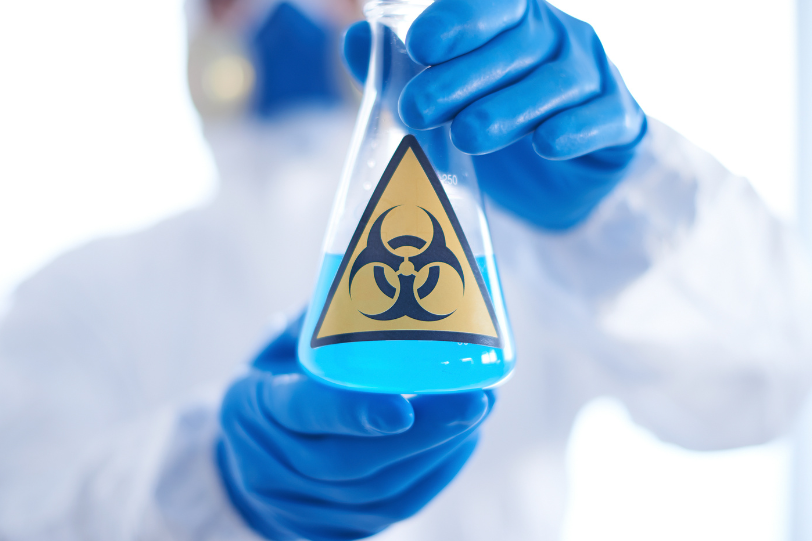
Toxic exposure refers to contact with harmful substances—chemical or biological—that can damage human health. This contact may occur through breathing contaminated air, touching or absorbing toxic materials through the skin, ingesting tainted food or water, or via accidental injection. Victims may encounter such toxins during workplace duties, at home, in public spaces, or after environmental disasters. From industrial solvents to agricultural herbicides, exposure can lead to immediate burns or poisoning, or insidiously cause cancer and organ failure years later.
Because the effects are often invisible or delayed, identifying the source and holding responsible parties accountable requires scientific precision and rapid legal action. That’s why The Injury Helpline operates around the clock, connecting those affected with attorneys and experts trained to investigate complex toxic-tort claims.
Why Toxic Exposures Are Especially Dangerous
Unlike visible injuries, the dangers of toxic substances often go undetected until significant harm has occurred.
Victims may not notice symptoms until exposure has already triggered long-term health consequences. And because many toxins accumulate gradually, the effects might not emerge until years later, making early identification and intervention especially challenging. Several factors make these exposures uniquely hazardous:
- Invisible Threats – Many toxins are undetectable to the senses but still dangerous.
- Cumulative Impact – Low-level contact over time may be just as lethal as one-time, high-dose exposure.
- Multiple Entry Points – Harmful substances can enter through air, water, soil, surfaces, or food.
- Chemical Combinations – Toxins can interact with each other, amplifying health risks.
- Outdated Safety Standards – Government-approved limits may not reflect modern scientific knowledge.
- Sensitive Populations – Children, the elderly, and those with weakened immunity are especially vulnerable.
- Delayed Onset of Symptoms – Health effects may not appear for years, complicating diagnosis and causation.
- Regulatory Blind Spots – Many chemicals used today were never rigorously tested for human safety.
Common Sources and Scenarios of Toxic Exposure
Toxic exposure isn’t limited to heavy industry or chemical plants—it can strike in everyday settings. Whether through a factory release or a contaminated product on your shelf, harmful substances make their way into homes, neighborhoods, and workplaces. Recognizing these sources is the first step toward prevention and accountability. Common scenarios include:
- Industrial Spills and Releases – Leaks of benzene, vinyl chloride, and other dangerous chemicals from plants or derailments.
- Workplace Hazards – Fumes, dust, and solvents threaten welders, miners, and beauty salon workers alike.
- Household Products – Everyday goods may contain asbestos, lead, or hormone-disrupting chemicals.
- Contaminated Water – Polluted wells and public systems often carry PFAS, lead, or nitrates.
- Agricultural Drift – Nearby fields can spread pesticides like glyphosate or paraquat onto homes and schools.
- Indoor Mold and VOCs – Water-damaged buildings release spores and chemical gases.
- Medical Devices and Pharmaceuticals – Implanted metals and compounding errors expose patients and staff.
- Landfills and Incinerators – Nearby residents may inhale dioxins or methane gas.
- Construction Sites – Renovation work may release asbestos or lead dust into the air.
- Transportation Accidents – Collisions involving tankers or hazmat cargo spread toxic clouds.
Health Effects and Diseases Linked to Toxic Exposure
Toxins can harm nearly every organ and system in the human body. Some effects are immediate, like chemical burns or respiratory distress, while others, such as cancer or birth defects, develop over time.
The symptoms often mimic unrelated conditions, delaying diagnosis and making treatment more difficult.
Toxic exposure has been linked to:
- Cancer – Mesothelioma (asbestos), lymphoma (glyphosate), leukemia (benzene), and liver cancer (vinyl chloride).
- Respiratory Illness – Asthma, COPD, and fibrosis from breathing contaminated dust or gases.
- Neurological Damage – Parkinson’s (paraquat), mercury-related cognitive loss, and lead-induced developmental delays.
- Hormonal Disruption – PFAS and BPA have been tied to infertility and thyroid dysfunction.
- Skin and Eye Injury – Burns, rashes, and eye inflammation from direct contact with caustic substances.
- Organ Failure – Kidneys and livers are especially vulnerable to certain solvents and heavy metals.
- Immune System Compromise – Dioxins and mold can weaken the body’s defense mechanisms.
- Birth Defects – Pesticide exposure in pregnancy may cause lifelong disabilities or structural abnormalities.

Parties Potentially Liable
Assigning legal responsibility for toxic exposure involves identifying who controlled the substance, who allowed the exposure, and who failed to warn or protect.
These cases often uncover systemic negligence across multiple organizations—from manufacturers to government regulators. Those who may be held accountable include:
- Chemical Manufacturers – For failing to design safer products or disclose known risks.
- Employers – Obligated under OSHA to provide protective gear and safe work environments.
- Property Owners – Must address mold, lead paint, or contamination on their premises.
- Municipal Utilities – Liable for tainted public water systems and failure to notify residents.
- Waste Firms – Illegal dumping or leaking storage tanks can trigger massive community harm.
- Farmers and Pesticide Users – Can be responsible for toxic drift or groundwater pollution.
- Retailers and Product Makers – For selling hazardous goods without warnings.
- Construction Contractors – Poor remediation or unsafe renovation practices can cause exposure.
- Environmental Consultants – Liable if flawed reports or oversight lead to harm.
- Government Agencies – May be sued under special statutes for negligent oversight or military-related contamination.
Legal Pathways to Compensation
Pursuing justice after toxic exposure requires navigating a patchwork of laws. Some cases fall under traditional negligence theories, while others rely on specialized environmental statutes or join mass litigations in federal court.
The right legal path depends on the exposure type, the responsible parties, and how the law applies. Key legal routes include:
- Negligence or Strict Liability – Claims based on carelessness or inherently dangerous product design.
- Multidistrict Litigation (MDL) – Combines similar toxic-tort lawsuits to streamline evidence and rulings.
- Workers’ Compensation – Offers limited benefits but may bar additional claims against employers.
- Product Liability – Targets manufacturers of dangerous or mislabeled chemicals.
- Environmental Lawsuits – Filed under CERCLA, RCRA, or Clean Water Act for cleanup and damages.
- Wrongful Death Actions – For families who lost loved ones due to exposure-linked illness.
- Medical Monitoring Claims – Courts may order defendants to fund long-term health screenings.
- Insurance Bad-Faith Cases – When insurers refuse to honor policies covering toxic injury claims.
Crucial Evidence in Toxic-Exposure Cases
Winning a toxic exposure case requires scientifically credible, well-preserved evidence. Because some toxins degrade quickly or cleanup crews alter the site, early documentation is key.
Linking the exposure to a particular source or behavior is also essential for proving causation in court. Critical evidence includes:
- Environmental Testing – Samples from water, air, soil, or surfaces showing contamination.
- Medical Records and Lab Results – Biomarkers proving exposure to specific toxins.
- Material Safety Data Sheets (SDS) – Required chemical disclosures often used to show known hazards.
- Internal Company Communications – Emails or memos admitting risk or cutting safety corners.
- Regulatory Citations – Past violations may support claims of negligence or concealment.
- Expert Testimony – From scientists who explain how the exposure caused harm.
- Exposure Histories – Documenting work duties, time on site, and safety procedures.
- Utility and Property Files – Water reports, permits, or environmental reviews.
- Receipts and Product IDs – Linking a toxic product to your home or body.
- Photos and Videos – Capturing leaks, dust, spills, or damaged safety equipment.
Typical Defense Arguments and Counter-Strategies
Defendants in toxic-tort cases often claim scientific doubt, regulatory compliance, or victim fault.
These tactics aim to create confusion or cast doubt on causation. Experienced attorneys counter these strategies with data, expert opinion, and evidence of negligence or deceit. Common defenses and rebuttals include:
- “No Proven Link” – Plaintiff experts reference medical studies and government hazard assessments.
- “Other Causes” – Doctors use differential diagnosis to isolate toxic exposure as the root cause.
- “We Followed the Law” – Regulatory compliance doesn’t excuse negligence when harm still occurs.
- “It’s Too Late to Sue” – Many states delay the clock until illness is diagnosed and tied to exposure.
- “Federal Law Blocks You” – Courts often allow state lawsuits even if federal rules exist.
- “The Victim Was Careless” – Workers can’t be blamed for insufficient safety gear they weren’t given.
- “We Filed for Bankruptcy” – Legal teams pursue settlements from trust funds and solvent co-defendants.
Recoverable Damages
Victims of toxic exposure often require extensive and long-term medical care. Compensation helps them manage the physical, financial, and emotional toll of these preventable harms. In severe cases, courts may also award punitive damages to punish especially reckless conduct. Common damages include:
- Medical Expenses – Including future treatment like dialysis, surgery, or chemotherapy.
- Lost Wages and Earnings – Covers both current and future financial losses.
- Pain and Suffering – For physical pain, emotional distress, and loss of life quality.
- Home and Care Costs – Nursing assistance, home alterations, or transport to specialists.
- Punitive Awards – For hiding evidence, falsifying tests, or knowingly risking lives.
- Wrongful Death – Financial support, funeral costs, and loss of companionship.
- Medical Monitoring – Periodic screenings to detect diseases early.
- Property Damage – Reduced home value or cleanup costs related to contamination.
Five Frequently Asked Questions
- How do I prove my illness was caused by a specific toxin?
Medical experts use biomarkers, exposure timelines, and scientific studies to demonstrate causation and rule out alternatives. - What if the exposure happened decades ago?
Discovery rules often delay the statute of limitations until diagnosis and linkage—cases can still be filed. - Do I have to join a class action?
Not always. Some cases join MDLs but stay individualized. Your attorney will recommend the best approach. - Can workers’ comp block other claims?
It limits lawsuits against employers but not against third parties like chemical manufacturers or landlords. - When should I call The Injury Helpline?
Immediately. Preserving evidence, initiating testing, and meeting legal notice deadlines are all time-sensitive.
Practical Steps to Reduce Toxic-Exposure Risk
Prevention starts with education and caution. Whether at home or work, taking small steps can significantly reduce your risk of dangerous contact with toxins.
Protective strategies include:
- Use the Right PPE – Gloves, masks, and full-body gear when handling chemicals.
- Ventilate Spaces – Ensure proper airflow when painting, cleaning, or using solvents.
- Read All Labels – Understand the dangers and instructions of any chemical product.
- Test Your Environment – Especially near farms, factories, or aging infrastructure.
- Monitor Indoor Air – Use detectors for carbon monoxide or volatile organic compounds.
- Attend Required Trainings – Know your OSHA rights and responsibilities.
- Report Leaks Promptly – Early warnings can prevent major incidents.
- Get Routine Screenings – Especially if your job or home environment poses risk.
Immediate Steps After Suspected Toxic Exposure
If you believe you’ve been exposed to a harmful chemical, fast action can save your health—and your legal case. Proper documentation and immediate medical care are essential.
Take these steps:
- Seek Medical Help – Get emergency care and report your symptoms immediately.
- Isolate the Source – Photograph labels, leaks, or spill locations.
- File Official Reports – Notify supervisors, environmental agencies, or poison control.
- Record Details – Log what you did, where, for how long, and what PPE you used.
- Preserve Contaminated Materials – Secure clothing or collect safe samples.
- Get Medical Testing – Request labs for toxins before your body clears them.
- Keep All Medical Files – These are vital for proving injury and causation.
- Call The Injury Helpline – Our team can secure evidence, notify insurers, and begin legal action fast.
How The Injury Helpline Supports Toxic‑Exposure Victims
When you’re up against chemical manufacturers, government bodies, or corporate giants, you need more than a lawyer—you need a team. The Injury Helpline provides around-the-clock access to professionals who know both science and litigation.
- Round‑the‑Clock Availability – Immediate intake for emergencies or late‑diagnosed illnesses.
- Free, Thorough Case Review – Explore negligence, product liability, workers’ comp, and environmental statute options without charge.
- Specialized Attorney Network – Lawyers experienced in toxic‑tort science, MDL strategy, and trial advocacy.
- Top Scientific Experts – Toxicologists, epidemiologists, occupational physicians, and remediation engineers.
- Contingency‑Fee Representation – No fees unless compensation is secured.
- Holistic Guidance – Medical‑lien negotiation, trust claim filing, structured settlements, and family counseling resources.
Toxic exposure can creep in silently or strike in an instant, but the aftermath is always costly—financially, physically, and emotionally. When corporations dump waste, landlords ignore mold, or product makers bury hazard data, innocent people pay with cancers, organ failure, and lost livelihoods. These harms aren’t inevitable; they’re the predictable outcome of cutting corners on safety.
If you suspect a toxin caused your illness or took a loved one’s life, act now. Secure medical testing, gather evidence, and enlist attorneys who marry scientific rigor with legal tenacity.
The Injury Helpline, open 24/7 for a free consultation, connects victims nationwide to the professionals needed to translate complex chemistry into courtroom accountability—and to secure the compensation necessary for healing, monitoring, and a future where public health outweighs profit.