

What Is a Train Accident?
A train accident refers to any incident involving a railway vehicle, such as a freight train, a passenger train, a commuter rail, or a light rail system, that results in damage, injury, or death. These accidents can take many forms: derailments, collisions between multiple trains, crashes at railway crossings involving cars or pedestrians, and accidents triggered by mechanical failures or track obstructions. Unlike typical car accidents, train incidents often involve vast differences in speed and mass, which greatly increase the chances of catastrophic results.
While many rail systems operate under strict safety guidelines and advanced signaling technology, train accidents still occur across both rural and urban settings. They can involve one or multiple railcars, other motor vehicles, pedestrians, and railroad workers. The aftermath—both physical and legal—can be complex, requiring specialized investigation and a thorough understanding of federal, state, and local regulations governing railway operations.
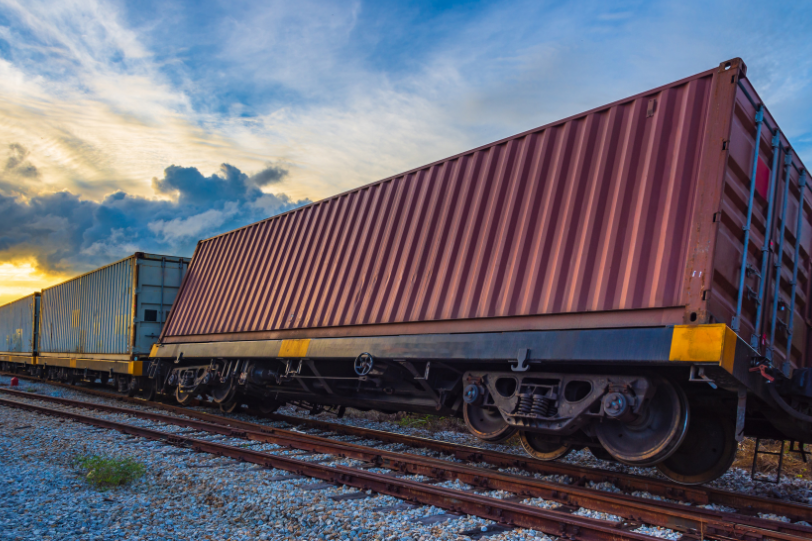
Common Causes of Train Accidents
Train accidents can spring from a variety of factors, often intersecting human errors with mechanical or environmental issues. Understanding these causes can help identify prevention strategies and clarify liability when incidents occur:
- Human Error
Conductors, engineers, maintenance crews, and dispatchers may make mistakes under stress or fatigue, or due to inadequate training. A single oversight, like misreading signals or failing to reduce speed, can lead to derailments or collisions. - Mechanical Failures
Defective brakes, faulty coupling systems, and worn wheels are just a few mechanical issues that may cause a train to lose control or derail. Regular inspections and maintenance help mitigate these risk,s but do not eliminate them entirely. - Track and Infrastructure Problems
Damaged or poorly maintained tracks, malfunctioning signaling equipment, and broken switches can all result in accidents. Adverse weather, like extreme heat or flooding, further degrades infrastructure. - Vehicle-Train Collisions
In many scenarios, cars or trucks may stall or inadvertently enter a railroad crossing at the wrong time. Drivers can also misjudge the distance or speed of an oncoming train, leading to high-impact collisions. - Pedestrian Incidents
Pedestrians crossing tracks, whether legally or illegally, face danger if the train cannot stop in time. Inattention or trespassing often contributes to fatal encounters. - Excessive Speed
Operating beyond safe speed limits—especially on curving tracks or near crossings—reduces the margin of error and complicates emergency braking.
While government agencies like the Federal Railroad Administration (FRA) and the National Transportation Safety Board (NTSB) regulate and investigate train accidents, these incidents still occur regularly due to the massive scale of rail networks and the many factors that can compromise safety on the rails.
Inadequate Maintenance, Poor Markings, and Overgrown Vegetation at Crossings
Railroad crossings are supposed to be equipped with clear warnings—think flashing lights, crossing gates, and loud bells. But when these systems suffer from poor or infrequent maintenance, they can fail right when they’re needed most. A malfunctioning gate or silent bell means drivers may not be alerted to an oncoming train, especially in low-light or high-traffic conditions.
Poorly marked crossings add a further layer of risk. Without visible signage or road markings, drivers might not recognize a crossing until they’re already dangerously close to the tracks. Add to this the challenge of overgrown vegetation: when weeds, trees, or tall grass crowd the sightlines near a crossing, motorists lose precious seconds of visibility. An oncoming locomotive, which takes much longer to stop than any passenger car, can be effectively hidden in plain sight.
When visibility and warnings are compromised in these ways, the margin for error shrinks dramatically, heightening the risk of catastrophic collisions.
How Common Are Train Accidents?
Although the incidence of train accidents is lower than that of road-based collisions, the potential for widespread harm is high when they do occur. While train derailments happen less often than car crashes, they often lead to severe outcomes. Understanding their frequency helps contextualize the risks:
- Derailments: Hundreds of derailments happen each year in the United States, though many are minor. Some, however, result in significant damage or hazardous material spills.
- High-Profile Crashes: Collisions at train crossings and multi-train crashes capture public attention, especially if they involve passenger trains with numerous casualties.
- Geographic Variations: Heavier rail traffic regions—such as busy freight corridors and densely populated commuter lines—tend to see more incidents than rural or lightly used lines.
- Fatalities and Injuries: Pedestrian and vehicle-train collisions often lead to severe injuries or death, given the enormous mass and braking distance of trains.
Despite the lower frequency of train derailments compared to other vehicular accidents, their impact can be profound. When they do occur, dozens or even hundreds of people and their family members can be affected, underscoring the unique risks associated with rail travel.
Legal and Administrative Implications
Train accidents typically involve multiple agencies, each with distinct responsibilities and rules. Local and state police might handle immediate response, but federal bodies like the FRA, NTSB, or Federal Transit Administration (FTA) may also investigate, especially if the incident involves:
- Infrastructure Failures
Faulty signals, defective tracks, or other systemic errors that point to regulatory non-compliance can prompt federal scrutiny. - Criminal or Negligent Conduct
If human error, like impaired operation or flagrant disregard of safety protocols, contributes to a crash, criminal charges may result for individuals or companies. - Environmental Hazards
Spills of toxic cargo or other threats to public health can lead to involvement from entities like the Environmental Protection Agency (EPA). - Operating Regulations
Rail companies must comply with various mandates on speed limits, worker hours, maintenance schedules, and safety technology. Violations can lead to fines, license suspensions, or operational restrictions.
At the administrative level, a train accident might prompt official hearings where railroad companies, maintenance contractors, or even automotive manufacturers (if a car’s mechanical failure contributed) defend their practices. The involvement of multiple government agencies can make legal proceedings more complicated.
Notable Train Accident Lawsuit Examples
To better understand how train accident litigation unfolds, it helps to look at previous cases where victims received compensation. While each situation has unique facts, a few typical scenarios stand out:
Crewmember Injuries During Recovery Operations
In one widely publicized instance, a recovery worker arrived on site after a derailment to clear debris. The train, unexpectedly set in motion during recovery, left the worker with serious and permanent injuries—including traumatic brain damage. The resulting lawsuit alleged failures in safety protocols and communication, and ultimately led to an eight-figure settlement covering medical expenses, lost wages, and pain and suffering.Passenger Claims After Major Derailments
Mass casualty events, like the 2015 Amtrak derailment near Philadelphia, have led to high-profile class action settlements. Victims impacted by derailment or collisions have pursued claims for a range of damages: medical costs, ongoing rehabilitation, loss of earning capacity, and emotional distress. Courts often group these cases to streamline compensation and address widespread harm.Product Defects & Manufacturer Liability
There are also cases where faulty railcar components—such as braking systems or automatic couplers—caused or exacerbated accidents. In these situations, injured parties have successfully brought product liability actions against manufacturers, resulting in substantial awards to cover both short- and long-term effects of the accident.
These real-world examples illustrate how successful train accident claims can lead to compensation for individuals and families dealing with life-altering consequences.
Legal Areas Involved in Train Accident Cases
When dealing with train accident claims and transportation accidents, a variety of legal practices come into play. These practices ensure comprehensive coverage and robust handling of the complexities involved in such cases.
- Personal Injury Law: This field addresses the injuries sustained during train or transportation accidents, ensuring victims receive compensation for medical bills, pain and suffering, and lost wages.
- Transportation Law: Specializing in the governance and regulations of various transportation modes, this area covers safety standards and compliance issues for public and private transit systems.
- Product Liability: Often, accidents occur due to defective equipment or parts. This practice focuses on holding manufacturers or distributors accountable for any faulty products that contribute to accidents.
- Wrongful Death Claims: Unfortunately, some accidents result in fatalities. Legal expertise in wrongful death claims is crucial for family members seeking justice and compensation for their loss.
- Insurance Law: Navigating the complexities of insurance claims and coverage disputes is essential, as insurers may try to minimize payouts for accident-related damages.
- Corporate Liability: When companies or entities are responsible for negligent practices leading to accidents, corporate liability law is employed to hold them accountable.
Civil Liabilities for Train Accidents
Apart from government investigations or criminal prosecutions, civil liability arises when victims pursue compensation for losses. Train accidents can have severe effects—mass injuries, property destruction, and large-scale economic damage. Potential defendants and legal claims include:
- Railroad Operators
If a company neglects track maintenance, mismanages schedules, or fails to train employees adequately, it might bear responsibility for injuries and financial losses. - Train Manufacturers
Defects in critical components—like braking systems or coupling mechanisms—can implicate manufacturers in product liability claims. - Maintenance Contractors
Third-party companies responsible for track upkeep or signal operation could be held accountable if their negligence contributed to the accident. - Government Agencies
In some cases, a public transit authority or other government body that oversees rail lines or commuter trains faces liability if it didn’t install adequate crossing gates or signals. - Automotive Drivers
If a driver causes an accident by ignoring crossing signals or stalling on the tracks, they may be liable for resulting property damage and personal injuries.
Class action or mass tort lawsuits can emerge from incidents with numerous victims, such as derailments involving passenger trains. Courts then assess liability and assign damages for lost wages, medical costs, emotional distress, and—in fatal cases—wrongful death claims.
Key Questions About Train Accidents
- Who investigates train accidents?
Multiple parties may investigate, including local police, state oversight organizations, the FRA, and the NTSB. The scope depends on severity, location, and whether interstate regulations apply. - Can train passengers sue for injuries sustained on board?
Yes. Passengers can often file personal injury claims against the railroad operator or other responsible entities if negligence or a regulatory breach contributed to the crash. - How are car-train crashes different from typical car accidents?
Train accidents generally involve more substantial force, specialized regulations, and a higher standard of care for operators. Also, multiple agencies may be involved in investigating. - Does comparative negligence apply to train accidents?
In many states, yes. For instance, if a driver partially caused a car-train collision by ignoring warning signals, their compensation could be reduced proportionately, even if the railroad also shares fault. - Can The Injury Helpline assist in non-fatal train accidents?
Absolutely. Whether injuries are catastrophic or more moderate, The Injury Helpline can connect you with attorneys experienced in train-related matters, including property damage or minor injuries.
Why Do Train Accidents Happen?
Accidents in the rail industry often spring from a combination of systemic and immediate causes:
- Aging Infrastructure: Outdated tracks, bridges, and signals can fail under modern operational demands if not regularly upgraded.
- Technology Gaps: Systems like Positive Train Control (PTC) help prevent collisions by automatically slowing trains. Where they are not implemented or functioning correctly, the risk rises.
- Staffing Pressures: Crew fatigue, insufficient employee training, and understaffed operations intensify the possibility of human error.
- Rushed Schedules: Tight timetables for freight or commuter routes may tempt operators to exceed recommended speeds or skip routine checks.
- Lack of Public Awareness: Drivers sometimes ignore crossing signals or pedestrians walking alongside tracks without realizing the danger or the speed at which trains travel.
In essence, robust oversight, consistent maintenance, and rigorous training programs remain pivotal to reducing accidents, a constant challenge for the expansive rail networks in the U.S.
How an Attorney Can Help with Train Accident Cases
Train accidents present unique complexities that differ from standard car crashes. These incidents not only require technical understanding but also compassionate advocacy for the victims involved. If you’re a victim seeking compensation or a party facing potential liability, engaging a skilled attorney offers several advantages:
- Specialized Investigation
Attorneys work with accident reconstruction experts, railroad engineers, and compliance specialists to piece together the chain of events. Determining fault requires analyzing data recorders, commonly referred to as ‘black boxes’ in the rail industry. - Navigating Railroad Regulations
Federal rules, collective bargaining agreements, and state-specific codes each affect how rail lines operate. Knowledgeable attorneys interpret and apply these regulations to support or refute claims. - Identifying Multiple Defendants
A train accident might involve a host of liable parties—from equipment manufacturers to government entities. An attorney ensures that you pursue every avenue of compensation. - Handling Insurance Complexities
Railroad companies, municipalities, and large freight carriers typically have robust insurance coverage. Negotiating settlements with these entities can be daunting without experienced counsel. - Litigation and Trial
If negotiations fall through, an attorney can file a lawsuit. They’ll gather evidence, question witnesses, and present your case in court, advocating for damages that reflect your true medical, financial, and emotional losses.

Advocacy and Support
Beyond the technicalities, the role of railroad and train injury lawyers extends to providing unwavering support and advocacy for accident victims. These legal professionals are dedicated to representing individuals who have suffered from such incidents, ensuring that their voices are heard and their needs addressed. Many firms offer free case evaluations and work on a contingency basis, meaning there is no fee until you are compensated for your injuries. This approach underscores their commitment to justice and to securing the compensation victims rightfully deserve.
Steps to Take If You’re Involved in a Train Accident
Whether you’re a passenger on a train, a motorist at a crossing, or a pedestrian, immediate actions can safeguard your health and any potential legal claim:
- Seek Medical Attention
Train accidents can cause severe trauma, from fractures to internal injuries. Even if you feel capable, a medical evaluation is crucial for diagnosing hidden injuries and documenting them. - Contact Authorities
Dial 911 for emergency services, then cooperate with first responders. An official incident report provides a vital, objective record if you pursue claims. - Collect Information
If you can safely do so, record train numbers, the railroad operator’s name, and any visible identifying details. Obtain contact info from witnesses, fellow passengers, or bystanders. - Preserve Evidence
Photograph or film the accident scene, vehicle or railcar damage, track conditions, and relevant signage. Documentation can serve as powerful evidence later. - Report the Accident to Appropriate Entities
If you’re an employee, notify your employer. Motorists and pedestrians should inform insurance companies. However, avoid speculation about fault or giving recorded statements before speaking to legal counsel. - Consult an Attorney
Train accident claims often involve complex rules and extensive potential damages. An attorney guides you through statutes of limitations, ensures proper filing, and protects your interests during negotiations or litigation.
What to Expect When Filing a Train Accident Claim
Navigating the complexities of a train accident claim can be daunting, but understanding the process helps set clear expectations:
- Initial Consultation
Start with a free case evaluation with an experienced attorney. This step clarifies your legal options and the potential for compensation based on your situation. - No Upfront Fees
Legal representation usually operates on a contingency fee basis, meaning you won’t pay until you receive compensation. This setup lets you focus on your case without worrying about upfront costs. - Comprehensive Case Strategy
Your attorney will develop a tailored strategy, gathering evidence and working with experts to build a robust case. Expect meticulous documentation and communication throughout the process. - Ongoing Support and Advocacy
From filing the claim to negotiating settlements or pursuing litigation, your legal team will advocate for your rights, keeping you informed at every stage.
By understanding these steps and expectations, you can focus on recovery while your attorney handles the legal intricacies, ensuring your interests are well-represented.
How The Injury Helpline Supports Train Accident Victims
The Injury Helpline is a nationwide resource dedicated to connecting those affected by train accidents with seasoned legal professionals, often at no cost. Our goal is to streamline a complex process and help you focus on healing. Here’s how we support you:
- Prompt Assistance
After hearing the details of your situation, our team provides preliminary guidance on documentation, medical considerations, and potential next steps. - Attorney Referrals
We partner with lawyers across the country who have experience handling railway claims, whether involving commuter lines, freight carriers, or crossing collisions. - Local Expertise
Train laws and infrastructure vary by region. We ensure you get matched with attorneys who understand local rail regulations and can advocate effectively. - Ongoing Support
Even after putting you in touch with an attorney, we remain available if you need further resources or guidance. We understand that the path to resolution can be lengthy and complicated.
Train Accident FAQs
- Can I sue a public transit authority for injuries on a commuter train?
Yes, but suits against government agencies often involve specific procedures (like filing a notice of claim) and shorter deadlines. An attorney familiar with public liability is essential. - Are railroad companies automatically at fault if a train derails?
Not always. Maintenance contractors, track owners, or even weather factors might share the blame. Investigations usually determine how multiple parties may have contributed. - Do worker compensation rules apply to railroad employees?
Railroad workers are covered under the Federal Employers’ Liability Act (FELA), which differs from standard state-based worker compensation systems. FELA can allow for a more substantial recovery if an employer’s negligence caused the injury. - How are train accident damages calculated if I’m partially at fault?
In comparative negligence jurisdictions, your compensation may be reduced according to your share of fault. An attorney can explain how these rules apply to your circumstances. - Does The Injury Helpline assist with property damage-only claims?
Absolutely. Even if you face no severe personal injuries, large-scale property damage or business losses from a train accident can still require legal support.
Train accidents are relatively rare compared to car crashes, but they carry a profound capacity for destruction and prolonged legal battles. Whether they involve derailments, collisions with vehicles at railroad crossings, or incidents within train stations, the consequences can be life-changing, impacting individuals, entire communities, and commercial operations.
If you or a loved one has suffered injuries, property damage, or emotional trauma from a train accident, acting quickly can make a major difference in your recovery and legal case. The Injury Helpline offers nationwide connections to lawyers who excel in the multifaceted realm of rail incident litigation. By promptly seeking medical attention, documenting all possible evidence, and consulting knowledgeable attorneys, you stand the best chance of securing fair compensation and holding liable parties accountable. In a domain where local, state, and federal regulations intersect, expert guidance becomes not just helpful but essential.