

Understanding Uber and Lyft Accidents
A rideshare accident, such as one involving Uber or Lyft, is any vehicular collision, sideswipe, or other incident involving a rideshare vehicle operating under companies like Uber or Lyft. Unlike traditional taxis, these drivers use personal cars and rely on an app-based platform to connect with passengers.
Although ridesharing can be convenient, accidents still occur for various reasons, ranging from driver negligence to mechanical failures, and can lead to significant injuries, property damage, or even fatalities. Determining liability in a rideshare crash can be more complex than standard collisions. Multiple parties—such as the driver, the rideshare company, and potentially other involved motorists—may share responsibility.
Insurance coverage also differs depending on whether the driver was actively transporting a passenger, waiting for a ride request, or completely off duty, making the investigative and claims process more intricate. When an accident occurs, the driver who is at fault is generally held liable for any injuries sustained by passengers. If the rideshare driver is at fault, they are responsible for covering the damages. Conversely, if another driver caused the accident, that individual is liable for the injuries.
Rideshare services are unique because drivers use their personal vehicles for commercial purposes. This distinction is crucial because personal insurance policies often do not cover accidents that occur while the driver is engaged in ridesharing. Therefore, if the rideshare driver is at fault, the company’s insurance is expected to step in and cover the incident. Understanding these nuances is vital as it affects how claims are processed and who ultimately bears financial responsibility. This layered complexity requires a thorough investigation to determine the responsible parties and the appropriate insurance coverage.
Top Causes of Uber and Lyft Accidents
Collisions involving rideshare vehicles arise from a combination of factors related to both the driver and the surrounding environment:
- Distracted Driving
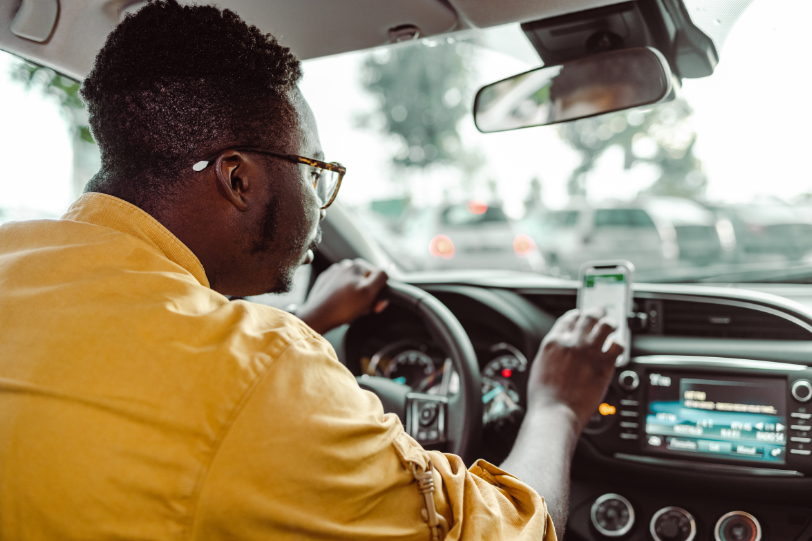
Drivers may look at their phones for navigation, accept ride requests, or communicate with passengers. Even brief lapses of attention significantly heighten accident risk. - Fatigue
Some Uber or Lyft drivers work long hours or juggle multiple jobs, leading to drowsy or inattentive driving. Fatigue impairs reaction time and judgment. - Speeding or Aggressive Maneuvers
Under pressure to complete rides swiftly, drivers might exceed speed limits, make abrupt lane changes, or ignore traffic signals. - Inexperience or Poor Training
Rideshare drivers generally undergo limited screening and minimal formal instruction, leaving them less equipped to handle emergencies or navigate unfamiliar roads. - Mechanical Issues
Personal vehicles used for ridesharing may not receive regular checks or maintenance. Worn brakes, bald tires, or faulty lights all contribute to potential accidents. - Weather and Road Conditions
Rain, snow, ice, or fog reduces visibility and traction, complicating pickups, drop-offs, or quick lane changes. Unsuspecting potholes or poor signage also create hazards. - Passenger Distractions
Rideshare customers might talk loudly, argue, or request off-route stops, pulling the driver’s focus away from safely operating the vehicle.
How Often Do Uber and Lyft Accidents Happen?
Ridesharing has exploded in popularity over the last decade, adding more vehicles to congested roads. Consequently, accidents involving Uber and Lyft have become more frequent. Why is that?
- Increased Usage: Millions of daily rides occur in urban, suburban, and even rural areas, expanding the scope for potential collisions.
- Varied Driver Habits: Some drivers operate only a few hours weekly, while others treat ridesharing as a full-time role. Inconsistent driving schedules can result in drowsiness, overwork, or unfamiliar routes.
- Data Gaps: While major rideshare companies publish certain safety statistics, critics argue that the true scale of accidents is underreported. Not all incidents result in police reports or official documentation.
Despite attempts to implement in-app safety measures, driver background checks, and insurance policies, rideshare collisions remain a pressing concern. Municipalities and insurance providers continue to debate best practices for ensuring passenger, pedestrian, and driver protection.
What to Do If You’re Injured While Driving for Uber or Lyft
Being involved in an accident while driving for Uber can be a disorienting experience, especially when it’s not your fault. Navigating the aftermath requires clarity and quick action. Here’s a step-by-step guide on what you should do:
1. Prioritize Safety and Medical Needs
Check for injuries: Ensure that everyone involved in the accident, including passengers, is safe. Call 911 immediately if anyone is injured and seek medical attention; even minor injuries deserve a check-up. Some symptoms might not appear until later.
2. Document the Scene
Take photos, capture images of the accident scene, vehicle damages, and any visible injuries. Gather information, Exchange contact details with all parties involved, including passengers and witnesses. Note down the other driver’s insurance details.
3. Report the Accident
Inform Uber. Use the app to report the incident to Uber as soon as possible. They have protocols in place for such situations. Contact local authorities: File a police report. This documentation can be crucial if disputes arise.
4. Consult a Legal Expert
Understand your rights and the complexities of the law regarding rideshare accidents. Seek advice from a lawyer specializing in rideshare or personal injury cases. They’ll navigate the intricate legal landscape and help you determine what compensation you might be entitled to.
5. Understand the New Legal Landscape
Introducing laws like California Assembly Bill 5 can impact your case, especially regarding your status as an independent contractor versus an employee. A legal consultant can offer clarity here.
6. Don’t Settle Prematurely
Avoid making quick settlements with insurance companies before understanding the full scope of your rights and possible compensation.
7. Keep Detailed Records
Maintain a file with medical records, repair estimates, and any related expenses. These documents are vital for insurance claims or legal proceedings.
Legal and Administrative Implications
When an Uber or Lyft accident occurs, liability, coverage, and legal obligations may differ from typical auto collisions:
- Insurance Tiers
Both companies use tiered insurance coverage. For example, if the driver is “offline” (the app is not active), only their personal insurance applies. But when the driver is en route to pick up a passenger or actively transporting one, Uber or Lyft’s commercial insurance usually offers higher coverage limits. - Independent Contractor Status
Most rideshare drivers are independent contractors rather than employees. This classification can reduce the parent company’s direct responsibility for driver negligence, though not necessarily eliminate it. - State and Local Regulations
Some jurisdictions require additional licensing, background checks, or specific coverage for rideshare vehicles. Breaches of these rules can influence liability and citations. - Passenger Protections
In principle, rideshare users have coverage through the platform’s insurance if an accident occurs during an active ride. However, disputes may arise over the driver’s status at the time of the accident. - Comparative or Contributory Negligence
Courts assess whether the rideshare driver, another motorist, or a pedestrian contributed to the crash. Even passengers might share partial responsibility if, for example, they distracted the driver.
Injured parties—be they passengers, other drivers, or pedestrians—can file civil claims to recover damages:
- Medical Bills
Covering emergency treatment, hospital stays, surgeries, follow-up appointments, and physical therapy. Ongoing conditions may necessitate further compensation for future care. - Lost Income
Severe injuries may sideline victims from work temporarily or permanently. They can seek restitution for wage losses and diminished earning capacity. - Pain and Suffering
Emotional distress, reduced quality of life, and chronic pain often warrant non-economic damages on top of direct financial losses. - Property Damage
When personal vehicles, bicycles, or personal belongings are destroyed in an accident, victims may pursue repair or replacement costs. - Wrongful Death
If an Uber or Lyft crash results in a fatality, surviving family members may file a wrongful death claim seeking compensation for funeral costs, loss of companionship, and the victim’s projected future earnings.
Determining liability requires analyzing the rideshare driver’s status at the time of the crash, verifying insurance policies, and evaluating any complicity by the rideshare company. Thorough evidence collection is vital—driver logs, app records, GPS data, and witness statements may all help assign fault.
Tactics Insurers Use to Limit Compensation
Insurance companies aren’t shy about deploying strategies to limit their liability after a rideshare accident. Their first move often involves scrutinizing the driver’s status at the precise moment of the collision—were they waiting for a ride request, en route to pick up a passenger, or actively transporting someone? The answer can significantly affect which policy kicks in, and insurers may attempt to dispute or muddy this timeline to shift responsibility elsewhere.
Beyond that, adjusters may point fingers—sometimes suggesting another motorist or even the injured party shares blame, invoking the principles of comparative or contributory negligence. If they successfully attribute any fault to you, even partially, it can reduce the payout you ultimately receive.
Insurers also move quickly to close claims, offering early lowball settlements before the full scope of injuries, medical expenses, or long-term effects is clear. Many victims, eager to resolve matters, accept these initial offers, unaware that they might be walking away from compensation they’ll need down the road.
Defending your right to adequate compensation often means gathering solid evidence and pushing back against these tactics, ideally with experienced legal guidance. Comprehensive documentation—think app activity records, eyewitness accounts, medical evaluations, and repair estimates—can make all the difference when negotiating with formidable corporate insurers.
Filing Deadlines for Lyft Accident Claims in the United States
If you’ve been involved in a Lyft accident, understanding the legal deadlines for filing a claim is essential. Each state has its own rules, but here’s a general overview to help you take timely action.
General Time Frame: Two Years in Most States
In most U.S. states, the statute of limitations for Uber or Lyft accident claims is typically two years from the date of the crash. However, some deadlines may be shorter—especially if a government vehicle was involved. Always check your state’s current statute of limitations, as these laws can change, and missing the deadline could permanently affect your right to seek compensation.
Special Circumstances: Government Involvement
If your accident involved a government vehicle, such as a city bus, police cruiser, or utility truck, you may face much shorter deadlines. In many states, claims against government entities must be filed within 6 months to 1 year, and often require a special notice of claim before any lawsuit can proceed.
Don’t Wait—Act Early
Regardless of where the accident happened, early legal intervention is key. Lyft claims can involve unique insurance layers, corporate policies, and complex fault investigations. An attorney who understands rideshare accident law can help protect your rights and ensure all deadlines are met.
Key Questions About Uber and Lyft Accidents
- Who pays if I’m injured as a rideshare passenger?
Passengers are typically covered by Uber or Lyft’s commercial insurance during an active trip. However, the driver’s personal insurance may apply if the app-based coverage doesn’t fully cover the damages or if policy limits are exceeded. - Can I sue Uber or Lyft directly for the driver’s negligence?
Drivers are generally classified as independent contractors, limiting direct liability for the company. However, cases with employer-like control or inadequate screening or training might open the door to corporate responsibility. - Do I need to prove the rideshare driver was “on the clock”?
Yes—coverage changes if the driver was actively engaged in a fare. Evidence might include timestamps, in-app trip data, or credit card transaction logs establishing trip status. - Am I covered by my own auto insurance if I was a passenger?
Your policy might provide additional personal injury protection or uninsured motorist coverage. However, rideshare coverage often supersedes personal auto policies once you’re in the vehicle as a passenger. - Does The Injury Helpline assist with minor accidents involving rideshare vehicles?
Absolutely. The Injury Helpline is available 24/7, offering a free consultation and connecting clients nationwide with injury lawyers, regardless of the accident’s severity. - Will personal injury protection (PIP) cover me if I was a rideshare passenger?
It depends on your insurance policy and state laws. However, once you’re actively riding, Uber or Lyft’s coverage typically takes precedence over personal insurance and may fill any gaps in coverage. - Can I sue the rideshare company if the driver’s personal policy refuses to pay?
In many cases, the rideshare company’s commercial insurance applies if the driver was online and actively providing rides. However, direct lawsuits against Uber or Lyft are usually limited unless you can show the company was negligent. - Does it matter if the driver had a “trip in progress” or was just waiting for a request?
Yes. Coverage changes during three “periods”: Offline, online waiting for a request, or actively transporting a passenger. The higher policy limits generally apply only during an active trip. - What if I, as a pedestrian, were struck by a rideshare vehicle?
Your claim can function similarly to any auto accident, but coverage often hinges on whether the driver was logged into the app. An attorney can help untangle who pays.
Why Do Uber and Lyft Accidents Happen?
Despite safety training and in-app guidance, collisions remain frequent for rideshare drivers due to:
- Over-Reliance on GPS: Drivers may follow app directions without watching local traffic hazards, leading to abrupt turns or lane changes.
- Extended Hours: Drivers might work late nights or lengthy shifts, especially during peak surge times, fostering drowsiness.
- Unfamiliar Areas: A driver who picks up a passenger in a completely new city or neighborhood can make mistakes merging onto highways or turning onto busy streets.
- Time Pressures: Eager to complete more rides, drivers might rush or skip breaks.
- Distracted Behavior: Checking the rideshare app for new requests or navigating real-time route changes can divert attention from the road.
Addressing these vulnerabilities hinges on improved driver screening, better in-app safety features, and heightened awareness among both drivers and passengers.
How an Attorney Can Help with Uber and Lyft Accident Cases
Retaining a lawyer experienced with rideshare accidents can prove crucial, particularly when liability and insurance coverages overlap. Rideshare accident cases are inherently complex, often involving multiple parties and ever-evolving laws. Having a legal expert by your side ensures that your best interests are prioritized over the corporate interests of companies like Uber or Lyft.
- Evidence Collection
Attorneys can obtain digital records from Uber and Lyft to verify whether the driver was actively engaged in a fare at the time of the accident. They may also access phone records, dashcam footage, and driver background checks. Critically, lawyers can request internal driver monitoring data—information that these companies often withhold from accident victims but are typically required to release when formally requested by legal counsel. - Negotiations with Multiple Insurers
Rideshare cases might involve personal auto insurance, the company’s liability coverage, and even other motorists’ insurers. Attorneys coordinate negotiations to secure a fair settlement. They handle all communication with these entities, relieving you of the daunting task of navigating this complex landscape. - Navigating Platform Policies
Uber and Lyft often disclaim broad responsibility for driver misconduct due to their independent contractor relationships. Skilled counsel can challenge these disclaimers if corporate policies or inadequate supervision contributed to the crash, ensuring that accountability is properly assigned. - Litigation Prep
If settlements fail, an attorney files lawsuits, conducts discovery (including depositions of drivers or company reps), and presents evidence of negligence in court. This preparation is critical, as it can compel companies to disclose crucial information that strengthens your case. - Damages Assessment
Injuries can impact a victim’s life for years. Lawyers factor future medical expenses, mental anguish, and lost earning capacity into demand letters or court cases. By meticulously assessing damages, they ensure that all aspects of your suffering are considered in pursuit of a comprehensive settlement.
Should You File a Claim After a Rideshare Accident?
Navigating the aftermath of an accident while using a rideshare service like Lyft can be challenging. Lyft has faced criticism for its customer service, particularly in handling cases involving both accidents and harassment. This notoriety highlights the importance of considering alternative routes for resolving your claim.
Rideshare Company’s Priorities
It’s crucial to remember that Lyft, at its core, is focused on protecting its business interests. While the company has implemented stronger driver background checks and made efforts to improve customer service, it’s important not to solely rely on them to fully address your needs.
Why Consider Legal Assistance?
If you have been injured or faced harassment during a Lyft ride, seeking legal advice might be your best course of action. Here’s why:
- Objective Guidance: A legal expert can provide an unbiased assessment of your case and recommend the best steps forward.
- Advocacy and Negotiation: Attorneys are skilled in negotiating with insurance companies and can help ensure you receive fair compensation.
- Time and Stress Management: Letting a legal professional handle the complexities allows you to focus on recovery without added stress.
Making Your Decision
Filing a claim with Lyft can be an option, but it should be complemented by consulting someone who can advocate for your rights. An attorney’s support can enhance your chances of reaching a resolution that reflects your interests. Always consider all your options and choose the path that offers the most comprehensive protection and compensation for you.
Common Obstacles When Pursuing a Claim
Many accident victims expect that filing a claim with Uber or Lyft’s insurance will lead to quick, fair compensation—but the reality can be far more complex. Rideshare insurance providers often have teams working to minimize payouts and may employ tactics that complicate your recovery process. Some common challenges include:
- Disputes Over Driver Status: Insurance companies may contest whether the rideshare driver was actively logged in and engaged in a trip at the time of the accident. This distinction can drastically affect both coverage and liability.
- Blame-Shifting Tactics: It’s not unusual for insurers to attempt to shift blame onto the victim or another party, further muddying the waters and potentially reducing your settlement.
- Low Settlement Offers: Even when responsibility seems clear, initial settlement offers from rideshare companies frequently fall short of covering your total medical expenses, lost wages, and suffering.
Without guidance, it’s easy to underestimate what your claim is truly worth or to accept a proposal that doesn’t address your long-term needs. These hurdles highlight why having knowledgeable support is crucial when dealing with insurance negotiations and rideshare claims.

Steps to Take If You’re Involved in an Uber or Lyft Accident
Reacting promptly and methodically after a rideshare crash helps your health and strengthens potential claims:
- Seek Medical Care
Have emergency responders evaluate injuries on the scene—some conditions (e.g., whiplash or concussions) emerge later. Even if you feel fine, seeking medical attention is a precaution against hidden injuries. Preserve all medical records. - Contact Authorities
Call 911 if anyone is hurt. Police reports provide critical details on statements, witness info, and preliminary findings on fault. An official report is invaluable, particularly if injuries are involved. - Document the Scene
Photograph or film vehicle damage, license plates, the intersection or roadway, skid marks, and injuries. Record the driver’s name, phone number, and the rideshare platform in use. Ensure you also capture the accident scene and any factors that might have contributed to the incident. - Gather Witness Accounts
Fellow passengers, bystanders, or other motorists can corroborate events. Ask for phone numbers or emails. If witnesses are willing, they can provide statements that may support your account of the accident. - Notify Your Insurer
Mention the rideshare context but avoid admitting fault or speculating about liability. Let an attorney guide any detailed statements. Ensure your insurer is informed to navigate any potential claims process effectively. - Consult a Lawyer
Because rideshare accidents involve complicated insurance provisions, speaking with an attorney early can ensure that you pursue the right claims and preserve key evidence. Engaging a lawyer experienced in rideshare accidents can help protect your rights and pursue the full compensation allowed under the law.
Understanding Uber’s Insurance Policy Limits for Accidents
When you’re involved in an accident with an Uber driver, the insurance coverage available can vary depending on the driver’s status with the app at the time of the incident. Here’s a breakdown of the coverage limits across different scenarios:
If the Uber driver is not logged into the app during the accident, only their auto insurance will apply. This means the coverage is limited to what the driver has on their policy.
Disclaimer: The coverage amounts listed reflect Uber and Lyft’s general insurance policies as of the time of writing. Be sure to check the official Uber or Lyft websites for the most up-to-date information, as coverage limits may change over time or vary by state.
Period 1: Logged In, No Ride Accepted
When the Uber driver is logged into the app but hasn’t accepted a ride request, this phase is known as Period 1. In this situation, the insurance coverage includes:
- $50,000 in bodily injury liability per individual involved
- $100,000 total bodily injury liability per accident
- $30,000 in property damage liability per incident
Additionally, Uber offers an extra $200,000 in liability coverage during this period to protect drivers and potential accident victims.
Period 2: Ride Accepted
After a driver accepts a ride but before a passenger is picked up, they enter Period 2. During this time, Uber provides:
- $1 million in commercial auto insurance
- $1 million in coverage for uninsured or underinsured motorists
Period 3: Passenger Onboard
Once a passenger is in the vehicle, the driver is in Period 3. The insurance coverage remains the same as Period 2:
- $1 million in commercial auto insurance applies.
- $1 million available for uninsured-underinsured motorist incidents.
Although these coverage levels seem substantial, it’s important to note that disputes can arise. Therefore, if you’re involved in such an accident, consulting with a qualified attorney can help you pursue fair compensation.
Should I See a Doctor After a Rideshare Accident?
Yes, visiting a doctor is highly recommended, even if you don’t initially feel any pain. Here’s why:
- Delayed Onset of Symptoms: It’s not uncommon for pain and symptoms to manifest several hours or even days after an accident. Your body may not immediately display signs of injury, but that doesn’t mean they aren’t there.
- Hidden Injuries: You may have internal or latent injuries that aren’t obvious right away. A medical professional can detect these hidden issues before they become more serious.
- Protect Your Claim: Seeking medical attention promptly strengthens any potential claims you might need to make with insurance companies. Delaying a doctor’s visit gives them room to argue that your injuries are not related to the accident.
- Peace of Mind: Getting a check-up ensures you have peace of mind, knowing that you’ve taken precautions to safeguard your health.
Remember, the initial absence of pain doesn’t guarantee that you’re uninjured. Prioritize your health by scheduling a medical evaluation as soon as possible.
The Injury Helpline: Free Legal Help After Uber and Lyft Accidents
The Injury Helpline is a vital resource for individuals involved in Uber or Lyft accidents, offering 24/7 assistance and a free consultation while immediately connecting victims to skilled injury lawyers nationwide. Here’s why it’s so beneficial:
- Anytime Advice
Rideshare crashes can happen at odd hours or out of town. The Injury Helpline stands ready day or night, ensuring swift access to legal guidance. - No-Fee Referral
Fear of attorney costs can deter claimants from seeking representation. The Injury Helpline coordinates with lawyers who commonly work on a contingency—meaning no legal fees unless compensation is recovered. - Broad Network
Uber and Lyft operate across multiple states, each with varied laws. The Injury Helpline’s nationwide reach ensures you find an attorney versed in local rideshare regulations. - Customized Matches
Whether your case involves minor vehicle damage or severe, life-altering injuries, The Injury Helpline pairs you with a lawyer experienced in the specific complexities of rideshare liability. - Continuous Support
From initial consultation to case closure, The Injury Helpline remains available for further guidance. If additional challenges arise, you can revisit them for advice or referrals.
Uber and Lyft accidents represent an evolving area of personal injury law, as the rideshare industry continues to grow and adapt to new technologies, markets, and regulations. Collisions can bring about tricky questions regarding insurance coverage, corporate liability, and driver status. Injured parties—including passengers, other motorists, or pedestrians—must often contend with multi-layered insurance policies and the complexities of determining who is financially responsible.
By acting quickly—documenting the crash scene, collecting witness testimonies, and seeking legal counsel—victims can better safeguard their rights and build a strong compensation claim. The Injury Helpline is available 24/7, offering a free consultation and connecting clients nationwide with specialized injury lawyers. This no-upfront-cost service ensures you receive guidance on how best to navigate the rideshare industry’s unique liabilities and move closer to a fair settlement or court judgment.