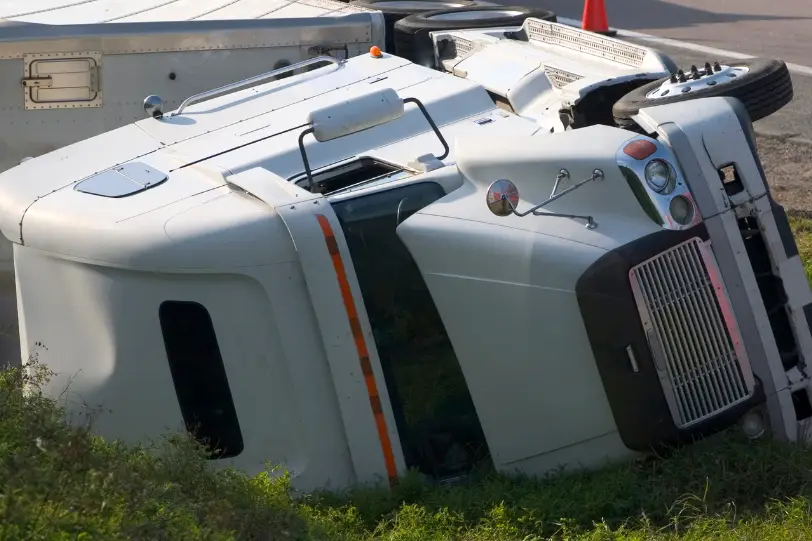

A loud crash. The screech of tires. The world spinning, then stopping in a rush of fear and adrenaline. For those caught in a truck accident—whether as a driver, passenger, or even a bystander—life can change in an instant. The size and weight of trucks mean these accidents often cause more than just property damage. They bring serious injuries, confusion, and a daunting sense of “What now?”
If you’re reading this because you or a loved one has just been through a truck accident, know this: you’re not alone. The path forward can be overwhelming, but you have more rights and resources than you might realize. This guide is written for real victims and families, in plain language, and with a deep understanding of what you’re facing. From the first moments at the scene to the long road of recovery and justice, here’s what you need to know—and what you must never let anyone take away from you.
Understanding the Unique Dangers of Truck Accidents
Truck accidents are not “just another car crash.” The vehicles themselves—big rigs, tractor-trailers, semis—can weigh 20 to 30 times more than an average car. Their massive size makes stopping difficult, turns dangerous, and creates huge blind spots. And the force of a collision is enough to shatter lives in seconds.
But it’s not just physics that makes truck accidents so devastating. Many commercial drivers are on tight schedules, pressured by company deadlines, and sometimes driving long hours without enough rest. Equipment failures, poorly maintained rigs, overloaded trailers, and even distracted or impaired driving all contribute to the issue. When something goes wrong, the aftermath is often far more severe.
Victims can suffer from:
- Traumatic brain injuries
- Spinal cord and back injuries
- Broken bones, lacerations, and internal trauma
- Permanent disability or disfigurement
- Emotional and psychological scars that last far longer than physical wounds
Recovery is never just physical. It’s emotional, financial, and deeply personal.
First Moments: What Happens at the Scene
When a truck accident happens, everything feels chaotic. Sirens, flashing lights, shouting—sometimes, victims are conscious and overwhelmed; sometimes, they wake up in a hospital days later. If you’re lucky enough to be alert and able to move, your instincts might tell you to leave your car, check on others, or just try to “fix” things. But what you do in those moments matters—both for your health and your future.
Here’s what helps most:
- Stay calm and still if you feel pain or can’t move. Wait for emergency personnel.
- Call 911 or ask someone to do it immediately, even for minor injuries.
- Don’t apologize or admit fault, no matter what. Emotions run high, but simple words can be used against you later.
- Observe your surroundings. If possible, take mental (or actual) notes: road conditions, weather, traffic, signs, or anything odd about the truck’s appearance or driving.
- Speak honestly to first responders. Don’t downplay injuries or “tough it out.”
If you’re not able to do any of this, it’s okay—your health comes first. There are still ways to protect your rights after the fact.
Why Truck Accidents Are So Legally Complicated
The legal aftermath of a truck accident is nothing like a regular fender-bender. There are layers of responsibility and red tape. In most cases, it’s not just the truck driver who might be at fault. There’s a whole chain of players:
- The trucking company
- Maintenance contractors
- Parts or equipment manufacturers
- Freight loaders
- Even third-party logistics companies
Each may have separate insurance policies, legal teams, and records. Trucking companies move quickly to protect themselves. They may deploy investigators to the scene, “lose” or hide important records, or try to get victims to settle quietly before the true costs are known.
Evidence that matters includes:
- Driver logs (to check for fatigue)
- Maintenance and inspection records
- Black box or GPS data from the truck
- Witness statements and surveillance footage
Getting access to this evidence is rarely easy and often requires legal pressure.
How Fault Is Determined, and Why It Matters
In truck accidents, fault isn’t always obvious. Maybe the truck driver was speeding, texting, or fell asleep at the wheel. But sometimes, it’s a defective brake, an overloaded trailer, or an unrealistic delivery schedule set by the company. In some cases, other vehicles on the road contributed to the crash.
Insurance companies and trucking companies will do everything they can to shift blame, sometimes even pointing fingers at the victim. They may claim the accident was unavoidable, or that you “came out of nowhere.”
Why does this matter?
Because fault determines who pays for your recovery, medical bills, lost wages, and pain. In some states, if you’re found even slightly at fault, your compensation could be reduced—or denied altogether. Getting a fair and accurate determination of fault is essential for your future.
The Emotional and Physical Impact on Victims
Truck accident survivors often say that the hardest part isn’t just the broken bones or hospital stays. It’s the anxiety that lingers every time they hear a horn, the flashbacks to the crash, the worry about returning to work or driving again. Family relationships are strained; financial pressures mount. Every day life can feel unpredictable, exhausting, and unfair.
It’s normal to feel shock, anger, or grief. It’s normal to need help from loved ones, counselors, or support groups. And it’s normal to need time and space to process what’s happened. The journey is rarely quick or easy, but with the right help, it is possible to rebuild and move forward.
Why Immediate Medical Attention Can Save Your Life and Your Case
One of the biggest mistakes victims make is declining medical attention after a truck accident. The adrenaline, embarrassment, or pressure to “just get home” can make you minimize pain or brush off dizziness. But many serious injuries—like concussions, internal bleeding, or spinal damage—aren’t obvious at first.
Why is this so crucial?
- Some conditions become life-threatening hours after an accident.
- Medical records create a “paper trail” that links your injuries to the crash, making it harder for insurance companies to deny your claim.
- Early treatment often means a faster, more complete recovery.
If you missed medical care right after the accident, see a doctor as soon as symptoms appear. It’s never too late to protect your health and your legal rights.
Documenting Everything: The Power of Details in Your Recovery
Memory fades fast after trauma. That’s why, as soon as you’re able, start documenting everything related to the accident:
- Photographs of vehicles, injuries, road conditions, skid marks, and debris
- Notes about how the accident happened, what you felt or saw, and what you overheard
- Medical records, including all doctor visits, medications, and diagnoses
- Receipts for out-of-pocket expenses, from prescriptions to rental cars
- Journals describing pain, sleepless nights, missed events, or changes to daily life
This documentation doesn’t just help your legal case. It helps you track your recovery and communicate honestly with doctors and family. The more you document, the harder it is for insurers or trucking companies to minimize your suffering.
Navigating Insurance and Company Tactics
Truck accidents unleash a swarm of insurance adjusters, lawyers, and sometimes even private investigators—all working for the trucking company, not for you. Their goal: limit payouts, shift blame, and close your case fast.
You might get friendly calls, requests for recorded statements, or even home visits. Offers may come early, often before you know the full extent of your injuries. The paperwork will be dense and full of legalese. Remember:
- You are not required to give recorded statements without legal advice.
- Don’t sign medical releases that give companies access to your entire health history.
- Don’t accept the first settlement, especially if you’re still being treated.
Trucking companies have deep pockets and strong legal teams. Standing up to them alone is rarely wise.
Common Mistakes Victims Make After a Truck Accident
After the chaos, people naturally want to get life “back to normal.” But some choices can undermine your recovery or financial future:
- Admitting fault or apologizing at the scene, even out of politeness
- Delaying medical care or missing follow-up appointments
- Not calling the police or getting an official accident report
- Posting about the accident on social media
- Accepting a quick insurance payout before knowing your real needs
Every mistake is understandable. But each makes it easier for insurance companies to deny or reduce your claim. When in doubt, pause—and get advice from someone who knows the system.
How to Protect Your Rights—Even When You Feel Powerless
In the aftermath of a truck accident, it’s easy to feel powerless. The company seems huge, the system confusing, and the bills endless. But you have rights, and you don’t have to fight alone.
Here’s what makes a real difference:
- Speak up. Insist on your right to medical care, to your copy of reports, and independent legal advice.
- Take your time. Don’t rush into agreements or conversations with insurance adjusters.
- Trust your instincts. If something feels off—pressure to settle, missing paperwork, or confusing explanations—get a second opinion.
- Use resources. Support groups, therapists, and advocacy organizations exist for victims like you. The more informed you are, the better you’ll recover.
What Compensation Can Truck Accident Victims Expect?
Compensation after a truck accident is about much more than repairing a vehicle. You may be entitled to:
- Full medical costs: Emergency care, surgeries, hospital stays, rehabilitation, ongoing therapies, and future treatment needs
- Lost income: Both immediate and long-term, if you can’t return to work or must change jobs
- Pain and suffering: The physical and emotional toll, from chronic pain to anxiety or PTSD
- Loss of enjoyment: If injuries limit your hobbies, family life, or ability to travel
- Punitive damages: In cases of extreme recklessness or company misconduct, courts sometimes award extra compensation to punish wrongdoing
Each case is unique, and “average settlement” numbers rarely tell the full story. The right legal team can help you understand what’s fair—and fight to get it.
Truck accident claims are different from everyday car accidents. The laws are tougher, the stakes are higher, and the opposition is better funded. Most importantly, the evidence needed to win isn’t always easy to get. Trucking companies know the clock is ticking; critical records can disappear if not preserved early.
A professional legal team will:
- Investigate the accident scene and secure the black box data
- Subpoena company logs and maintenance reports
- Hire expert witnesses to prove negligence or equipment failure
- Negotiate with multiple insurance carriers
- Prepare your case for trial, if needed
Best of all, most truck accident lawyers work on a contingency fee, meaning you pay nothing unless you win.
When you’re hurt, confused, and overwhelmed, finding the right legal help shouldn’t be another burden. That’s why The Injury Helpline exists. It’s a free, confidential service that matches truck accident victims with experienced lawyers who understand the unique challenges of these cases.
There’s no cost, no pressure, and no obligation to hire after your first consultation. The Injury Helpline gives you:
- Fast access to attorneys who know the trucking industry inside and out
- Clear explanations about your rights and options
- Peace of mind knowing you’re not facing powerful companies alone
Even if you’re unsure about pursuing a claim, one call or online inquiry can clarify your path forward.
A truck accident can upend your life in the blink of an eye, but it doesn’t have to define your future. With the right knowledge, support, and resources, you can reclaim your health, your finances, and your peace of mind. Stand up for your rights, reach out for help, and remember: the road to recovery is one you don’t have to walk alone. The Injury Helpline and trusted professionals are here to guide you every mile of the way.