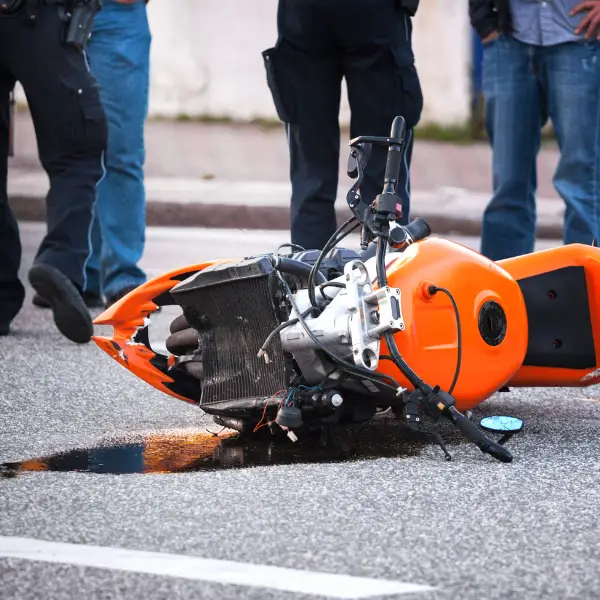

Motorcycle accidents can be disorienting, anxiety-inducing, and confusing. Following the essential steps below can greatly aid your physical, financial, and legal recovery if you’re involved in a motorcycle accident. If you need immediate legal advice or a Free Consultation, don’t hesitate to Call The Injury Helpline to connect with experienced Injury Lawyers who can guide you through Injury Law and protect your rights.
The Risks of Riding a Motorcycle Compared to Cars, Trucks, and SUVs
Riding a motorcycle comes with unique risks that set it apart from more enclosed vehicles like cars, trucks, or SUVs. The primary concern for motorcyclists is the exposure to the environment, as they lack the protective shell that can shield drivers of four-wheeled vehicles from external impacts.
Key Risks
- Vulnerability: Motorcyclists are more susceptible to environmental hazards. They are directly exposed to the road, weather conditions, and even the hot mechanical parts of their vehicles.
- Environmental Elements: Unlike enclosed vehicles, motorcycles offer no barrier against adverse weather or rough terrain.
- Accident Severity: In the event of a collision, motorcyclists can be thrown from their bikes, often resulting in serious injuries or fatalities. Statistics show that in 2021, nearly one-fifth of all fatal accidents in the U.S. involved motorcycles.
- Handling and Control: Riding a motorcycle involves balancing traction, gravity, torque, and centrifugal force. Even a minor slip on gravel or a sudden erratic maneuver by another driver can lead to a catastrophic accident.
In summary, while motorcycles deliver a thrilling and liberating form of travel, they inherently carry higher risks. It’s vital for riders to practice extra vigilance and caution on the road.
1. Safety First
If you can move safely, get yourself and your motorcycle out of the traffic flow to avoid further accidents.
What is the first thing to do after a motorcycle crash?
Check your safety and, if possible, move yourself and your motorcycle to a safer location to avoid further accidents and traffic congestion.
Considerations for Protective Gear After a Motorcycle Crash
- Helmet Safety: Resist the urge to remove your helmet immediately. If you suspect head or neck injuries, taking it off could worsen your condition. Keep it on until medical professionals evaluate you.
- Assessing Injuries: High-quality gear (jackets, gloves, boots) can shield you from severe injury, but watch for hidden or internal damage even if gear appears intact.
- Consulting Professionals: Once first responders arrive, follow their instructions on safely removing any protective gear. They’re trained to do so while minimizing additional risks.
Why is it Important to Leave a Motorcycle at the Crash Site and Move Yourself Out of the Road?
- Personal Safety: Staying in the roadway places you at greater risk. Oncoming drivers may unintentionally steer toward obstacles or people in their path, known as target fixation.
- Preserving Evidence: Leaving your motorcycle where it is helps document the exact accident location and conditions. This proof can be crucial in insurance claims and legal proceedings to accurately determine fault.
By prioritizing your safety and preserving the scene, you help create a more accurate account of the crash for insurance and legal purposes.
2. Call the Authorities
No matter how minor the accident seems, notify the police. Their official report provides an unbiased account of the crash and is essential for insurance claims and possible legal action. Also, call 911 for paramedics—even if you feel uninjured, they can detect hidden injuries.
Having both medical and legal records from the outset forms a strong foundation if you pursue an insurance claim or lawsuit later.
How to Interact with Police Officers at the Scene of a Motorcycle Crash
- Stay Calm and Composed: Breathe deeply and focus on facts rather than emotions.
- Be Honest and Fact-Based: Give accurate details without guesswork or exaggeration. If you’re unsure about something, say so.
- Listen Carefully and Respond Thoughtfully: Process each question before responding, ensuring you provide clear, consistent information.
- Keep Emotions in Check: Emotional outbursts can lead to misunderstandings.
- Ask for Clarification if Needed: If a question is unclear, request more details to avoid confusion.
Following these guidelines can streamline communication, helping officials document the incident accurately.
3. Seek Medical Help
You should seek medical attention even if you don’t notice any immediate injuries. Adrenaline can mask pain, and certain injuries (like concussions or internal damage) may not show symptoms right away.
Specific Injuries May Not Show Immediate Symptoms
- Invisible Injuries: A thorough medical exam can detect underlying issues before they escalate.
- Documenting Your Condition: Prompt treatment also creates a paper trail, critical for personal injury claims.
Common PTSD Symptoms After a Motorcycle Crash
- Intrusive Memories: Frequent flashbacks to the crash.
- Emotional Distress: Depression and pervasive sadness.
- Sleep Disturbances: Nightmares interrupting rest and recovery.
- Coping Mechanisms: Some individuals turn to alcohol or other substances to self-medicate.
- Concentration Issues: Trouble focusing on daily activities.
- Heightened Irritability: An increase in aggression or stress in social interactions.
These symptoms can be debilitating. Injury Lawyers often recommend seeking mental health support to ensure comprehensive recovery and to strengthen your Injury Law case if PTSD significantly affects your life.
4. Gather Relevant Information
Collect as much information as you can from all parties involved and any potential witnesses. This includes:
- Personal and Contact Details: Names, phone numbers, addresses.
- Insurance Information: Policy numbers and company names for involved vehicles.
- Vehicle Descriptions: Make, model, license plates.
- Accident Scene Documentation: Photos of your motorcycle, other vehicles, road conditions, and any visible injuries.
Maintaining thorough records of every detail can significantly strengthen an injury claim down the line.
5. Avoid Admitting Fault
Refrain from statements that might be interpreted as an admission of guilt. Let the investigation determine who is responsible. Even a simple apology could be misconstrued as admitting liability.
When Legal Help Matters
The aftermath of a motorcycle accident can be overwhelming. An experienced accident attorney or Injury Lawyer can:
- Manage Insurance Claims: An attorney understands insurer tactics and negotiates to secure the compensation you deserve.
- Gather Substantial Evidence: They’ll collect police reports, medical records, and witness statements, building a strong foundation for your case.
- Court Representation (if Needed): If negotiations fail, a lawyer can argue your case in court to seek fair damages.
- Offer Emotional and Procedural Support: From explaining next steps to organizing paperwork, legal professionals lighten the load while you recover.
If You Need an Attorney Right Now
Just as a helmet provides physical protection on the road, the right legal counsel is critical during this difficult period. If you’re unsure about your options or feeling overwhelmed, Call The Injury Helpline to speak with Injury Lawyers who offer a Free Consultation. They can clarify your rights, evaluate your situation, and guide you toward the best outcome.
What Must an Injured Motorcyclist Prove to Make a Claim for Pain and Suffering?
To succeed in a pain and suffering claim, an injured motorcyclist must show:
- Negligence of the Other Driver: The other party breached traffic laws or acted recklessly, often constituting “negligence per se.”
- Causation: Demonstrate that this negligence directly led to the collision and resulting injuries.
- Evidence and Documentation:
- Police Reports: May detail citations and observed conditions.
- Witness Statements: Corroborate the motorcyclist’s account of events.
- Expert Testimony: Accident reconstruction specialists or medical experts can validate the cause and extent of injuries.
- Medical Verification: Detailed medical records confirming the injuries were caused by the crash.
Proving these elements often involves a blend of legal, medical, and factual evidence, underscoring why professional legal support is invaluable.
Motorcycle crashes pose unique challenges that can lead to serious injuries, costly repairs, and emotional strain. By following these steps—prioritizing safety, calling the authorities, seeking medical attention, gathering evidence, and refraining from admitting fault—you position yourself for a smoother recovery process.
If you need further assistance, Call The Injury Helpline to speak with Injury Lawyers for a Free Consultation. The right legal guidance can significantly impact your injury claim, helping you navigate insurance negotiations, secure fair compensation, and find stability after a traumatic accident. Don’t face this alone—reach out and let professionals steer you toward a better outcome.