

Ride Share Accidents Information Center
“Have you recently been involved in a ride-share accident that left you injured and uncertain of your next steps? Ride-share accidents can have significant consequences on your life, leading to physical injuries, emotional trauma, and financial hardship. Understanding your legal rights after such an incident is critical and urgent. Browse our articles below for more information
Looking for an Injury Attorney?
Get Your Free Consultation Now!
Food Delivery Accidents: 7 Key Truths Every Victim Should Know
When a Food Delivery Goes Wrong You never expect your meal delivery to end with sirens or shattered glass. But food delivery drivers—hurrying to meet...
READ MOREInjured as a Passenger in a Ride-Share? Top 8 Legal Rights You Need to Know
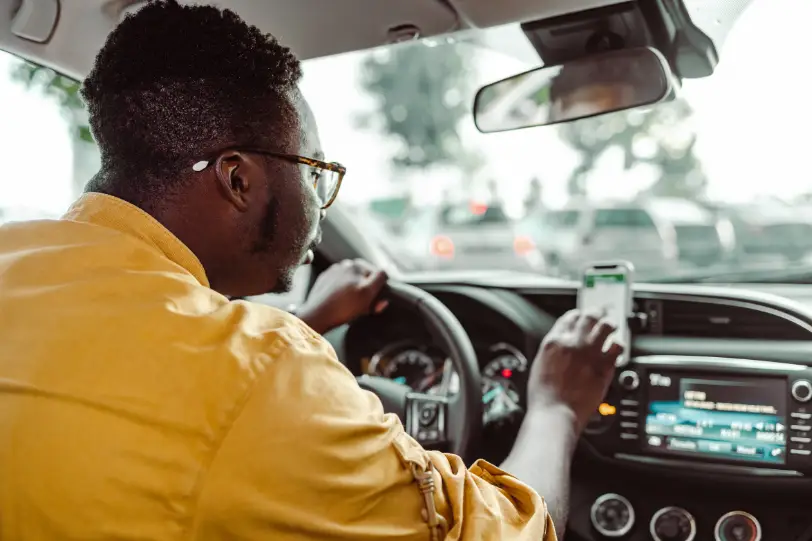
Why Rideshare Passenger Rights Matter More Than Ever With millions of daily rides on platforms like Uber and Lyft, more passengers are facing the unexpected...
READ MOREWho Is Liable in a Rideshare Accident?
Rideshare Accidents and the Liability Puzzle The question of “Who is liable in a rideshare accident?” can leave victims feeling frustrated and confused. Rideshare services...
READ MOREWhat to Do After an Uber or Lyft Accident: A Step-by-Step Guide
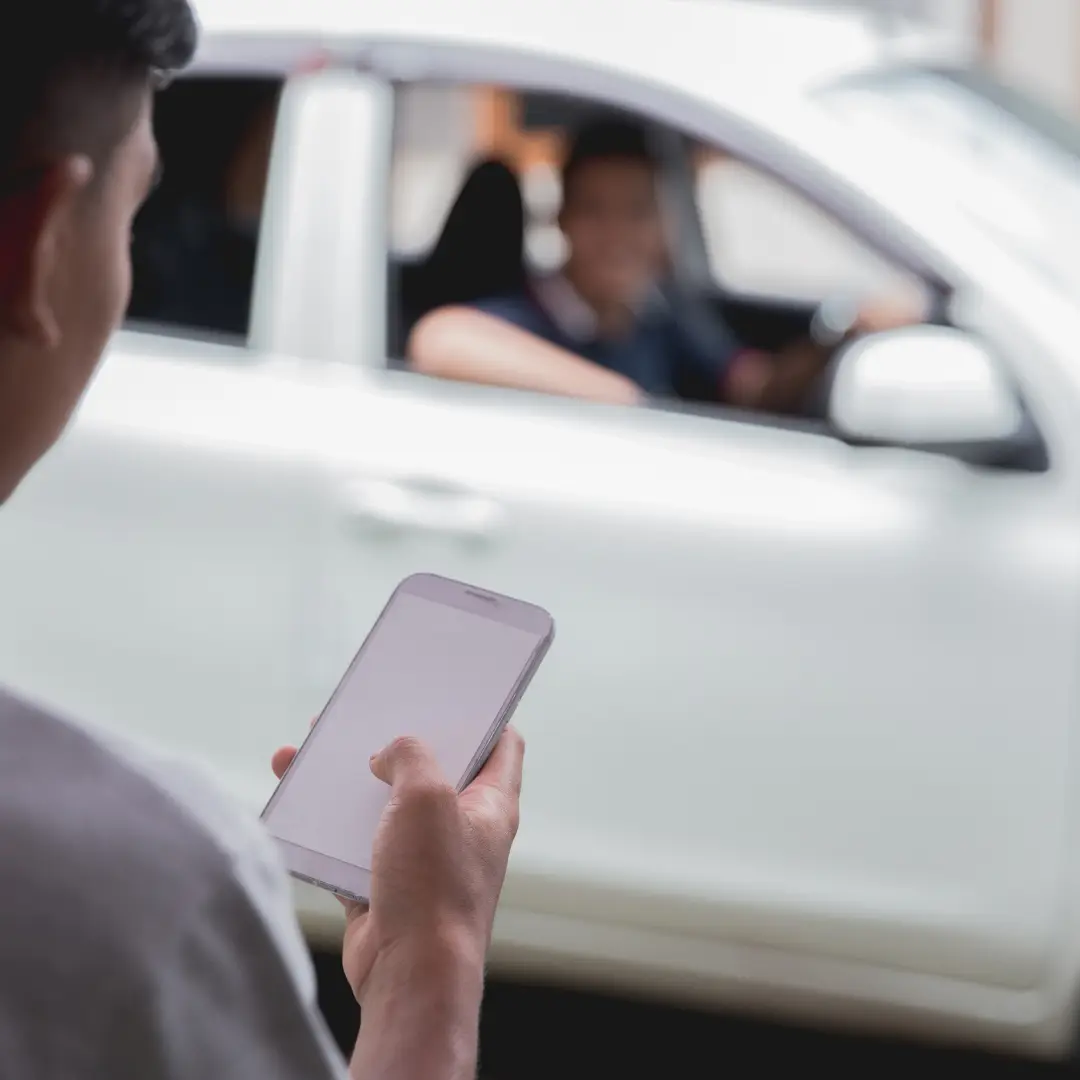
Why Rideshare Accidents Are Unique? Accidents involving Uber or Lyft are different from typical car crashes. The rideshare structure adds new legal and insurance issues...
READ MOREThe Impact of Social Media on Injury Cases

Social media has become a formidable force that is having an impact in the claims arena as well. Understanding their role is critical to protecting...
READ MOREHow Injury Lawyers Help you with Accidents

Personal injury can occur in various circumstances and often results in compensation claims due to the significant physical, emotional, and financial toll it takes on...
READ MOREHow to Document Your Personal Injury Case

Careful documentation of your personal injury case can significantly impact the success of your claim. Moreover, gathering, preserving, and presenting relevant evidence is essential to...
READ MOREWhat to Expect During Your First Meeting with an Injury Lawyer

After a personal injury, seeking legal counsel can be crucial in obtaining fair compensation for your losses. Your initial consultation with a personal injury attorney...
READ MOREThe Importance of Gathering Evidence After an Injury
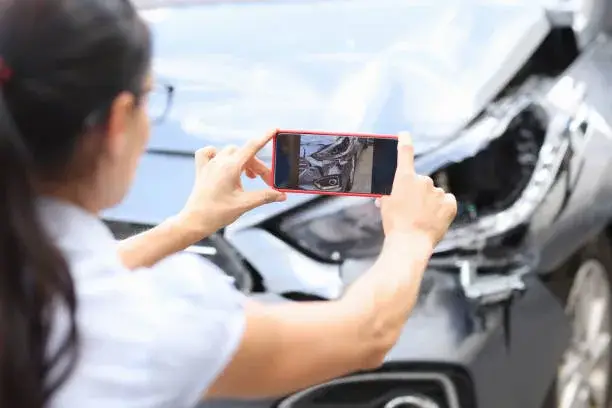
Effectively collecting evidence after a personal injury plays a critical role in the success of your claim. We will highlight the importance of gathering evidence...
READ MOREWhy You Shouldn’t Wait to Hire an Injury Lawyer

The decision to hire a personal injury lawyer and the urgency to do so can significantly impact the outcome of your case. Take a closer...
READ MOREGet your free consultation now!
- 100% Secure and Confidential
- Privacy protected
EXPLORE MORE CATEGORIES
We're Here to Help: Important Questions About Ride-Share Accidents
What should I do if an Uber or Lyft driver hits me while I’m biking or walking?
Getting hit by a rideshare driver while you’re biking or walking can be both shocking and overwhelming. Here’s what you need to do to protect yourself and your rights:
- Put your health first
Even if you don’t feel seriously injured, get checked out by a doctor. Some injuries from pedestrian accidents or bike accidents take time to show up. Having medical documentation also helps later if you file a personal injury claim. - Call the police
Make sure the accident is reported, and get a copy of the report. It’s a key piece of evidence for your case. - Collect details at the scene
Get the driver’s name, insurance info, and rideshare company they work for (Uber, Lyft, etc.). Take photos of your injuries, damaged property (like your bike), and the accident scene. - Talk to witnesses
If anyone saw what happened, get their contact info. Their statements can help support your version of events. - Notify the rideshare company
Report the incident to Uber or Lyft through their app or support line. They often carry additional insurance for situations like this. - Speak with a rideshare accident lawyer
Claims involving rideshare services can be legally complex. A lawyer who’s experienced with Uber/Lyft accident cases can make sure you understand your rights and get fair compensation. - Stay off social media
Avoid posting anything about the accident. Insurance companies may use your posts against you during your case.
What kind of compensation can I get after a rideshare accident?
If you were hurt in a rideshare-related accident, you may be entitled to more than just your immediate medical bills. Here’s a breakdown of what you could claim:
Medical Costs
- Right-now expenses: ER visits, surgeries, medications, and diagnostic tests.
- Future care: Rehab, follow-up treatments, and long-term medical support.
Lost Income
- Wages you missed while healing.
- Reduced earning capacity if your injuries prevent you from working as you did before.
Emotional Damages
- Emotional distress like anxiety, depression, or PTSD tied to the trauma.
Relationship Strain
- Loss of consortium: This applies if your injuries affect your relationship with your partner or family.
Property Damage
- If your bike, phone, or other belongings were damaged, you can seek reimbursement for repair or replacement.
Every rideshare accident claim is different, so it’s wise to work with a lawyer who can calculate the full scope of your losses and fight for what you deserve.
Who’s actually at fault in an Uber or Lyft accident?
When you’re hit in an Uber or Lyft accident, figuring out who’s responsible isn’t always simple. There are multiple parties involved—and multiple layers of insurance.
Let’s break it down:
- The Driver: If the rideshare driver was clearly at fault—distracted driving, running a red light, etc.—they’re the first party to look at. But personal auto insurance might not cover commercial driving.
- The Rideshare Company: Uber and Lyft carry their own insurance, but it only applies when certain conditions are met—like if the driver is en route to a pickup or already has a passenger.
- Other Factors: Sometimes, poor road conditions or another driver’s negligence could shift or share liability.
The key question is whether the driver was logged into the app and actively working. If so, Uber or Lyft’s insurance might step in.
Since rideshare liability laws vary by state, talking with an attorney can help you sort out who’s truly responsible and which policies apply.
How much does the driver’s liability matter in a rideshare crash?
The rideshare driver plays a huge role when it comes to determining who’s responsible in an accident. But personal car insurance usually doesn’t cover commercial use like driving for Uber or Lyft.
Here’s how it typically breaks down:
- App on, waiting for a ride: Uber and Lyft offer limited third-party liability coverage.
- On the way to or with a passenger: This is when full coverage usually kicks in—covering injury, property damage, and more.
The driver’s app status matters
If they weren’t logged in at all, only their personal insurance applies. If they were on the clock, then the rideshare company’s policy may be involved.
Each state also has its own laws about rideshare insurance, so the level of protection—and how much compensation you can pursue—varies depending on where you are.
How do Uber and Lyft’s insurance policies affect your accident claim?
Rideshare accidents are different from typical car crashes because companies like Uber and Lyft have layered insurance policies. Here’s how that could affect your claim:
When the app is OFF
The driver is considered off-duty, so their personal auto insurance is the only one in play.
App ON, no passenger yet
This is a “gray zone.” Uber and Lyft provide some third-party liability coverage, but it’s limited.
Driver en route or carrying a passenger
This is where the most protection kicks in—often up to $1 million in coverage for bodily injuries, property damage, and even uninsured motorist incidents.
Why it matters
Understanding which insurance policy applies can drastically change your compensation. This is where a rideshare accident lawyer becomes crucial—they’ll help determine the driver’s status, interpret policy terms, and build a strong claim.