
Life is unpredictable, and unfortunate incidents, like a motorcycle accident, can occur when least expected. In these daunting moments, understanding what not to do is equally as critical as knowing what steps to take. Let’s explore the three significant missteps you should strive to avoid after an accident.
1. Leaving the Accident Scene
Staying at the scene isn’t just about legalities and insurance. It’s about accountability, a cornerstone of any civilized society. By remaining present, you can check on the well-being of others involved, provide your account to law enforcement, and ensure an accurate incident report is documented.
Panic and fear might tempt you to flee the scene in the aftermath of an accident. Despite this, resisting the temptation to leave the scene is crucial because the consequences will be worse than the crime.
What happens if I leave the scene in an accident?
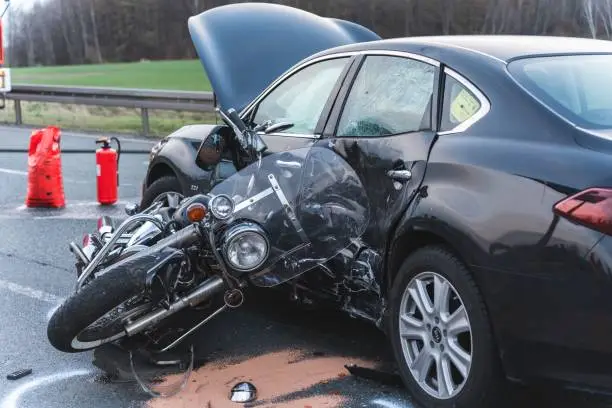
Leaving the scene of a motorcycle accident can result in severe consequences. Engaging in such actions is considered a criminal offense, which can lead to potential charges, fines, and license suspension. Moreover, it can impact insurance claims as prompt reporting is necessary. It is crucial to stay at the scene, ensure safety, and report the accident to authorities to fulfill your legal obligations and avoid severe penalties.
Where to Move After a Motorcycle Accident to Ensure Safety
After experiencing a motorcycle accident, your immediate safety is the top priority. Here’s how to protect yourself and avoid further harm:
- Find a Secure Spot: If possible, leave the immediate vicinity of the accident and head to a safer location. Get away from the roadway and any chaotic traffic areas to diminish the risk of additional injuries.
- Stay Visible and Alert: Ensure the place you choose is visible to others to avoid further danger. Opt for an area with good lighting or room to stand out, making sure you’re easily noticed by other drivers.
- Evaluate Your Surroundings: Check for any hazards in the vicinity, such as unstable ground or obstructions, and steer clear of those areas.
- Call for Help: Once relocated, call emergency services to report the accident, providing clear details of your location for a swift response.
- Await Assistance Safely: Remain calm and stay in your safe location until help arrives. If injured, try to remain as stationary as possible to prevent aggravating any injuries.
By taking these steps, you prioritize your well-being and are less likely to face additional danger.
2. Neglecting to collect evidence
Assuming your physical condition allows, you must shift your focus to evidence collection once your immediate safety is established. The ability to present comprehensive and factual evidence can significantly impact the outcome of any potential legal proceedings.
Physical evidence from the scene can speak volumes. Photographs of the location provide a visual record that can be useful in establishing the series of events leading to the accident. They can capture specific elements such as skid marks, traffic signals, vehicle positions, and weather conditions, which could be significant in determining fault.
What kind of evidence should you collect at the scene of an accident?
Photos of the accident scene, your motorcycle, the other vehicle involved, visible injuries, and any road conditions or signs. Also, note the other party’s details and gather witness information.
If you find yourself at the scene of a motorcycle accident and someone is injured, it’s crucial to act swiftly. Here’s what you need to do:
Step 1: Call Emergency Services
Immediately dial 911 to request an ambulance. It’s vital to get medical professionals on their way as quickly as possible since prompt treatment can make a significant difference in the outcome.
Step 2: Ensure Safety
While waiting for help, ensure that the scene is safe. If possible, move yourself and others away from traffic or any potential hazards to prevent further injuries.
Step 3: Provide Basic First Aid
If you’re trained in basic first aid, offer assistance to the injured person while you wait for emergency responders. Administer only the care you are confident and trained to provide to avoid causing additional harm.
Step 4: Stay Calm and Reassure
Keep a calm demeanor to help manage the stress of the situation. Reassure the injured person that help is on the way and encourage them to remain as still as possible.
By following these steps, you can provide critical support in a distressing situation, ensuring that the injured party receives the urgent care they need.
What Types of Expenses and Losses Should You Track After a Motorcycle Accident?
After a motorcycle accident, diligently recording your expenses and losses is crucial, especially if you plan to seek compensation. Here’s a breakdown of what you should keep an eye on:
Medical Expenses
- Doctor Visits: Document every visit, including specialists and follow-ups.
- Prescription Medication: Keep receipts and records of all medications prescribed.
- Medical Equipment: Track purchases like crutches or braces.
Lost Income
- Missed Work: Note the days you were unable to work and the corresponding loss in wages.
- Reduced Capacity: If applicable, document any long-term impact on your ability to perform your job.
Additional Considerations
- Therapy and Rehabilitation: Record costs for physical therapy or psychological counseling.
- Travel Expenses: Account for transportation costs to and from medical facilities.
- Home Modifications: Note any necessary changes to your home to accommodate injuries.
By keeping a meticulous record, you’ll have a comprehensive account to support your claims and make the process smoother when seeking reimbursement.
What Should You Avoid Saying at the Scene of a Motorcycle Accident?
In the immediate aftermath of a motorcycle accident, it’s crucial to be mindful of what you say. Here’s a guide on what to avoid:
- Avoid Admitting Fault: It’s important not to claim responsibility for the accident at the scene. The true cause might not be clear until a thorough investigation is conducted. Prematurely admitting fault can lead to unnecessary legal issues.
- Refrain from Discussing Fault on Social Media: Once you’re at home, resist the temptation to post details of the accident on social media, especially any mention of fault. Such statements can be used against you later.
- Be Cautious During Insurance Discussions: When speaking with insurance agents, avoid admitting liability or fault. Insurance companies will have their own processes for investigating the incident.
By staying cautious and refraining from making statements about fault, you protect your position and allow for a fair investigation to uncover the true circumstances of the accident.
3. Forgoing Immediate Medical Attention
Adrenaline, the body’s fight or flight hormone, can mask injury symptoms in the immediate aftermath of an accident. This temporary relief may falsely lead one to believe they have escaped unharmed.
From a legal standpoint, medical records are an undeniable testament to the injuries sustained. They can substantiate claims of physical harm, form a crucial part of your insurance claim, and provide solid evidence should you pursue a personal injury lawsuit.
Why is seeking immediate medical attention crucial after an accident?
Specific injuries, like internal bleeding or concussions, might not be immediately apparent. A prompt medical examination ensures your injuries are documented, which can be important in a legal claim.
Now, you may be wondering…’Where does a lawyer fit into all this?‘ The answer is everywhere. An experienced lawyer can guide you during these critical moments. They can help preserve evidence, communicate with insurance companies, and represent you if your case goes to court. Remember, just as you wouldn’t ride without a helmet, navigating the aftermath of an accident without a lawyer can be equally risky.
In the world of motorcycles, knowledge is power. Awareness of these common post-accident pitfalls can protect your rights, help you make informed decisions, and steer your journey toward a smoother recovery. If you need a lawyer to help you with your accident, you can speak with one right now, for free, here!