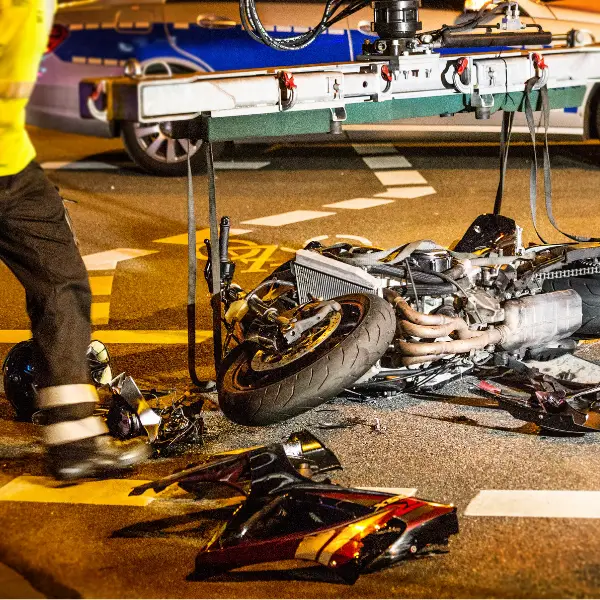

Imagine driving on an open road, the hum of the motorcycle engine your only company, until an unforeseen accident turns that calm into a turbulent whirlwind of confusion, stress, and questions.
What should I do immediately after the accident? Do I need medical attention even if I feel fine? When and why should I get a lawyer involved? How will fault be determined? What damages can I claim? After such an incident, these questions can become overwhelming.
In this comprehensive guide, we aim to demystify the unknowns surrounding motorcycle accidents and provide clarity in a situation that often feels straightforward. Accidents can quickly become complicated, especially with motorcycles, as they have unique characteristics and can cause serious injuries. But with the proper knowledge and understanding, you can navigate these tricky waters.
What should I do immediately after a motorcycle accident?
Ensuring your safety and the safety of those around you is your priority. Once this is assured, you should report the accident to emergency services, gather as much evidence as possible, and secure witness contact information, which can prove crucial down the road.
Factors That Can Extend the Timeline for Settling a Motorcycle Accident Claim
When you’re involved in a motorcycle accident, understanding the settlement timeline is crucial. However, several factors can prolong the process.
1. Injury Severity and Medical Evaluation
The more severe your injuries, the longer it may take to reach a settlement. It’s essential to assess the full extent and future impact of your injuries before settling. This might involve additional medical evaluations, ongoing treatments, or potential surgeries, all of which can delay proceedings.
2. Disputes Over Liability
If there’s disagreement about who is responsible for the accident, the settlement process can become lengthy. Determining fault might require extensive investigation or legal action, adding layers of complexity and time.
3. Insurance Negotiations
Insurance companies often begin with low settlement offers. Negotiating for a fair settlement amount can take time, especially if several rounds of offers and counteroffers occur. Each negotiation phase can significantly extend the timeline.
4. Legal Processes and Documentation
The need for detailed documentation and potential legal interventions can add to delays. Ensuring all paperwork is complete and thoroughly reviewed can be time-consuming, but it is necessary for a just settlement.
Understand that these factors can vary significantly from case to case, leading to a wide range of settlement timelines. Patience and diligence are key as you navigate the complexities of your claim.
Should I seek medical attention even if I don’t feel injured?
Absolutely, yes. Some injuries creep up on you, lying dormant before they show symptoms. A thorough medical examination is essential to document any damage that may have resulted from the accident.
Motorcycle accidents often result in more serious injuries compared to car crashes. Riders face limited protection, making them vulnerable to a wide range of injuries. Common injuries from motorcycle accidents include:
- Traumatic Brain Injuries (TBIs): Without the same protective barriers as a car, riders are at a higher risk for brain injuries, even with a helmet.
- Spinal Cord Damage: The impact from a crash can lead to devastating spinal injuries, potentially causing paralysis or other long-term issues.
- Severe Fractures: Limbs and other body parts are more exposed, leading to a higher likelihood of severe fractures.
These injuries can significantly increase the complexity and potential compensation in legal claims. Motorcycle accidents often involve unique factors that require expert legal assistance to navigate effectively.
When should I contact a lawyer before an accident?
The sooner, the better. An attorney can guide you through the legal maze, protect your interests, and ensure you take the proper steps to get the compensation you deserve.
How Much Can You Potentially Receive from a Motorcycle Crash Settlement?
Determining the exact amount you might receive from a motorcycle crash settlement depends on numerous factors. Each case is unique, so it’s important to consider the various elements that can impact the final settlement figure.
Key Factors Influencing Settlement Amounts
- Medical Expenses: The extent and cost of medical treatment are significant considerations. This encompasses both immediate healthcare needs and future medical requirements, including surgeries, rehabilitation, and ongoing care.
- Lost Income: If the accident leaves you unable to work, you can claim compensation for income lost during recovery. This also covers reduced earning potential if you’re unable to resume your previous job role.
- Pain and Suffering: Settlement amounts often factor in damages for the physical pain and emotional distress experienced as a result of the crash. This element seeks to compensate for personal hardships endured.
- Property Damage: Your motorcycle’s repair or replacement costs are typically recoverable, providing financial relief for damage sustained in the collision.
Navigating the Settlement Process
The process of claiming a settlement can be complex. The Motorcycle Legal Foundation reports that insurance companies may resist claims by offering lower settlements or disputing liability. Therefore, comprehensive documentation is crucial. This includes well-documented medical records, police reports, and photographic evidence from the accident scene.
Partnering with an Attorney
Having experienced legal support can be invaluable in these situations. A skilled attorney can advocate on your behalf, ensuring that your case is presented effectively and your rights are upheld. They can negotiate with insurance companies and help you obtain a fair settlement based on the specifics of your situation.
How is fault determined in a motorcycle accident?
Determining fault can feel like putting together a puzzle with evidence from the accident scene, witness statements, police reports, and possibly findings from accident reconstruction experts. It’s a complex process, but having an attorney on your side can make all the difference in determining liability.
Traffic Violations play a crucial role in this puzzle. For instance, if another driver ran a red light or violated any traffic laws, it can significantly impact fault determination. Such violations provide clear evidence that can sway the outcome in your favor.
Witness Testimony is another critical piece. What witnesses say about how the accident occurred can corroborate your version of events, strengthening your claim. Their accounts add a layer of credibility that might be missing without firsthand observations.
Police Reports also hold substantial weight. The conclusions drawn by law enforcement at the scene often influence court proceedings and settlement negotiations. These reports can provide an objective perspective, often seen as authoritative by insurers and legal professionals alike.
By weaving together these elements, you create a comprehensive picture of what transpired, ultimately guiding the determination of fault and influencing potential compensation.
When involved in a motorcycle accident, it’s essential to understand the different types of damages you may be entitled to claim: economic and non-economic damages. These categories help identify the nature of your losses and determine the compensation you might receive.
To establish negligence in a motorcycle accident, it’s crucial to demonstrate four essential elements. Each of these elements plays a vital role in building a strong case. Let’s break them down:
- Duty of Care: Every driver has a legal obligation to operate their vehicle with reasonable care. This includes obeying traffic signals, remaining attentive, and driving in a manner that prevents harm to others on the road.
- Breach of Duty: When a driver fails to uphold this responsibility, they breach their duty of care. This breach can manifest in various ways, such as reckless driving, speeding, using a mobile phone while driving, or ignoring traffic signs.
- Causation: It’s not enough to show a breach of duty; one must also prove that this breach directly led to the motorcycle accident. There must be a clear connection between the negligent actions of the driver and the resulting crash and injuries.
- Damages: Finally, you need tangible proof of the harm suffered as a result of the accident. This includes physical injuries, damage to your motorcycle, loss of income due to inability to work, and emotional distress. These damages are crucial as they form the basis for any compensation claim.
By methodically addressing these elements, one can effectively establish negligence in a motorcycle accident scenario, guiding the pursuit of legal recourse for any losses incurred.
Economic Damages
Economic damages cover the direct financial losses resulting from the accident. They are tangible and can be easily quantified. Here’s what they typically include:
- Medical Expenses: This involves costs related to hospital stays, surgeries, medications, and long-term rehabilitation. Future medical care expenses also fall under this category if ongoing treatment is necessary.
- Lost Income: If the accident impacts your ability to work, you can claim compensation for lost wages. This includes both immediate losses and any future earnings you might miss due to reduced earning capacity.
- Property Damage: Economic damages extend to the repairs or replacement of your damaged motorcycle and any personal belongings affected in the accident.
Non-Economic Damages
Non-economic damages, on the other hand, address losses that aren’t as easily measured. These are more subjective and relate to the personal impact of the accident on your life:
- Pain and Suffering: Compensation can be awarded for the physical pain and discomfort caused by the accident and its aftermath.
- Emotional Distress: This covers psychological effects, such as anxiety, depression, or trauma stemming from the accident.
- Loss of Enjoyment of Life: If the accident has restricted your ability to engage in daily activities or pursue hobbies, this loss can be included in your claim.
- Permanent Disability or Disfigurement: Significant alterations to your quality of life, such as permanent injuries or scars, are recognized under non-economic damages.
Understanding these distinctions is crucial in navigating your motorcycle accident claim, ensuring you seek a fair settlement that acknowledges both tangible and intangible losses.
How Can an Attorney Help If I Am Partially at Fault for a Motorcycle Accident?
Navigating the aftermath of a motorcycle accident can be complex, especially if you bear some responsibility. An attorney can be a crucial ally in these situations, employing various strategies to help you secure a fair outcome. Here’s how they can assist you:
Understanding Comparative Negligence
- Clarifying Legal Terms: Different states follow unique rules when it comes to comparative negligence. An attorney helps explain these doctrines, whether your state practices pure, modified, or contributory negligence. This is essential for understanding your rights and potential compensation.
- Investigating Fault: Lawyers conduct thorough investigations to accurately analyze the accident details. By examining traffic camera footage, police reports, and witness testimonies, they can help accurately assess the level of fault attributed to each party, potentially reducing your percentage of fault.
Reducing Your Percentage of Fault
- Evidence Gathering: Attaining evidence that supports your case can be challenging. An attorney facilitates this process by collecting crucial documentation and testimonies. This strengthens your position by presenting a clearer picture of the accident circumstances.
- Effective Negotiation: Lawyers handle communications with insurance companies adeptly. Their goal is to argue down your degree of fault, which can increase the compensation you are eligible to receive. This involves strategic negotiations backed by solid evidence and legal precedent.
Maximizing Compensation
- Building a Strong Case: Experienced attorneys know how to build a compelling case that highlights mitigating factors, such as poor road conditions or the other party’s negligence, which can shift focus away from your actions.
- Court Representation: If negotiations don’t lead to a satisfactory settlement, your attorney can take the case to court. They advocate on your behalf, aiming to convince the court to minimize your share of fault and secure the maximum possible compensation for your injuries and losses.
Choosing the Right Representation
- Experienced Advocacy: Navigating legal complexities requires expertise. A seasoned personal injury attorney can leverage their knowledge to ensure you navigate the system effectively and receive fair compensation, even when partly at fault.
In conclusion, engaging an attorney after a motorcycle accident can make a substantial difference in how your case is handled and the eventual outcome. From reducing your fault percentage to securing rightful compensation, their expertise is invaluable.
Understanding Comparative Negligence in Motorcycle Accident Claims
Navigating the aftermath of a motorcycle accident can be overwhelming, especially when you might bear some of the responsibility. This is where the concept of comparative negligence comes into play, offering a path to compensation even if you share some fault.
How Comparative Negligence Works
In motorcycle accident claims, comparative negligence allows for compensation despite partial fault. Your compensation, however, is adjusted based on the degree of your responsibility for the accident. This means your compensation will be reduced by your percentage of fault but not necessarily eliminated.
Determining Fault and Its Impact
The process begins with assessing the fault, which involves a thorough investigation to analyze what led to the accident. This includes evaluating actions taken by all parties involved—be it drivers, riders, or even pedestrians. The investigation helps assign a fault percentage to each party.
Suppose you are found 20% responsible for the accident. In that scenario, any compensation you receive would be reduced by 20%. So, if the total damages were $100,000, you would receive $80,000.
State Variations on Negligence
Laws regarding comparative negligence differ across states. Some might follow a “pure” comparative negligence rule. This means you can claim damages regardless of how much at fault you are, though your compensation will still be adjusted according to your share of the blame.
Maximizing Your Payout
Your degree of fault directly influences the compensation for your injuries and losses. Therefore, working with a skilled personal injury attorney is vital. They can help demonstrate the circumstances of the accident in a light that minimizes your fault percentage and argue effectively to boost your potential compensation.
An attorney can also handle negotiations with insurance companies, ensuring all evidence supports your claim. Whether in settlement talks or court proceedings, their role is to represent your best interests and strive to maximize your payout.
Understanding these elements of comparative negligence can significantly impact your motorcycle accident claim’s outcome, empowering you to seek fair compensation even when partially at fault.
Navigating Partial Fault in a Motorcycle Accident
Finding yourself partly responsible for a motorcycle accident may seem daunting, but it doesn’t automatically bar you from seeking compensation. Here’s what you need to know:
Understanding Comparative Negligence
Most states in the U.S. Adhere to a principle known as comparative negligence. This means even if you’re partially to blame for the accident, you might still be eligible for compensation. However, the amount could be adjusted based on your degree of fault.
How Fault is Assigned
In these cases, determining fault is a nuanced process. Investigators will look at the actions of everyone involved—drivers, motorcyclists, and possibly even pedestrians. The goal is to ascertain how much of the accident can be attributed to each party’s behavior.
Calculating Your Compensation
Imagine you’re found to be 20% at fault for the accident. Your ability to receive compensation remains, albeit reduced by that 20%. So, if your damages were calculated at $10,000, you’d receive $8,000 considering your degree of fault.
States with Pure Comparative Negligence
States like Florida operate under a pure comparative negligence system. This allows individuals who might be significantly responsible for an accident to claim compensation. It acknowledges that incidents are rarely black-and-white and ensures that fair recompense can still be pursued.
Maximizing Your Claim
Your degree of fault will directly impact the financial compensation for your injuries and losses. To optimize your claim, it’s essential to have experienced legal representation. An adept personal injury attorney can work to minimize your fault percentage, thereby maximizing your compensation. They will manage negotiations, gather evidence, and advocate for your interests throughout the process.
While being partially at fault in a motorcycle accident is challenging, understanding the legal framework and having the right support can ensure you receive the compensation you deserve.
What can I claim after a motorcycle accident?
Claims can cover medical bills, repair costs, lost wages, and even non-economic damages like pain and suffering. The claims you can make depend mainly on the circumstances of the accident and the laws in your country.
How Injury Severity Affects the Timeline for Your Motorcycle Accident Claim
When it comes to settling a motorcycle accident claim, the severity of injuries plays a crucial role in determining how long the process might take. Here’s how:
- Comprehensive Evaluation Required: Severe injuries require thorough medical evaluations to assess both immediate and long-term health impacts. This can include multiple medical treatments, rehabilitation, or potential surgeries, meaning more time must be taken to understand the full extent of the injuries.
- Determining Compensation: With serious injuries, calculating fair compensation becomes more complex. The settlement must reflect not only current medical expenses but also future costs and potential loss of income. This need for detailed financial assessment extends the timeline.
- Influence on Liability Decisions: High severity cases might require additional investigation into liability. This could involve collecting extensive evidence or expert testimonies to establish fault and ensure a rightful settlement.
- Negotiation and Approval Processes: Greater injury severity often leads to prolonged negotiations. Both parties may need more time to agree on an amount that adequately covers future implications, delaying the final settlement.
In summary, while minor injury claims may resolve relatively quickly, cases involving severe injuries often demand a more meticulous approach, stretching the timeline significantly. By understanding these factors, you can better prepare for a potentially lengthy claim process.
How Medical Expenses and Lost Wages Influence Motorcycle Accident Settlements
When determining the value of a motorcycle accident settlement, two critical components are medical expenses and lost wages. These factors can significantly impact the compensation you receive, so it’s important to understand their role.
Medical Expenses: A Major Determinant
Medical expenses are a cornerstone in calculating settlement amounts. They cover an array of costs associated with healthcare:
- Initial Treatment: From emergency room visits to initial diagnostics, early medical intervention is often costly.
- Long-Term Care: This includes ongoing treatments like physical therapy and necessary follow-up surgeries.
- Medications: Prescription drugs, both short and long-term, are considered in the valuation.
- Future Medical Needs: Predicted future healthcare requirements also influence your settlement.
The more comprehensive and higher these medical expenses, the stronger your claim for a substantial settlement.
Lost Wages: Impacting Economic Stability
Loss of income can severely disrupt your financial life and is another significant factor influencing settlement amounts:
- Immediate Income Loss: If injuries prevent you from working, the income lost during your recovery period is taken into account.
- Diminished Earning Capacity: Injuries that limit your ability to earn at your previous capacity can lead to compensation for future loss of income.
Calculating lost wages extends beyond immediate paychecks to consider the broader impact on your career and financial stability.
Understanding these factors ensures that you are adequately compensated, covering both your current needs and any long-term financial implications resulting from the accident.
Understanding the Causes and Consequences of Motorcycle Accidents
Motorcycle accidents can have severe implications, ranging from physical injuries to significant financial burdens. If you’re asking, “What are the common causes and consequences of motorcycle accidents?” here’s a comprehensive look at both aspects.
Common Causes of Motorcycle Accidents
- Negligent Drivers: Many accidents occur when other vehicle drivers fail to notice motorcycles. Distractions, blind spots, or simply not paying attention can lead to dangerous situations on the road.
- Hazardous Road Conditions: Poorly maintained roads or unexpected obstacles can make controlling a motorcycle extremely challenging, leading to accidents.
- Defective Parts: Sometimes, faults in motorcycle parts such as brakes or tires contribute to accidents. Manufacturing flaws or poor maintenance increase the risk.
- Weather Conditions: Rain, fog, or snow can reduce visibility and road grip, making riding precarious.
- Excessive Speed: Speeding reduces the reaction time of riders to obstacles, increasing the likelihood of crashes.
- Alcohol and Substance Use: Impairment due to alcohol or drugs continues to be a significant cause of accidents, affecting the rider’s judgment and response.
Consequences of Motorcycle Accidents
- Physical Injuries: The severity of injuries can vary, but often includes broken bones, road rash, and more severe impacts like spinal cord or traumatic brain injuries.
- Fatalities: Unfortunately, the lack of protection on a motorcycle increases the fatality rate compared to car accidents.
- Financial Burdens: Medical bills, repair costs, and potential loss of income during recovery can create financial hardships.
- Emotional and Psychological Effects: Survivors may experience trauma, anxiety, or PTSD, affecting their quality of life and mental well-being.
Understanding these causes and consequences can help highlight the importance of safety measures while riding. Always stay alert, ensure your equipment is in good condition, and be mindful of your surroundings.
How Long Does Settling a Motorcycle Accident Claim Typically Take?
The duration of settling a motorcycle accident claim can vary widely, influenced by the specifics of each case. If both parties agree on who is at fault and the injuries are relatively minor, the process might be wrapped up in just a few months. However, if there are disagreements or severe injuries involved, it could extend to more than a year.
Factors Influencing the Settlement Timeline
- Injury Severity:
- When injuries are severe or potentially life-altering, settlements usually take longer. Understanding the full extent of medical needs, including treatment, rehabilitation, and future care, is crucial before finalizing any deal.
- Disputes Over Liability:
- If the parties involved dispute who caused the accident, expect delays. Additional investigations or legal proceedings may be necessary to resolve these issues.
- Insurance Negotiations:
- Insurance companies often begin with lower offers. Negotiating for a fair settlement can be time-consuming, especially if multiple offers and counteroffers are exchanged.
Importance of Patience
Rushing to settle can be tempting, but it’s vital to wait until the complete impact of injuries and other damages are clear. Accepting an early offer could mean receiving less than what is needed to cover long-term expenses and losses. Exercising patience ensures that you secure a settlement that truly reflects your situation.
Will I Have to Go to Court for My Motorcycle Accident Case?
In many instances, a motorcycle accident case is settled through negotiations with the insurance company. This means you might not have to step inside a courtroom. Settlements are often a preferred avenue as they can save time and reduce the stress typically associated with legal proceedings.
However, not every case concludes with a settlement. Some situations necessitate a court trial to seek a favorable verdict. Factors such as the complexity of your case, disputes over liability, or disagreements regarding compensation amounts can influence this necessity.
Your attorney will be your guide, assessing the details of your situation. They will provide you with advice on whether a settlement or litigation is the most suitable approach. If a courtroom appearance becomes necessary, they will advocate on your behalf to pursue the most advantageous outcome.
In short, while there’s a possibility your case might not require a court appearance, the specific circumstances and advice of your legal representative will ultimately determine the best path forward.
What Factors Influence the Amount of a Motorcycle Settlement?
When determining the value of a motorcycle crash settlement, various factors come into play that can significantly impact the final amount. Understanding these can provide clarity if you find yourself in such a situation.
1. Medical Costs
A major component is the expense of your medical care. This not only includes immediate treatments like surgeries but also covers long-term needs such as ongoing physical therapy and medications. Anticipated future medical expenses are also taken into account, as they ensure comprehensive coverage for your health-related recovery.
2. Income Loss
If your injuries have hindered your ability to work, your settlement may compensate for your lost earnings. This includes not just the salary you’ve missed due to taking time off but also considers any reduction in your ability to earn in the future. Essentially, if you can’t return to your previous employment, this loss in earning potential can be a critical factor in the settlement.
3. Pain and Emotional Distress
Compensation isn’t limited to financial losses. The pain endured and emotional distress suffered as a result of the crash are also considered. Settlements aim to provide monetary relief for these less tangible but no less significant personal hardships.
4. Motorcycle Damage
The condition of your motorcycle post-accident also matters. Whether it requires repairs or a complete replacement, the costs associated with restoring or substituting your vehicle form an essential part of your settlement.
How Long Do You Have to File a Motorcycle Accident Claim?
Filing a motorcycle accident claim is subject to a critical deadline known as the statute of limitations. This timeframe can vary significantly depending on the state in which the accident occurred. In most states, you typically have between one to three years from the date of the accident to initiate your claim.
Why Is the Statute of Limitations Important?
- Loss of Rights: If you fail to file within the designated period, you risk forfeiting your right to pursue compensation for any injuries or damages incurred.
- Evidence Preservation: Acting quickly enables you to gather and preserve evidence while it’s still fresh. This might include eyewitness accounts, police reports, and medical records.
Steps to Take Immediately
- Consult a Legal Expert: As soon as possible, reach out to a lawyer who’s experienced in motorcycle accident claims. They can provide guidance specific to your state’s time limits.
- Document Everything: Keep a detailed record of all documents and information related to the accident, including photos, receipts, and correspondence with insurance companies.
- Act Promptly: Even if the statute of limitations is relatively lengthy, acting sooner rather than later can greatly benefit your case.
By understanding the time constraints and taking immediate action, you ensure the best possible chance of a positive outcome for your claim.
Additional Considerations
While these are the primary influencers, other elements such as liability determination, the insurance policy limits, and any contributory negligence on your part could further sway the outcome. Each case is unique, so the interplay of these factors will vary. Understanding them can be pivotal in managing your expectations and ensuring a fair resolution.
Having an attorney on your side after a motorcycle accident is like having a trusted passenger – they can guide you through the legal intricacies, ensure you don’t miss any crucial steps, and ultimately help you get the compensation you’re entitled to. Like your helmet, an attorney is your protective gear after an accident. You can contact one here and now for free if you need an attorney!
When an accident occurs, the aftermath can be overwhelming. An attorney will help you navigate the legal process with ease, investigating the accident’s cause, gathering critical evidence, and identifying responsible parties. This thorough approach ensures your case is robust and compelling.
Consider the types of compensation you might be eligible for:
- Medical expenses: Covering everything from hospital bills to rehabilitation costs.
- Lost wages: Compensating for income lost due to time away from work.
- Pain and suffering: Acknowledging the physical and emotional toll of the accident.
An attorney will fight to secure these for you, allowing you to focus on healing and recovery.
Whether your accident involved another vehicle or was due to a defective motorcycle part or unsafe road conditions, an attorney will advocate for your rights. They will also protect you from insurance companies eager to settle for less than you deserve. With professional guidance, you can confidently stand up for your rights and pursue the justice you deserve.