
Common Types of Car Accidents
According to the National Safety Council, there are over 10 million car, truck, or motorcycle accidents every year. These include everything from drivers who scrape other cars in a parking lot to multi-vehicle pile-ups on the nation’s interstate highways. The 10 million accidents that American drivers are involved in every year typically fall into one of several key categories.
What Causes Most Car Accidents?
The National Highway Traffic Safety Administration (NHTSA) points to three central reasons behind most car crashes: driver mistakes, mechanical issues with the vehicle, and challenging environmental conditions.
Environmental Factors:
Mother Nature isn’t always on our side. Rain, ice, road debris, and sudden glare from the sun can make roads slick or visibility poor. About half of accidents linked to environmental causes are blamed on ice and loose material, while blinding glare is also a frequent offender. Add in potholed roads or malfunctioning stoplights, and you have a recipe for trouble.
Vehicle Malfunctions:
While it’s tempting to blame the car, only a small slice of accidents stem from mechanical failings. Issues with tires or wheels are the biggest culprits here, followed closely by faulty brakes. Steering, suspension, or even overlooked recalls can also play a role, especially when maintenance is neglected.
Driver Error:
Let’s face it: most accidents boil down to human error. The NHTSA reports that distracted driving—think texting, fiddling with the radio, or wrangling a sandwich—leads the pack. Other top risks include:
- Impaired driving: Even small amounts of alcohol, prescription drugs, or illegal substances can slow reaction times and cloud judgment.
- Speeding: Zooming just a bit too fast reduces your odds of responding to surprises, and collisions at higher speeds tend to cause more harm.
- Ignoring traffic rules: Missing a stop sign or ignoring a red light can quickly spell disaster.
- Drowsy driving: When fatigue sets in, reaction times drop sharply. Microsleeps—those brief moments when your brain checks out—can lead to loss of control.
- Inexperience: New drivers are still learning to read the road and react to hazards, making them more prone to accidents.
- Aggressive behavior: Road rage often results in risky maneuvers like tailgating or weaving through traffic.
All told, staying safe behind the wheel means staying alert, following the rules, keeping your vehicle in good shape, and, perhaps most importantly, watching out for the mistakes of others.
How Driver Error Leads to Car Accidents
While countless factors can spark a fender bender (or worse), driver error sits squarely at the root of most car accidents. It’s the common thread unraveled by everything from a scraped bumper at the mall to a high-speed pileup on I-95. Let’s explore how missteps behind the wheel can quickly turn an ordinary drive into a hazardous event:
- Distracted driving
A glance at a text, reaching for a sandwich, jockeying with the car stereo—these split-second lapses pull attention away from the road. When focus drifts, reaction times drop, and suddenly, that stopped car or red light wasn’t where you thought it would be. - Impaired driving
Getting behind the wheel after a drink (or three), mixing prescriptions, or using recreational drugs dulls judgment and coordination. Even a slight buzz can sabotage the multitasking that safe driving demands. The result? Errors in speed, distance, and the ability to respond to changing roads or drivers. - Speeding
Lead-footing it doesn’t just raise eyebrows; it slashes the margin for error. Faster speeds mean less time to react and more severe outcomes when things go wrong, even if you’re strapped in with all of Subaru’s latest safety tech. - Ignoring signs and signals
Treating a stop sign as a gentle suggestion or blowing past a yield sign disrupts the predictable rhythm of traffic. That confusion is prime territory for miscommunications and, unfortunately, collisions. - Fatigue
Tired drivers are risky drivers. Nodding off at the wheel—sometimes for just a second—can turn a straight path into an unpredictable swerve with no warning. - Inexperience
New drivers, brimming with enthusiasm but short on real-world know-how, may miss subtle clues on the road and make poorly timed maneuvers. It’s not just about knowing the law; it’s about having a sixth sense for what might happen next. - Road rage
Tempers flare, and suddenly the rules go out the window. Tailgating, weaving, horn-blasting—all can cause chain reactions that imperil everyone nearby, not just the drivers involved.
In the end, most accidents involve a series of small misjudgments that snowball into major consequences. Recognizing and curbing these errors isn’t just about following the law—it’s the surest way to keep yourself and everyone around you safe.
Steps Drivers Can Take to Avoid Car Accidents
While accidents happen in all shapes and sizes, many can be prevented with a bit of caution and some basic good habits behind the wheel. Here are some tried-and-true ways drivers can reduce their risk out on the road:
- Never drive under the influence. If you’ve had a drink (or anything else that impairs your abilities), hand the keys to a designated driver, grab a taxi, or queue up an Uber or Lyft. It’s one of the oldest rules in the book, and for good reason—intoxicated driving is a leading cause of crashes.
- Obey speed limits and adjust for conditions. Speeding doesn’t just win tickets; it cuts down your reaction time and increases the force of any impact. Slow down, especially in areas with heavy traffic, poor visibility, potholes, or construction zones.
- Limit distractions. Stowing your phone—and resisting the temptation to text or scroll—can keep your attention where it belongs: on the road. Passengers can help by handling directions or calls, especially with newer drivers.
- Keep your vehicle in top shape. Regular maintenance isn’t just about avoiding breakdowns; it ensures your brakes, tires, and lights are ready for anything the road throws your way. If you hear a funny sound or see a warning light, play it safe and get it checked.
- Act on recall notices. Automakers like Ford, Toyota, and Honda issue recalls to fix problems that could cause real danger, not just minor annoyances. When you receive a recall notice, don’t ignore it. Addressing recalls promptly can prevent accidents caused by mechanical defects.
By staying alert, making smart choices, and being proactive about vehicle care, drivers can safeguard themselves and everyone else sharing the roads. Defensive driving isn’t just a theory; it’s a daily practice that genuinely lowers accident risk.
Speeding: Why It Raises the Stakes on the Road
When drivers push past the speed limit, they’re not just shaving minutes off their commute—they’re ramping up the risks for everyone on the road. Speeding cuts down the precious seconds needed to react to hazards, like a sudden stop ahead or a child darting into the street. The faster a car is going, the more distance it travels before the driver can hit the brakes.
But that’s not all. Collisions at higher speeds pack a much bigger punch—think about the difference between dropping a mug from your coffee table versus the top of your fridge. More speed means more force, which translates to serious damage to vehicles and a much greater chance of injury for drivers, passengers, and bystanders alike.
Safety features like seatbelts and airbags also have their limits. At high speeds, even the most advanced systems from brands like Volvo or Mercedes-Benz can only do so much to cushion the blow. In short, the faster you go, the more you’re betting with your safety—and everyone else’s on the road.
Impaired Driving: A Hazard on the Road
Drivers under the influence—whether from alcohol, drugs, or certain medications—can dramatically increase the chance of a crash. Even a small amount of alcohol in someone’s system can slow reaction times, make it harder to pay attention to what’s happening on the road, and reduce the ability to make quick, safe decisions.
When someone chooses to drive while impaired, their judgment suffers. They might miss a stop sign, blow through a red light, or misjudge the distance between cars. Law enforcement agencies across the country, including the National Highway Traffic Safety Administration (NHTSA), have long warned that impaired drivers are one of the leading causes of serious and fatal accidents.
The risks aren’t just legal—they’re life-changing. Penalties like arrest, loss of a driver’s license, or even jail time are real possibilities. But the far bigger concern is the threat to everyone’s safety every time an impaired driver gets behind the wheel.
The Hidden Dangers of Distracted Driving
Not all dangers on the road come from speeding or bad weather—sometimes, it’s a simple lapse in attention that causes the most damage. Distracted driving is a broad term that covers anything pulling your focus from the task at hand. The most talked-about culprit is texting behind the wheel, but distractions can take many forms.
For instance, reaching for a ringing phone, fiddling with the GPS, changing the Spotify playlist, unwrapping a fast-food burger, or turning around to hand a snack to a child in the back seat—these are all prime examples. Even a quick glance away from the busy intersection ahead can prove disastrous.
What makes distracted driving exceptionally dangerous is that it slows reaction times. When your attention is split between the road and another task, you’re less likely to see and respond to sudden stops, swerving vehicles, or that cyclist darting through the crosswalk. The result? An increased risk of collisions, sometimes with consequences far more serious than you’d expect from such ordinary actions.
Car Accidents: Vehicle vs. Vehicle Collisions
Operating a motor vehicle is an inherently dangerous activity, especially because you do not have control over what other drivers do. A car collision involving two or more vehicles is usually the result of one of the following situations:
Rear-End Accident
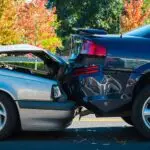
Cars often travel in close proximity, and when one car accelerates or decelerates too quickly, it can often lead to a rear-end collision. These can happen at traffic lights, intersections, or even on the open road. Rear-end collisions can leave both cars inoperable, as well as cause drivers or passengers injuries that range from minor to very serious.
Side Impact Accident
A side impact crash is sometimes referred to as a “T-bone” collision because of the way one vehicle strikes the other. Side impact collisions involve one car traveling headfirst and crashing into another car on the driver or passenger side. Such collisions typically result in significant damage to both cars, as well as a high probability that at least one person is injured, often severely.
Head-On Accident
The most dangerous kind of collision is typically a head-on crash, one where two vehicles meet head-to-head. Even if traveling at relatively slow speeds, head-on collisions are the most likely to result in both vehicles being irreparably damaged, and any drivers and passengers suffering serious, if not fatal, injuries.
Determining Fault in a Side-Impact Collision
When it comes to side-impact, or “T-bone,” crashes, fault most often lies with the driver who failed to yield the right of way—think running a red light, ignoring a stop sign, or misjudging a turn across traffic. But just like a plot twist in your favorite TV drama, things can get complicated.
Sometimes, both drivers share responsibility. Maybe one car was speeding, or the weather turned the intersection into a skating rink, making it difficult to stop in time. Even poorly marked roads or an obstructed view can play a role in determining who’s really to blame. In most cases, insurance companies and investigators look at everything—from traffic camera footage to witness statements and even the layout of the intersection itself—to sort things out.
The bottom line is: while failure to yield is usually the primary cause, every side-impact collision is its own unique puzzle, shaped by driver behavior, road conditions, and sometimes just plain bad luck.
Car Accidents: Vehicle vs. Non-Vehicle Collisions
Vehicles don’t have to crash into other vehicles to suffer damage, and many drivers are injured every year from accidents that don’t involve other operated vehicles.
Fixed Object Collision Accident
Drivers who strike a roadside embankment, light pole, fire hydrant, or other immobile objects often sustain significant damage to their vehicles. These accidents also have a good chance of resulting in injuries, especially when drivers or passengers are not wearing seatbelts.
Stationary Collision Accident
Technically, stationary collisions involve two or more vehicles, but only one of them is not occupied and not moving. These kinds of accidents occur most often when, for example, a driver in a parking lot scrapes another vehicle as they maneuver into or out of a parking space. These types of accidents rarely result in injuries to drivers or passengers, but can result in minor to moderate, or even severe, damage to both vehicles.
Pedestrian Collision Accident
Striking a pedestrian while driving is one of the worst situations you can be involved in. Though these types of accidents are relatively rare, the pedestrian involved often suffers serious injuries. Drivers and passengers in the vehicle can also be hurt in such collisions, and the vehicle involved can sustain significant damage.
Vehicle Malfunctions Leading to Accidents
Sometimes, the culprit behind a car accident isn’t another driver, but the vehicle itself. Mechanical failures, though less common than driver error, can significantly increase the risk of a crash. The most frequent offenders are problems with tires or wheels—blowouts, worn treads, or wheel failure can cause drivers to lose control in a heartbeat. In fact, the National Highway Traffic Safety Administration estimates that issues with tires and wheels are responsible for over a third of accidents attributed to vehicle malfunctions.
Close behind are brake failures. Worn-out or improperly maintained brakes can lead to extended stopping distances or an inability to stop at all, heightening the chances of a collision. Less frequently, malfunctions in steering, suspension systems, or even an engine stall can contribute to accidents by hampering a driver’s ability to maneuver or avoid hazards on the road.
It’s important to note that while some of these problems may stem from manufacturing defects or overlooked recalls, most arise from inadequate maintenance—skipping routine inspections, ignoring dashboard warnings, or putting off essential repairs. Regular upkeep and promptly addressing any recalls from your vehicle’s manufacturer can go a long way in preventing these types of accidents.
Common Injuries in Car Accidents
Experiencing a car accident can lead to a variety of injuries, ranging from minor to severe. Understanding these common injuries can emphasize the importance of immediate medical attention and awareness. Let’s look at the typical injuries that occur in the chaotic aftermath of a collision:
Fractures and Breaks
Collisions often result in broken bones. Whether it’s a hairline fracture or a complete break, these injuries can severely hinder movement and demand significant medical intervention. The intensity of the impact often determines the severity of the break.
Head Injuries
The head is particularly vulnerable during a car accident, leading to injuries such as concussions. Symptoms can vary from headaches and dizziness to more serious cognitive impairments, which sometimes surface long after the incident.
Whiplash and Neck Strain
Rear-end collisions are notorious for causing whiplash. This injury typically results in neck pain and stiffness that can persist for weeks, disrupting daily activities and requiring comprehensive care for recovery.
Internal Organ Trauma
The force of an accident can result in significant internal injuries. Key organs such as the liver, lungs, or spleen can sustain damage from the blunt impact, often necessitating urgent surgical attention.
Soft Tissue Damage
Injuries to soft tissues, including sprains, strains, and severe bruises, are common. Whiplash itself is a type of soft tissue injury, but damage can also occur to ligaments and tendons throughout the body, requiring physical therapy and time to heal.
Spinal Injuries
A herniated disc is a prevalent spinal injury in car accidents, causing intense pain and sometimes numbness or weakness in the arms or legs. These injuries demand proper medical diagnosis and often long-term care to manage symptoms.
How Can a Car Accident Lawyer Assist After a Crash?
Navigating the chaotic aftermath of a car accident isn’t easy. Amid confusion, a seasoned car accident lawyer can be an invaluable ally, guiding you every step of the way.
Understanding State-Specific Laws
Each state has its unique set of car accident laws. A knowledgeable attorney can decipher these complexities for you, ensuring you’re well-informed about your rights and the intricacies that could affect your case. They’ll help outline the legal avenues open to you and clarify potential outcomes.
Extensive Case Investigation
A thorough investigation forms the backbone of any strong case. Your lawyer will gather crucial evidence, such as police reports, medical records, witness testimonies, and accident scene photographs. This comprehensive fact-finding mission helps build a solid foundation for your claim.
Navigating the Claims Process
Dealing with insurance companies is notoriously tricky. Adjusters often attempt to downplay the value of your claim. Your lawyer can handle all communications, crafting responses that safeguard your interests and negotiating assertively to secure the compensation you deserve.
Establishing Liability
Determining who is at fault isn’t always straightforward. An experienced lawyer works diligently to identify all responsible parties, be it another driver, a vehicle manufacturer, or the entity in charge of road maintenance. This ensures all avenues for compensation are explored.
Courtroom Readiness
If negotiations fall through and a fair settlement isn’t on the table, your lawyer is ready to take your case to court. They’ll present a compelling case, complete with evidence and persuasive arguments, representing you in all legal proceedings.
Financially Accessible Legal Support
Most car accident lawyers work on a contingency fee basis. This means you won’t face any upfront costs; you only pay if they win your case. This arrangement makes top-notch legal representation accessible without adding financial strain.
How to Prove Fault in a Car Accident Case
Navigating a car accident claim hinges on proving fault, which can secure compensation for your injuries and damages. Here’s how you can systematically establish who was at fault:
Key Steps to Establishing Fault
- Gathering Evidence
Start by collecting all available evidence. This includes photos of vehicle damage, skid marks, road conditions, and traffic signs. These visuals help reconstruct the accident scene and clarify events. - Leveraging Police Reports
After an accident, a police officer often investigates and files a report. While it doesn’t decide fault, this document can offer critical insights, comprising the officer’s observations, driver and witness statements, and sometimes an implied opinion on fault. - Witness Testimonies
Eyewitness accounts are invaluable. Individuals who observed the accident provide third-party perspectives that can validate your claims and add credibility to your narrative. - Traffic Law Violations
If there’s evidence that the other driver breached traffic laws—such as speeding, running a red light, or failing to yield—this can strongly indicate fault. Any citations issued at the scene can serve as potent evidence. - Expert Analysis
For complex cases, accident reconstruction experts might be enlisted to assess the evidence. Their insights can illuminate the sequence of events and pinpoint the responsible party, providing a professional angle to your case. - Admissions of Guilt
If the other driver admits fault at the scene or later, this can be used as strong evidence. However, exercise caution with your own statements at the scene, as they may also be scrutinized. - Personal Account
Your detailed account of the accident—encompassing what you saw, heard, and felt—is crucial. Clear and consistent testimonies can substantially aid in establishing the facts.
Comprehensive Approach
Proving fault involves a thorough approach in assembling and presenting evidence. With a meticulous strategy, you can effectively establish liability, ensuring all dimensions of the accident are examined to support your case.
What Steps Should One Take After a Car Accident?
Handling the aftermath of a car accident can be overwhelming. Prioritizing safety and knowing the right steps to take can make a significant difference in protecting your health, finances, and legal rights.
1. Ensure Safety First
- Check for Injuries: Assess yourself and passengers for any injuries. If anyone is hurt, call emergency services immediately.
- Vehicle Safety: If possible, move your car to a safe area, away from traffic. If it’s immovable, keep the hazard lights on to alert other drivers.
2. Contact Authorities
Even if the accident is minor, it’s essential to call the police. A police report can be crucial for insurance claims and potential legal matters. The officer will document the scene, providing an official account of events.
3. Gather Essential Information
- Other Driver’s Details: Collect the other driver’s name, contact information, driver’s license number, license plate number, and insurance details.
- Document the Scene: Take photographs or videos of the scene, capturing vehicle damages, road conditions, and traffic signs.
4. Talk to Witnesses
If there are witnesses, ask for their contact information and whether they would be willing to make a statement about what they saw. Their accounts can be invaluable later on.
5. Seek Medical Attention
Regardless of how you feel, getting evaluated by a healthcare professional is vital. Some injuries might not present symptoms immediately but could be serious if left unchecked. Medical records also serve as evidence that you’ve taken the incident seriously.
6. Inform Your Insurance Provider
Contact your insurance company as soon as possible to report the accident. Stick to the facts without admitting fault or speculating on the events.
7. Legal Guidance
Consider consulting with a legal professional if you’ve sustained injuries or significant property damage. An attorney can help navigate the claims process and ensure your rights are safeguarded.
What Happens if the Other Driver is Uninsured or Underinsured?
Finding yourself in an accident with another driver who lacks adequate insurance can indeed be unsettling. However, there are multiple ways to manage the situation and ensure you don’t bear the brunt of financial losses.
1. Your Insurance Options
If your auto insurance policy includes uninsured/underinsured motorist (UM/UIM) coverage, you’re in luck. This coverage acts as a safety net. It pays for your medical bills, compensates for lost wages, and covers other damages you would ordinarily claim from the at-fault driver’s insurance.
- Uninsured Motorist (UM) Coverage: Kicks in when the other driver has no insurance.
- Underinsured Motorist (UIM) Coverage: Helps when the at-fault driver’s insurance isn’t enough to cover all your expenses.
2. Personal Injury Protection (PIP)
In some states, Personal Injury Protection is either mandatory or available as an option. PIP provides coverage for medical costs and lost income, regardless of who caused the accident. This can be extremely beneficial if the other driver lacks proper insurance.
3. Legal Action
An alternative approach is to file a lawsuit against the at-fault driver. This method seeks to claim damages from the driver personally. However, it can be a challenging path, especially if the driver has limited financial ability to pay any awarded damages.
4. Navigating the Process
Dealing with a claim involving an uninsured or underinsured driver can be intricate. It’s crucial to explore all avenues available to you. Negotiating with your insurance company and understanding your rights and options could make a significant difference in securing the compensation you deserve..
Understanding the Average Settlement for a Car Accident Claim
The average settlement for a car accident claim can fluctuate significantly, primarily influenced by several key factors. Here’s what you need to consider:
Factors Impacting Settlement Amounts
- Injury Severity: Minor injuries, such as whiplash or bruising, typically yield smaller settlements, while severe injuries, including spinal cord damage, traumatic brain injuries, or multiple fractures, often result in considerably larger payouts.
- Medical Expenses: Settlement amounts heavily factor in medical costs. This encompasses charges for emergency room visits, surgeries, hospital stays, and ongoing medical care, such as physical therapy. Higher medical bills generally correlate with larger settlements.
- Property Damage: The extent of damage to your vehicle and other property can also impact the settlement amount. Comprehensive repairs usually raise the settlement value.
- Circumstances of the Accident: The determination of fault and any aggravating factors (like reckless driving) play significant roles in the settlement discussion. Insurance policies and coverage limits can also restrict or enhance the final settlement.
Calculating Your Settlement
When calculating a potential settlement, it’s crucial to document all related expenses, including lost wages if you’re unable to work due to injuries. Many insurance companies use formulas that multiply medical expenses by a number reflecting injury severity, adding economic losses to estimate a fair settlement.
Types of Compensation for a Car Accident Claim
If you’re involved in a car accident, several forms of compensation may be available to you, depending on the case specifics.
- Medical Cost: This encompasses all healthcare expenses resulting from your injuries. You can claim for hospital stays, physician appointments, surgeries, medications, and any required rehabilitation therapies. Future medical needs due to ongoing health issues from the accident should also be considered.
- Lost Income: Should your injuries require time away from work, you might recuperate the wages lost during this period. This includes not just past earnings, but any future income losses if your ability to work has been affected long-term. In cases of lasting disability, compensation might cover diminished future earnings potential.
- Physical and Emotional Suffering: Beyond financial costs, accidents can inflict significant personal distress. Compensation can address physical pain and emotional suffering, such as anxiety, depression, or chronic discomfort, reflecting the non-economic impact on your life quality.
- Psychological Impact: Severe accidents can cause emotional challenges like PTSD or severe anxiety. Financial restitution can help address therapy costs and provide relief for these psychological burdens.
- Permanent Impacts: Injuries that result in lasting disabilities or noticeable disfigurements, like scarring or amputation, may qualify for additional compensation to reflect the enduring nature of these conditions.
- Relationship Effects: Injuries affecting personal relationships can lead to claims for loss of consortium. This covers the loss of companionship or affection with a spouse or family due to the accident.
- Punitive Measures Against Negligence: If the other party’s behavior was particularly reckless, you might be eligible for punitive damages. These aim to penalize the wrongdoer and discourage similar future actions.
- Vehicle and Personal Property Damage: Compensation can also address repairs or replacement for your car and other personal items damaged in the accident. This might include costs for a rental car while repairs are made..
Advantages of Hiring an Experienced Car Accident Lawyer
When you’re involved in a car accident, having seasoned legal professionals on your side can be a game-changer. Here’s why:
Understanding of Laws and Regulations
A veteran car accident lawyer possesses an in-depth knowledge of both state and federal traffic laws. Their expertise extends to insurance regulations, allowing them to navigate complex legal frameworks adeptly. This understanding is crucial in building a strong case, as they know precisely which laws and precedents can work to your advantage.
Comprehensive Legal Support
By hiring an experienced lawyer, you benefit from a team dedicated to your success. This typically includes paralegals, investigators, and often, medical experts who contribute their expertise to strengthen your case. This collaborative approach ensures that no detail is overlooked and that every angle is explored to maximize your chances of a favorable outcome.
No Financial Risks
Most car accident lawyers operate on a contingency fee basis, meaning you only pay if you win your case. This arrangement reduces financial stress, as you don’t have to worry about initial legal costs piling up during an already challenging time. It pushes lawyers to work diligently, knowing their compensation depends on securing a win for you.
Proven Track Record
Experienced attorneys often have a history of recovering substantial compensation for their clients. Their reputation for success not only boosts your confidence but also serves as a powerful negotiation tool. Insurance companies are more likely to take your claim seriously if they know your lawyer has a robust track record.
Guidance and Support
Navigating the aftermath of a car accident can be overwhelming. An experienced lawyer stands by you, providing guidance and advocating for your best interests. They handle the complexities of your claim, helping you focus on recovery while ensuring you do not face this challenging time alone.
Steps to Take After a Pedestrian Accident
Being involved in a pedestrian accident can be a traumatic experience. Knowing what to do can not only help protect your rights but also ensure safety and gather crucial information.
1. Ensure Safety First
- Move to a Safe Area: If you can, get to the sidewalk or a safe zone away from further harm.
- Check for Injuries: Assess yourself for injuries and seek immediate medical attention if necessary.
2. Call Emergency Services
- Contact 911: Report the accident to the police and request medical assistance. An official report can be crucial later on.
3. Gather Information
- Exchange Details: Collect names, phone numbers, and insurance information from all parties involved.
- Witnesses: Note down the contact information of any bystanders who witnessed the incident.
4. Document the Scene
- Take Photos: Capture images of the accident scene, including vehicles, traffic signals, and any visible injuries.
- Make Notes: Record the time, location, and conditions, such as weather or road hazards.
5. Avoid Admitting Fault
- Communicate Carefully: When speaking with anyone, including the driver or police, stick to the facts without admitting liability.
6. Seek Medical Attention
- Visit a Doctor: Even if injuries seem minor, seeing a healthcare professional can uncover hidden issues and document your condition.
7. Notify Your Insurance
- Report the Incident: Inform your insurance company about the accident at the earliest opportunity.
8. Consider Legal Advice
- Consult a Professional: A lawyer with experience in pedestrian accidents can guide you through potential claims or legal procedures.
Taking these steps after a pedestrian accident can protect your interests and help in any future claims or investigations.
How Can a Law Firm Help with Different Types of Vehicle Accidents?
Navigating the aftermath of a vehicle accident can be complex and overwhelming. A law firm specializing in accident cases can offer vital support and expertise across various types of incidents.
Handling Car Accidents
Whether it’s a minor scrape or a catastrophic collision, seasoned car accident attorneys guide victims through the entire legal process. They assess damages, communicate with insurance companies, and aim to secure the fairest compensation possible for injuries and losses.
Expertise in Truck Accidents
Trucking accidents present unique challenges due to the involvement of commercial vehicles and potentially multiple liable parties. Specialized truck accident lawyers understand these intricacies and work diligently to unravel the details, holding the responsible parties accountable and seeking appropriate compensation.
Advocating for Pedestrian Accident Victims
Getting hit by a vehicle can result in severe injuries for pedestrians. Legal experts in this field fight to ensure that negligent drivers are held responsible, working to recover the costs associated with medical care, lost wages, and pain and suffering.
Motorcycle Accident Representation
Motorcyclists face unique risks on the road. Lawyers focusing on motorcycle accidents utilize established strategies to defend the rights of injured riders, striving to secure the financial support necessary for recovery.
Assisting Bus Accident Victims
If you’re injured in a bus accident, legal professionals can intervene, dealing with potentially complex liability issues. They hold reckless bus drivers and their employers accountable, seeking damages for victims.
Supporting Injured Cyclists
Bicycle accidents can result in devastating injuries. Attorneys specializing in such cases offer advocacy to cyclists injured by careless drivers, aiming for settlements that cover medical expenses, lost income, and other repercussions of the accident.
How to Manage a Car Accident Involving Rideshare or Delivery Drivers
When you’re involved in a car accident with a rideshare or delivery driver, you may face a unique set of legal challenges. Here’s a step-by-step guide to help you navigate the situation effectively:
1. Prioritize Safety and Health
- Check for Injuries: Ensure everyone’s safety first. Call 911 immediately if there are any injuries.
- Seek Medical Help: If you’re injured, get medical attention without delay.
2. Gather Essential Information
- Driver Details: Collect the driver’s name, contact information, and vehicle details.
- Company Affiliation: If the driver is on duty for a rideshare or delivery service, note the company’s name and their employment status.
- Witnesses: Obtain contact information from any witnesses to the accident.
3. Document the Scene
- Visual Evidence: Use your phone to take photos or videos of the accident site, the vehicles involved, damages, and visible injuries.
- Importance of Evidence: These visuals will be crucial when filing an insurance claim.
4. Notify Relevant Parties
- Inform the Company: Contact the rideshare or delivery company to report the accident.
- Many companies have specific procedures and may offer insurance coverage for such incidents.
- Police Involvement: File a police report. This document will be significant for your insurance claim and possible legal actions.
5. Communicate with Insurance
- Your Insurance: Report the accident to your insurance company promptly. Your policy might cover some of the damages depending on the circumstances.
6. Understand Insurance Complexities
- Multiple Policies: Expect involvement from multiple insurance policies, including the driver’s personal policy, the company’s coverage, and possibly your own.
- Seek Legal Aid: Due to the complexity, consulting with a legal expert can be invaluable. They can identify applicable policies and help you pursue rightful compensation.
7. Handling Insurance Companies
- Advocacy and Negotiation: Interacting with insurance companies can be daunting. A legal advisor can negotiate on your behalf and, if necessary, represent you in court to ensure your rights are protected.
Understanding Compensation in a Shared-Fault Car Accident
If you’re wondering whether you can still receive compensation after being found partially at fault for a car accident, the simple answer is yes. Thanks to the comparative negligence rule, which operates in many states, you can still recover damages, though your compensation will be adjusted according to your level of fault.
How Comparative Negligence Works
- Assignment of Fault: During a lawsuit or insurance claim, the court or insurer will determine how much each party contributed to the accident.
- Calculation of Compensation: Suppose you’re entitled to $100,000 in damages but are found to be 20% at fault. In this case, your compensation would be reduced by your fault percentage, resulting in $80,000.
Dealing with Insurance Companies
Insurance providers are often keen to argue that you were largely responsible for the accident to minimize their payout. This is where having an experienced attorney can make a significant difference. They will challenge such claims and work towards a fairer settlement.
Steps to Maximize Your Compensation
- Gather Evidence: Collect crucial documentation such as police reports, witness statements, and photos of the accident scene. These can strongly support your case.
- Consult an Attorney Quickly: An experienced car accident attorney is essential for navigating legal complexities. They’ll help ensure your fault level is correctly assessed and that you get the compensation that reflects the true circumstances of the accident.
Who Investigates Car Accidents and Determines Fault?
In the aftermath of a car accident, determining who is at fault is crucial for securing compensation for injuries and damages. This complex process involves multiple parties, each playing a vital role in the investigation and fault determination.
Law Enforcement’s Role
Typically, a police officer arrives at the scene shortly after the accident. Their primary responsibilities include assessing the situation, collecting information, and compiling a detailed report. This report often contains:
- Officer’s Observations: Initial impressions of the scene.
- Driver and Witness Statements: Accounts that provide context and insight.
- Preliminary Fault Opinion: The officer’s perspective on the likely responsible party.
While not legally binding, the police report can significantly influence fault determination and insurance claims.
Witness Contributions
Eyewitnesses are invaluable for painting a clear picture of the accident. Their independent accounts can corroborate details and lend credibility to your version of events. Consistent witness statements often help substantiate claims about who was at fault.
Photographic Evidence
Photos taken at the scene can greatly enhance the evidence pool. Essential images include:
- Vehicle Damage: Shows impact points and severity.
- Skid Marks and Traffic Signs: Highlights road conditions and possible violations.
- General Scene Context: Provides an overarching view of the location and circumstances.
Traffic Violations
If the other driver violated any traffic laws, such as running a red light or speeding, this can clearly indicate fault. Traffic citations issued at the scene act as critical evidence in demonstrating negligence.
Expert Analysis
In complicated scenarios, accident reconstruction specialists step in. These experts examine all available evidence, from the physics of vehicle movement to environmental factors, providing an informed opinion on the causative factors of the accident.
Statements and Admissions
At times, the individuals involved might inadvertently reveal fault, either through direct admission or during casual conversation. However, it’s important to speak cautiously, as your statements can also be scrutinized and potentially used against you.
What is the Process for a Car Injury Settlement?
Navigating a car injury settlement can be daunting, but understanding the process can ease the journey. Here’s how it typically unfolds:
1. Initial Consultation and Investigation
The process begins with consulting a personal injury attorney who can assess the specifics of your case. They will start by investigating the accident, collecting evidence, and determining liability. This involves obtaining police reports, medical records, witness statements, and any available accident scene photos.
2. Assessment of Damages
Once liability is established, your attorney will calculate the full extent of your damages. This includes medical expenses, lost wages, property damage, and any non-economic damages such as pain and suffering.
3. Filing the Claim
With a clear picture of the damages, your lawyer will file a claim against the at-fault party’s insurance company. This claim outlines the compensation you’re seeking for your injuries and losses.
4. Negotiation Phase
Negotiations with the insurance company typically follow. Your attorney will work to secure a fair settlement offer. This stage can be lengthy, taking anywhere from a few weeks to several months, depending on the complexity of the case and the willingness of both parties to compromise.
Key Considerations:
- Complexity of the Case: More severe injuries or intricate claims may require prolonged negotiations.
- Insurance Company Response: Some insurers may quickly agree to a settlement, while others might drag out the process to reduce the payout.
5. Settlement Agreement
If both parties agree on a settlement amount, the agreement is documented, and you’ll receive compensation. It’s crucial to understand that by accepting the settlement, you typically waive the right to pursue further legal action related to the accident.
6. Potential Litigation
Should negotiations fail, the case might proceed to court. However, many cases are resolved through settlements before reaching this stage. Litigation can substantially extend the timeline, often lasting over a year, but it becomes necessary to secure fair compensation.
Key Elements of a Car Accident Lawsuit
When pursuing a car accident lawsuit, several crucial elements must be present for a successful claim. Here’s a breakdown:
- Existence of Injury or Damage. First and foremost, the lawsuit must involve some form of injury or property damage. This could range from physical injuries requiring medical attention to damage sustained by your vehicle. Without demonstrable injury or damage, it’s challenging to establish the basis for a legal claim.
- Liability of Another Party. It’s essential to prove that another party is at least partially responsible for the accident. This involves gathering evidence such as eyewitness testimony, police reports, and accident reconstructions. Establishing fault is pivotal, as it directly affects the strength and potential outcome of your lawsuit.
- Adequate Insurance Coverage. Having sufficient insurance coverage is a critical component. It’s important to assess both your insurance and that of the at-fault party to ensure there’s enough coverage to address the damages claimed. Insurance policies play a vital role in determining the compensation you may receive.
What To Do If the Other Driver Flees the Scene of an Accident
Experiencing a hit-and-run can be frustrating and confusing. However, knowing the right steps to take can significantly impact your ability to handle the situation effectively. Here’s a guide to help you through the process:
Stay Calm and Gather Information
- Ensure Safety: First, ensure you and your passengers are safe. Move your vehicle out of traffic to prevent further accidents.
- Document Details: Record as much information as you can about the fleeing vehicle, such as the license plate number, make, model, color, and any visible damage.
- Gather Witnesses: If there are any witnesses, ask for their contact information and if they’re willing to share what they saw.
Contact Authorities
- Report to Police: Immediately call the police to report the hit-and-run. A police report will be crucial for insurance purposes.
Notify Your Insurance Company
- File an Insurance Claim: Inform your insurance company about the incident. Depending on your coverage, they might assist with damages through your collision or uninsured motorist coverage.
Explore Insurance Options
- Uninsured/Underinsured Motorist Coverage: This type of coverage could help cover your expenses if the fleeing driver is never identified or tracked down.
- Personal Injury Protection (PIP): If available in your policy, PIP can cover medical expenses and lost wages, giving you some relief as you manage the situation.
Consider Legal Action
If the fleeing driver is caught, pursuing legal advice to explore your options might be beneficial. A legal expert can aid in understanding your rights and help determine any further action, such as suing the offender, should it be necessary.
Stay Vigilant
- Monitor Your Health: Keep track of any physical or emotional symptoms following the incident and seek medical attention as needed.
How Long After a Car Accident Can You File a Claim?
The timeline for filing a car accident injury claim is governed by the legal concept known as the statute of limitations, which is different from state to state. Generally, you have anywhere from one to four years from the accident date to initiate a lawsuit. If you fail to meet this deadline, you risk forfeiting your right to pursue compensation.
Exceptions to the Rule
In some instances, you might not immediately notice injuries or damages. For such cases, the discovery rule applies. This rule starts the clock on the statute of limitations when the injury is discovered or should reasonably have been discovered. This becomes crucial when dealing with internal injuries or long-term health issues that manifest only after some time.
Importance of Medical Check-Ups
Visiting a healthcare professional promptly after the accident is crucial. Even if you don’t feel immediate pain, a thorough examination can reveal hidden injuries. Moreover, in certain states, this medical documentation is vital for accessing specific benefits.
Act Quickly for a Strong Case
Filing a claim as soon as possible is advantageous. Evidence may degrade, memories can blur, and finding witnesses can become challenging over time. Acting swiftly enhances your ability to gather and preserve critical evidence.
Consult a Lawyer
Given the intricate nature of statutes of limitations and possible exceptions, it’s highly recommended to seek guidance from a car accident lawyer promptly. Legal experts can ensure your claim is filed within the correct timeframe and guide you through the best steps to take.
How to Sue for Car Damages: A Comprehensive Guide
If you’ve been involved in a car accident and need to seek compensation for damages, understanding the legal process is crucial. Here’s a step-by-step guide to help you navigate through this challenging time.
1. Assess the Situation
First and foremost, ensure everyone’s safety and seek medical attention if needed. Document the accident scene, if possible, with photographs and gather contact information from any witnesses.
2. Report the Accident
Notify your insurance company about the accident as soon as possible. Be honest and provide all necessary details to support your claim. Keep a detailed record of all communications.
3. Gather Evidence
To build a strong case, compile evidence such as police reports, medical records, repair estimates, and any relevant photos of the accident scene. This information is critical when it comes to proving liability and damages.
4. Consult with an Attorney
Consider consulting a personal injury attorney who specializes in car accidents. They can provide advice on whether you have a viable case and help you understand your legal rights and options.
5. Determine Fault
Establishing fault is key in a car accident lawsuit. Your attorney can help by analyzing evidence and working with experts to build a strong case showing the other party’s negligence.
6. File a Lawsuit
If negotiations with insurance companies fail to cover your expenses, your attorney may recommend filing a lawsuit. This involves drafting a complaint detailing your claims and submitting it to the appropriate court.
7. Pre-Trial Process
The pre-trial process can involve discovery, where both parties exchange information, and any necessary depositions are taken. Settlement negotiations may continue during this phase, potentially avoiding the need for a trial.
8. Trial
If no settlement is reached, your case may go to trial, where both sides will present evidence and arguments. A judge or jury will then determine the outcome based on the merits of the case.
9. Collect Compensation
If you win the lawsuit, you will be awarded compensation for damages. Your attorney can assist in the collection process, ensuring you receive what is owed.
Understanding the Value of a Car Accident Case
Determining the value of a car accident case involves analyzing several factors to calculate potential compensation. Here’s a breakdown of the key elements considered:
1. Medical Expenses
- Immediate Costs: This includes hospital bills, medication, and any emergency treatments.
- Long-Term Care: Ongoing therapy, rehabilitation, and potential future medical procedures must be factored in.
2. Lost Wages and Earning Capacity
- Current Losses: Compensation for any income lost during recovery.
- Future Impacts: If the injury affects your ability to work long-term, this loss is also considered.
3. Property Damage
- Vehicle Repairs: Costs associated with repairing or replacing your car.
- Personal Property: Any belongings damaged in the accident, like electronics or clothing.
4. Pain and Suffering
- Physical Pain: Compensation for discomfort and pain caused by injuries.
- Emotional Distress: Anxiety, depression, or trauma stemming from the accident may contribute to the overall value.
5. Comparative Fault
- In certain jurisdictions, your compensation can be affected if you share some responsibility for the accident.
6. Insurance Policy Limits
- The total amount recoverable may be limited by the at-fault driver’s insurance policy.
7. Legal Representation
- An experienced attorney can deeply influence case outcomes by negotiating effectively and using legal insights to their advantage.
How Much Does It Cost to Hire a Car Accident Lawyer?
Hiring a car accident lawyer often involves no upfront costs, thanks to the prevalent “no win, no fee” agreement, commonly referred to as a contingency fee arrangement. This approach allows you to secure legal representation without immediate financial pressure.
Here’s how it typically works:
- No Upfront Payment: You aren’t required to pay anything at the start. This ensures that anyone can access legal services, regardless of their financial status.
- Payment Only Upon Winning: You only pay your lawyer if they successfully resolve your case, either through a settlement or a favorable court judgment. If the outcome isn’t in your favor, you don’t owe any fees for their services.
- Percentage-Based Fees: Should you win, the lawyer’s compensation is usually a percentage of the settlement or award you receive. This percentage can vary, often influenced by the complexity and demands of your case.
- Aligned Incentives: Because a lawyer’s payment depends on the outcome, they are motivated to work diligently to secure the most favorable compensation for you.
By choosing a lawyer who operates under a contingency fee system, like those at many reputable firms, you align both your interests and your lawyer’s interests toward a successful outcome. This model ensures that the pursuit of justice is accessible to all, without the barrier of initial legal fees.
Understanding the Spike in Car Accidents During the Fall
As fall arrives, it brings with it picturesque landscapes, crisp air, and regrettably, an increase in car accidents. So, why do these incidents become more common during this seemingly calm season?
Challenging Weather Conditions
Fall weather can be unpredictable, with sudden temperature drops and wet conditions. Rainfall is frequent, and morning dew can create slick roads, dramatically reducing tire traction. As temperatures fluctuate, fog often becomes a morning nuisance, further decreasing visibility.
Diminished Daylight
Shorter days mean drivers spend more time commuting in darkness. This reduced visibility increases the risk of accidents, especially for those who are not accustomed to driving at night. Twilight hours can be particularly hazardous as sun glare decreases visibility.
Leaves on the Road
Fallen leaves can create a variety of hazards. Wet leaves are as slippery as ice, making it easy for cars to skid. Even dry leaves can camouflage other dangers like potholes or road markings, creating unexpected challenges for drivers.
Increased Wildlife Activity
Fall is mating and migration season for many animals, notably deer. With increased animal activity, drivers may face sudden and unexpected obstacles, leading to a spike in accidents, particularly in rural or wooded areas.
Back-to-School Traffic
The return to school means busier roads as school buses, children, and parents converge. This increase in pedestrian and vehicular activity requires heightened driver awareness to avoid accidents.
Vehicle Maintenance Oversights
Summer can be rough on vehicles, but many drivers delay maintenance until winter. Worn-down tires or brake systems, which may have endured high summer temperatures, can fail when navigating slick fall roads.
Is It Necessary to Hire a Lawyer for a Minor Car Accident?
You might wonder if enlisting a lawyer for a seemingly minor car accident is worth it. While it may seem like an unnecessary step, having legal representation can be crucial for several reasons.
Protect Your Rights
Insurance companies often aim to minimize their payouts. They might present a quick settlement offer that may not fully address all your expenses or losses. An experienced lawyer can review these offers and negotiate on your behalf to ensure you receive fair compensation, encompassing all damages, both obvious and hidden.
Future Injuries
Injuries from car accidents aren’t always immediately apparent. Conditions such as whiplash, concussions, or soft tissue injuries might not manifest until days or even weeks later. Without a lawyer, you risk agreeing to a settlement before understanding the full scope of your injuries. Legal counsel can help ensure that future medical costs are factored into your claim.
Avoiding Pitfalls
Even if you feel confident handling the aftermath of a minor accident, a lawyer’s expertise can help you navigate potential pitfalls. They know how to deal with complex paperwork, communicate effectively with insurance companies, and ensure that you don’t miss out on the compensation you deserve.
Maximizing Compensation
A skilled attorney brings negotiation power to the table. They can communicate to the opposing party that low-ball settlements are unacceptable and that they intend to pursue maximum compensation for you. This often leads to better outcomes than negotiating on your own.
When Legal Assistance Is Needed After a Car Accident
Not every fender bender calls for a lawyer, but certain situations make consulting one a smart move—sometimes, an absolute must.
- Disputed Fault and Liability. If there’s any disagreement over who caused the crash, or if the other driver’s insurer is trying to pin the blame on you, an attorney can help untangle the mess. Insurance companies—think State Farm or GEICO—have teams dedicated to minimizing payouts. Having a legal professional in your corner ensures evidence is collected, your side is clearly presented, and you’re not left holding the bag for someone else’s blunder.
- Dealing With Uninsured or Underinsured Drivers. Unfortunately, not every driver on the road is properly insured. If you’re hit by someone who lacks sufficient coverage, or worse—no coverage at all—your own uninsured/underinsured motorist policy might come into play. Navigating these claims can be tricky, and an experienced lawyer can make the process less of a headache.
- Complex Injuries and Major Losses. For accidents resulting in serious injuries, long-term medical expenses, or significant lost income, having legal representation becomes crucial. You’ll want someone who can secure compensation not just for immediate costs, but also for future care, rehabilitation, or lost earning capacity. This is especially true in cases involving catastrophic injuries or the need for ongoing medical treatment.
- Hit-and-Run Accidents. If the driver who caused your crash flees the scene, you’re left dealing with a whole new level of complication. Your attorney can help you file uninsured motorist claims and gather evidence to maximize your chance at financial recovery.
- Accidents Involving Government Entities or Dangerous Road Conditions. Crashes involving city buses, postal vehicles, or poor road maintenance bring special rules and tight deadlines. Legal expertise is needed to navigate government immunity laws and proper claim procedures. Don’t wait too long—filing windows can be shockingly short.
- Defective Vehicle Claims and Commercial Vehicle Crashes. When a malfunctioning part contributes to a collision, or when the other driver was behind the wheel of a company truck, legal complexities multiply. Accountability may rest with automakers or big companies, not just an individual driver. Professional guidance can help hold the right parties responsible.
In short, whether you’re facing stubborn insurers, unclear liability, coverage issues, or large losses, a knowledgeable attorney can help protect your rights and ensure you don’t leave money—or peace of mind—on the table.
Understanding “No Win, No Fee” Agreements
The concept of a “no-win, no-fee” agreement, also known in the legal world as a contingency fee arrangement, is designed to make legal services accessible to those who might not have the funds to pay upfront. Here’s how it typically works:
- No Upfront Costs: When you enter into a “no win, no fee” agreement with a lawyer, you’re not required to pay any legal fees at the outset. This means you can pursue your case without worrying about initial costs, making legal representation attainable for a broader audience regardless of financial standing.
- Payment Upon Winning: A lawyer operating under this agreement only gets paid if you win your case. This could be through a settlement or a favorable court verdict. If the case is unsuccessful, you don’t owe the lawyer for their services.
- Percentage-Based Fee: If your lawyer secures a win, their fee is typically taken as a percentage of the compensation you receive. The exact percentage can vary, often depending on the complexity and specifics of the case. This percentage is agreed upon at the start of the agreement, so there are no surprises later on.
- Aligned Interests: One of the key advantages of “no win, no fee” agreements is that your lawyer’s incentives are aligned with yours. Since their payment hinges on winning the case, they are driven to work diligently to secure the best possible outcome for you. This means you have legal professionals motivated not just by your goals, but by the mutual goal of success.
- Accessibility and Risk: For many, this type of agreement offers a way to seek justice and compensation without the financial risk of conventional lawyer fees. It opens doors for those who might otherwise forgo legal action due to cost concerns.
Car Accidents: Most Common Damage-Causing Events
According to a survey from carinsurance.com, about two-thirds of all damage-producing accidents resulted from six different crash scenarios. These are:
- The driver collides with another car. 22.7%
- Another car collides with your vehicle. 22.2%
- Single-car accidents. 7.9%
- Acts of nature. 5.8%
- Striking a fixed impediment or a parked car. 5.4%
- Being struck while parked. 5%
Other causes include striking animals, hitting a pedestrian, and suffering damage as a result of roadway obstructions, such as potholes or washouts. In many of these situations, you can be monetarily compensated for injuries and damages. Contact a car accident injury attorney as soon as possible following an accident for legal advice.
Claim your free consultation today
Submit on our webform or call us now at:
1-855-935-3090
Get your free consultation now!
- 100% Secure and Confidential
- Privacy protected
CONTINUE READING



5 Common Injuries Caused by Car Accidents

10 Common Types of Personal Injury Cases
The Importance of Hiring a Car Accident Lawyer