

Construction Accidents: Understanding Risks, Rights, and Recovery Options
Construction is the backbone of American infrastructure, powering everything from urban skylines to small-town roadways. But behind every high-rise and highway is a workforce exposed to an environment filled with life-threatening hazards. A construction accident can happen in the blink of an eye—on a rooftop, inside a trench, or beside a crane—and the consequences are often catastrophic.
Whether it’s a laborer who falls from a scaffolding, an electrician struck by a misfired nail gun, or a surveyor trapped beneath collapsed concrete, these injuries aren’t rare. Construction sites consistently rank among the most dangerous workplaces in the country. These accidents often result in devastating trauma: broken bones, amputations, spinal cord injuries, or fatal wounds. What’s worse, many of these incidents are preventable, rooted not in bad luck but in negligence—poor communication, faulty equipment, or rushed timelines.
From a legal standpoint, construction accidents straddle multiple areas of law. While most injured workers are eligible for workers’ compensation benefits through their employer, those payments typically fall short of covering the true costs of long-term recovery. In cases involving third-party negligence, such as a faulty tool from a manufacturer, unsafe conditions controlled by a property owner, or a subcontractor’s error, civil lawsuits may supplement or surpass the support offered by workers’ comp.
This comprehensive guide explores the causes of construction accidents, common injuries, liability paths, legal options, and practical steps to protect your rights if you’ve been hurt on the job.
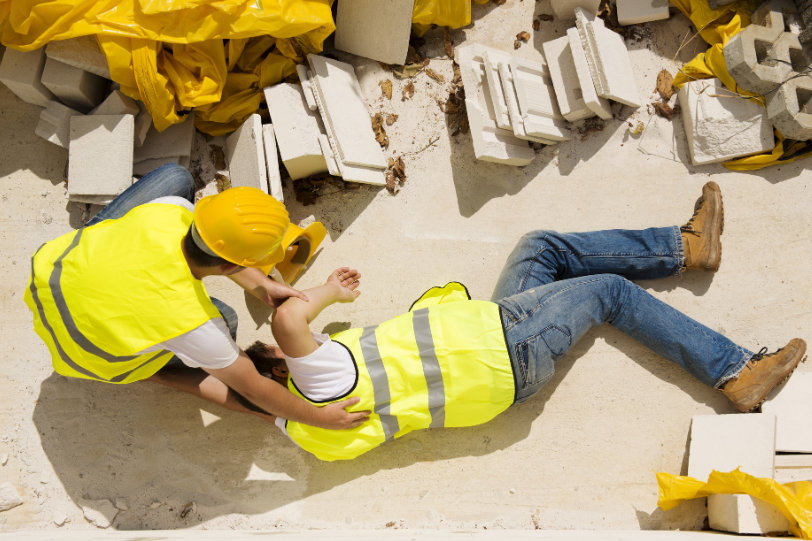
What Makes Construction Sites Especially Hazardous?
No two construction projects are identical, and that’s part of the danger. Sites evolve by the hour, introducing new materials, workers, equipment, and exposure points. This dynamic nature means risks are often shifting and layered, requiring constant vigilance.
Among the key risk factors:
- Constantly changing work environments – Trenches deepen, scaffolding is erected or dismantled, and materials move throughout the day. What was safe at 9 a.m. might be hazardous by noon.
- Heavy machinery – From backhoes and forklifts to jackhammers and cranes, construction relies on high-powered equipment that can fail or be misused with tragic consequences.
- Work at elevated heights – Roofs, steel beams, and lift platforms increase fall risks. Even with harnesses, safety often depends on correct usage and proper anchoring.
- Multiple employers on site – General contractors, electricians, plumbers, and labor crews often work side by side without clear coordination, leading to safety breakdowns.
- Compressed deadlines – Fast-track projects frequently cut corners. Safety briefings may be skipped, equipment checks ignored, or workers pushed to skip breaks.
- Toxic substances and dust – Inhaling silica during concrete cutting or disturbing asbestos in renovation jobs can cause long-term respiratory illnesses.
- Weather conditions – Rain floods trenches, cold creates icy surfaces, and heat contributes to dehydration and fatigue—all of which amplify other risks.
These overlapping hazards require robust safety planning and strict adherence to OSHA (Occupational Safety and Health Administration) standards. Unfortunately, when budget pressures and productivity goals take priority, those protections often fall apart.
OSHA’s role in construction safety is no small matter. Employers are required by law to provide a workplace free from serious recognized hazards and to comply with all OSHA standards, rules, and regulations. That means:
- Regularly examining jobsite conditions to ensure they meet OSHA requirements—not just at the start of a project, but as the site evolves.
- Clearly marking potential hazards with color codes, posters, labels, or signs so workers have immediate warning of changing risks.
- Delivering safety training in a language and vocabulary workers actually understand—not just a box to check, but meaningful education tailored to the job and crew.
- Providing medical exams and specialized training when particular exposures or tasks call for it.
- Maintaining accurate records of all work-related injuries and illnesses, and making these records available to employees and their representatives.
- Protecting worker rights by ensuring employees aren’t discriminated against for reporting unsafe conditions or exercising their legal protections.
- Posting OSHA citations prominently near the site of any violation until it’s been corrected, so everyone is aware of ongoing risks.
When employers cut corners on these obligations, not only does risk skyrocket, but injured workers may have grounds for both workers’ compensation and personal injury claims. In many cases, failure to meet OSHA’s baseline standards leaves employers fully liable for the harm that follows.
Special Considerations for Highway Construction Site Accidents
Highway construction zones bring their own set of legal and practical challenges when accidents occur. Unlike private job sites, these projects are often overseen by government agencies or large contractors operating under strict public guidelines. This added layer of oversight can complicate questions of liability and who can be held responsible for injuries.
For starters, government-run highway projects typically benefit from certain legal protections—sometimes called “sovereign immunity”—which can make it more difficult to bring lawsuits directly against state or municipal entities after an accident. That doesn’t mean injured drivers, pedestrians, or even workers are without options, but it does mean that special rules and tighter deadlines (such as notice requirements under the Federal Tort Claims Act or similar state laws) often apply.
Additionally, proving that a highway construction site failed to meet established safety standards, like those set out by OSHA or the Federal Highway Administration, is crucial to moving a claim forward. Evidence might include poor signage, inadequate barriers, or a lack of traffic control that contributed to a crash or injury. When private contractors are involved, it’s possible for both the government agency and one or more private firms to share liability, depending on who controlled the hazardous condition.
Given all these nuances, it’s essential to have legal guidance from someone familiar with the complexity of public works projects and governmental liability rules. A seasoned construction accident attorney can help untangle which parties may be responsible and make sure complaints are filed promptly, so rights aren’t lost due to technicalities.
Leading Causes of Construction Site Injuries
Though construction site dangers come in many forms, certain categories account for a majority of injuries and fatalities. These are not only common but widely acknowledged in the industry, meaning they are largely preventable.
Among the most frequent causes:
- Falls from elevated surfaces, including roofs, ladders, and scaffolds. Inadequate guardrails, faulty harnesses, or unsecured floor openings can all contribute.
- Struck-by incidents, where a worker is hit by a swinging crane load, falling debris, or moving vehicle.
- Caught-in or between accidents, such as trench collapses or equipment pinning a worker against a wall.
- Electrocution, whether from exposed wiring, contact with power lines, or unsafe use of tools around water.
- Scaffold and ladder failures, typically due to overloading, improper setup, or wear and tear.
- Crane accidents, often involving communication errors, faulty rigging, or mechanical breakdowns.
- Fires and explosions, caused by gas leaks, improperly stored chemicals, or sparking equipment near volatile materials.
- Tool and equipment failures, including nail guns, circular saws, or hoists that malfunction without warning.
- Toxic exposure, including inhalation of asbestos, silica, or welding fumes.
- Heat stress and overexertion, especially in hot, enclosed environments without adequate ventilation.
Common Injuries Resulting From Construction Accidents
The physical toll of a construction accident can be immediate and permanent. While workers’ comp may cover some of the basics, these injuries often require long-term medical intervention, therapy, and lifestyle adjustments.
Some of the most serious construction-related injuries include:
- Traumatic brain injuries (TBIs) resulting from head trauma due to falls or being struck by objects.
- Spinal cord injuries, which can lead to temporary or permanent paralysis.
- Limb amputations, often from equipment entanglement or crush injuries.
- Fractured bones and crush trauma, especially in falls or trench cave-ins.
- Burns, both chemical and thermal, from explosions or improper handling of materials.
- Respiratory conditions, like silicosis or mesothelioma from prolonged exposure to dust or fibers.
- Severe lacerations and puncture wounds, commonly from metal debris or misused tools.
- Cardiac events triggered by heatstroke, dehydration, or overexertion in harsh conditions.
In addition to physical injuries, many victims develop psychological complications, including anxiety, depression, or PTSD, especially following traumatic incidents or disfiguring accidents.
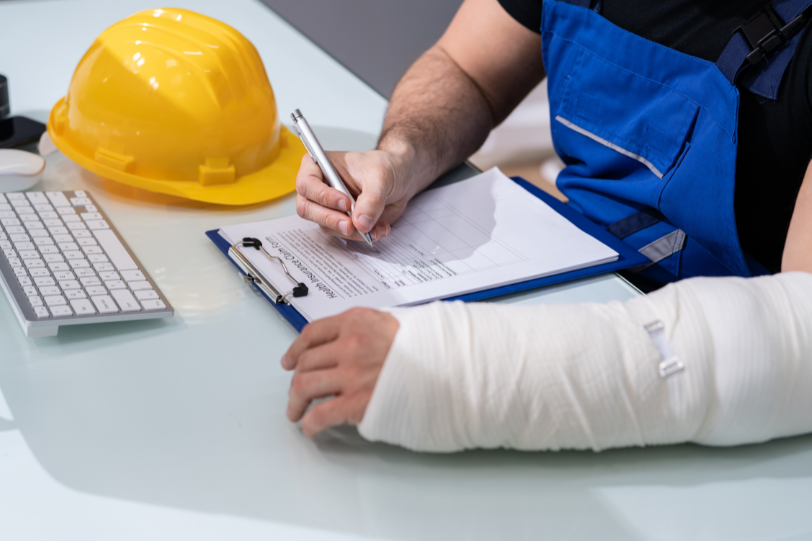
Who May Be Held Responsible?
Identifying liability in construction accidents is rarely simple. While workers’ compensation generally protects employers from personal injury lawsuits, multiple third parties may bear partial or total responsibility depending on the accident’s nature and context.
Potentially Liable Parties:
- The employer – Usually immune from lawsuits under workers’ comp rules, unless the incident involved intentional misconduct or extreme negligence.
- General contractors or site supervisors – They’re responsible for enforcing site-wide safety rules and coordinating subcontractor activity.
- Subcontractors or trade specialists – If their actions directly cause harm to another company’s employee, they may face civil liability.
- Property owners and developers, especially if they exercise control over site safety or knowingly allow unsafe conditions to persist.
- Manufacturers and suppliers of equipment – If a tool, machine, or safety device malfunctions, product liability laws may apply.
- Engineers or architects – Errors in design that compromise structural safety may lead to professional negligence claims.
- Crane or scaffold rental and inspection firms – Failure to inspect or maintain equipment can shift blame away from users and onto service providers.
Who Is Eligible to File a Construction Accident Lawsuit?
While workers’ compensation serves as the main safety net for injured employees, not everyone needs to settle for what it provides, especially when others’ failures, outside the typical employer-employee relationship, contribute to an incident.
Eligibility often includes:
- Workers injured due to violations of safety laws – If an employer or third party overlooks crucial safety protocols, such as those enforced by OSHA, and this leads to an accident, the injured worker might have grounds to pursue a personal injury claim in addition to a workers’ comp claim.
- Employees are exposed to recognized hazards that weren’t properly addressed or communicated, whether through missing signage, inadequate training in their own language, or failure to warn about dangerous conditions.
- Victims of unsafe work environments– Workers faced with unaddressed structural risks, lack of protective equipment, or workplaces that don’t meet required safety standards may have the right to take civil action.
- Those denied required medical screenings or records access relating to job-related illnesses or injuries.
- Workers retaliated against for reporting safety concerns or violations – Laws protect employees who speak up under statutes like the OSH Act; retaliation can open the door to further legal remedies.
Ultimately, anyone injured on a construction site due to someone else’s carelessness—especially when that negligence involves failing to comply with established safety laws—may be eligible to pursue a lawsuit, whether against contractors, property owners, equipment manufacturers, or other responsible parties.
What Does It Take to Prove a Claim?
To pursue compensation beyond workers’ comp, injured workers must show that a third party breached a legal duty of care and that this failure directly caused their injuries. This is known as proving negligence.
The basic elements include:
- Duty – The defendant had a legal obligation to act with reasonable care under the circumstances (e.g., providing safe scaffolding, operating a crane properly).
- Breach – That duty was violated, such as by using defective materials or ignoring OSHA regulations.
- Causation – The breach caused or significantly contributed to the injury.
- Damages – The injury resulted in measurable harm, such as medical costs, lost wages, or emotional distress.
Building a strong case may involve:
- OSHA inspection reports or violation notices
- Photographs of unsafe conditions or missing safety measures
- Eyewitness testimony from other workers or supervisors
- Equipment logs and maintenance records
- Safety training documentation
- Expert opinions from construction engineers or safety consultants
What Does “No-Fault” Mean in Personal Injury Claims?
In the world of construction accident claims, the phrase “no-fault” refers to the idea that an injured worker can access certain benefits, most commonly through workers’ compensation, without needing to prove that anyone else was at fault for the accident. In other words, if you were hurt on the job, you typically don’t need to demonstrate that a specific individual or company acted negligently or caused the incident.
This system is designed to provide swift medical coverage and wage replacement, ensuring injured employees receive help quickly, regardless of who was responsible for the accident. It also means employers are generally shielded from personal injury lawsuits brought by their workers—unless there’s evidence of intentional harm or gross misconduct.
However, “no-fault” doesn’t prevent you from pursuing additional compensation through a third-party claim if another business, contractor, or manufacturer’s negligence contributed to your injuries. In those situations, the process shifts from an automatic, no-fault benefit to a legal claim that requires proving liability and damages, much as you would in a standard personal injury case.
What Compensation Is Available?
Workers’ Compensation (Basic Benefits):
- Medical expenses for surgery, medication, and physical therapy
- Partial wage replacement during recovery or permanent disability
- Rehabilitation services and job retraining if returning to work is not possible
Additional Compensation in Civil Lawsuits:
- Full lost wages and future income loss
- Pain and suffering, including emotional and physical distress
- Loss of companionship or spousal support
- Disfigurement or permanent disability
- Wrongful death benefits (for surviving family members)
- Punitive damages in cases of reckless misconduct or safety violations
Frequently Asked Questions About Construction Injuries
- Can I still sue if I’m receiving workers’ comp?
Yes, but only against third parties, not your direct employer. If faulty equipment, a subcontractor’s actions, or poor site design contributed to your injury, you may have a viable civil claim. - Do I have to report my accident right away?
Absolutely. Immediate reporting is critical. Waiting can raise red flags with insurers and may reduce your chances of getting full workers’ comp benefits. - What if I’m undocumented?
You still have rights. Most states extend workers’ comp and allow third-party lawsuits regardless of immigration status. - Who’s responsible if my safety harness failed?
Responsibility could lie with the manufacturer, the rental company, or the supervisor who failed to ensure proper fit and anchoring. A safety expert can help pinpoint the exact failure. - How can The Injury Helpline assist if I’m still in the hospital?
They offer bedside consultations via phone and dispatch legal teams to preserve evidence before job site conditions change. Early involvement is key to a strong case.
Safety Measures That Can Prevent Construction Accidents
- Use fall protection systems: Install and enforce guardrails, harnesses, and safety nets for all elevated work.
- Host daily safety meetings: Even short “toolbox talks” reinforce awareness and accountability.
- Implement spotters and flaggers, Especially around heavy machinery and blind zones.
- Inspect equipment daily: Remove tools or machinery with defects from active use.
- Shore trenches properly: Use trench boxes and ensure escape ladders are within reach.
- Hydrate and rotate crews: Heat exhaustion is a silent danger—rest breaks and fluids save lives.
- Keep job sites clean: Good housekeeping prevents tripping hazards and improves overall safety.
What to Do Immediately After a Construction Accident
- Call 911 if the injury is serious or life-threatening
- Notify your site supervisor and ensure an incident report is filed
- Take photos of the scene before conditions change
- Collect witness contact information—even brief statements can help later
- Retain equipment and PPE—damaged hard hats or defective harnesses may be key evidence
- Seek medical care immediately and keep all records
- File a workers’ comp claim and track your paperwork
- Contact a qualified attorney to explore third-party claims and protect your rights
How The Injury Helpline Supports Construction Workers
- 24/7 Accessibility – Construction shifts run around the clock; so does help.
- Cost‑Free Case Evaluation – Understand all avenues of recovery—workers’ comp, third‑party suits, product liability—without upfront expense.
- Nation‑Wide Attorney Network – Lawyers versed in state‑specific workers’ laws and OSHA regulations.
- Resource Coordination – Access to vocational experts, life‑care planners, and construction‑safety engineers.
- Contingency‑Fee Representation – Pay legal fees only when compensation is secured.
- Ongoing Guidance – From managing workers’ adjusters to negotiating lien reductions and structuring long‑term settlements, The Injury Helpline remains by your side.
Construction accidents remain a leading source of severe workplace injuries and deaths, despite decades of OSHA regulations and technological safeguards. Falls from half‑finished roofs, trench cave‑ins, and crane collapses don’t just happen; they result from shortcuts, miscommunication, and broken safety cultures. When employers, contractors, or equipment makers fail their legal duties, hardworking laborers and their families bear the devastating consequences—skyrocketing medical bills, permanent disabilities, and lost livelihoods.
If you or someone you love has been injured on a construction site, swift action is crucial. Report the incident, seek medical care, and lock down evidence before the jobsite changes. Then, reach out for legal guidance that can coordinate workers’ benefits with third‑party claims, maximizing financial recovery for a lifetime altered by preventable negligence.
The Injury Helpline, open 24/7 with a free consultation, connects injured workers nationwide to attorneys who know the trenches—literal and legal—of construction injury litigation. With their support, you can secure critical medical funding, wage replacement, and future stability while urging an industry to prioritize safety over speed and lives over deadlines.