

Understanding Dooring Accidents
A dooring accident happens when a driver or passenger in a parked or stopped vehicle swings a door into the travel path of an on‑coming bicyclist, who then collides with the door’s edge, or swerves into traffic to avoid it and is struck by another vehicle. Because cyclists ride close to parked cars to stay out of moving lanes, the “door zone” can become a deadly trap, especially on narrow urban streets. One careless flick of a latch can catapult a rider head‑first onto asphalt, shatter their clavicle against tempered glass, or send them under the wheels of a passing truck. Cities from Chicago to Boston report dooring as a top cause of bike injuries, and studies show that adding a buffer or protected lane cuts crash rates dramatically.
Legally, dooring crashes braid together state traffic codes, municipal door‑opening ordinances, comparative‑fault rules, and sometimes product‑liability or roadway‑design claims. Victims may sue the door‑opener, the rideshare company whose passenger flung the door, delivery firms that double‑parked in bike lanes, or cities that refused to install protective buffers despite documented hazard data. But shattered glass is swept up quickly, rideshare apps anonymize passengers, and security video overwrites in days.
That’s why The Injury Helpline provides a 24/7 free consultation, instantly connecting dooring victims nationwide with attorneys and cycling‑safety experts who know how to lock down proof, trace elusive defendants, and fight for full compensation.
Why Are Dooring Accidents So Dangerous for Cyclists
At first glance, a dooring crash might not seem as severe as a multi-car collision. But for cyclists, these accidents can be just as devastating.
The unique dynamics of bike travel—minimal protection, exposure to traffic, and tight spatial navigation—turn a split-second door swing into a high-impact collision. Here’s why these incidents are especially perilous for riders:
- Zero Reaction Time – At 12–18 mph, a door opening seven feet ahead gives riders less than half a second to brake or swerve.
- Rigid, Sharp Impact Surface – Door edges focus force on a narrow line, slicing and fracturing on contact.
- Secondary Collision Threat – Swerving riders can be hit by overtaking cars, buses, or trucks.
- Height Mismatch – Door handles often align with a cyclist’s torso, delivering direct blows to vital organs.
- Glass Hazards – Tempered‑glass windows shatter into shards that embed in skin and eyes.
- Driver Distraction – Modern cars encourage in‑car multitasking; occupants fling doors while texting or checking mirrors too late.
- Ride‑Hail Surge – Rideshare drop‑offs flood curb lanes with passengers unfamiliar with the “Dutch Reach” safety habit.
- Narrow Bike Lanes – Some painted lanes sit entirely within door zones, leaving no safe buffer.
- Downhill Speed – Descending cyclists close the distance faster; drivers underestimate the approach speed.
- E‑Bike Acceleration – Electric motors boost speed, reducing stopping distance even further.
Comparative Negligence: How Fault Is Divided in Dooring Claims
When it comes to dooring accidents, the question of who is legally at fault isn’t always cut and dried. Enter comparative negligence—the legal concept that allows insurance companies (or opposing lawyers) to argue that the injured cyclist shares some of the blame.
For example, the driver’s team might claim that the cyclist was riding too close to parked cars, wasn’t following bike lane markings, or was distracted by their phone. If a judge or jury agrees, any award for medical bills, lost wages, or pain and suffering could be reduced by the cyclist’s percentage of fault. In Massachusetts, New York, California, and most other states, this sliding scale system means that even “winning” your claim could mean getting less than you need if you’re argued to be 10%, 25%, or 49% at fault.
Successfully pushing back on comparative negligence claims often requires rapid evidence collection—think eyewitness interviews, security footage before it’s lost to the cloud, and expert testimony on standard safe cycling practices. Fleeting details like where a cyclist was riding or whether a rideshare passenger looked before opening a door can make or break a case.
Proving Negligence in a Dooring Case
So, how does a victim actually establish fault after a dooring crash? It’s all about showing, with precision, that the driver or passenger failed a key legal duty—typically by swinging a door into the cyclist’s path without first checking for traffic. Most states spell this out in their vehicle codes: opening a car door into moving traffic, or leaving it open longer than necessary, is expressly prohibited.
To prove negligence, your claim should focus on:
- Citing the Specific Statute Violated – If the door-opener ignored their legal obligation under a municipal or state traffic law, this “per se” violation typically establishes a breach of duty.
- Gathering Evidence of Unsafe Conduct – Police reports, video footage, and eyewitness accounts are crucial in confirming the door was opened into your right-of-way.
- Demonstrating Foreseeable Risk – Show the circumstances made a collision likely, whether due to the design of the street or routine parking patterns.
In essence, a successful negligence case weaves together the statutory violation, the hazardous act, and clear evidence connecting that act to your injuries. When the facts align, the law is firmly on your side.
Common Causes and Contributing Factors
What causes these crashes? Often, it’s a dangerous mix of distractions, poor planning, and a lack of awareness. Below are some of the most frequent behaviors and conditions that lead to dooring accidents in urban areas:
- Failure to Check Mirrors
Drivers skip the shoulder check or glance only for car traffic. - Passenger Ignorance
Ride‑hail customers or taxi passengers pop doors into bike flow without awareness of danger. - Illegal Double Parking
Delivery vans stopping in bike lanes force riders closer to the traffic‑side doors of adjacent parked cars. - Distracted Door Opening
Occupants focus on phones, children, or bags; the door swings wide before checking. - Alcohol or Drug Impairment
Slows perception; the door opens into an oncoming cyclist despite audible warnings. - High‑Traffic Stress
Drivers hurry exit during heavy congestion, ignoring cyclists to claim parking quickly. - Poor Lighting
Nighttime curb areas lack overhead lamps, hiding cyclists from peripheral glance. - Inadequate Infrastructure
No buffer zone or protected lane; paint alone guides riders into door danger. - Steep Downhill Grades
Cyclists brake longer, misjudge the closing gap, and collide even after the door is half‑open. - Wind or Slope
Doors spring open faster or wider than the occupant intended, giving riders no chance to avoid.
Common Injuries in Dooring Accidents
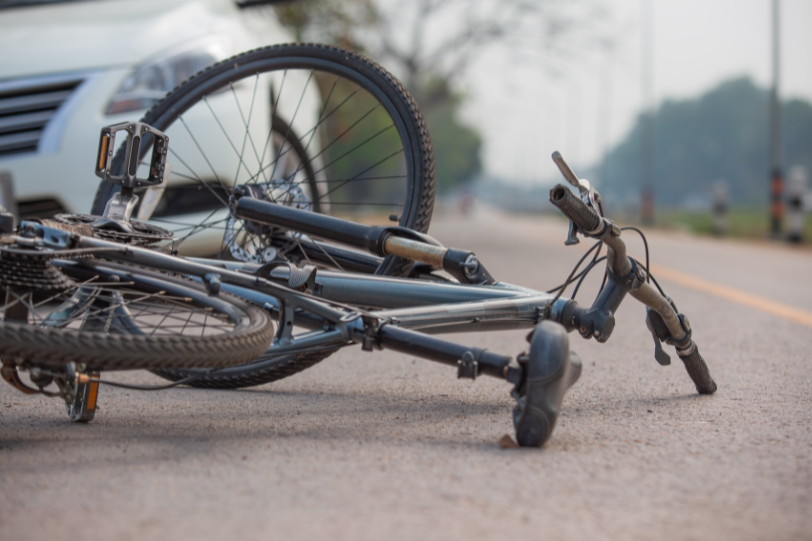
The physical toll of a dooring incident is rarely minor. Cyclists often make direct, unbraced contact with a rigid surface at high speed, or worse—are forced into the flow of traffic.
These are some of the injuries that frequently result from such collisions:
- Traumatic Brain Injury (TBI) – Head impacts door edge or pavement; helmets help, but don’t eliminate concussions or bleeds.
- Facial and Dental Trauma – Broken jaws, lost teeth, orbital fractures from windshield or A‑pillar hits.
- Clavicle and Shoulder Fractures – Common as riders instinctively brace with extended arms.
- Thoracic and Abdominal Injuries – Door edge drives into ribs, lungs, spleen, or liver.
- Spinal Cord Damage – Sudden lateral rotation or flight onto the roadway causes vertebral fractures.
- Hand and Wrist Fractures – Bracing during a fall while gripping the handlebars at impact.
- Deep Lacerations – Glass shards and jagged metal tear skin; risk of nerve or tendon severance.
- Lower‑Extremity Crush Injuries – Legs trapped between door and bike frame; patella fractures, muscle tears.
- Road Rash and Degloving – Sliding after the initial hit abrades skin to muscle.
- Psychological Harm – PTSD, anxiety on city streets, and cycling avoidance.
Recovery may include surgical fixation, physical therapy, skin grafts, nerve repair, orthodontics, and mental health counseling.
Who May Be Liable?
In legal terms, liability isn’t always limited to the person who opened the door. Depending on the circumstances, responsibility may be shared by multiple parties, especially when commercial or municipal actors are involved. Possible liable parties include:
- Door‑Opening Occupant – State laws often cite an explicit duty: must not open the door into moving traffic. For instance, statutes like California Vehicle Code 22517 prohibit opening a car door on the side of moving traffic unless it’s “reasonably safe to do so and can be done without interfering with the movement of such traffic.” This law, echoed in various forms across the U.S., clearly places liability on the person opening the vehicle door—whether driver or passenger—if their actions create a hazard.
- Vehicle Owner or Employer – Employers may be liable under respondeat superior, a legal principle holding them responsible for their workers’ actions. If a commercial driver or employee opens a door unsafely while on the job, their employer could share liability.
- Ride‑Hail Companies – Liability varies; negligent training, failure to warn riders of danger, or app design that encourages curbside exits could all factor in. If a rideshare passenger opens a door without checking for cyclists, the company’s safety protocols—or lack thereof—may come into question.
- Commercial Fleet Managers – Double‑parked delivery vans pushing riders into an adjacent lane.
- Municipalities – Bike lanes placed wholly within the door zone, faded markings, or refusal to install buffers after a crash history.
- Property Managers – Outdoor dining structures or planters narrowing bike lanes, forcing proximity to parked cars.
- Vehicle Manufacturers – Door‑detector technology advertised but failing to alert occupants (emerging claim area).
- Helmet or Bike‑Component Makers – Secondary claims if straps fail or brakes malfunction, worsening injury severity.
What the Law Says About Dooring
Most states—and many city ordinances—make it a citable offense to open a vehicle door into moving traffic without first checking to see that it’s safe. The law is designed to protect all road users, including cyclists and motorcyclists, from sudden hazards. In practice, this means that if a driver or passenger fails to ensure the space is clear before opening their door, and a cyclist is injured as a result, that violation may help establish negligence.
Demonstrating that the at-fault party failed to check for approaching cyclists, or otherwise violated a dooring statute, can be crucial for injured bicyclists seeking compensation. The burden is on the person opening the door to show they acted with reasonable care—not the cyclist to prove they were watching for every possible hazard. And in some cases, additional parties beyond the door-opener may be named in a claim if their actions contributed to unsafe conditions.
Your Legal Options After a Dooring Accident
If you were injured in a dooring crash, the law offers multiple avenues to seek justice. Whether through negligence statutes, product liability, or claims against public entities, victims may recover damages for their injuries and losses. Legal strategies may involve:
- Negligence Per Se Under Traffic Code – Most states’ statutes make opening into moving traffic a citable offense; violation establishes breach.
- Common‑Law Negligence – Lack of reasonable care in checking mirrors, passenger instructions, or choosing safe drop‑off spots.
- Employer and Vicarious Liability – Commercial drivers or rideshare contractors acting within the scope of work.
- Product Liability – Malfunctioning door‑exit alert systems or bike‑equipment failures.
- Premises Liability – Curbside businesses or property owners narrowing the clear width, violating code setbacks.
- Municipal Claims – Dangerous bike‑lane design, absent buffer, ignored crash data; notice deadlines crucial.
- Dram‑Shop / Alcohol Server Liability – Rare, but overserved bar patrons who fling doors can create third‑party claims.
- Underinsured/Uninsured Motorist Coverage – Many auto policies cover cyclists; collects when the door‑opener has minimal insurance.
Statutes of limitations range from two to three years; municipal notices are as short as 60 days. Early counsel preserves surveillance and rideshare passenger info before it vanishes.
What to Avoid When Speaking With the Other Party’s Insurance
If you’re contacted by the driver’s or opposing party’s insurance company after a dooring incident, proceed with extreme caution. Insurers may seem friendly, but their questions are often designed to lessen their own responsibility.
Here’s what not to do:
- Don’t Provide Recorded Statements – You have no obligation to make statements or go “on the record.” Fact patterns can be twisted or used out of context later.
- Never Sign Medical Authorizations – These releases let insurers dig through your entire medical history, searching for unrelated conditions to undermine your claim.
- Avoid Discussing Injuries in Detail – Early conversations can be used to downplay or dispute injuries as details emerge. Only discuss specifics with your own attorney or healthcare providers.
Instead, refer all communications to your legal representative. This puts up a protective buffer and helps prevent any unintentional damage to your case.
Key Evidence in Dooring Accident Claims
Building a strong legal case depends heavily on securing time-sensitive evidence. Since rideshare apps anonymize passengers and footage gets erased fast, early action is vital.
Here’s the type of documentation that can make or break a dooring claim:
- Police Report with Specific Door‑Opening Violation – Cite statute; ensure officer lists occupant as at‑fault.
- Dash‑Cam, Body‑Cam, or Streetscape Video – Prove the door opened into the bike’s line first.
- Ride‑Hail Trip Data – Pickup/drop‑off timestamp, passenger identity, app instructions on safe exit.
- Vehicle Interior Sensors – New cars store door‑ajar signals; download via EDR tools.
- Witness Statements from Drivers Behind – They often see the entire maneuver.
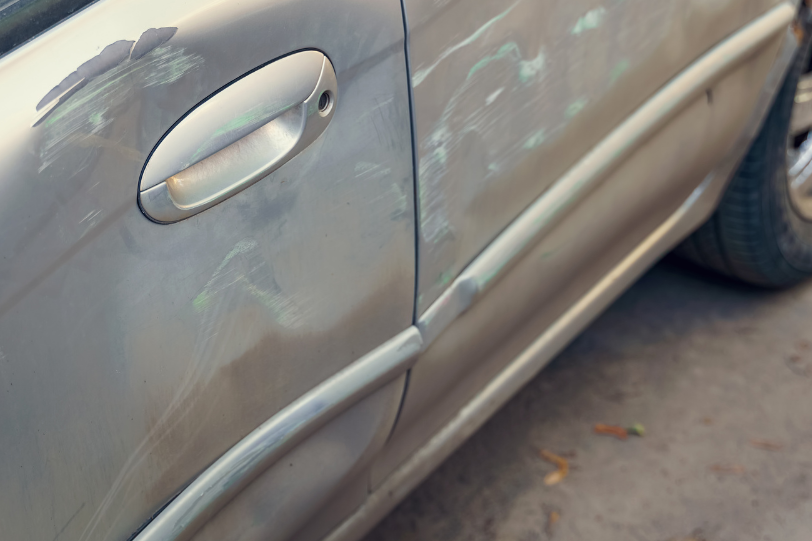
- Photographs of Door Damage and Bike Scrapes – Show impact height and force.
- Glass and Paint Transfer Samples – Forensic match to the rider’s clothing and bike.
- Medical Records – Helmet damage photos, orthopedic imaging linking trauma to lateral strike.
- Road Design Plans – Demonstrate lane within door zone, absence of buffer or flex‑posts.
- Delivery or Parking Logs – Prove chronic double‑parking forcing dangerous proximity.
The Injury Helpline lawyers quickly subpoena ride‑hail data and store CCTV before 72‑hour overwrite cycles.
Common Defenses and How to Fight Back in Dooring Cases
Defendants and insurers often use a set of familiar strategies to deny responsibility or minimize payouts in dooring cases.
Knowing these tactics in advance—and how to dismantle them with facts and legal precedent—is essential. Here’s what you may hear, and how to respond:
- Cyclist Too Close / Out of Bike Lane – In many states, riders may legally control the lane; design may force proximity. Counter with engineering analysis.
- No Contact—Rider Swerved and Fell – Liability stands if evasive maneuver caused crash; witness and bike‑computer data confirm braking swerve.
- Helmet Not Worn – Some states mandate helmet use; not wearing one might reduce damages.
- Comparative Fault for Speed – Reconstructionists show impact distance too short; occupant still violated the dooring statute.
- Unknown Passenger (Rideshare) – App records can help identify the passenger, and the company may share liability for inadequate safety prompts.
- Municipal Immunity – Negated by prior crash records, design‑manual deviations, or gross negligence.
Categories of Recoverable Damages
Injured cyclists may be entitled to compensation covering a wide range of losses—from the immediate aftermath to long-term rehabilitation. A successful claim can result in recovery across the following damage categories:
- Emergency Medical and Surgical Costs
- Rehabilitation and Prosthetics
- Future Care—Life‑Care Plans, Therapy, Adaptations
- Lost Wages and Diminished Earning Capacity
- Pain, Suffering, Emotional Distress, Loss of Enjoyment
- Property Replacement—Bicycle, Gear, Electronics
- Punitive Damages – For willful door flings, intentional harassment, or repeated double‑parking violations.
- Wrongful‑Death Awards – Funeral expenses, loss of companionship, and future earnings for families.
FAQs About Dooring Accidents
Even after the dust settles, cyclists often have pressing questions about their rights and next steps. These are some of the most frequently asked questions after a dooring accident—and what every rider should know:
- The driver claims I hit the door, not vice versa—does that matter? Statutes put the duty on the person opening the door to ensure it’s safe. The direction of impact rarely excuses their responsibility.
- Am I required to ride outside the door zone? Not always possible; many bike lanes occupy that space. Law recognizes rider’s right to lane control if safety dictates.
- Can I sue a rideshare passenger? Yes, and the rideshare company may share liability for failing to warn or unsafe drop‑off prompts.
- Police wrote no ticket—am I out of luck?No. Civil liability doesn’t require citation; private investigators and expert testimony can establish fault.
- How fast should I call The Injury Helpline? Immediately. Ride‑hail data vanishes quickly; car doors get repaired, wiping impact evidence. The Injury Helpline is open 24/7.
Safety Tips to Avoid Dooring Accidents
Prevention starts with awareness. Cyclists, drivers, and city planners all play a role in reducing the risk of dooring crashes.
These strategies and best practices can help avoid tragic encounters with suddenly opened doors:
- Ride Outside Door Zone – At least three feet from parked cars; take the lane if needed.
- Scan for Occupants – Look through rear windows for heads, brake lights, or movement.
- Use a Loud Bell – Alert passengers who crack doors slightly.
- Slow on Busy Corridors – Anticipate midday delivery vans and rideshare hotspots.
- Install a Rear‑Facing Mirror – See overtaking traffic before swerving.
- Advocate for Protected Lanes – Physical buffers eliminate door conflicts.
- Educate Drivers (“Dutch Reach”) – Promote far‑hand door opening to force mirror check.
- Use Daytime Running Lights – Increase visibility even in daylight.
Immediate Steps After a Dooring Crash
If you’ve just been hit by a door while riding, what you do next matters. Preserving evidence and seeking medical attention immediately can greatly affect your recovery and your legal outcome.
Take these critical steps right away:
- Call 911 – Request medical help; insist police document the dooring statute.
- Gather Occupant and Vehicle Info – License, insurance, plate, rideshare trip screenshot.
- Photograph Scene – Door position, bike damage, skid marks, lane markings.
- Collect Witness Contacts – Pedestrians, drivers, and delivery workers.
- Seek ER Evaluation – Even minor pain could hide fractures, photo wounds.
- Preserve Gear – Such as a cracked helmet, torn jersey, or smashed light..
- Avoid Social‑Media Admission – Insurers scour posts.
- Call The Injury Helpline – Evidence preservation letters, claim notices, and property‑damage assistance start immediately.
How The Injury Helpline Empowers Dooring Victims
The Injury Helpline offers more than legal advice—it’s a full recovery partner. From connecting you with attorneys who understand bike law to helping secure your damaged gear and treatment bills, here’s how we stand with victims of dooring accidents:
- 24/7 Human Response – Speak to a legal professional anytime.
- Free, Detailed Case Analysis – Negligence, municipal, rideshare, and product‑defect angles explored at no charge.
- Cycling‑Savvy Attorney Network – Lawyers who ride and litigate nationwide.
- Advanced Forensic Resources – High‑speed video, biomechanical experts, 3‑D crash animation.
- Contingency‑Fee Model – Pay nothing unless we secure compensation.
- Total Recovery Support – Medical‑lien reduction, bike‑repair reimbursement, structured settlement guidance, counseling referrals.
Dooring accidents highlight a painful truth: a painted bike lane is useless if one careless door swing can shatter a cyclist’s life. When motorists, passengers, delivery services, and city planners ignore clear hazards, riders pay with broken bones, lost income, and shaken confidence. These crashes are preventable and compensable.
If you’ve been doored, time is not your friend. Evidence evaporates, passengers disappear, and insurers pounce. The Injury Helpline, open around the clock for a free consultation, stands ready to link you with attorneys who know bike law, street design, and the tactics insurers use to downplay your suffering. Together, we’ll secure the funds you need to mend your body, replace your gear, and ride again—while pushing streets and corporate policies toward a future where a simple door no longer divides life from death.