

Understanding Fireworks Accidents and Their Dangers
A fireworks accident encompasses any incident in which fireworks, ranging from small firecrackers to elaborate pyrotechnic displays, cause injuries or property damage. While fireworks often symbolize celebration and festivity, mishandling or defective products can lead to explosions, errant projectiles, and severe harm. Victims commonly suffer burns, lacerations, hearing damage, or even traumatic amputations if the blast is powerful enough.
Firework accidents may occur in a variety of contexts: backyard celebrations, large-scale public shows, private gatherings, or sporting events. They can stem from user negligence (like lighting firecrackers too close to people), improper storage, design flaws, or inadequate supervision at public displays. Liability disputes in such cases can prove complex, as multiple parties—manufacturers, property owners, and event organizers—might share responsibility depending on how and why the fireworks malfunctioned or were misused.

Real-Life Examples of Fatal Fireworks Accidents
To illustrate just how serious fireworks accidents can be, consider several tragic incidents from recent years. For instance, around Independence Day festivities, there have been cases where individuals—sometimes children—were fatally injured due to the improper or illegal use of fireworks. One incident involved a man who lost his life after attempting to ignite banned pyrotechnics, with authorities finding him unresponsive and unable to be revived.
In another heartbreaking example, a child suffered fatal injuries from commonly available consumer fireworks. Despite immediate medical attention, the child did not survive en route to the hospital, a sobering reminder that even so-called “safe and sane” fireworks can prove deadly in the wrong circumstances.
Elsewhere, an 18-year-old sustained catastrophic burns while handling fireworks and ultimately succumbed to his injuries following emergency treatment. Such explosions can cause not only burns but also devastating trauma to the hands, face, and upper body.
There are also instances where severe limb injuries, such as traumatic amputations, occur, sometimes requiring swift action from first responders to transport injured body parts for potential surgical reattachment. These real-life tragedies underscore that fireworks, when mishandled or defective, pose life-altering or fatal risks, regardless of age or experience.
Trends in Fireworks-Related Injuries
Recent data from the U.S. Consumer Product Safety Commission (CPSC) underscores a concerning pattern: injuries attributed to fireworks have been steadily climbing over the past several years. In fact, projections show a notable 25% increase in fireworks-related injuries nationwide between 2006 and 2021.
To put that into perspective, CPSC reported that in a single year alone, thousands of individuals required medical attention due to firework accidents. For example, 2021 saw at least nine fatalities and approximately 11,500 people hurt in such incidents. While the numbers fluctuate annually, the overall trajectory points to growing risks—prompting heightened awareness and stricter safety measures across the country.
Current Statistics on Fireworks-Related Injuries in the United States
Recent data underscores a troubling upward trend in fireworks-related injuries across the nation. According to figures compiled by the U.S. Consumer Product Safety Commission (CPSC), the frequency and severity of these accidents have notably increased over the past decade and a half.
Between 2006 and 2021, the number of reported fireworks injuries climbed by roughly a quarter. In 2022 alone, emergency departments treated an estimated 10,200 individuals for injuries directly related to fireworks incidents. The prior year saw similarly sobering numbers: at least nine fatalities were linked to illegal or improper fireworks use, and approximately 11,500 people suffered harm ranging from burns and lacerations to serious trauma.
A closer look at the data exposes some clear patterns:
- Demographics: Males consistently make up a majority of those injured—nearly 60% of cases, according to annual estimates.
- Injury locations: Hands and fingers are especially vulnerable, accounting for more than half of reported injuries, while legs and eyes are also frequently affected. Eye injuries alone comprise about 1 in 5 incidents, highlighting the potential for lasting vision loss.
- Product types: Accidents are not limited to large-scale pyrotechnics; popular consumer items like sparklers, bottle rockets, and Roman candles regularly contribute to injury tallies.
These statistics, corroborated by organizations such as the National Fire Protection Association (NFPA), emphasize both the widespread use of fireworks and the all-too-common risks they carry—especially when handled by individuals without adequate safety knowledge or precautions.
Common Situations Where Fireworks Accidents Happen
Firework-related injuries are not confined to a single environment; they arise whenever and wherever pyrotechnics are launched. Some prevalent scenarios include:
- Backyard Celebrations
Informal gatherings around national holidays (e.g., July 4th, New Year’s Eve) often feature fireworks. Inexperienced users lighting powerful explosives—sometimes illegally—heighten the risk of unexpected blasts and injuries. - Public Events and Stadium Shows
Large, professionally staged displays usually come with strict safety protocols. Yet, oversights in crowd control or defective shells can lead to misfires, showering spectators with embers or debris. - Street-Facing Celebrations
Fireworks lit on public roads or sidewalks can ricochet off buildings, passersby, or vehicles. Bystanders, especially children, may stand perilously close to sparklers or aerial projectiles. - Festival Booths and Amateur Competitions
Temporary stalls selling fireworks might store them improperly or fail to verify consumer safety knowledge. Meanwhile, homemade or experimental fireworks in “friendly competitions” can lead to severe mishaps. - Concerts and Nightclub Pyrotechnics
Indoor pyrotechnics without robust ventilation or far enough distances from patrons risk flash fires. Historic tragedies demonstrate how quickly such an environment can become fatal if sparks reach flammable materials.
Immediate Steps for Fireworks-Related Eye Injuries
Fireworks can be thrilling, but they also pose serious risks. If an eye injury does occur, swift and careful action is crucial. Here’s a concise plan to ensure safety until professional help is obtained:
- Stay Calm and Assess: Begin by ensuring the injured person remains calm, as panic can make the situation worse.
- Do Not Touch or Rub: Avoid touching or rubbing the injured eye. This could worsen the injury or embed foreign objects further.
- Shield the Eye: Gently cover the affected eye with a clean, soft cloth. If available, you can also create a protective barrier using an eye shield or the bottom of a paper cup.
- Avoid Self-Removal: Do not attempt to remove any objects that may be lodged in the eye. This requires professional medical intervention to avoid further damage.
- Seek Professional Help: It’s critical to get medical attention immediately. Eye injuries can be severe, and prompt treatment can help prevent long-term damage.
Additional Precautions
- Refrain from Applying Pressure: Ensure no pressure is applied to the eye. This includes avoiding tight bandages or wraps.
- Do Not Use Ointments or Drop Liquids: Applying ointments or any liquid can cause more harm than good and should be strictly avoided unless directed by medical personnel.
By following these steps, potential damage can be minimized until a healthcare professional can take over. Remember, fireworks are best enjoyed from a safe distance and with the necessary precautions to prevent accidents like these.
Why Sparklers Are Especially Dangerous for Children
Sparklers, often seen as harmless fun, actually pose several risks, particularly for young people. One of their primary hazards is the high temperature at which they burn. Sparklers can reach astonishing temperatures of up to 2,000 degrees Fahrenheit. This is hot enough to melt some metals, highlighting the potential for serious injury.
Children, who are naturally curious and less cautious, are especially susceptible to accidents involving sparklers. Hand injuries are the most common, as kids tend to hold them with small, delicate hands. This can lead to severe burns, scars, or even permanent damage such as loss of limbs or blindness if not handled properly.
Statistics reveal that individuals under the age of 20 face the highest risk when it comes to firework-related injuries. Moreover, boys are nearly twice as likely to get injured compared to girls. The combination of high temperatures and children’s lack of awareness about the potential dangers makes sparklers a significant safety concern. Ensuring strict supervision and educating children about the risks can help mitigate these dangers.
How Fireworks Can Cause Serious Harm
Despite their festive nature, fireworks pack significant explosive power. Injuries generally result from:
- Thermal Burns
Contact with hot sparks or embers can produce first- to third-degree burns, common on hands, arms, or faces if people handle fireworks improperly or stand too close when they ignite. - Blast Pressure
The shockwave from an accidental explosion can knock individuals off their feet, fracture bones, or cause internal injuries, including organ rupture or traumatic brain injuries from impact. - Projectiles and Shrapnel
Fireworks that break apart unpredictably launch fragments at high velocity, leading to lacerations, deep tissue penetration, or eye injuries if shards strike unprotected faces. - Smoke and Toxic Inhalation
Pyrotechnic chemical compositions can irritate or inflame airways. Dense smoke in enclosed areas (like clubs or under large tents) exacerbates breathing difficulties and potential lung harm. - Hearing Damage
Firework blasts can be loud enough to cause permanent hearing loss.
In the most severe cases, fireworks can cause traumatic amputations (if a device explodes while they hold it), disfiguring facial injuries, or extensive burns requiring reconstructive surgery. Quick medical response is crucial, as neglected cuts or burns risk infection and complications.
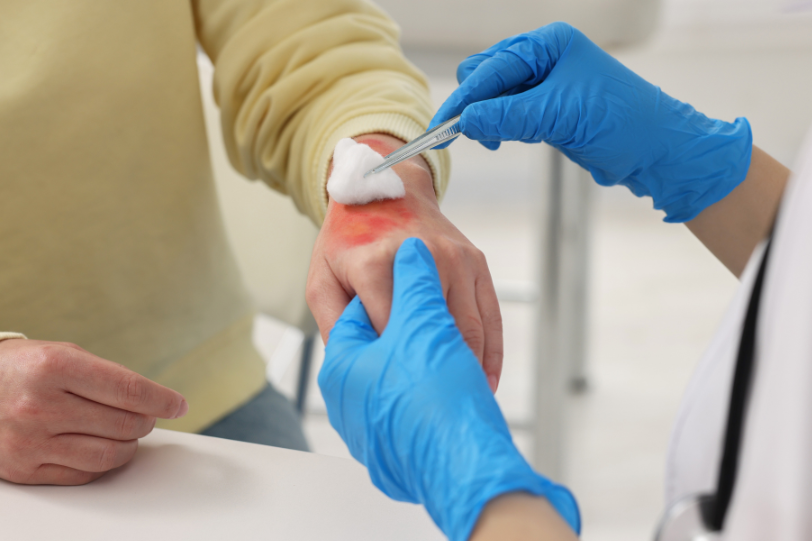
Medical Consequences and Treatments for Fireworks Injuries
Injuries from fireworks accidents can be extensive, demanding specialized interventions:
- Burn Care
Skin grafts, debridement, and advanced wound dressings help manage second- and third-degree burns. Pain management and infection prevention remain significant concerns. - Surgical Reconstruction
Blast injuries or severed digits may require reconstructive surgery, prosthetics, or lengthy physical rehabilitation to restore function and appearance. - Eye Damage
If fragments or sparks strike the eye, victims could need delicate surgeries, ranging from corneal repairs to lens replacements. Blindness, partial or full, can stem from severe trauma. - Hearing and Neurological Assessments
Hearing specialists assess damage like ringing or loss of hearing. Neurologists assess any traumatic brain injuries (TBIs) triggered by blasts or flying debris. - Emotional and Psychological Support
Unexpected explosions and life-altering scars contribute to PTSD, depression, or anxiety. Counseling or support groups often aid survivors’ emotional recovery.
Legal Liability in Fireworks Accidents
When fireworks injure unsuspecting people, liability concerns may arise:
- Product Liability
If a firework malfunctions due to design flaws or substandard manufacturing, the product’s maker could face strict liability claims. Plaintiffs must demonstrate that the item was unreasonably dangerous despite normal use. - Negligence by Operators or Organizers
Individuals setting off fireworks must follow local safety rules, keep bystanders at safe distances, and ensure protective measures. Failing to do so can result in personal injury lawsuits for foreseeable harm. - Premises Liability
Hosts or property owners holding fireworks displays owe guests a duty of care. If they ignore basic safety guidelines—like restricting crowd proximity—they may be liable for injuries on their land. - Municipal or Agency Fault
At public festivities, local authorities or event planners might neglect to establish cordoned-off areas or fail to store fireworks properly, risking blasts that harm onlookers. - Statutory Regulations
Various states/cities restrict certain firework types or require specialized permits. Violating these regulations might bolster claims of negligence if injuries result from illegal or unpermitted usage.
Possible Compensation for Victims
Through personal injury lawsuits or insurance claims, fireworks accident survivors often seek:
- Medical Bills: Covering burn treatments, surgeries, therapy sessions, prosthetics, and mental health counseling.
- Lost Wages: Time away from work for hospital stays, recovery, or permanent job displacement.
- Pain, Suffering, and Emotional Distress: Recognizing the significant physical agony, scarring, or psychological trauma from blasts.
- Rehabilitation and Future Care: If injuries impose lingering disability, settlements or verdicts may include projected medical needs or long-term caretaker expenses.
- Wrongful Death: Families of those killed by explosions might pursue funeral costs, lost income, the decedent would have earned, and damages for loss of companionship.
Establishing negligence or product defects generally demands expert analysis—fire investigators, engineering specialists, or safety inspectors can confirm what caused the device to misfire or whether safety measures were overlooked.
Why Accurate Injury Documentation Matters in Fireworks Accident Claims
A strong injury claim begins with meticulous recordkeeping. When a fireworks mishap causes burns, trauma, or other losses, thorough documentation serves as the bedrock for any future legal or insurance pursuit.
Detailed medical records capture not just the immediate injuries, but also chart how those wounds evolve—requiring surgeries, ongoing therapy, or psychological support. Insurers and opposing parties will often scrutinize every claim, so having hospital reports, physician notes, and rehabilitation logs can mean the difference between fair compensation and a denied case.
Consistent and comprehensive medical documentation helps prove:
- Causation: Showing your injuries directly resulted from the fireworks incident rather than a preexisting issue.
- Severity and Scope: Detailing the full extent of harm, from emergency treatment to long-term impacts, which supports requests for adequate compensation.
- Treatment Progress: Recording follow-up visits, recovery milestones, or setbacks adds credibility, especially when negotiating settlements or arguing before a jury.
A robust paper trail—including photographs, discharge summaries, medication lists, and expert evaluations—not only strengthens a personal injury or premises liability claim, it reduces the risk of disputes or delays down the road. For injured parties, investing time in gathering and updating this evidence is crucial for safeguarding their legal rights and maximizing possible recovery.
Five Key Questions About Fireworks Accidents
- Am I liable if someone gets hurt by fireworks on my property? Potentially, yes. If you host or allow a fireworks display without proper precautions (safe distances, adult supervision, and local permits), you could be sued under premises liability laws.
- Are store-bought fireworks automatically safe? Not necessarily. Even commercial, legally purchased fireworks can be defective or mislabeled. Product liability suits may arise if they unexpectedly detonate or deviate from the labeled instructions.
- Is the user always at fault if they misuse fireworks? Misuse does indicate partial or entire user error. However, if the fireworks lacked sufficient safety warnings or had design flaws, a product manufacturer could still share blame.
- Can I file a claim if local authorities hosted the fireworks and something went wrong? You may. Government or municipal entities might face liability, though they often enjoy certain immunities or notice requirements. An attorney can clarify if exceptions apply.
- How does The Injury Helpline assist with minor fireworks injuries? The Injury Helpline is available 24/7 to provide a free consultation and connect people nationwide to personal injury lawyers who evaluate any injury magnitude, minor or catastrophic.
Why Firework Accidents Continue to Happen
Despite public awareness campaigns, many factors fuel ongoing fireworks mishaps:
- Lax Enforcement: Some areas rarely enforce restrictions on powerful or illegal fireworks, emboldening reckless usage.
- Underestimation of Risk: Individuals treat fireworks casually, like harmless toys, and fail to appreciate their explosive properties.
- Production Issues: Cheap or counterfeit fireworks from disreputable sources may skip quality checks or have mislabeled instructions, raising malfunctions.
- Alcohol and Celebrations: Holidays often see intoxicated revelers lighting fireworks unsafely, ignoring safe distances and designated zones.
- Improvised Modifications: People modify fireworks, bundling them together to amplify the effect, resulting in unpredictable blasts.
Greater regulation, public education, and consistent caution remain essential to minimizing injuries.
The Role of an Attorney in Fireworks Accident Cases
Hiring skilled legal counsel soon after a fireworks accident can significantly bolster victims’ rights:
- Investigating the Scene
Lawyers may partner with fire investigators or pyrotechnics specialists to analyze whether a device malfunctioned, was stored incorrectly, or was used improperly. - Evidence Preservation
Physical remains—shell casings, partially exploded fireworks, or burn patterns—can vanish quickly. Attorneys request timely preservation to determine the cause and potential product defects. - Identifying All Liable Parties
A single incident might implicate manufacturers, distributors, event organizers, or property owners. Comprehensive identification expands possible compensation sources. - Insurance Coordination
Multiple coverages—homeowner’s policies, product liability, or event insurance—may all be relevant. Lawyers help identify responsible parties and pursue all viable avenues. - Negotiation and Litigation
If negotiations falter, attorneys file lawsuits, arguing negligence, premises liability, or product liability. They use depositions, expert testimony, and will fight to recover fair compensation..
How to Ensure a Safe Fireworks Display at Home
Hosting a fireworks display at home can be a thrilling experience, but safety should be your top priority. Here are some crucial tips to help prevent accidents and ensure a memorable yet secure event:
- Keep Children at a Safe Distance: Fireworks should never be handled by children. Ensure that they are at a safe distance from the launching area.
- Have Safety Tools Ready: Always have a fire extinguisher, bucket of water, or garden hose nearby in case of an emergency.
- Appoint a Responsible Adult: Designate a sober adult to handle and ignite all fireworks. This person should be knowledgeable about the fireworks being used and aware of safety protocols.
- Avoid Relighting “Duds”: If a firework fails to ignite, do not attempt to relight it. Wait 20 minutes and then soak it in water to prevent any accidental ignition.
- Mind Your Surroundings: Fireworks should be lit in clear, open areas far from homes, dry leaves, and flammable materials like trees and bushes.
- Proper Disposal: Once a firework has burned out, douse it with water to completely extinguish it before disposing of it in a trash bin.
Steps to Take If You’re Injured in a Fireworks Accident
Immediate action can protect your health and strengthen any eventual legal claims.
- Seek Medical Attention
Burn injuries—particularly to hands, faces, or eyes—merit prompt care. Debris-driven cuts or embedded fragments may need specialized treatment. - Call Emergency Services
Reporting the incident ensures official documentation. Fire departments or police might determine if fireworks were legal, properly used, or stored. - Preserve Evidence
If safe, gather fragments of fireworks, packaging, or leftover “cakes” to confirm any manufacturing flaws. Take pictures or videos of scorch marks, wrappers, or the burn site. - Collect Witness Information
Eyewitnesses can testify about how the fireworks were ignited, which safety measures were (or weren’t) used, and whether any devices malfunctioned mid-display. - Avoid Quick Settlements
Organizers or small vendors might offer informal settlements that may undervalue the injury. Consulting an attorney first prevents underestimating the extent of injuries or long-term rehab costs. - Contact a Lawyer
Fireworks claims often blend premises liability with potential product defects. Legal specialists navigate these complexities, helping ensure fair compensation.
The Injury Helpline: 24/7 Free Consultation and Nationwide Attorney Connections
In the wake of a fireworks accident, The Injury Helpline provides critical support:
- Constant Accessibility: Firework mishaps rarely occur during regular business hours. The Injury Helpline’s 24/7 availability promises immediate advice.
- No Upfront Costs: Partner attorneys typically operate on a contingency, meaning no fees unless you secure compensation. The Injury Helpline’s consultation is free, removing cost barriers.
- Broad Coverage: State laws on fireworks differ widely. The Injury Helpline connects you with legal professionals adept in your region’s codes, insurance practices, and fireworks regulations.
- Customized Referrals: Each incident—be it a small family gathering gone wrong or a large-scale festival fiasco—may require an attorney with specialized knowledge. The Injury Helpline matches your needs accordingly.
- Ongoing Guidance: Beyond connecting you to counsel, The Injury Helpline remains accessible if you need follow-up resources, clarifications, or updates about your case.
Firework accidents underscore the dual nature of pyrotechnics: instruments of awe-inspiring displays and celebrations that also harbor explosive dangers. Carelessness, defective manufacturing, or inadequate crowd supervision can transform a festive moment into one marked by burns, lacerations, or catastrophic injuries. Recovery often entails extensive medical work—skin grafts, reconstructive procedures, or long-term rehabilitation—while emotional scars persist for both victims and witnesses.
Common Injuries from Firework Accidents
While most fireworks injuries are non-fatal, their severity can be life-altering. Serious burns are the most frequent, accounting for more than a third of all incidents. Beyond burns, fireworks can cause:
- Deep bruises, bumps, and lacerations
- Broken bones and fractures
- Loss of fingers or hands
- Permanent scarring
- Hearing damage or complete hearing loss
- Traumatic brain injuries
- Psychological trauma that can linger long after physical wounds heal
- Accidental death
Hands and fingers are particularly vulnerable, but fireworks don’t discriminate—head, face, eyes, ears, and legs are all at significant risk. The consequences can be as devastating as they are unpredictable, with some celebrations turning tragic: during Fourth of July festivities in 2023 alone, eight lives were lost nationwide, five due to misuse.
Establishing legal responsibility may involve analyzing fireworks design, event safety protocols, or property owner duties. Injured individuals can potentially recover compensation for medical bills, lost income, and the deep mental toll. Engaging skilled legal counsel soon after an incident helps protect important evidence early on. and that multiple coverage or liability avenues are explored. For immediate assistance,
The Injury Helpline operates 24/7, offering a free consultation and matching victims nationwide with personal injury lawyers prepared to handle the complexities of fireworks accident claims. Armed with professional representation, survivors can better safeguard their rights, pursuing appropriate compensation on the road to physical and emotional recovery.