

What Happens in a Head-On Collision?
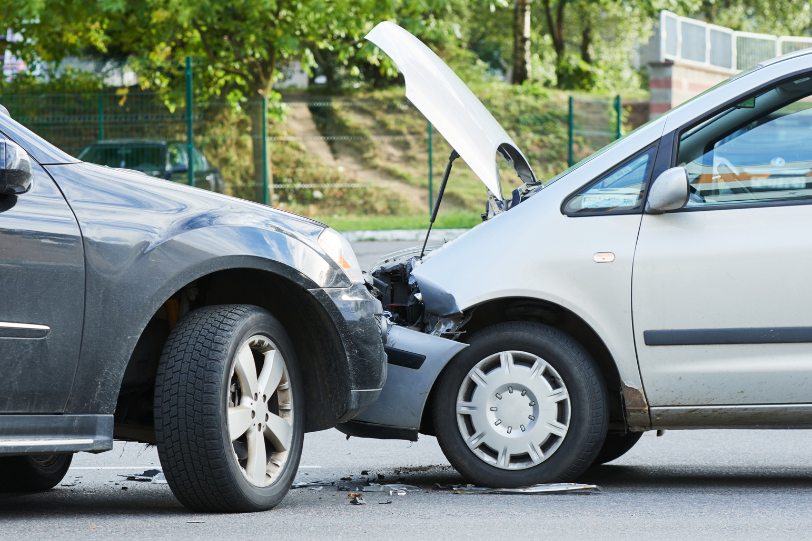
A head-on collision is among the most violent and dangerous types of traffic accidents, occurring when two vehicles moving in opposite directions crash front-first into each other. These collisions frequently happen on two-lane roads that lack center dividers or median barriers, although wrong-way driving on multi-lane highways can also result in head-on impacts.
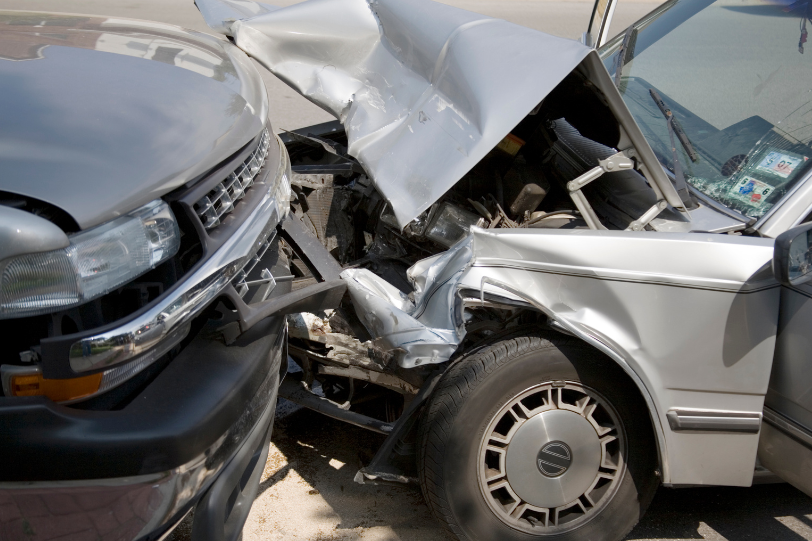
While not as common as rear-end or side-impact crashes, head-on collisions are far more likely to cause devastating injuries or fatalities. The sheer force involved—even at moderate speeds—can cause catastrophic harm. Seat belts, airbags, and vehicle crumple zones play a role in saving lives, but they’re often not enough. Understanding how these accidents happen and what legal options are available is critical for victims and their families.
Leading Causes of Head-On Crashes
Though every accident has unique circumstances, head-on collisions often trace back to several recurring behaviors or environmental risks. These causes reflect a mix of human error, poor judgment, and infrastructure limitations.
Common contributors include:
- Distracted driving: A brief glance at a phone or GPS screen can be enough for a driver to veer into oncoming traffic.
- Impaired driving: Alcohol, drugs, or even prescription medications can impair judgment and motor control, leading to wrong-way entries or dangerous drifting.
- Speeding and illegal passing: High-speed driving, especially on narrow or winding roads, reduces reaction time and increases the odds of a head-on crash when overtaking improperly.
- Driver fatigue: Tired drivers may fall asleep at the wheel or lose focus long enough to cross the center line. Commercial drivers and shift workers are particularly susceptible.
- Adverse weather and poor visibility: Rain, fog, snow, and darkness can obscure lane markings and make it harder to stay in one’s lane.
- Hazardous road design: Missing guardrails, faded paint lines, or blind curves can increase collision risks, especially on rural roads.
- Mechanical failure: Issues such as tire blowouts or brake malfunctions can cause drivers to lose control and veer into the path of oncoming vehicles.
Even drivers who obey the law and exercise caution can find themselves in harm’s way if another motorist makes a sudden, dangerous mistake.
How Common Are Head-On Collisions?
Statistically, head-on crashes represent a small percentage of overall accidents. However, they account for a disproportionate number of traffic fatalities. The physics of two moving vehicles colliding head-to-head multiplies the impact force, increasing the likelihood of life-altering or fatal injuries.
Notable patterns in head-on collision data:
- Rural roads: These accidents occur more frequently on two-lane rural highways, where there are no barriers and passing zones may be poorly marked.
- Night driving: Reduced visibility and fatigue after dark contribute to a higher rate of wrong-way or drifting incidents.
- Speed as a factor: While lower-speed head-on crashes do happen, such as in city streets or parking lots, most involve vehicles traveling at moderate to high speeds, which dramatically increases injury severity.
- Injury profile: Survivors often suffer from serious trauma, including broken bones, spinal cord injuries, traumatic brain injuries (TBI), and internal organ damage.
Safety officials have long warned about these dangers, and some progress has been made through awareness campaigns and improved road design. Still, too many collisions occur each year, often with tragic consequences.
Legal Complications Following a Head-On Crash
The aftermath of a head-on collision typically involves a complex web of legal, financial, and medical concerns. From police investigations to insurance claims, many parties become involved, each with their own priorities.
What typically happens next:
- Law enforcement investigations: Officers assess the crash scene, interview witnesses, take measurements, and may test drivers for impairment.
- Insurance negotiations: The insurer of the at-fault driver is generally responsible for covering damages. However, determining fault can be difficult, especially when multiple drivers are involved or liability is contested.
- Criminal charges: If one of the drivers was impaired or driving recklessly, they could face criminal prosecution for offenses such as DUI, reckless endangerment, or even vehicular homicide.
- Comparative fault issues: In states that apply comparative or contributory negligence laws, compensation may be reduced if the injured party shares some blame.
- Multi-victim claims: Serious collisions often involve several passengers or bystanders. When multiple claims arise from one incident, settlement negotiations can grow complicated quickly.
Given these variables, it’s often in the victim’s best interest to consult legal counsel early, especially when injuries are serious or fatal.
Who Might Be Liable in a Head-On Collision?
Determining liability in a head-on crash isn’t always straightforward. While the driver who crosses into the opposite lane is typically presumed at fault, other parties may bear legal responsibility depending on the circumstances.
Commonly liable parties include:
- Negligent drivers: The person who caused the crash through distraction, intoxication, speeding, or other dangerous behavior is usually the primary defendant.
- Commercial entities: If the at-fault driver was operating a work vehicle, their employer may share legal responsibility under vicarious liability laws.
- Government or municipal agencies: Poor road design, inadequate signage, or failure to maintain lane markings can expose public entities to claims, though these cases require quick legal action due to shorter deadlines.
- Automotive manufacturers or repair shops: If a mechanical failure (such as brake failure or tire blowout) contributed to the accident, product liability or negligence claims may apply.
An experienced attorney will know how to identify all possible sources of liability, which can be critical in recovering full compensation.
Your Legal Rights: Types of Compensation Available
Survivors of head-on crashes often face long recovery periods, overwhelming medical costs, and emotional distress. Families who lose a loved one may suffer profound financial and emotional harm. Fortunately, legal claims allow injured parties to seek compensation through personal injury or wrongful death lawsuits.
Recoverable damages may include:
- Medical expenses: Hospitalization, surgery, rehabilitation, medications, and future medical needs.
- Lost wages: Compensation for time missed at work and diminished future earning capacity.
- Pain and suffering: For both physical pain and emotional trauma following the crash.
- Property damage: Vehicle repair or replacement and other related costs.
- Wrongful death damages: Funeral expenses, loss of income, loss of companionship, and other costs incurred by surviving family members.
- Punitive damages: In rare but severe cases, courts may award additional damages to punish reckless or malicious behavior, such as driving drunk.
The amount and type of compensation vary by case, but working with a qualified legal team is often essential to securing a fair outcome.
Frequently Asked Questions About Head-On Collisions
- Is the person who crosses the center line always at fault?
Not always. While they’re usually presumed at fault, contributing factors—like swerving to avoid debris or vehicle malfunctions—can shift or share liability. - Can I still file a claim if I was partially at fault?
In many states, yes. Under comparative negligence rules, your compensation may be reduced in proportion to your fault, but you’re not necessarily barred from recovering damages. - What if the other driver doesn’t have enough insurance?
You may be able to recover through your own uninsured/underinsured motorist policy. If you don’t have this coverage, your attorney might explore personal assets or third-party claims. - Could a government agency be responsible?
Potentially. Poor road design, missing signage, or dangerous curves can create liability. However, these cases have strict filing deadlines and require thorough investigation. - Does The Injury Helpline only help with major crashes?
No. Whether you experienced minor injuries or catastrophic harm, The Injury Helpline can connect you to experienced attorneys capable of handling cases of any severity.
Why Head-On Collisions Happen—and How to Prevent Them
Preventing head-on collisions requires both personal responsibility and systemic safety improvements. Even experienced drivers can find themselves in dangerous situations due to lapses in attention or poor road conditions.
Root causes include:
- Road design issues: Lack of physical medians, inadequate signage, or sharp blind turns create high-risk zones.
- Human error: Distractions, fatigue, or impaired judgment are recurring contributors to these violent crashes.
- Environmental factors: Fog, darkness, and glare reduce visibility and increase reaction times.
- Vehicle issues: Sudden equipment failures—like tire blowouts or faulty steering—can cause loss of control.
Greater investment in technology, such as lane-departure warnings and autonomous emergency braking, can also reduce these incidents. Still, immediate improvements like rumble strips and median barriers remain highly effective on a broader scale.
How a Personal Injury Lawyer Can Help After a Head-On Collision
Recovering from a head-on crash is rarely simple. Victims must deal with insurance companies, medical treatment plans, and—often—physical or emotional trauma. A seasoned attorney can provide the clarity and support needed to navigate this process successfully.
Key ways a lawyer helps:
- Accident investigation: Attorneys work with crash reconstructionists to determine exactly how the collision occurred.
- Insurance advocacy: Legal experts negotiate with insurers to ensure that victims are not lowballed or blamed unfairly.
- Calculating damages: Lawyers consult medical and financial experts to estimate both current and future costs, especially in serious injury cases.
- Identifying liable parties: When multiple factors or defendants are involved, attorneys know how to build comprehensive claims.
- Litigation support: If negotiations break down, experienced attorneys are prepared to go to trial to protect their client’s rights.
Legal support isn’t just about filing paperwork—it’s about restoring stability, dignity, and hope during a difficult time.
What to Do After a Head-On Collision
Immediate decisions can impact your long-term well-being and legal case. If you’re involved in a head-on crash:
- Call 911: Ensure police and emergency responders are on their way. A detailed crash report is essential.
- Get medical care: Seek treatment even if you feel fine. Many serious injuries aren’t immediately apparent.
- Document the scene: Take photos, gather witness info, and note weather or road conditions.
- Avoid discussing fault: Do not admit blame or speculate. Let the facts and evidence speak for themselves.
- Contact your insurer: Inform them of the incident but consult a lawyer before giving recorded statements.
- Consult an attorney quickly: Early legal help ensures that evidence is preserved, deadlines are met, and your rights are protected.
The Injury Helpline: Nationwide Support for Collision Victims
The Injury Helpline is a nationwide platform designed to connect head-on collision victims with seasoned attorneys, often at no cost for the referral. We prioritize offering straightforward assistance so you can focus on recovery.
- Immediate Guidance
Our staff can advise on first steps, from seeking necessary medical care to documenting evidence that could fortify your claim. - Free Attorney Referrals
We work with lawyers across the country who understand state-specific traffic rules and head-on collision dynamics, ensuring robust representation for your case. - Tailored to Your Needs
Each accident is different. We match you with legal professionals skilled in dealing with your particular injuries, potential defendants, and local court processes. - No Obligation
Once connected, you decide whether or not to hire the attorney we recommend. Our primary role is to facilitate connections that empower you to make informed decisions. - Ongoing Assistance
Even after we refer you, we remain available if you have further questions or need additional resources. Head-on collisions can trigger lengthy medical and legal challenges, and we aim to support you throughout.
A head-on collision can change your life in seconds. From physical injuries to emotional scars, the effects are often long-lasting. But you don’t have to face this journey alone.
Whether you’re recovering in a hospital bed, helping a loved one through rehabilitation, or mourning a tragic loss, legal support is a vital part of securing the resources needed to rebuild.
The Injury Helpline stands ready to connect you with attorneys who know the legal landscape, understand insurance tactics, and are committed to protecting your future. Take action now—and get the legal clarity and confidence you deserve.
The Injury Helpline provides nationwide support by connecting you to attorneys knowledgeable in collision litigation who can navigate complex claims, negotiate with insurers, and—when necessary—litigate vigorously on your behalf. By securing the right guidance early, you stand the best chance of obtaining justice, easing financial burdens, and ultimately focusing on the healing process.