

What Happens in a Hit and Run Accident?
When a driver causes an accident and then leaves the scene without fulfilling their legal responsibilities, it’s classified as a hit-and-run. These incidents can range from high-speed collisions on busy roads to less obvious encounters, like a parked car being sideswiped in a lot, only for the responsible party to drive off unnoticed. Whether the victim is another motorist, a pedestrian, or even a property owner, the law takes these acts seriously.
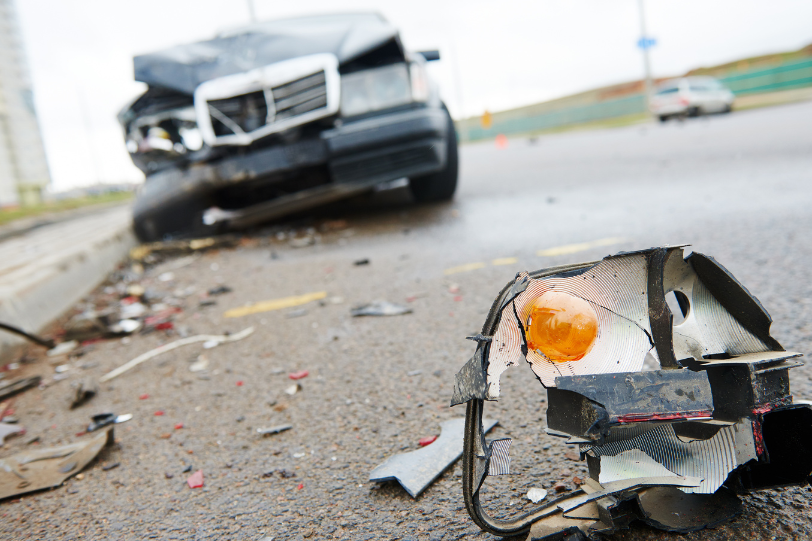
In every U.S. jurisdiction, drivers involved in accidents are generally required to stop, check for injuries, exchange contact and insurance information, and report the crash to authorities if there are injuries or substantial property damage. When someone flees instead, they’re violating these obligations—and potentially facing criminal charges.
Hit-and-run accidents are more common than many people realize, and the aftermath can be confusing and emotionally overwhelming. Victims are often left not only with physical injuries or vehicle damage but also with a deep sense of injustice, especially if the at-fault driver is never found.
Why Do So Many Drivers Flee the Scene?
Fleeing after a crash may seem unfathomable, but many drivers who commit hit-and-runs do so out of fear, confusion, or desperation. Common reasons include:
- Legal jeopardy – Drivers under the influence or with suspended licenses may panic at the thought of being arrested.
- Uninsured status – Knowing they lack coverage, some motorists flee to avoid financial or legal consequences.
- Stolen vehicles – Individuals driving stolen cars may disappear quickly to avoid compounding criminal charges.
- Panic or disorientation – In the chaotic moments after an accident, even a normally responsible person might make an irrational decision to leave.
None of these reasons justify fleeing the scene, but understanding the motivations can help contextualize why these incidents continue to occur despite strict penalties.
The Prevalence of Hit-and-Run Accidents
Across the country, hit-and-run collisions have become increasingly common. Studies from traffic safety agencies show a troubling rise over the past decade, affecting communities from densely populated cities to remote highways. These incidents create not only logistical and emotional burdens for victims but also public safety challenges for first responders and investigators.
Local governments and law enforcement agencies have responded with awareness campaigns, anonymous tip lines, and surveillance initiatives. Still, many hit-and-run cases go unsolved—leaving victims to navigate recovery without closure or clear accountability.
Legal Consequences for Drivers Who Flee
Leaving the scene of an accident can lead to serious legal repercussions, including both criminal and civil penalties. The nature and severity of the punishment often depend on the details of the incident:
-
Criminal consequences – If injuries or fatalities occur, the fleeing driver may face felony charges, prison time, and steep fines. Even in property-only damage cases, hit-and-run is typically classified as a misdemeanor with potential jail time and license suspension.
-
Civil liability – Victims can pursue civil lawsuits for compensation. This includes medical bills, vehicle repairs, lost wages, and non-economic damages like emotional distress. In some jurisdictions, courts may even award punitive damages in especially egregious cases.
Importantly, these consequences apply whether or not the driver is eventually caught. If they are identified, they may face both criminal prosecution and a personal injury claim.
How Can a Personal Injury Attorney Help You?
Many people wonder why they should involve a personal injury attorney, especially in hit-and-run cases where the identity of the at-fault driver may be unknown. The reality is that legal representation can significantly improve your ability to receive fair compensation. Below are key ways that a personal injury lawyer can support you through this process:
- Conducting a Comprehensive Investigation
Without the other driver’s cooperation, you will likely need an intensive investigation to gather crucial evidence, such as witness statements, surveillance footage, and accident reconstruction analysis. A skilled attorney has resources and networks to carry out an in-depth inquiry more efficiently than a victim acting alone. - Navigating Insurance Complexities
Insurance policies, especially those involving coverage for uninsured or underinsured motorists, can be dense and confusing. An attorney understands the nuances of these policies. They can examine your coverage, identify potential hurdles, and ensure that insurers meet their obligations instead of unfairly denying or minimizing your claim. - Proving and Quantifying Damages
Even if fault is not in question, you must still prove the extent of your damages. This may involve documenting both current and anticipated medical needs, lost wages, projected loss of earning capacity, psychological trauma, and more. Your attorney will gather necessary records, consult medical experts, and build a clear understanding of your losses to present during negotiations or in court. - Protecting Your Rights and Meeting Legal Deadlines
Each state sets specific deadlines—known as statutes of limitations—for filing personal injury lawsuits (check your state’s current statute of limitations, as these laws can change). Failing to meet these time limits can forever bar you from pursuing compensation. An attorney can help ensure you meet all legal deadlines, file proper paperwork, and maintain compliance with complex procedural rules. - Negotiating and Litigating
Insurance companies often try to settle quickly and for the lowest amount possible. A personal injury lawyer will negotiate firmly on your behalf. If the insurer refuses a fair settlement, your attorney can file a lawsuit and present your case in court, working to secure a fair resolution.
Ultimately, the complexities of a hit-and-run case warrant professional guidance. Having a qualified personal injury attorney means you have someone dedicated to protecting your interests every step of the way.
Common Reasons Drivers Flee the Scene
Beyond the legal violations, it’s useful to understand why drivers leave the scene in the first place. While fear of repercussions and lack of insurance are significant factors, other motivations include:
- Outstanding Warrants: Individuals with existing legal issues might consider the risk of being detained too great.
- Suspended or Revoked Licenses: Drivers whose licenses are already invalid could panic, believing a traffic stop might lead to arrest or more severe penalties.
- Overwhelming Anxiety: Even fully licensed and sober drivers can experience intense emotional distress immediately after a crash. In a moment of panic, they might make an impulsive decision to drive away.
No matter the reason, these motivations do not absolve any driver of liability. If identified, they face severe criminal, civil, and financial repercussions.
Why Legal Help Matters After a Hit and Run
The legal and insurance landscape surrounding hit-and-run accidents is often complex and emotionally charged. A personal injury attorney brings both legal knowledge and practical experience to help navigate this terrain. Their role may include:
- Conducting an in-depth investigation – Attorneys often collaborate with private investigators, accident reconstruction experts, or video analysts to uncover leads or strengthen a claim.
- Managing insurance communications – From interpreting policy terms to handling difficult adjusters, legal professionals know how to challenge denials and avoid lowball settlements.
- Documenting your losses – A lawyer helps quantify the impact of the accident, including current medical bills, long-term treatment needs, and emotional trauma.
- Meeting procedural deadlines – Each state enforces time limits for filing claims. Missing one can jeopardize your entire case, which is why legal support from day one matters.
- Litigating when necessary – If a fair settlement isn’t offered, attorneys are prepared to take the case to court to fight for rightful compensation.
Hiring an attorney ensures that your rights are protected while you focus on recovery.

Steps to Take Immediately After a Hit and Run
What you do in the minutes and hours following a hit-and-run can make a critical difference in your ability to recover—physically, emotionally, and financially. These steps can help preserve evidence and protect your legal rights:
- Get to safety and call for help. Prioritize medical attention. Call 911 if injuries are present or if property damage is substantial.
- Remain at the scene. Chasing the other driver could endanger you or complicate the investigation.
- Record what you remember. Details like license plate numbers, car make and model, or distinguishing features may aid investigators.
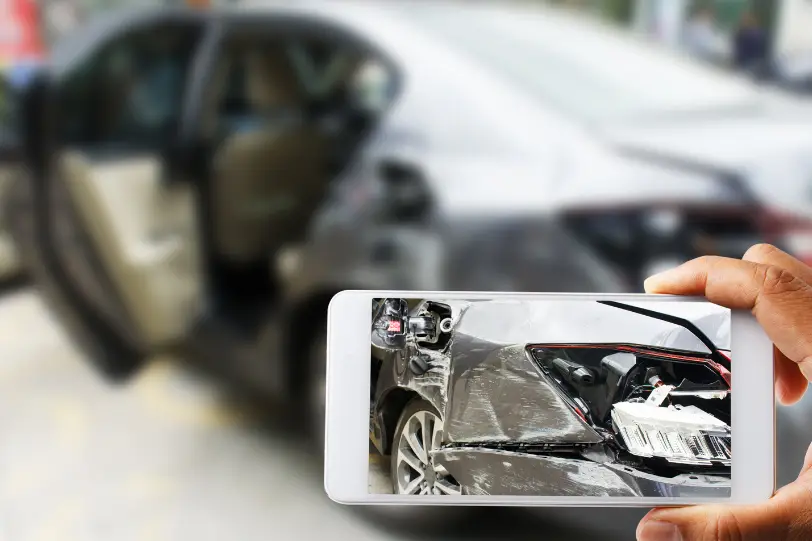
- Document the scene. Use your phone to take photos of your injuries, vehicle damage, and surrounding conditions, including skid marks and traffic signs.
- Find witnesses. Collect names and contact details of anyone nearby who saw the crash.
- File a police report. This creates an official record and may help initiate a search for the fleeing driver.
- Notify your insurer. Many policies require prompt reporting, even when the other driver is unknown.
- Consult an attorney. Professional legal advice helps secure evidence, interpret your policy, and pursue your best legal options.
Possible Forms of Compensation After a Hit-and-Run
The losses from a hit-and-run accident can be substantial. If you pursue legal action—either through your own insurer or against the identified driver—these are common forms of compensation:
- Medical treatment costs – Emergency care, surgery, physical therapy, medications, and follow-up appointments.
- Lost income – Reimbursement for time missed at work or reduced ability to earn.
- Property damage – Repair or replacement of your vehicle and other damaged belongings.
- Pain and suffering – For ongoing physical discomfort, trauma, or reduced quality of life.
- Future earnings loss – Applicable when injuries lead to permanent limitations.
- Wrongful death damages – In fatal cases, families may seek compensation for funeral expenses and loss of support.
- Punitive damages – In some states, especially for reckless or egregious behavior, may warrant additional financial penalties against the driver.
Challenges in Collecting Compensation
Even with a clear-cut injury, certain hurdles can delay or reduce your claim’s value. Victims commonly encounter:
- An unknown or uninsured driver – Without a known party to sue, UM coverage becomes vital—but not always easy to obtain.
- Insurance disputes – Carriers may challenge the severity of your injuries or argue that you contributed to the accident.
- Policy limits – If damages exceed the other driver’s coverage (or your own UM/UIM policy), full compensation can be difficult.
- Litigation risks – Legal action can take months or years, and outcomes are never guaranteed.
Having an experienced attorney to guide you through these complexities can improve your likelihood of success and reduce the stress of managing a claim alone.
How a Lawyer Can Support Your Hit-and-Run Case
A specialized attorney can handle the complexities of these claims and alleviate much of the stress that victims experience. Their responsibilities include:
- Case Evaluation
Determining whether there is a viable claim and explaining the potential outcomes, timelines, and strategies to the client. - Evidence Gathering
Working with investigators to collect police reports, medical records, eyewitness statements, or camera footage, such as security or traffic cameras, that may have captured the accident. - Insurance Negotiations
Communicating with adjusters and presenting comprehensive evidence to ensure that insurers cannot deny or underpay valid claims. - Filing Lawsuits and Court Representation
If negotiations fail, the attorney can initiate a lawsuit, handle all procedural aspects, and advocate before a judge or jury. - Client Advocacy
An attorney acts as your representative and adviser, ensuring you make informed decisions and remain updated on any developments in your case.
Nationwide Legal Support: The Injury Helpline
The aftermath of a hit-and-run accident can be financially and emotionally overwhelming. The Injury Helpline provides a nationwide service to connect you, at no cost, with a personal injury attorney who understands state-specific laws, insurance regulations, and local court procedures. Here’s how we help:
- Immediate Consultation
When you reach out, our trained staff can offer initial guidance. If you need urgent medical attention, we will encourage you to seek care first while we identify legal options on your behalf. - No-Fee Attorney Matching
We maintain a comprehensive network of attorneys across the United States with extensive experience in personal injury law, including hit-and-run accidents. Our service is free; we connect you to a qualified lawyer in your area. - Flexible Payment Arrangements
Most personal injury lawyers work on a contingency fee basis. You won’t pay attorney’s fees unless you win your case or obtain a settlement. This model helps make legal representation more accessible to victims of hit-and-run accidents, often without upfront costs. - Ongoing Support
Even after you’ve been connected with an attorney, we remain available should you have additional questions or need further assistance. Our goal is to ensure that you feel informed and supported throughout the legal process.
FAQ: Hit and Run Legal Questions
- What if the driver is never identified?
You may still file an uninsured motorist claim through your policy. A lawyer can help uncover other compensation options. - Is it safe to chase a fleeing driver?
No. Prioritize safety and call the police. Document any identifying information you can. - Will my premiums increase if I file a claim?
It’s possible, depending on your insurer and state laws. Your attorney can help you weigh options. - Can I sue if I’m not badly injured?
Yes. Even property damage claims can be valid, but the cost-benefit of legal action depends on the situation. - How long do I have to file a claim?
Statutes vary by state, typically 1–4 years. Some claims against municipalities require action within 30–180 days. Speak to a lawyer immediately to preserve your rights.
What to Remember About Hit and Run Cases
- What Is a Hit and Run?
A hit and run occurs when a driver involved in an accident flees the scene without meeting legally required duties, such as offering aid, sharing contact information, or notifying law enforcement. - How Can a Personal Injury Attorney Help You?
Attorneys skilled in personal injury law can thoroughly investigate your case, negotiate with insurance companies, and advocate for your financial and emotional well-being, whether the driver is found or not. - Nationwide Assistance
No matter where you live or where the accident occurred, The Injury Helpline is here to help you connect with a lawyer free of charge. This approach ensures you have the tools and knowledge necessary to pursue just compensation. - Act Quickly
Seek medical care, document what happened, file a police report, and consider speaking with an attorney as soon as possible.
When you reach out to The Injury Helpline, you take the first step in asserting your rights and seeking fair compensation. Although the legal path can be complex, especially in hit-and-run scenarios, you do not have to walk it alone. With the right support, you can focus on healing and rebuilding your life, knowing that an experienced legal team is working diligently to secure the outcome you deserve.