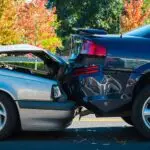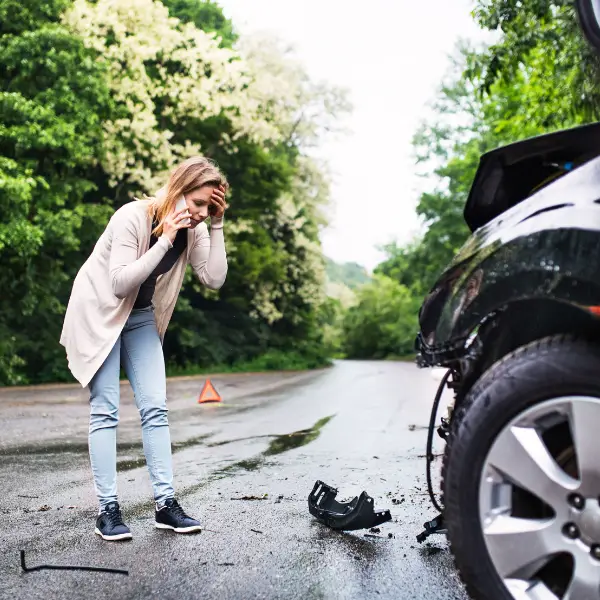

Being the victim of a hit-and-run accident can be an extremely stressful experience. Dealing with the aftermath can also be challenging, especially if the person who caused the accident has left the scene.
We will provide a comprehensive overview of the critical steps you must take after a hit-and-run accident to protect your interests and increase your chances of finding the at-fault driver and receiving compensation for your damages.
Understanding Hit-and-Run Accidents
A hit-and-run accident occurs when a driver is involved in a collision—whether with another vehicle, a pedestrian, or another valuable object—and then leaves the scene without fulfilling their legal obligations. These obligations include providing personal identification and insurance information to the involved parties.
Key Characteristics of a Hit-and-Run:
- Failure to Stop: The driver does not remain at the scene of the accident.
- No Exchange of Information: The driver leaves without exchanging contact and insurance details.
- Variety of Incidents: It can range from a minor event like a scratch in a parking lot to more serious cases involving injury or fatality.
Legal Implications
Across many states, it’s illegal to abandon the scene of an accident. This holds true for everyone involved, even if you are not at fault. The legal system treats hit-and-run as both a criminal and a civil offense, with penalties that can include fines, license suspension, and even imprisonment.
Importance of Legal Help
Given the potential complexities and consequences involved in a hit-and-run situation, consulting with an experienced car accident attorney can be crucial. Whether you are seeking damages or need to defend yourself, professional legal guidance can navigate the intricacies of the law and help protect your interests.
How a Hit-and-Run Can Affect Your Driving Record and Insurance
Being involved in a hit-and-run can have lasting consequences on both your driving history and your wallet. When your insurance steps in to cover damages—especially if the other driver can’t be identified—the incident may be recorded as an at-fault claim.
This means:
- The accident could stay on your driving record for up to five years, depending on your state’s regulations.
- Insurance companies often view at-fault claims unfavorably, which could result in increased premiums for several years following the incident.
Even if you’re not responsible for the accident itself, the hit-and-run classification might still impact your rates and record, simply because the insurer can’t recover costs from the other party. It’s important to speak with your insurance provider for guidance on how your specific policy handles hit-and-run claims and what you might expect moving forward.
Can Single-Vehicle Accidents Be Hit-and-Runs?
You might be surprised to learn that not all hit-and-runs involve two cars on a busy street or a pedestrian on the sidewalk. In fact, even single-vehicle accidents can fall under the hit-and-run umbrella if the driver leaves the scene without taking responsibility.
For example, if a driver crashes into a tree, a guardrail, or even a parked car in a lot and then takes off without notifying the owner or reporting the incident, it’s still considered a hit-and-run in most states. The same applies if you veer off the road to avoid an animal or swerve because of a sudden obstacle, and then exit the scene without following legal protocols.
The bottom line: Whether or not anyone else is directly involved, you are usually required to report the accident and provide the necessary information. Leaving without doing so could result in serious legal consequences.
Who Are the Most Common Victims in Hit-and-Run Accidents?
It may be alarming to realize how frequently hit-and-run accidents occur, and unfortunately, their consequences are often severe—especially for society’s most vulnerable road users.
Pedestrians consistently make up a significant proportion of hit-and-run victims, suffering thousands of injuries and fatalities each year. Cyclists also face considerable risk, frequently involved in collisions that result in both serious injury and death. Motorcyclists are another group particularly exposed in these events. Compared to occupants of larger vehicles, these individuals often endure the worst outcomes because they have little physical protection.
To put this in perspective, federal reports from agencies such as the National Highway Traffic Safety Administration highlight these troubling trends:
- Pedestrians bear a large share of hit-and-run fatalities and injuries annually.
- Cyclists: Experience thousands of injuries and hundreds of lives lost in these crashes.
- Motorcyclists also appear frequently among the lists of serious injuries and deaths resulting from hit-and-runs.
These statistics underscore why it is essential to stay vigilant—both as a driver sharing the road with vulnerable users, and as a pedestrian or cyclist navigating busy streets.
1. Stay at the scene and call the police
Your first reaction may be to pursue the fleeing driver, but that could jeopardize your safety and potentially complicate your insurance claim or legal case. Instead, stay at the accident scene and notify the police immediately.
According to the National Highway Traffic Safety Administration, hit-and-run accidents account for over 6% of all traffic fatalities, underscoring the seriousness of such incidents. Suppose you report the incident to the police immediately. In that case, they can start an investigation immediately and document the incident, which can help find the person who caused the accident.
Why Do Drivers Leave the Scene of a Hit-and-Run Accident?
Every hit-and-run incident is unique, but common threads exist in the motivations behind a driver’s decision to flee.
- Panic and Impulsivity
In the heat of the moment, especially for inexperienced drivers, panic can override logic. This impulsive reaction often leads to fleeing. - Fear of Legal Repercussions
The prospect of facing a personal injury lawsuit can be daunting for many. Some drivers choose to escape rather than confront this possibility head-on. - Driving Under the Influence
Intoxicated drivers are acutely aware of the severe penalties they may incur. To avoid these consequences, they might make the split-second choice to leave the scene. - Lack of Insurance
Operating a vehicle without the necessary auto insurance is illegal. Drivers in this situation may opt to run to avoid being caught. - Invalid Licenses and Stolen Vehicles
Whether it’s driving without a valid license or in a stolen car, individuals in these situations are keenly aware of the significant legal trouble they face and often choose to abscond. - Outstanding Warrants or Immigration Concerns
Some drivers have broader legal issues, such as outstanding warrants or immigration status concerns. The fear of arrest or deportation significantly influences their decision to flee. - Unaware of the Accident
Believe it or not, there are instances where drivers genuinely do not realize an accident has occurred. This is more common in cases like hitting a pedestrian or causing minor damage.
In summary, the decision to leave the scene usually stems from apprehension about potential economic or legal consequences. Understanding these factors can provide insight into the mindset of those who commit hit-and-run offenses.
2. Gather information and document the scene
The more information you can provide, the better your chance of identifying the responsible party. If you could catch a glimpse of the other vehicle, note details such as make, model, color, and, if possible, license plate number. Also, take photos of the accident scene, including the damage to your vehicle, the location, and any relevant road conditions or signs. If there were any witnesses to the accident, collect their contact information and accounts of the incident.
Witness statements can be crucial in hit-and-run cases, help confirm your version of events, and potentially identify the at-fault driver. To maximize their effectiveness, take proactive steps immediately following the incident.
- Locate Witnesses: Begin by knocking on nearby doors. Residents or employees in the area might have seen the accident unfold and can provide valuable information.
- Check for Security Cameras: Survey the vicinity for security cameras, such as those in parking lots or businesses. These cameras may have captured footage of the accident, offering a visual account of the events.
- Act Quickly: Time is of the essence. Some CCTV systems overwrite their recordings every 24 hours, so it’s imperative to secure footage as soon as possible.
- Document Witness Accounts: Ask witnesses to write down their observations and sign the statement. This documentation can be a critical piece of evidence in your case.
Taking these steps can significantly strengthen your case by providing a clearer picture of the incident and supporting your claims with tangible evidence.
The Role of Speeding in Hit-and-Run Accidents
Speeding is a significant contributor to the severity and frequency of hit-and-run incidents. When a driver exceeds the speed limit, not only does the risk of being involved in a collision increase, but the aftermath tends to be far more devastating. Data from the National Highway Traffic Safety Administration shows that accidents involving speeding frequently result in both fatalities and serious injuries. In these high-stress moments, speeding drivers are more likely to panic and flee the scene, hoping to evade detection and potential legal consequences.
Simply put, driving too fast not only makes a crash more likely but also magnifies the temptation—and the stakes—for a driver to leave the scene without taking responsibility.
Which States See the Most—and Least—Hit-and-Run Accidents?
When it comes to where hit-and-run accidents are most prevalent, there are some clear patterns across the United States. States like New Mexico, Louisiana, and Florida experience the highest rates of these incidents, making them hotspots for drivers skipping out after a crash. In contrast, states such as New Hampshire, Maine, and Minnesota report some of the lowest hit-and-run rates in the country. This regional variation highlights just how much your location can play a role in your risk for being involved in a hit-and-run.
3. Notify your insurance company
Report the hit-and-run accident to your insurance company as soon as possible. The Insurance Information Institute recommends reporting hit-and-run accidents promptly, as many insurance policies cover uninsured or underinsured motorists. Such coverage can help you recover costs if the at-fault driver cannot be determined. Some insurance companies require that hit-and-run accidents be reported within a certain period to qualify for coverage.
To ensure you’re fully covered, it’s crucial to examine your insurance policy carefully. Look for clauses like “Notification and Cooperation,” which may obligate you to report the accident promptly regardless of liability. Consulting with a lawyer can help you identify and understand these critical provisions.
Be aware that insurance companies might look for loopholes to avoid paying claims. Being informed about your policy terms and ready to challenge unfair denials can protect your financial interests. In cases where the driver is never found, having a clear understanding of your coverage and fulfilling all policy requirements is key to securing compensation.
How Long Do You Have to Report a Hit-and-Run Accident?
When involved in a hit-and-run accident, it’s crucial to act promptly. The best practice is to report the incident to the authorities as soon as possible. This urgency helps in accurately documenting the details of the event and aids in any investigation.
If you find the process daunting, consider consulting with a legal expert. They can guide you through the reporting procedure, ensuring compliance with all state regulations and helping to streamline the process.
Understanding Collision Insurance for Hit-and-Run Accidents
When you’re dealing with the aftermath of a hit-and-run accident, the details of your insurance coverage can be crucial. Collision insurance is designed to cover repairs to your vehicle, without regard to who was at fault in the accident—this includes situations like hit-and-runs.
Here’s a closer look at how it works:
- Coverage: Collision insurance typically takes care of damages to your car resulting from an accident, whether it’s another vehicle or an object. This holds true even if the other driver flees the scene.
- Deductibles: Most collision policies require you to pay a deductible before the insurance kicks in. This is an upfront cost that you’ll need to settle for the repairs to your vehicle.
- Insurance Claim Process: When filing a claim for a hit-and-run under collision coverage, you’ll need to provide as much information as possible. It’s helpful to gather details like time, location, and any witness statements to support your claim.
4. Seek medical attention
Whether you believe your injuries are minor or severe, seeking medical attention immediately after a hit-and-run accident is essential.
This is to ensure your well-being and create a medical report that links your injuries to the accident. Such documentation could be crucial in a personal injury claim or lawsuit.
5. Consult with an Experienced Injury Lawyer
Dealing with the aftermath of a hit-and-run accident can be complicated and stressful. This is where an experienced personal injury attorney can provide invaluable assistance. They can guide you through the complex process of dealing with insurance companies, help investigate the incident, and explore all potential options for compensation. Their expertise can be crucial in protecting your rights and getting the compensation you deserve.
Understanding Victim Compensation Funds in Hit-and-Run Cases
Victim compensation funds are financial resources provided by the state to assist individuals who suffer from crimes, including hit-and-run accidents. These funds are particularly vital when the at-fault driver is either unidentified or lacks adequate insurance.
How Do Victim Compensation Funds Work?
- Eligibility: To access these funds, victims typically need to meet specific criteria set by the state. Proof of the incident and a lack of compensation from other insurance may be required.
- Application Process: Victims usually need to apply through a formal process, which can involve submitting police reports and medical documentation to substantiate claims.
- Coverage: These funds aim to alleviate financial burdens by covering expenses like medical bills, lost wages, and sometimes therapy costs resulting from the accident.
Benefits in a Hit-and-Run Scenario
In a hit-and-run accident, the opportunity to recover compensatory damages is often limited when the responsible party cannot be located. Victim compensation funds can provide a crucial source of relief. They help ensure victims are not left entirely unsupported financially due to the recklessness or negligence of drivers who evade responsibility.
If you find yourself in such a situation, consulting with a legal professional can guide you through the eligibility and application steps, maximizing your access to available resources.
How Requiring Compensation as a Condition of Probation Aids in Hit-and-Run Cases
In a hit-and-run incident, locating the responsible driver and securing a conviction is just the beginning. A significant aspect of the legal proceedings can involve making financial restitution a precondition for the offender’s probation. Here’s how it benefits the victim:
1. Ensures Accountability and Restitution
- By mandating compensation, the court holds the driver accountable, making sure they directly address the harm done.
- The compensation received can cover medical expenses, property damage, and other related costs, thus alleviating the victim’s financial burden.
2. Provides Legal and Financial Leverage
- When restitution is tied to probation, it provides a strong incentive for the offender to comply, knowing non-payment could lead to incarceration.
- This legal leverage ensures that victims are more likely to receive owed compensation in a timely manner.
3. Focuses on Financial Viability
- The option is tailored to cases where offenders have the means to contribute a significant amount towards the victim’s claim, ensuring realistic enforcement of the condition.
By integrating restitution with probation, the legal system not only punishes the wrongdoer but also secures tangible benefits for those affected, promoting a sense of justice and closure in the aftermath of such incidents.
6. Sharing information with the police
If you learn new information about the hit-and-run driver or the accident, inform the police immediately. This may include recent witness statements, surveillance footage, or other evidence that could help identify the person who caused the accident.
Dealing with the aftermath of a hit-and-run accident can be overwhelming, but taking these essential steps and consulting with an experienced injury attorney can protect your rights and increase your chances of receiving fair compensation. We will put you in contact with injury attorneys for a free consultation to provide support and guidance as you navigate the challenges of a hit-and-run accident.