

What Are Snow-Ice Slip-and-Falls?
A snow-ice slip-and-fall occurs when someone loses footing on slick winter surfaces—compacted snow, black ice, slush, or meltwater—and suffers an injury after hitting the ground or nearby objects. These incidents are especially common in colder months and often happen outside homes, in parking lots, on steps, or even indoors where snow gets tracked in and re-freezes. The suddenness of these falls and the hard, frozen terrain mean injuries are often serious: fractured hips, torn ligaments, concussions, or worse.
Legally, these cases fall under premises liability. Whether the property belongs to a homeowner, a business, or a municipality, there’s often a duty to remove snow and ice in a reasonable timeframe. That window—and what qualifies as “reasonable”—varies by state or city. But if a fall happens because someone failed to shovel, salt, or warn pedestrians, the victim may be entitled to compensation for medical expenses, missed work, and pain and suffering.
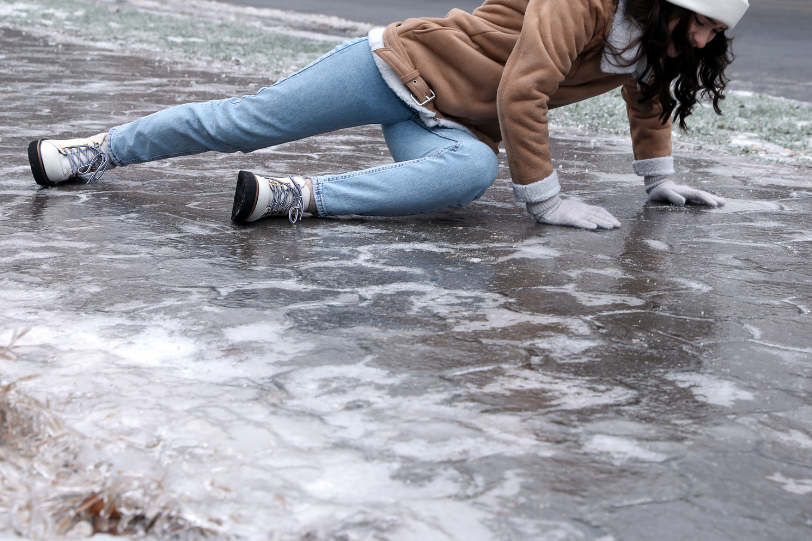
Why Winter Surfaces Are So Treacherous
Unlike typical wet floors, winter walking conditions pose unique challenges. Ice and snow dramatically reduce traction, even for careful walkers in proper footwear. Sometimes the danger is invisible—black ice can look like dry pavement. In other cases, slush from sunny afternoons re-freezes at night, creating fresh hazards for morning walkers. Snow piles might block drainage or hide uneven pavement. And during active storms, fresh accumulation can bury cleared paths, requiring repeat attention that many property owners fail to provide.
Poor lighting, shifting temperatures, and surface wear only add to the danger. Without active snow removal and maintenance, outdoor surfaces become accident zones.
Common Causes of Winter Slip-and-Falls
Some winter hazards crop up again and again in personal injury claims:
- Uncleared sidewalks and stairs, where snow compacts into ice under foot traffic.
- Icy parking lots, especially in between parked cars where plows miss and owners neglect salting.
- Roof runoff, which re-freezes near entrances, forming slippery streaks exactly where people step first.
- Sloped surfaces, like driveways and ramps, where even light snow can send people sliding.
- Tracked-in meltwater, which re-freezes on indoor tiles near store entrances.
- Blocked drainage, as plowed snow piles up and prevents melt from flowing properly.
- Burned-out exterior lights, which make it impossible to spot black ice or surface changes in early evening hours.
Injuries That Frequently Result
Falls on frozen surfaces tend to do more damage than summer spills. The combination of slick footing and unyielding concrete often leads to:
- Hip and pelvic fractures, especially dangerous for older adults.
- Broken wrists and arms, from bracing during a fall.
- Knee ligament injuries, like ACL or meniscus tears caused by twisting.
- Spinal compression, from harsh vertical impacts.
- Concussions and head trauma, especially when a person strikes the curb or stairs.
- Shoulder dislocations often occur from catching oneself on a rail or during awkward landings.
- Frostbite or hypothermia, in cases where victims lay injured outdoors in freezing temperatures.
Treatment for these injuries is rarely simple. It might include surgery, rehab, medication, mobility aids, or long-term therapy, often leading to five-figure medical bills.
Hidden Fractures: Why Not All Injuries Show Up Right Away
Some fractures from icy falls can be surprisingly sneaky. Certain bones, like those in the wrist near the thumb (the navicular or scaphoid) or areas around the elbow—don’t always reveal breaks on early X-rays. Even with pain or swelling, the break might remain invisible for several weeks after the accident.
These “hidden fractures” happen because:
- Small bones sometimes crack along lines that don’t immediately disrupt the bone’s shape.
- Swelling or overlapping soft tissue can blur the injury’s outline.
- Some fractures, such as hairline or “chip” breaks, only show up as healing begins or as symptoms persist and repeat scans are ordered.
This means persistent discomfort after a winter fall shouldn’t be ignored. If pain lingers, follow up with a doctor, additional imaging or repeat X-rays may be needed later to catch what’s hiding beneath the surface. Early diagnosis makes a huge difference for recovery and can prevent long-term joint problems.
Legal Liability and Winter Responsibility
Laws differ by location, but certain themes apply across snow and ice cases. Property owners are generally expected to use reasonable care in maintaining their premises. That might mean shoveling within hours after snow ends, salting icy steps, or posting “wet floor” signs where melt collects indoors.
Liability can depend on:
- Notice: Whether the owner knew or should’ve known about the hazard.
- Timing: Courts often apply an “ongoing storm” rule, where owners aren’t expected to clear snow mid-blizzard—but must act soon after it stops.
- Comparative negligence: Defendants may argue the injured person wore poor footwear or ignored visible warnings. Some states reduce payouts if the victim is partly at fault.
- Municipal immunity: For city-owned sidewalks or public buildings, there are often tight deadlines (sometimes as little as 30 days) for filing claims.
- Contractor liability: Snow removal companies can also be sued if their work is negligent or incomplete.
Strong Evidence That Builds Your Case
After a fall, gathering clear proof helps strengthen a claim. Valuable evidence includes:
- Photos showing untreated ice, lack of salt, or poor lighting, especially taken right after the incident.
- Certified weather data, documenting when snow stopped falling.
- Maintenance logs, which can show whether salting or plowing was done, or skipped.
- Witness statements, especially from others who saw or experienced the hazard.
- Surveillance footage, often available at commercial properties.
- Incident reports, formally filed with the store or property manager.
The more immediately this evidence is secured, the better. Snow melts, footage gets deleted, and witnesses move on—so time matters.
What You Might Recover in a Claim
If someone else’s neglect caused your winter fall, you may be entitled to compensation, including:
- Medical expenses for hospital visits, surgeries, medications, and therapy.
- Ongoing care costs, including in-home aides or future procedures.
- Lost wages, and future income if the injury limits work capacity.
- Pain and suffering, both physical and emotional.
- Out-of-pocket losses, like broken phones or transportation costs.
- Wrongful death compensation, in cases where a fall proves fatal.
Quick Answers to Common Snow-Ice Injury Questions
- How long does someone have to clear snow after a storm?
It depends—some cities give four hours post-snowfall, others until the next morning. Local laws matter. - Can I sue if I slipped on invisible black ice?
Yes, if the area wasn’t treated or sanded. Ice is predictable in winter—failure to salt may still be negligent. - What if I was wearing slick shoes?
That may reduce your compensation but won’t always erase the owner’s liability—especially if the hazard was dangerous and unmarked. - Is “ongoing storm” always a valid excuse?
Not always. Some businesses must still post warnings or treat high-traffic areas during a storm. - My injury is mild—can I still get help?
Absolutely. Even small sprains can turn serious. The Injury Helpline offers free 24/7 consultations to assess every valid claim.
Smart Winter Walking Tips
To reduce your risk:
- Wear proper boots with tread or cleats.
- Take small, flat-footed steps on icy surfaces.
- Use handrails, especially on outdoor stairs or ramps.
- Keep hands free—don’t carry heavy bags that throw off balance.
- Look ahead, watching for shiny spots or blocked drains.
- Report icy areas, so others don’t get hurt and your action is documented.
What to Do If You Fall on Ice
- Seek medical care right away, even if you think you’re fine.
- Photograph the scene, capturing surface conditions and lighting.
- Collect witness info, especially if others saw you fall.
- File an incident report with store staff or building management.
- Keep your shoes and clothes, especially if they show salt or residue.
- Contact a lawyer quickly, especially if public property is involved—deadlines come fast.
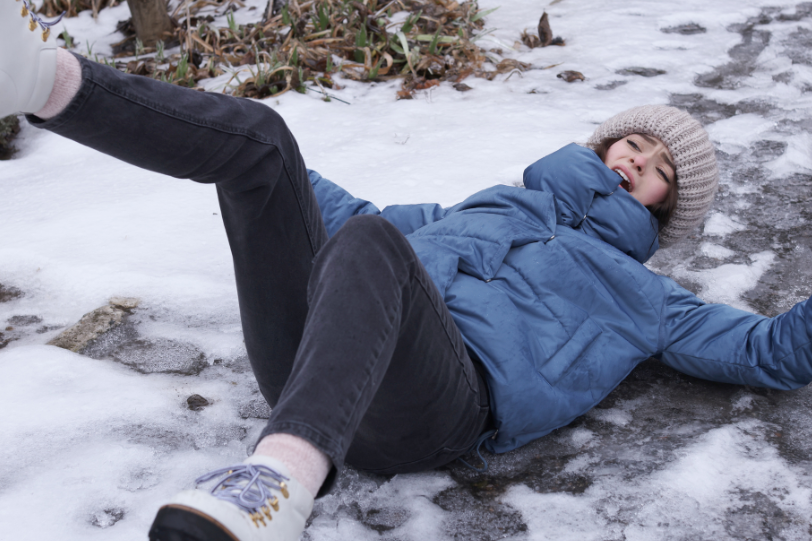
How The Injury Helpline Can Help
If you’ve been hurt in a winter slip-and-fall, The Injury Helpline is here to support you:
- 24/7 access, even during holidays and storms.
- Free legal consultations, with no obligation.
- Nationwide legal network, tailored to your state’s snow-removal and liability laws.
- No upfront costs, with contingency-based representation.
- Ongoing support for questions, updates, or referrals as your case develops.
Snow and ice don’t just create pretty scenes—they’re also the cause of thousands of painful, preventable injuries each year. A missed shoveling, an untreated patch of black ice, or a neglected light fixture can change someone’s life in a second. These are not just accidents—they’re legal violations when duty is ignored.
If you’ve suffered a fall, don’t wait. Gather evidence, get medical care, and reach out for trusted legal guidance.
The Injury Helpline, operating 24/7 with a free consultation, connects people nationwide to attorneys skilled in winter‑hazard litigation. With professional advocacy, you can pursue the medical funding, wage replacement, and fair compensation needed to reclaim stability and confidence, ensuring negligent property owners face accountability and future walkers step onto safer, better‑maintained winter pathways.