

Sports Bike Collisions: What Riders Need to Know After a Crash
Sport bikes, known for their speed, agility, and performance design, represent some of the most exhilarating—and demanding—motorcycles on the road. Built for rapid acceleration and razor-sharp cornering, these high-performance machines offer an unmatched riding experience. But when things go wrong, that same precision and speed can turn a minor misstep into a devastating collision.
Sports bike collisions refer to crashes involving these fast, lightweight motorcycles, whether on highways, backroads, or city streets. Due to the power and posture required to operate them, accidents often involve higher speeds and more severe injuries than other motorcycle crashes. If you’ve been injured in a sport bike crash or if you’re trying to understand how liability and compensation work in these situations, this guide is for you.
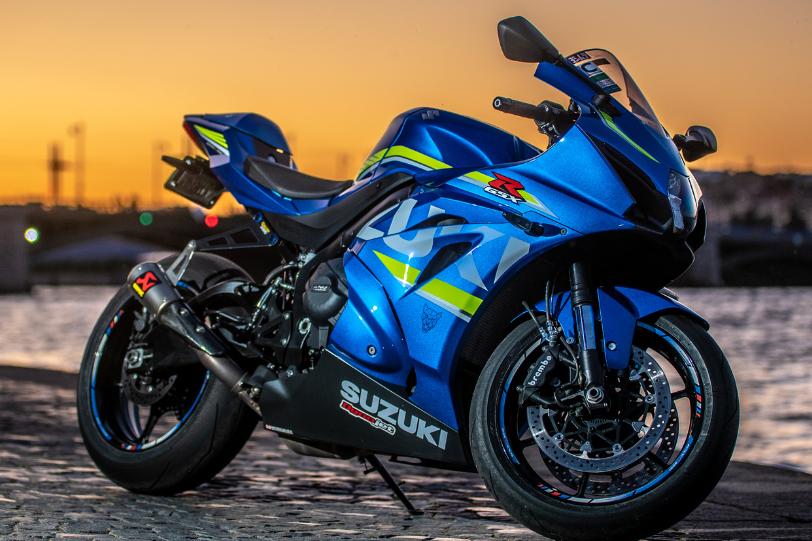
What Makes Sports Bike Collisions Unique?
Unlike cruisers or touring bikes, sport bikes are engineered with performance in mind. Riders lean forward aggressively, hug turns tightly, and often favor higher speeds. While this style of riding enhances responsiveness and thrill, it also amplifies risk on public roads, where gravel, potholes, inattentive drivers, or sudden stops can spell disaster.
And yet, it’s not just the motorcycle’s design that affects outcomes. In many cases, preconceived notions about sport bike riders can influence how insurance companies, law enforcement, and even juries assign blame. That’s why it’s important to understand not only how these accidents occur, but also how they’re evaluated legally.
Common Scenarios That Lead to Sport Bike Crashes
There’s no single cause behind sport bike collisions. But certain patterns emerge more often than others, especially given the dynamics of high-performance riding.
Many accidents happen when riders take corners too aggressively, either misjudging their entry speed or failing to account for gravel, oil, or other road debris. On winding roads—particularly popular among sport bike enthusiasts—it’s easy to lose traction or drift into oncoming lanes.
Excessive speed on public streets is another common issue. While a sport bike can handle fast acceleration, public roads rarely offer the kind of clear visibility or predictable traffic needed to support that speed safely. A rider who accelerates hard between cars may have just milliseconds to react if a driver changes lanes without signaling.
Group rides also pose a unique risk. While riding in formation can be enjoyable and social, it increases the likelihood of chain-reaction accidents, especially if one rider misjudges a turn or brakes suddenly. When multiple sport bikes are involved, the resulting damage can be substantial.
Of course, not all causes stem from the rider. Distracted drivers, especially those texting or fiddling with navigation systems, may drift into a lane or fail to yield, putting even cautious motorcyclists in jeopardy. And because sport bikes are smaller and lower than many vehicles, they can vanish in a driver’s blind spot until it’s too late.
Why Sports Bike Crashes Continue to Happen
Despite ongoing safety campaigns and stricter traffic enforcement in many states, the number of serious sport bike crashes hasn’t dropped as quickly as some would hope. Several factors explain why:
- Temptation to Speed: Sport bikes deliver power and acceleration unlike most vehicles. The ability to reach high speeds in seconds encourages some riders to test limits, sometimes beyond what’s safe for public roads.
- Overconfidence: Riders with limited experience or training may attempt track-style riding on unpredictable terrain, where conditions aren’t controlled and turns aren’t engineered for racing dynamics.
- Limited Protection: Unlike cars, motorcycles offer no external safety shell. Even a minor collision at moderate speed can lead to catastrophic injuries.
- Cultural Influences: Online videos showcasing stunts, wheelies, or high-speed maneuvers inspire some riders to mimic risky behavior, often without realizing the risks they’re taking.
- Driver Inattention: No matter how skilled or cautious a motorcyclist is, one careless driver can still cause a life-altering collision. When a vehicle fails to check mirrors or signals improperly, sport bike riders may not have time to avoid an impact.
Reducing these accidents requires more than blaming either side. It takes a combination of rider education, driver awareness, better infrastructure, and legal support when collisions do occur.
Types of Injuries Common in Sport Bike Collisions
Given the speed and posture involved in sport bike riding, injuries from these crashes tend to be both severe and widespread. Riders are often thrown from the motorcycle or collide directly with another vehicle or object. While every accident is different, certain injuries occur more frequently than others.
Head and Brain Trauma
Even with a helmet, head injuries are common. The violent motion of a crash can lead to concussions, skull fractures, or traumatic brain injuries (TBIs). In some cases, brain damage may be permanent, affecting memory, cognition, or personality.
Fractured Limbs
Wrist, arm, leg, and collarbone fractures frequently result from bracing during a fall or getting pinned between the bike and another surface. Some of these injuries may require surgery, metal plates, or extensive rehabilitation.
Spinal Cord Injuries
When a rider lands on their back or neck, spinal damage can occur. This might mean temporary numbness, herniated discs, or—more tragically—paralysis.
Road Rash and Abrasions
Sliding across pavement at speed creates friction burns known as road rash. Deep abrasions can become infected or require skin grafts, especially when protective gear is minimal.
Internal Injuries
Blunt force to the chest or abdomen can lead to cracked ribs, punctured lungs, or internal bleeding. These injuries aren’t always obvious right away, which is why prompt medical evaluation is essential.
Emotional Trauma
Surviving a high-speed crash leaves more than just physical scars. Many riders experience anxiety, PTSD, or a fear of riding again. In some cases, psychological distress can be as disabling as the physical harm.
Legal Challenges in Sport Bike Accident Claims
One of the most frustrating aspects of a sport bike collision is battling the bias that comes with the bike itself. Insurance adjusters, defense lawyers, and even jurors sometimes view sport bike riders as inherently reckless. Overcoming that bias is key to building a successful claim.
To do so, your attorney will look at:
- Your speed and riding behavior at the time of the crash
- The other driver’s actions, such as failing to yield or texting while driving
- Eyewitness statements and dashcam footage
- Your training history, licenses, and safety record
- Mechanical issues, if a bike defect contributed to the crash
Even if you were speeding or made a riding error, you may still recover compensation under your state’s comparative fault laws, especially if the other party’s negligence played a significant role.
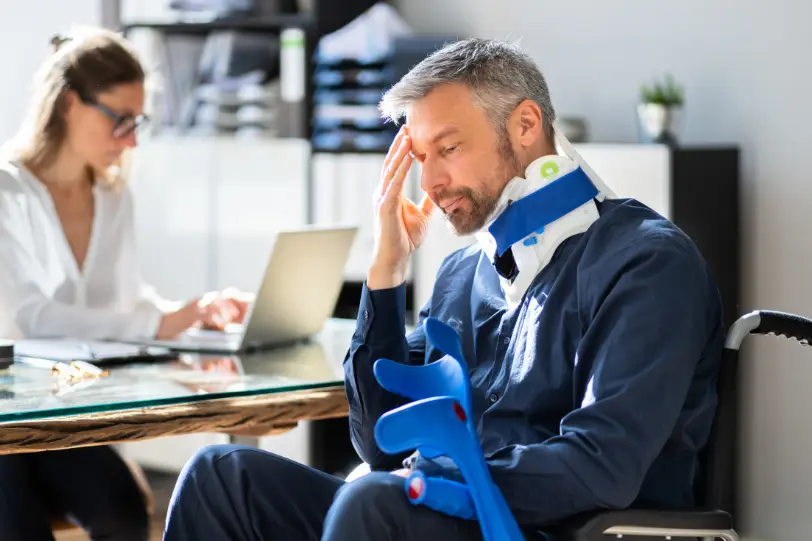
What Compensation Can Riders Seek?
Motorcycle accidents often result in higher financial and emotional costs than other types of vehicle collisions. If your injuries were caused (or worsened) by another driver’s negligence, you may be entitled to several types of damages:
- Medical Bills: Includes surgeries, hospital stays, physical therapy, prescription medications, and long-term care.
- Lost Wages: Covers the income you missed while recovering, and potentially future earnings if your ability to work has been affected.
- Pain and Suffering: Compensation for the physical pain, mental anguish, or lifestyle changes caused by the crash.
- Property Damage: Reimbursement for damage to your motorcycle, gear, or custom modifications.
- Wrongful Death (for families): Funeral costs, loss of companionship, and economic support if a loved one died in the accident.
Each of these categories must be supported with evidence—medical records, repair invoices, tax documents, and sometimes testimony from doctors or economic experts.
Five Questions Riders Often Ask After a Crash
- Is it always my fault if I was on a sport bike and going fast?
No. Legal decisions focus on actual behavior, not stereotypes. If the other driver was distracted, reckless, or violated traffic laws, they may still be found partially or fully liable. - What if I wasn’t wearing full protective gear?
While this may affect injury severity, it usually doesn’t impact fault. That said, insurance companies may use lack of gear to argue for reduced compensation—another reason to consult a lawyer. - Can I sue if my bike malfunctioned and caused the crash?
Yes. If a defect in brakes, tires, or another component contributed to the accident, you may have a product liability claim against the manufacturer or repair shop. - How can I prove I wasn’t riding recklessly?
Helmet cam footage, GPS data, and witness statements can all help. Even your past riding record—such as safety course certifications—can show that you’re a responsible rider. - Does The Injury Helpline help with smaller crashes too?
Absolutely. Whether you suffered road rash or a life-changing spinal injury, The Injury Helpline offers 24/7 assistance and connects you with lawyers familiar with motorcycle law in your state.
Tips for Staying Safe on a Sports Bike
Riding a sport bike doesn’t have to be dangerous—but it does demand extra caution. Here are a few practices that reduce your crash risk and strengthen any future legal claim if you’re injured:
- Respect Speed Limits: Enjoy your bike’s performance, but avoid pushing the limit on public roads.
- Wear Proper Gear: Helmets, armored jackets, gloves, and boots aren’t just for looks—they protect you from serious injuries.
- Invest in Training: Advanced riding courses can teach emergency braking, evasive maneuvers, and safe cornering.
- Make Yourself Visible: Use bright gear, signal clearly, and avoid blind spots.
- Keep Your Bike in Top Condition: Regular maintenance on brakes, tires, and suspension systems can prevent mechanical failures at high speed.
How a Lawyer Can Help After a Sports Bike Accident
Hiring an experienced attorney can make a world of difference, especially when bias and complex evidence are involved. Here’s how legal professionals support injured riders:
- Reconstructing the Crash: With help from accident experts, your lawyer can prove who was really at fault.
- Countering Stereotypes: By showcasing your safe riding habits, training history, and gear use, attorneys push back against unfair assumptions.
- Fighting for Fair Value: Insurers often lowball claims. Lawyers ensure your damages are calculated accurately, including long-term costs.
- Negotiating Settlements: Many cases resolve without going to court. But if a trial becomes necessary, your lawyer is prepared to litigate.
- Navigating Insurance Complexities: Motorcycle policies often contain exclusions or special clauses. A lawyer reads the fine print—and fights back when insurers deny claims unfairly.
The Injury Helpline: 24/7 Support for Riders
No matter how or when your accident occurred, The Injury Helpline is here to help. With nationwide access and zero upfront fees, you can get matched with a personal injury attorney in your area—someone who understands both motorcycle culture and legal strategy.
- Always Open: 24/7 availability, including nights, weekends, and holidays.
- Free Consultation: No cost to speak with a legal professional about your options.
- Contingency-Based Attorneys: You don’t pay unless you recover compensation.
- Motorcycle-Focused: Many lawyers in the network specialize in sport bike and motorcycle cases.
- Continued Support: From claim filing to courtroom appearances, you’ll never be alone.
Sport bike collisions aren’t just high-speed accidents—they’re deeply personal events that can change your health, your finances, and your future. If you’ve been injured or lost someone in one of these crashes, understanding your rights is the first step toward recovery.
From gathering evidence and understanding state laws to countering insurance bias and calculating real damages, an experienced attorney can protect what matters most.
The Injury Helpline, available 24/7 with a free consultation, links affected riders nationwide to attorneys experienced in motorcycling claims. Armed with professional advocacy, you stand a better chance of securing the compensation needed to heal physically, stabilize finances, and reclaim the freedom that draws so many to high-performance bikes in the first place.