

DUI Motorcycle Crashes: When Intoxication Meets the Open Road
Operating a motorcycle demands balance, coordination, and sharp reflexes—skills that vanish quickly under the influence of drugs or alcohol. A DUI motorcycle crash occurs when a motorcyclist—or a driver sharing the road—rides or drives while impaired, leading to a collision. These crashes are not only dangerous—they’re disproportionately deadly.
Whether the intoxicated individual is the rider or someone else, the physics remain unforgiving. Unlike car occupants, motorcyclists lack airbags, seat belts, or protective metal shells. One wrong move—misjudging a curve, reacting too slowly to stopped traffic, or drifting into another lane—can result in catastrophic injuries or fatalities.
In this guide, we explore how DUI motorcycle crashes happen, the consequences they bring, and the legal rights available to victims or surviving families. If you’re navigating the aftermath of such a collision, understanding your options is a vital step toward physical, financial, and emotional recovery.
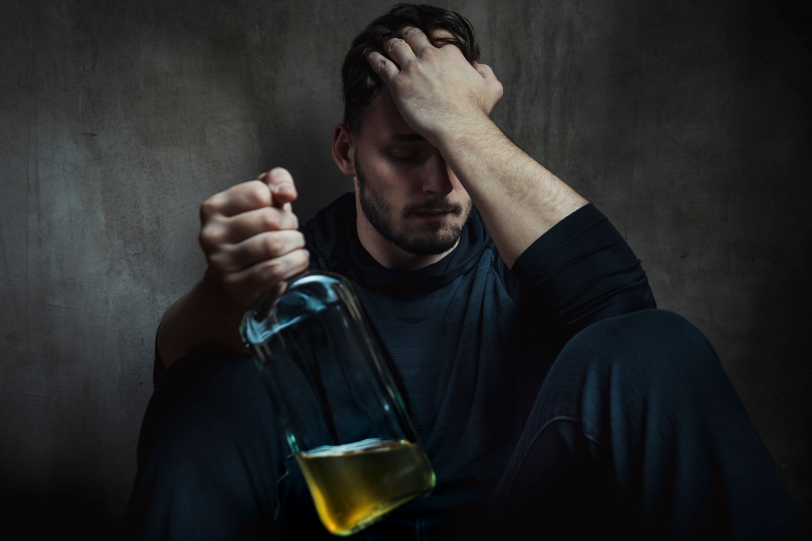
Why Impaired Riding or Driving Is So Dangerous for Motorcyclists
Any form of intoxication—whether from alcohol, recreational drugs, or prescription medications—can dull a person’s judgment and reflexes. When paired with the inherently vulnerable nature of motorcycles, the results can be deadly.
Riding a motorcycle under the influence introduces a level of risk far beyond that of driving a car intoxicated. Even minor impairments—like delayed braking or poor depth perception—are magnified on two wheels. A misjudged turn becomes a slide into oncoming traffic. A lapse in focus can mean failing to see gravel on a curve or red lights ahead.
Even when the motorcyclist is sober, being struck by an impaired driver creates similar risks. In either case, DUI-related crashes tend to occur at high speeds and with little protection for the rider.
Why National Organizations Emphasize Sober Riding
Public safety agencies such as the National Highway Traffic Safety Administration (NHTSA) place a spotlight on sober riding for good reason: their research repeatedly shows that impaired motorcyclists face some of the most severe consequences in traffic safety. While catchy slogans and public awareness campaigns may grab attention, their real aim is to prevent the tragedies that follow impaired motorcycling.
Riding sober isn’t just a box to check for legal compliance—it’s crucial for survival. NHTSA’s data underscores that even small amounts of alcohol or drugs can destroy a motorcyclist’s ability to balance, react swiftly to danger, and judge changing road conditions. Unlike in a car, where a driver has a crumple zone, seatbelt, and airbags, a motorcyclist’s main protection is their own focus and reflexes. Intoxication strips those tools away, leaving a rider dangerously exposed.
That’s why national safety agencies pour resources into education and prevention efforts. Their push is grounded in stark statistics and years of crash investigations, revealing that sober riding is, quite often, the thin line between a routine ride and a life-altering crash.
Why Settlements Are Often Higher for Motorcyclist DUI Victims
Motorcyclists injured by intoxicated drivers frequently see higher settlement values than those in car crashes, and with good reason. The unique vulnerabilities of riders, combined with the severe nature of their injuries and the specifics of how insurance works, all play a role.
Greater Medical Need and Ongoing Care
Unlike occupants of cars, motorcyclists have virtually no external protection in a crash. That means they often suffer far more serious injuries, like compound fractures, traumatic amputations, and catastrophic head or spine trauma. Recovery often requires a string of surgeries, prolonged hospital stays, and specialized rehabilitation. Since this level of care routinely exceeds standard policy limits, victims may be left seeking compensation for bills that far surpass what insurance typically covers.
Serious Impact on Earning Ability
The consequences of a DUI motorcycle crash extend well beyond the physical. Serious, lasting injuries can force victims out of the workforce for months, years, or permanently, resulting in lost wages now and diminished earning potential for the future. In accident settlements, attorneys will factor in lost income and long-term disability, especially when the victim’s livelihood has been disrupted or ended altogether.
Grounds for Higher Punitive Damages
Juries and judges recognize that motorcycles offer little between the rider and the road or a reckless driver. Because of this, when a motorcyclist is injured by someone driving under the influence, courts may be more inclined to award punitive damages—monetary awards designed not just to compensate, but to punish offenders and warn others. Cases involving seriously impaired drivers whose actions lead to devastating harm for vulnerable road users are prime candidates for these “extra” damages.
Added Legal Theories Boost Value
Finally, certain states and situations may open the door to additional claims—such as dram shop or social host liability—providing further avenues for recovery where driver insurance falls short.
The convergence of these factors means settlements for DUI motorcycle victims are frequently higher than those for car occupants injured in similar circumstances.
How Lawyers Highlight the Unique Risks Motorcyclists Face
In the aftermath of a DUI motorcycle crash, an attorney’s job often centers on clearly illustrating just how exposed motorcyclists are compared to those in passenger vehicles. Here’s how the story unfolds in the legal arena:
- Emphasizing the Absence of Protection: Lawyers start by painting a clear picture for judges and juries: Unlike drivers cocooned inside cars, motorcyclists ride without the benefit of airbags or reinforced steel frames. Even a “minor” collision can have devastating consequences for someone on a bike.
- Spotlighting Catastrophic Injuries: Legal teams frequently reference medical records and expert testimony to show how simple physics works against the rider. A lawyer might bring up real-world data from organizations like the Insurance Institute for Highway Safety, which documents higher rates of traumatic brain injuries, spinal damage, and limb fractures among motorcyclists involved in DUI crashes.
- Translating Vulnerability into Damages: Attorneys also use this heightened vulnerability to argue forcefully for fair compensation, not just for immediate medical bills, but for long-term rehabilitation, future lost earnings, and the lingering effects of pain and trauma.
Ultimately, when a lawyer weaves this narrative, the goal is to make clear to everyone in the room: the risks a motorcyclist faces are harsh and unrelenting, especially when alcohol or drugs are involved. This approach can make a powerful difference in the outcome of a case.
How Field Sobriety Tests Work Differently for Motorcycle Riders
If a police officer suspects a motorcyclist is riding under the influence, they may administer field sobriety tests much like they would with a car driver. However, these tests can be especially tricky for riders—even those completely sober. That’s because motorcycles require exceptional balance and coordination, and riders may be fatigued or shaky from their ride, further complicating tasks like standing on one leg or walking heel-to-toe in a straight line.
Physical field sobriety evaluations—think the classic walk-and-turn or one-leg-stand—don’t always account for the physical demands and muscle fatigue involved in riding. A perfectly sober rider may wobble or sway, leading to a false impression of impairment. Because of this, officers sometimes rely more heavily on additional evidence, such as breathalyzer results or observations of erratic riding behavior, when evaluating motorcyclists suspected of DUI.
Common Scenarios Leading to DUI Motorcycle Collisions
Though alcohol or drug impairment can spark crashes under many circumstances, certain environments and social behaviors make DUI motorcycle accidents more likely.
Late-Night and Weekend Rides
Even experienced riders who typically avoid alcohol might take risks after a night out with friends or during weekend bar crawls. Riding under the influence becomes even more dangerous when combined with low visibility and fatigue.
Holiday Gatherings and Celebrations
Events like Memorial Day, Fourth of July, or New Year’s Eve often see spikes in both alcohol consumption and motorcycle use. Riders returning from social events may overestimate their ability to safely make it home.
Group Rides and Peer Pressure
In larger riding groups—especially those making social stops—some riders may drink excessively yet still feel pressured to keep up. Even those with low BACs may still be unfit to ride safely.
Congested City Driving
Urban areas offer tight spaces, aggressive drivers, and stop-and-go patterns that require fast, accurate reactions. Add alcohol or drugs to the equation, and the risk of rear-end crashes or lane-change accidents climbs.
Country Roads at Night
Rural areas, especially those lacking lighting or signage, present unique dangers. Impaired riders may miss sharp turns, animals crossing the road, or dips in elevation until it’s too late to respond.
Mixed DUI Incidents
In some tragic cases, it’s not the rider who’s impaired, but a car driver. Sober motorcyclists are often the victims in DUI collisions, struck by drivers who run red lights, drift into oncoming traffic, or fail to yield.
Fines and Court Fees: Motorcycles vs. Cars
If you’re wondering whether getting a DUI on a motorcycle comes with lesser penalties than in a car, the answer is—unfortunately—no break for two wheels. Most states treat a DUI on a motorcycle almost identically to one in a passenger vehicle when it comes to financial penalties. That means you can expect fines that start in the hundreds and quickly reach well into the thousands, particularly if you have previous convictions.
Court fees are another unyielding reality, tacking on additional costs for processing and mandatory programs. Ultimately, the ticket for impaired riding hits your wallet just as hard—sometimes harder, due to potential license-specific reinstatement costs—regardless of what’s parked in your garage.
Subtle Signs of Impairment: Spotting Not-So-Obvious Drunk or Drugged Drivers
Not every impaired driver on the road stands out with wild swerving or blazing hazard lights. In fact, it’s often the subtle behaviors that reveal when another motorist may be under the influence—behaviors that aren’t always easy to distinguish from distracted or inexperienced drivers.
As a vigilant rider, watch for these warning signs:
- Erratic Following Distance: Drivers who tailgate unpredictably or leave long stretches one moment and close gaps the next.
- Sluggish Responses: Hesitation or slow reactions at green lights, stop signs, or when traffic conditions suddenly change.
- Wandering within the Lane: Unsteady movement close to the lane lines or divider, sometimes drifting but overcorrecting quickly.
- Confused or Absent Signaling: Mixed-up turn signals (like blinking left and turning right) or failing to signal turns altogether.
- Inconsistent Speed: Inexplicable slowdowns, abrupt accelerations, or difficulty maintaining the flow of traffic.
Of course, these clues aren’t exclusive to intoxicated drivers. A newcomer wrestling with city streets, or someone distracted by Google Maps, might display similar quirks. Regardless, when you spot these patterns, it’s wise to give extra space and steer clear—better safe than sorry when it comes to protecting yourself on two wheels.
What Fuels These Crashes Despite Warnings?
Despite aggressive awareness campaigns and stricter penalties, DUI motorcycle crashes persist. Several recurring factors contribute to their frequency:
- Overconfidence in Skill or Tolerance: Riders sometimes believe experience can overcome impairment. They may feel “fine” despite BACs above legal limits.
- Cultural Normalization: In some riding circles, drinking is a normalized part of the experience. It’s not uncommon to see rides organized around bar stops or social drinking.
- Substance Synergy: Alcohol may be mixed with marijuana, sedatives, or prescription drugs—intensifying impairment while reducing inhibition.
- Lack of Transportation Options: Some areas lack taxis, Ubers, or late-night buses. Riders may feel they have no alternative but to get home on their bike.
- Misinformation: Myths like “beer doesn’t impair you like liquor” or “coffee sobers you up” lead riders to underestimate their level of impairment.
Recognizing these causes helps inform preventative measures, but once a crash occurs, the focus must shift toward recovery, evidence, and legal accountability.
Employment and Professional Licensing Effects
A motorcycle DUI doesn’t just follow you home—it can trail you into the workplace. Certain careers, especially those involving commercial driver’s licenses (CDLs), background checks, or any position of public trust, can be threatened by a DUI conviction. For instance:
- Professional Drivers and CDL Holders: Truck drivers, bus operators, delivery personnel, and similar professionals may face suspension or permanent revocation of their commercial driving privileges after a single drunk driving conviction—even if the DUI didn’t happen on the job.
- Licensed Professions: Teachers, nurses, lawyers, pilots, or real estate agents may be required by state boards to report criminal convictions, sometimes triggering disciplinary action, license suspension, or even revocation.
- General Employment: Many employers run periodic background checks. A DUI on your record could mean missed job opportunities, mandatory substance abuse counseling, or sudden termination, depending on workplace policy.
If your work relies on a clear driving record or professional trust, a single lapse in judgment on your motorcycle can sideline your entire career.
The Injury Toll: What Happens When a DUI Crash Involves a Motorcycle
Because motorcycles don’t shield their riders, crashes involving impaired operation often cause high-impact, high-velocity injuries. The following are some of the most common outcomes:
Head Injuries and Brain Trauma
Even with helmet use, riders may suffer concussions, brain bleeding, or long-term cognitive deficits from blunt-force trauma. Those not wearing helmets face far worse odds of survival or recovery.
Spinal Cord Injuries
When thrown from a bike or struck at speed, the spine often takes the brunt of the impact. This can result in partial or full paralysis, chronic pain, or the need for lifelong mobility aids.
Compound and Open Fractures
Limbs may be crushed between vehicles or fractured in multiple places. Pins, rods, or extensive orthopedic surgeries are often required, and mobility may never fully return.
Road Rash and Deep Abrasions
Sliding along pavement at high speeds can tear through multiple layers of skin, muscle, and tissue. Treatment can require painful skin grafts and leave permanent scarring.
Internal Organ Damage
High-impact crashes often cause broken ribs, punctured lungs, or ruptured spleens. Emergency surgery is often necessary, and even then, survival may hang in the balance.
Psychological Harm
Guilt and shame can torment riders who caused crashes while intoxicated. Survivors may also suffer from PTSD, nightmares, or an inability to ride again due to trauma.
Mandatory Alcohol Education and Treatment
For motorcycle riders convicted of DUI, the legal consequences can extend beyond fines and license suspension. Courts frequently mandate participation in alcohol education or substance abuse treatment programs, especially for first offenders. These programs are designed both to address underlying issues with alcohol use and to reduce the risk of repeat offenses. Whether as part of a sentencing agreement or a requirement for license reinstatement, completion of such courses is a common condition imposed by many states. Failing to comply can lead to further penalties and prevent driving privileges from being restored.
Legal Responsibilities and Rights in DUI Motorcycle Accidents
From a legal standpoint, DUI-related motorcycle crashes can result in both criminal charges and civil liability. The difference lies in who brings the case and what the penalties or remedies look like.
Criminal vs. Civil Consequences
A driver or rider caught operating under the influence may be arrested and charged with DUI, often resulting in jail time, license suspension, or heavy fines. These penalties aim to deter future offenses and hold offenders accountable.
However, civil claims are filed separately by the victims of a DUI crash, aiming to recover financial compensation for injuries and losses. You do not need a criminal conviction to succeed in a civil claim, but criminal charges can help establish liability.
How Fault Is Determined
In civil court, plaintiffs must show that:
- The defendant was impaired (through evidence like breath tests, witness statements, or video)
- Their intoxication caused or significantly contributed to the crash
- The crash led directly to injuries or losses (such as medical bills or missed work)
Even if both parties were partially at fault—say, the injured rider was speeding but the driver was intoxicated—many states allow comparative negligence. In such cases, your compensation is reduced by your percentage of blame, not eliminated altogether.
Additional Theories of Liability
- Dram Shop Laws: In some states, bars or restaurants may be liable if they served alcohol to someone visibly intoxicated who then caused a crash.
- Social Host Liability: Private individuals who host parties and serve alcohol may bear partial fault if they knowingly allow an intoxicated guest to leave and cause harm.
- Uninsured Motorist Claims: If the at-fault driver has no insurance, or their insurer denies the claim, you may pursue compensation through your own policy’s UM/UIM coverage.
What Happens During Arrest and Processing for a Motorcycle DUI?
If law enforcement determines there’s probable cause for DUI, you can expect a whirlwind of legal steps. Officers will typically transport you to a nearby police station or county jail—no Harley escort, unfortunately. Once there, you may undergo more chemical testing (think breathalyzer, blood, or urine tests), followed by mugshots, fingerprinting, and what feels like an endless barrage of paperwork.
Depending on the circumstances, you might spend several hours—or, in some cases, overnight—behind bars. Bail could be set before you’re released, or you may be held pending your first court appearance. Throughout this process, any statements you make can be used against you later—so it’s wise to exercise your right to remain silent and seek legal representation at the earliest opportunity.
What to Expect If You’re Pulled Over on Suspicion of DUI
If flashing lights appear in your rearview and you’re signaled to pull over, the next moments can have serious consequences—especially if the officer suspects you’ve been riding under the influence. Here’s what typically unfolds:
- On-the-Spot Sobriety Checks: Expect the officer to watch your behavior closely from the first interaction. You may be asked to step off your bike and perform field sobriety tests. Unlike in a car, maintaining balance on solid ground after riding can feel surprisingly challenging, and stress only adds to the difficulty.
- Chemical Testing: The stop often proceeds with a request for a breath or blood test to measure your blood alcohol concentration (BAC). Refusing these tests can trigger automatic penalties in many states—sometimes harsher than a DUI conviction itself.
- Arrest and Booking: If the officer determines you’re impaired, you’ll likely be placed under arrest. This means a trip to the nearest station for processing—photographs, fingerprints, maybe another chemical test, and possibly a night in a holding cell if bail isn’t set right away.
- Immediate License Consequences: DUI laws in many states mandate an automatic suspension of your driving privileges—sometimes on the spot, and sometimes before any court appearance. This suspension can impact not just your motorcycle license, but your right to drive any vehicle.
Cooperation during the stop is vital, but so is understanding your rights—and the seriousness of what’s at stake if alcohol or drugs are allegedly involved.
What Compensation Might Victims Be Entitled To?
Compensation in DUI motorcycle crashes can be substantial, especially when injuries are severe or lifelong. Categories of recovery include:
- Medical Bills: From ambulance rides and ER visits to surgeries, therapy, and prosthetics.
- Lost Income: Both current wages and future earning capacity may be claimed.
- Pain and Suffering: Physical agony, scarring, mental distress, or loss of life enjoyment.
- Property Damage: Replacing a totaled bike or damaged gear.
- Wrongful Death: Families may recover funeral costs, lost companionship, and the deceased’s projected financial support.
In some cases, punitive damages may also be awarded, meant not just to compensate but to punish egregious conduct and deter repeat behavior.
Frequently Asked Questions About DUI Motorcycle Claims
- What if I was completely sober, but the other driver was intoxicated?
You can likely pursue full compensation. DUI is often considered a serious form of negligence, and courts typically award damages when there’s proof the intoxicated party caused the crash. - Can I still recover if I had a low BAC but wasn’t over the legal limit?
It depends. Even below .08%, impairment can affect judgment. If you’re partially to blame, your award may be reduced. That said, being under the legal limit can help rebut major fault claims. - What if I missed some work but my injuries weren’t extreme?
Lost income is still compensable, even if your injuries were moderate. You don’t need catastrophic harm to recover for real, documentable losses. - Is a DUI criminal conviction required to win my civil case?
No. A civil case uses a lower standard of proof—“more likely than not.” Police reports and BAC results help, but a conviction isn’t mandatory. - What makes The Injury Helpline different in DUI motorcycle cases?
Their nationwide network includes attorneys with direct experience handling DUI crash claims involving motorcyclists. They’re available 24/7 and offer consultations with no upfront costs.
Steps to Take After a DUI Motorcycle Accident
After the initial shock of a collision wears off, every moment counts. Here’s what to do to protect both your health and your legal rights:
- Get Medical Attention Immediately
Adrenaline can mask pain. Some head injuries or internal damage take hours to show. A doctor’s exam also builds vital medical records for your case. - Call the Police
Law enforcement can test suspected DUI drivers, secure the scene, and produce reports crucial to proving liability. - Photograph and Record Everything
Capture vehicle positions, damages, road conditions, and any visible alcohol containers or drug paraphernalia. - Identify Witnesses
People nearby may have seen erratic driving or the moments before impact. Get their names and contact details. - Don’t Admit Fault
Even saying “I’m sorry” can be used against you. Stick to the facts and let the investigation unfold. - Contact an Attorney
Legal timelines move fast, and insurers may try to limit what they owe. A lawyer ensures evidence preservation and manages negotiations.
How The Injury Helpline Can Help
For those dealing with the aftermath of a DUI motorcycle crash, The Injury Helpline offers vital support:
- Free Consultations: No cost to understand your rights and legal options.
- 24/7 Access: Accidents don’t wait for office hours—and neither do we.
- Local Legal Expertise: We match you with lawyers familiar with your state’s DUI and motorcycle injury laws.
- All Case Sizes Welcome: Whether your crash left you with scrapes or long-term disability, our network includes attorneys for your situation.
- End-to-End Support: Need clarification, updates, or additional referrals? We’re here throughout your case—not just at the start.
DUI-related motorcycle crashes are among the most preventable accidents on the road. Whether caused by a rider who thought they were “okay to drive” or by another motorist’s reckless choices, the results can devastate lives in an instant.
If you or someone you love has suffered due to an intoxicated driver, don’t navigate the legal system alone.
The Injury Helpline, operating 24/7 for a free consultation, helps those impacted by such incidents nationwide. By securing skilled attorneys well-versed in both DUI and motorcycle accident laws, victims can seek rightful restitution for the avalanche of medical bills, lost wages, and psychological distress unleashed by a single, avoidable lapse in sober judgment.