

What Are Warehouse Accidents?
Warehouse accidents are workplace incidents that occur within storage and distribution centers, from massive e-commerce fulfillment hubs to regional grocery warehouses, pharmaceutical depots, or smaller industrial supply sheds. These fast-paced environments are full of potential hazards—heavy machinery, towering pallet stacks, and fast-moving material-handling vehicles all working in tight quarters. When safety standards lapse or equipment fails, workers can suffer serious and sometimes fatal injuries.
Forklifts collide with shelving or people. Overhead pallets fall from high racks. Conveyor belts catch clothing or limbs. These aren’t rare events—they’re daily risks in warehouses nationwide. When accidents occur, the physical damage can be devastating: crushed limbs, head trauma, spinal cord injuries, amputations, or even fatalities.
From a legal standpoint, most warehouse workers qualify for workers’ compensation, which provides medical treatment and partial wage replacement. But many incidents involve outside parties—contractors, maintenance firms, or equipment manufacturers—who can be held liable in civil court for contributing to unsafe conditions. When that happens, additional compensation may be available through third-party personal injury or product liability claims.
In this comprehensive guide, we explore what makes warehouse work so dangerous, the injuries most commonly reported, who might be held accountable, and how injured workers can secure the full financial support they need to recover and move forward.
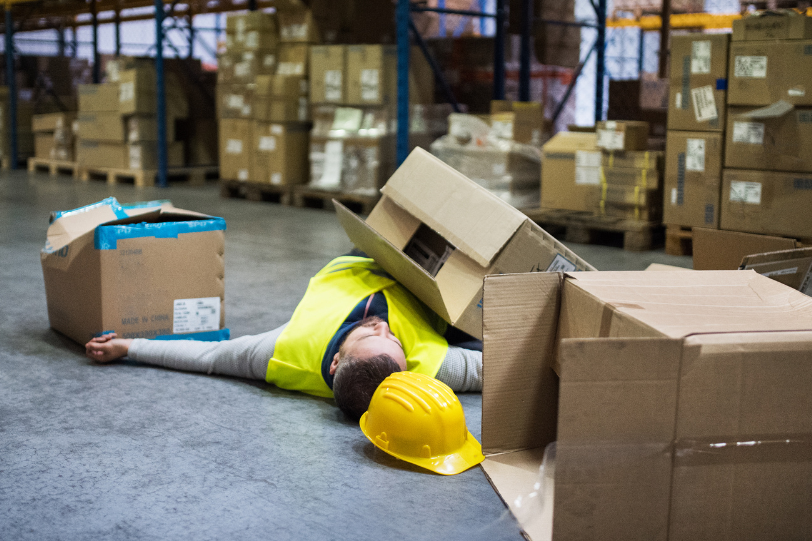
Why Are Warehouses So Dangerous?
Despite being organized, structured environments, warehouses are inherently hazardous due to their unique layout, equipment, and operational demands. The risks stem not from chaos, but from the sheer scale and speed of daily activity.
Vertical storage plays a major role. Pallets often reach heights of 30 feet or more. When stacking isn’t done correctly—or when racking systems aren’t inspected or properly maintained—one shift in weight can cause a multi-ton load to fall.
Warehouse aisles aren’t just crowded—they’re shared by people, forklifts, pallet jacks, autonomous robots, and conveyor belts. One missed signal or misjudged turn can lead to devastating collisions.
Adding to that, high productivity quotas push workers to move fast, skip rest breaks, and sometimes bypass safety protocols. Fulfillment centers often monitor performance down to the second, encouraging speed over caution.
Warehouses also pose environmental challenges. Some facilities trap heat in summer or operate in sub-zero freezer conditions. Visibility is limited in many areas, and the din of beeping equipment, conveyor belts, and intercoms makes it hard to hear verbal warnings.
All of these factors combine to create a workplace where danger is present even when things appear routine.
A Closer Look at the Modern Warehouse
The rapid expansion of warehouse networks—especially those tied to e-commerce giants like Amazon, which now operates over 140 fulfillment centers across the U.S.—has only amplified these risks. High order volumes and relentless deadlines have pushed many facilities to the brink, with safety often struggling to keep up with efficiency demands.
In fact, national safety organizations have repeatedly flagged large-scale warehouses as some of the most dangerous workplaces in the country. Over the last decade, headlines have highlighted a troubling pattern: workers suffering serious injuries, and sometimes fatalities, as a result of heavy machinery accidents, falling objects, or grueling work speeds. According to the National Council for Occupational Safety and Health, major fulfillment centers have even appeared on their “dirty dozen” list of hazardous employers.
The human cost is sobering. In recent years, several fatal incidents have underscored the persistent dangers that come with the job—often at facilities praised for their cutting-edge logistics but criticized for their relentless pace.
Why the Risks Persist
Even with the latest technology, the core hazards remain stubbornly familiar: towering pallet racks, crowded aisles, hurried workers, and the constant hum of machinery, all set against a backdrop of mounting pressure to deliver faster and cheaper. When companies prioritize speed and profit, safety standards can slip—leaving workers vulnerable and, too often, scrambling after the fact for fair compensation.
In short, beneath the surface order of the modern warehouse lies a high-stakes environment where even routine shifts can turn dangerous in an instant.
Common Causes of Warehouse Accidents
Warehouse accidents typically stem from a blend of mechanical issues, environmental hazards, and human error—often compounded by tight deadlines or undertrained staff.
Forklift-related accidents are among the most common. These include collisions with shelving or people, tip-overs from excessive speed or uneven loads, and crashes due to poor maintenance. In many cases, forklifts are operated in areas with limited visibility or by workers without proper certification.
Another major hazard is falling objects. Improperly secured loads, overloaded shelves, or vibration from nearby equipment can cause heavy items to dislodge and fall onto workers below. Racking systems themselves can fail if not properly anchored or if damaged by forklift impact.
Slip, trip, and fall hazards are ever-present. Shrink-wrap remnants, broken pallets, spilled liquids, or cracked concrete can make walkways treacherous. Workers descending from loading docks or stepping off uneven pallets risk twisting ankles or suffering serious falls.
Manual lifting remains a significant risk. When workers repeatedly bend, twist, or carry heavy loads—especially at awkward heights—their joints, backs, and shoulders bear the brunt. Without ergonomic adjustments or rotation schedules, repetitive strain injuries become inevitable.
Automation introduces new threats. Conveyor belts, robotic arms, and sortation systems can trap limbs or knock workers over if safeguards are removed or software malfunctions. Clearing a jam without lock-out/tag-out procedures is a common recipe for disaster.
Other hazards include:
- Dock injuries where trailers unexpectedly pull away during loading, creating gaps that workers fall through
- Chemical exposure from leaking batteries or cleaning supplies in unventilated areas
- Thermal stress in freezer zones or overheated buildings without climate control
But the list of dangers doesn’t end there. Warehouses and factories share a host of other risks, such as:
- Machine accidents involving presses, palletizers, and other heavy equipment
- Ladder falls when retrieving items from high shelves without proper fall protection
- Tool injuries ranging from lacerations to puncture wounds
- Explosions due to flammable materials or faulty valves
- Burn injuries from hot surfaces, steam, or electrical faults
- Electrical injuries from exposed wiring or malfunctioning machinery
- Entrapment hazards, such as being caught in moving parts or between machinery and racking
- Toxic exposure from substances like asbestos, industrial solvents, or chemical dust
- Valve or ventilation failures that release hazardous fumes into the workspace
- Worker fatigue accidents caused by long shifts and high quotas
Many of these hazards are amplified by unsafe work environments, employer negligence, defective equipment, or outright violations of OSHA safety standards. It’s not uncommon for the root of an accident to be traced back to a missing guardrail, an ignored lockout procedure, or a failure to provide adequate training.
These risks underscore the need for continuous oversight and a culture where safety is prioritized over speed.
Preventing Fires and Safeguarding Workers
Fire risks may not be as visible as a teetering pallet, but even a small spark can turn a warehouse into a disaster zone. Warehouses stock everything from cardboard and chemicals to batteries and heavy machinery, making the potential fuel load enormous if fire safety protocols slip through the cracks.
To help prevent warehouse fires (and keep staff safe if one does occur):
- Strict Storage Practices: Flammable materials like solvents, aerosols, or lithium batteries should always be stored in accordance with OSHA and NFPA standards. That means using flame-resistant cabinets, segregating incompatible chemicals, and never stashing combustibles near heat sources or electrical equipment.
- Routine Electrical Inspections: Outdated wiring, overloaded circuits, and poorly maintained equipment are leading causes of warehouse fires. Regular checks by certified electricians can uncover frayed cords or faulty panels before they become ignition sources.
- Accessible Fire Protection Equipment: Smoke detectors, sprinkler systems, and clearly marked fire extinguishers are non-negotiable. All staff should know exactly where the nearest exit and extinguisher are at any given time—no guesswork allowed.
- Well-Lit and Unobstructed Exits: Emergency exits shouldn’t be hidden behind pallets or shrink-wrap. Every escape route must be accessible and well-lit, with exits clearly marked and doors kept free of obstructions.
- Comprehensive Training and Drills: Workers need more than a safety poster in the breakroom. Regular fire drills and hands-on training sessions ensure everyone knows the evacuation plan and how to use fire extinguishers or activate an alarm.
Fire prevention isn’t a once-a-year checklist—it’s a continuous process woven into everyday safety culture. By taking these steps, warehouses can greatly reduce the risk of fires and give workers the tools they need to respond if the worst happens.
Minimizing Exposure to Hazardous Materials
Hazardous materials are a fact of life in most warehouses, whether you’re dealing with cleaning agents, industrial chemicals, or even everyday items like batteries and aerosols. While these substances are often essential to operations, mishandling them can mean chemical burns, toxic fumes, or long-term impacts on lung health.
To keep workers safe from hazardous exposures, warehouses should make hazard controls part of their daily routine:
- Smart Storage Strategies: All hazardous materials need to be stored according to OSHA and NFPA guidelines. This means using sealed, labeled containers, securing chemicals in ventilated or flame-resistant lockers, and separating anything that could react dangerously together.
- Clear, Consistent Labeling: Every hazardous product should be labeled with clear hazard warnings—no exceptions or mystery barrels. The easier it is for workers to identify risks on the spot, the less likely accidents become.
- Personal Protective Equipment (PPE): Gloves, goggles, respirators, and protective aprons aren’t just for dramatic effect—they’re the frontline defense against splashes, fumes, and accidental spills. Supervisors must ensure appropriate PPE is always available and in good condition.
- Accessible Safety Data Sheets (SDS): Keep up-to-date material safety data sheets onsite and within arm’s reach—not buried in the front office. Workers need to know the right steps to take during a spill or exposure, and SDS sheets provide those instructions in plain English.
- Hands-On Training: Annual safety videos don’t cut it. Regular, practical training sessions teach staff how to handle, transfer, and clean up hazardous substances without putting themselves in harm’s way. Practice with PPE and emergency response procedures is essential.
When warehouses treat hazardous material protocols with the same urgency as fire prevention, they not only reduce the risk of workplace injuries but foster an environment where health is prioritized every single day.
Leading Causes of Warehouse Fires
Warehouse fires can erupt with little warning, creating chaos and putting both workers and inventory at risk. Several key factors are typically behind these sudden outbreaks:
- Electrical hazards are a major culprit. Old or poorly maintained wiring, overloaded circuits, and malfunctioning machinery can all spark fires in an instant—especially in facilities packed with high-powered equipment.
- Improper storage of flammable materials—like cleaning chemicals, aerosols, and even cardboard—makes it easy for a tiny ignition source to turn into a large-scale blaze. When flammables are stacked near heat sources or aren’t clearly separated, the danger multiplies.
- Equipment malfunctions also play a role. Overheated conveyor belt motors, faulty battery chargers for forklifts, or sparks from welding can all serve as unintended sources of ignition.
- Blocked or poorly marked fire exits and a general lack of accessible firefighting equipment can turn a manageable incident into a disaster.
- Sometimes, even something as simple as a discarded cigarette near a loading dock or a buildup of combustible dust in certain storage zones can fuel a fast-moving fire.
These risks underscore the need for continuous oversight and a culture where safety is prioritized over speed.
Injuries Commonly Sustained in Warehouses
The physical toll of a warehouse injury often extends far beyond a simple bruise or sprain. The equipment and loads involved make many incidents severe—and sometimes fatal.
Crush injuries and amputations are particularly devastating. Limbs can be caught in palletizers, conveyor gears, or crushed between forklifts and racking. Even one moment of inattention can mean permanent disfigurement.
Traumatic brain injuries (TBIs) are another major concern. A falling box or a sudden collision may drive a hard hat into the skull or knock an unprotected worker headfirst onto the floor. Concussions, memory loss, and long-term cognitive impairment can follow.
Spinal cord injuries occur both from falls—especially from mezzanines or ladders—and from years of repetitive lifting. Workers may suffer herniated discs or permanent nerve damage, sometimes requiring surgery or leaving them unable to return to manual work.
Additional common injuries include:
- Fractures and sprains from falls, uneven footing, or being struck by forklifts
- Musculoskeletal disorders (MSDs) like chronic back pain, tendonitis, and shoulder strain due to repetitive motion
- Burns and frostbite, especially in facilities with extreme temperatures
- Chemical burns and respiratory issues when exposed to hazardous substances like forklift exhaust or battery acid
Beyond the physical injuries, many workers experience anxiety, PTSD, or depression following a traumatic event, especially if a coworker was killed or severely injured.
Who Can Be Held Liable After a Warehouse Injury?
While workers’ compensation protects your right to medical care and wage replacement after an injury, it generally prohibits lawsuits against your direct employer. That doesn’t mean others aren’t responsible.
In many warehouse accidents, multiple third parties may be held legally accountable:
- Equipment manufacturers may be liable if a forklift lacks a proper braking system or if robotic sensors fail to detect nearby workers.
- Maintenance contractors who fail to inspect or repair racking systems, conveyor belts, or forklifts correctly can be sued for negligence.
- Staffing agencies that place untrained temp workers into high-risk roles may face liability for failing to provide adequate safety instruction.
- Property owners or landlords are often responsible for maintaining structural elements like floors, docks, or sprinkler systems.
- Transport carriers can be sued if their drivers pull away from docks prematurely or neglect to set wheel chocks.
- Software vendors behind robotic systems or warehouse management platforms may also be implicated when programming errors contribute to collisions or misplacements.
Each of these parties has distinct duties. When those duties are breached—and that breach causes injury—they can be held accountable through civil litigation.
Proving a Claim Beyond Workers’ Compensation
To win a third-party claim, you’ll need to establish that the defendant had a legal duty, failed to uphold it, and caused your injury. Specifically, you must demonstrate:
- A duty of care was owed
- That duty was breached through negligence or oversight
- The breach directly led to your injury
- You suffered quantifiable harm, including medical bills, lost wages, and pain
Evidence plays a vital role. Key documentation may include:
- OSHA citations showing safety violations
- Video footage capturing the incident
- Forklift telemetry logs showing speed or mechanical failure
- Maintenance records or service logs
- Witness statements from coworkers
- Product recall notices or design schematics from manufacturers
- Expert reports from engineers or safety consultants
Gathering this evidence quickly is essential. Surveillance footage may be erased, and faulty equipment may be repaired or discarded. Legal counsel can issue preservation letters and launch independent investigations to lock down proof before it disappears.
What Compensation Can Injured Workers Seek?
Warehouse workers injured on the job may be eligible for several types of compensation:
Workers’ Compensation (standard benefits)
These benefits are available regardless of who was at fault and usually cover:
- All medical expenses, including surgeries and rehabilitation
- A portion of your lost wages (typically two-thirds of your weekly pay)
- Disability payments for temporary or permanent impairments
- Vocational retraining if you can’t return to your previous job
Third-Party and Civil Claims (additional compensation)
When another company or party is partly at fault, additional damages may include:
- Full wage loss and reduced future earning capacity
- Pain and suffering—physical, emotional, psychological
- Costs for prosthetics, home accessibility upgrades, or specialized vehicles
- Loss of companionship or household services for a spouse
- Wrongful-death damages if the injury was fatal
- Punitive damages in extreme cases (e.g., disabling forklift safety systems)
Because workers’ compensation insurers may claim a portion of any civil settlement, your attorney will work to negotiate lien reductions and ensure your total compensation is fair.
Are There Limits on Damages in Personal Injury Cases?
The amount you can recover in a warehouse injury case often depends on your state’s laws and the severity of your injuries. Generally, you can pursue compensation for medical bills, lost earnings, property damage, pain and suffering (both past and future), loss of quality of life, and—when warranted—punitive damages designed to punish truly reckless conduct.
However, states may impose caps on some types of damages, particularly non-economic ones. Here’s how this typically breaks down:
- For non-catastrophic injuries: Many states, such as Ohio, limit non-economic damages (like pain and suffering or loss of enjoyment of life) to a set dollar amount per person, often $250,000 or a multiple of your economic losses, up to a certain ceiling.
- For catastrophic injuries: If your injury results in severe, permanent disabilities, such as loss of limb, paralysis, or significant loss of bodily function, these caps may not apply. In catastrophic cases, courts often allow injured workers to seek the full amount a jury determines appropriate for their pain and long-term hardship.
- Punitive damages: These are rare and typically reserved for cases of gross negligence or intentional harm, with caps or guidelines set by state law.
Because the details and dollar limits can vary widely by jurisdiction, an attorney can clarify what rules apply in your specific case and maximize your recovery.
Weighing Your Options: Quick Settlement vs. Lawsuit
Faced with mounting bills or pressure from an employer’s insurance carrier, it’s tempting to accept a fast settlement. While a speedy payout can provide immediate financial relief, settling too soon often means signing away your right to pursue the full value of your claim. Insurers typically offer lowball sums intended to wrap things up before you know the true long-term costs of your injury.
By comparison, pursuing a lawsuit may take longer, but it allows for a thorough investigation of your injuries, future medical needs, lost earning power, and pain and suffering. You also gain leverage to negotiate Medicaid liens or offset other recoverable damages. If you settle early, you may be left shouldering costs for surgeries, rehabilitation, or lost income that weren’t factored into the original offer.
Ultimately, it’s wise to consult a trusted attorney before making any decisions. An experienced lawyer can help you understand what your claim is truly worth, whether a settlement is in your best interest, and how to avoid regrets down the road.
Why Personal Injury and Workplace Accident Lawsuits Matter
Injuries on the job can change a worker’s life in a heartbeat. Beyond the immediate pain, these incidents often bring mounting medical bills, lost income, and long-term disability that undermines financial stability. Families may suddenly face tough choices—covering rent or paying for physical therapy, taking time off work to provide care, or worrying about who will support the household.
That’s where personal injury and workplace accident lawsuits play a vital role. Civil claims empower injured individuals and their families to seek compensation that bridges the gap left by insurance or workers’ comp—restoring lost wages, covering future medical needs, and providing resources for rebuilding their lives.
Without the ability to pursue these legal remedies, many families would bear unfair financial burdens for accidents they did nothing to cause. These lawsuits help shift responsibility back onto the parties whose negligence created the hazard, ensuring accountability and often prompting improvements in safety practices industry-wide.
FAQs About Warehouse Injury Claims
- Can I sue if a temp worker hit me with a forklift?
Yes. If the coworker was placed by a staffing agency, that agency may be sued for negligent hiring, training, or supervision. - A warehouse robot struck me—who’s liable?
Responsibility may fall on the robot’s manufacturer, the software vendor that programs its movements, or your employer if traffic-separation protocols were not enforced. - How soon do I need to report my injury?
Most states require you to report workplace injuries within 30 days to qualify for workers’ comp. Civil lawsuits may be filed within 1–3 years, but it’s best to begin gathering evidence immediately. - What if I developed back pain over time, not from a single event?
You may still qualify. Repetitive strain injuries like tendonitis, herniated discs, or carpal tunnel syndrome are recognized under occupational disease laws. - How does The Injury Helpline help during an OSHA investigation?
The Injury Helpline offers a 24/7 consultation and connects you with attorneys who monitor OSHA’s process while conducting their own investigation. That ensures your rights aren’t lost in employer-driven narratives.
Smart Safety Practices for Warehouses
While not all accidents can be prevented, many stem from poor planning or neglected maintenance. Employers and workers alike can reduce risk through proactive safety steps.
For example, enforcing forklift safety rules—such as maintaining speed limits, inspecting daily, and honking at intersections—dramatically lowers collision risk.
Racking systems should be anchored properly, inspected regularly, and repaired at the first sign of structural damage. Overloading and bent uprights are major red flags.
Ergonomic programs can help prevent repetitive injuries. By rotating job duties, using powered lifts, and optimizing pick heights, strain on joints and muscles is minimized.
Housekeeping should be a daily priority. Keeping aisles clear of debris, cleaning up spills quickly, and repairing damaged flooring prevents countless slip-and-fall injuries.
Loading docks need clearly defined protocols. This includes trailer restraints, visible wheel chocks, and regular dock-leveler maintenance.
Warehouse environments must also include:
- Bright lighting and floor markings for visibility
- Regular training on safety protocols like lock-out/tag-out
- Collision sensors and restricted areas for robots and automated systems
Safety isn’t just about policies—it’s about culture. When workers feel empowered to report hazards without fear of retaliation, injuries decline.
What to Do After a Warehouse Injury
- Seek medical care right away—even minor symptoms can signal deeper issues. Some injuries may not be immediately apparent, so it’s essential to get checked by a medical professional even if you don’t feel hurt.
- Notify your supervisor immediately and complete an incident report. Reporting the accident promptly ensures there’s an official record, which you’ll need if you decide to file for workers’ compensation later.
- Take photos and videos of the area, equipment, or products involved Visual evidence can help clarify exactly what happened and may be invaluable for insurance or legal purposes.
- Get witness names and contact information before memories fade. Eyewitness accounts are often crucial in understanding the sequence of events and supporting your version of what happened.
- Preserve any damaged tools, clothing, or safety gear. Don’t throw anything away; these items could become important evidence.
- File a workers’ compensation claim through the proper channels. Timely filing helps protect your eligibility for benefits.
- Consult an attorney yearly to explore third-party liability and protect your rights. Early legal advice can help you understand your options and avoid common pitfalls.
How The Injury Helpline Supports Warehouse Workers
Whether you’ve been injured in a forklift collision or suffered years of cumulative strain, The Injury Helpline is here to support you.
- Round‑the‑Clock Availability – Shift‑based operations demand anytime access to help.
- Free Case Evaluation – Understand workers’ rights and third‑party opportunities without financial strain.
- Nation‑Wide Network – Attorneys versed in OSHA warehouse standards, forklift regulations, and complex logistics contracts.
- Engineering & Medical Expertise – Partnerships with certified forklift experts, structural engineers, and life‑care planners.
- Contingency‑Fee Model – No upfront legal fees; payment comes only from successful recovery.
- Long‑Term Guidance – Assistance with claims adjusters, lien negotiations, Social Security Disability, and structured settlement planning.
Warehouse accidents balance precariously at the intersection of speed, weight, and height. When towering pallets shift, forklifts misjudge corners, or automation eyes fail to detect humans, the resulting injuries are often catastrophic—severed limbs, crushed spines, fractured skulls, and lives forever altered. In an industry racing to meet “same‑day delivery” promises, employers and equipment makers must never sacrifice safety for efficiency.
The Injury Helpline, operating 24/7 with a free consultation, connects warehouse personnel nationwide to attorneys skilled in unraveling the multi‑layered liability typical of modern logistics operations. With vigilant advocacy, you can fund essential treatment, replace lost income, and compel warehouses to elevate safety, ensuring that efficiency never again comes at the cost of human life and health.