
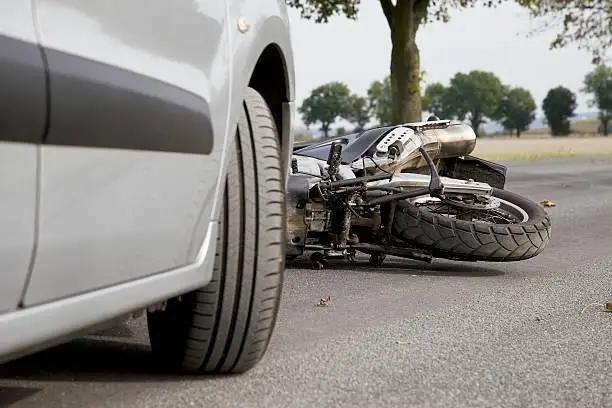

What to do if you have a Motorcycle Crash

Motorcycle accidents can be disorienting, anxiety-inducing, and confusing. Following the essential steps below can greatly aid your physical, financial, and legal recovery if you’re involved...
READ MORE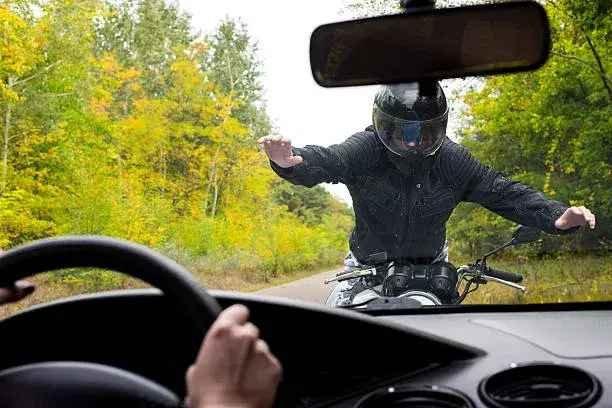
How can I avoid Motorcycle Accidents?

Riding a motorcycle undoubtedly offers unparalleled thrill and freedom but comes with certain risks, including the potential for a motorcycle accident. As a motorcyclist, knowing...
READ MORE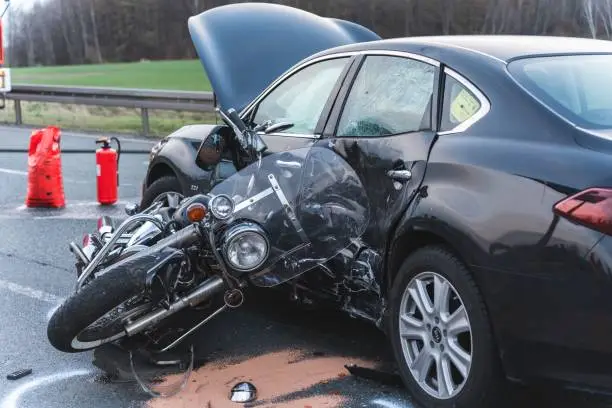
3 Things you Should Never Do after a Motorcycle Accident
Life is unpredictable, and unfortunate incidents, like a motorcycle accident, can occur when least expected. In these daunting moments, understanding what not to do is...
READ MORE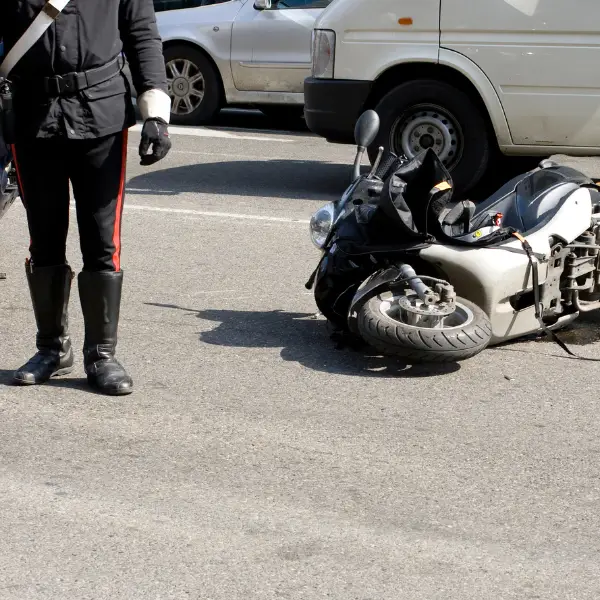
Top 5 Causes of Motorcycle Accidents

Motorcycle accidents often have serious consequences. Knowing their most common causes is an essential step toward prevention. Essential Safety Measures for Motorcyclists to Prevent Accidents...
READ MORE
The Impact of Social Media on Injury Cases
Social media has become a formidable force that is having an impact in the claims arena as well. Understanding their role is critical to protecting...
READ MORE
How Injury Lawyers Help you with Accidents
Personal injury can occur in various circumstances and often results in compensation claims due to the significant physical, emotional, and financial toll it takes on...
READ MORE
How to Document Your Personal Injury Case
Careful documentation of your personal injury case can significantly impact the success of your claim. Moreover, gathering, preserving, and presenting relevant evidence is essential to...
READ MORE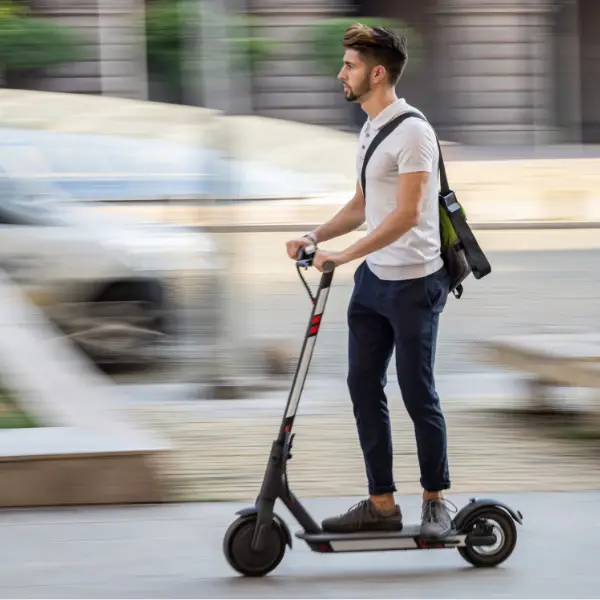
Got Hit by an E-Scooter? Do this!
Electric scooters, or e-scooters, have skyrocketed in popularity in recent years. Their convenience and ease of use make them a preferred mode of transportation in...
READ MORE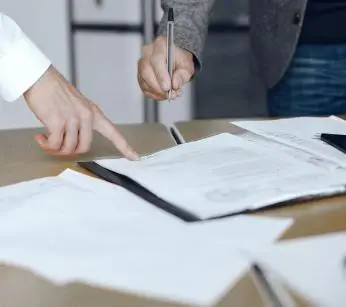
What to Expect During Your First Meeting with an Injury Lawyer
After a personal injury, seeking legal counsel can be crucial in obtaining fair compensation for your losses. Your initial consultation with a personal injury attorney...
READ MORE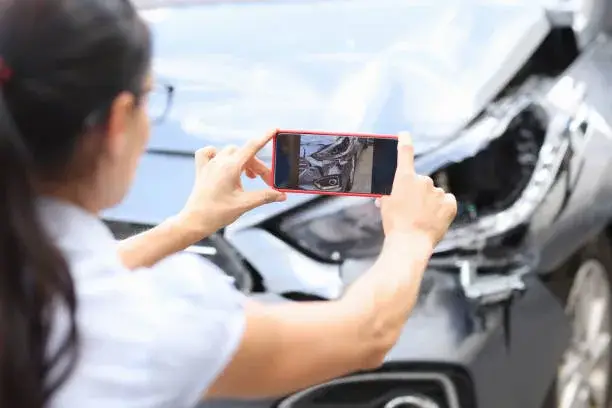
The Importance of Gathering Evidence After an Injury
Effectively collecting evidence after a personal injury plays a critical role in the success of your claim. We will highlight the importance of gathering evidence...
READ MORE
Why You Shouldn’t Wait to Hire an Injury Lawyer
The decision to hire a personal injury lawyer and the urgency to do so can significantly impact the outcome of your case. Take a closer...
READ MORE
Why a Lawyer is your Best Ally in a Motorcycle Accident
Regarding motorcycle accidents, the presence of legal counsel can significantly impact the outcome. Let us explore why an attorney is invaluable, from providing expert legal...
READ MORE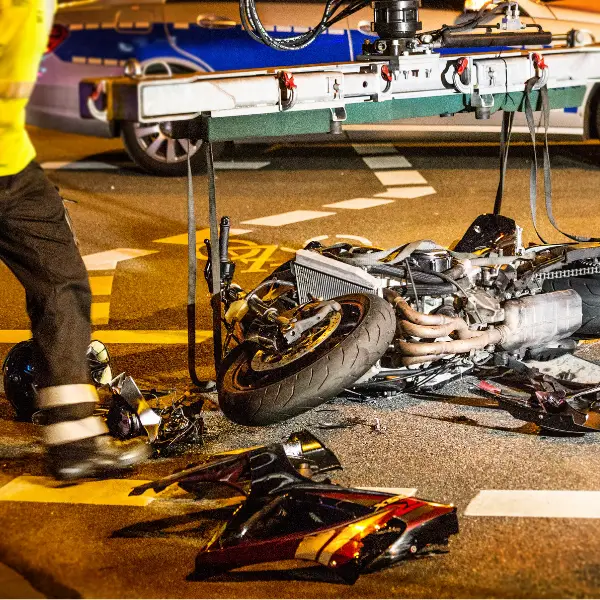
Frequently Asked Questions about Motorcycle Accidents
Imagine driving on an open road, the hum of the motorcycle engine your only company, until an unforeseen accident turns that calm into a turbulent...
READ MORE
Motorcycle Accident? Discover why you need a Lawyer
After a motorcycle accident, hiring an attorney can shift the balance significantly in your favor. Handling complicated insurance claims, providing legal insight and advocacy, establishing...
READ MORE