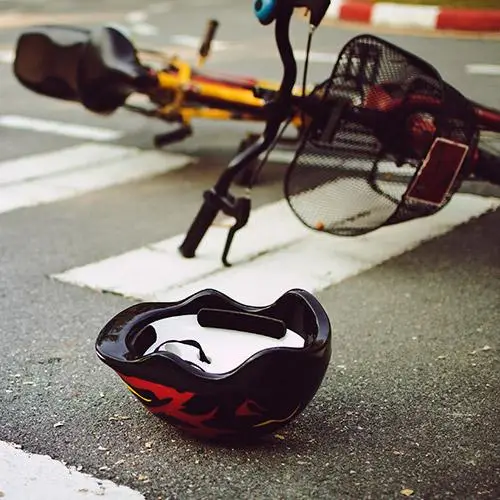

The appeal of bicycling as a mode of transportation and recreation continues to grow in the United States. But this growth also increases the risk of bicycle and motor vehicle crashes. Bicyclists and motorists need to know the most common types of bicycle accidents to avoid them and keep everyone safe. Take a closer look at the five most common bike accidents in the U.S.
Understanding Bike-Related Traffic Incidents: Key Statistics
When exploring the landscape of bike-related incidents, it’s essential to delve into the available statistics for a clearer picture.
A significant study highlights that in 2021, an overwhelming majority—95%—of cyclist fatalities occurred as a result of single-vehicle crashes. This underscores the substantial risk posed by individual vehicle encounters.
Conversely, only a smaller percentage, 5%, of these tragic events involved multiple vehicles. This data sheds light on the specific circumstances under which cyclists might be most vulnerable, emphasizing the importance of awareness and safety measures around single vehicles.
Such statistics can be pivotal for both cyclists and road safety advocates in strategizing preventive solutions.
1. Left Cross
In a left-turn collision, another vehicle turns left in front of a bicyclist who is going straight because the driver either failed to see the bicyclist or misjudged the bicyclist’s speed. This type of collision can result in severe injuries to the bicyclist due to the potential direct impact and speed of the bicyclist.
Cyclists should maintain a defensive riding style, anticipate possible left turns by motorists and car and truck drivers, and maintain a safe distance from vehicles.
2. Right Hook
A right-turn accident occurs when a motor vehicle overtakes a bicyclist and turns right directly in front of them. This abrupt action can cause the bicyclist to collide with the car or veer off the road to avoid a collision.
Bicyclists can reduce this risk by positioning themselves visible on the road, making hand signals when turning or changing lanes, and watching for vehicles approaching from behind.
Understanding Overtaking Bicycle Accidents
Overtaking bicycle accidents commonly occur when drivers misjudge the space or timing needed to pass a cyclist safely. This misjudgment may stem from:
- Underestimating Cyclist Speed: Drivers often perceive cyclists as moving slower than they are, leading to dangerous overtaking attempts.
- Overestimating Available Space: Insufficient room for safe passing, especially noticeable with larger vehicles like trucks.
- Failure to Notice Cyclists: A lack of awareness or attention, which is a critical factor in many collisions.
Prevention Tips for Drivers and Cyclists
- For Drivers:
- Ensure there is ample space and time to overtake a cyclist safely.
- Maintain constant awareness of the cyclists around you, especially when driving larger vehicles.
- For Cyclists:
- Use hand signals to make your intentions known.
- Ride predictably and stay visible on the road.
Both cyclists and drivers should remain vigilant and communicate intentions clearly to reduce the risk of accidents. By understanding the causes and adopting these preventive measures, we can create safer roads for everyone.
3. Dooring
Dooring accidents occur when the driver or passenger of a parked car opens their door into the path of a bicyclist. This unexpected obstruction can cause the bicyclist to bump into the door or swerve into traffic to avoid it.
To avoid door crashes, bicyclists should be safe from parked cars and watch for possible door openings. Drivers and passengers should always look for bicyclists before opening their doors. Practicing the “Dutch grip” (opening the door with the other hand) can also be beneficial, as it causes the person to look around to the rear and observe oncoming traffic.
How Insurance Companies and Drivers Respond to Dooring Accidents
When a dooring collision occurs, insurance companies and drivers often try to sidestep responsibility by arguing that the cyclist was “difficult to see” or asserting that the driver or passenger “had no way of knowing” a bicyclist would be passing. Some may express surprise that opening a door into a cyclist’s path is considered a traffic violation, hoping to shift attention away from their own actions.
However, these explanations rarely hold up in the eyes of the law. Traffic regulations—including those in cities like Chicago and New York—explicitly state that it is the responsibility of those exiting vehicles to check for approaching cyclists before opening a door. Regardless of intent or awareness, liability typically falls on the individual who failed to look out for bicyclists, and insurance adjusters will often scrutinize whether reasonable caution was exercised.
In short, while drivers and insurers may try to deflect blame, safety laws are clear: vigilance when opening car doors is not optional.
4. Rear-End Collisions
Rear-end collisions occur when a motor vehicle hits a bicyclist from behind. These accidents usually happen due to inattention, excessive speed, or riding too close to bicyclists.
Cyclists can increase their visibility by wearing bright clothing and using lights and reflectors, especially in low-light conditions. They should also strive to ride a steady and predictable path. Other drivers should maintain a safe distance and avoid distractions while riding. They should also give cyclists plenty of room when passing.
How Insurance Companies Minimize Liability in Rear-End Bicycle Crashes
After a rear-end bicycle collision, insurance companies often look for ways to limit their financial responsibility. They may argue that the cyclist was at fault by claiming the rider suddenly changed direction, stopped without warning, or wasn’t clearly visible to the driver. These tactics shift focus away from the typical cause—driver inattention or unsafe following distance.
However, just as a driver is usually at fault when rear-ending another car stopped at a light, the same standard generally applies to bicycles. Both cyclists and drivers need to understand these common insurance strategies and be prepared to address them if a claim arises.
Steps to Take After a Bicycle Accident for Medical and Legal Support
Prioritize Medical Attention
- Seek Immediate Medical Care
If you’ve been in a bicycle accident, the first thing to do is get medical attention right away. Visit the emergency room or a nearby clinic to ensure any injuries, visible or not, are assessed and treated promptly. - Consult Specialists if Necessary
Depending on the nature and extent of your injuries, you might need to see medical specialists. Consider consulting an orthopedic doctor for bone injuries or a neurologist if you suspect a head injury. Early and specialized intervention is crucial. - Commit to a Medical Treatment Plan
Following the initial treatment, adhere strictly to your doctor’s recommendations. This might involve surgery or ongoing therapies like physical rehabilitation. Consistency in your treatment not only aids recovery but also documents the severity of your injuries.
Prepare for Legal Procedures
- Document Everything
Start gathering all medical records and keep detailed notes of physician visits, treatments, and prescriptions. This documentation is vital for legal proceedings, should you need to demand compensation. - Connect with a Legal Professional
Engage a legal expert who understands accident claims. They can assist in collecting necessary documents and manage communication with insurance companies while you focus on recovery. - Develop a Settlement Demand
With your attorney, work to create a comprehensive demand package. This includes medical bills and documentation of ongoing treatment, which can support your case for adequate compensation.
By following these steps, not only do you ensure your health is a priority, but you also lay a strong foundation for any potential legal actions, enabling you to focus on recovery without additional stress.
Why It’s Best to Stay Silent Around Insurance Adjusters and Avoid Admitting Fault
After an accident, it’s natural to want to explain what happened or answer questions from insurance representatives. However, it’s wise to let your legal counsel take the lead when dealing with insurance companies. Here’s why:
- Insurance adjusters are not your advocates
Their primary goal is to protect the company’s bottom line, not your interests. Anything mentioned—even casual comments—can be used to minimize your compensation or twist the facts of the case. - Avoiding misstatements that impact liability
Admitting fault, even in passing (“I didn’t see the car,” or “I should have paid more attention”), can alter the way responsibility is assigned. Even innocent remarks can be misconstrued or cited as proof of negligence, which may unfairly shift the blame onto you and reduce your settlement. - Let your lawyer speak for you
Your attorney knows exactly what information should be shared—and when. By allowing them to communicate on your behalf, you help safeguard your rights and avoid inadvertently weakening your case.
In sum, silence and caution now preserve your options later.
Why Prompt Medical Care Matters for Your Claim
Delaying medical treatment after a bicycle accident can unintentionally weaken your case for compensation. Insurance adjusters often argue that if you waited to seek care, your injuries must not have been serious, or might not have been caused by the accident at all.
Seeking prompt medical attention does two important things:
- Establishes a direct link between the accident and your injuries in your medical records.
- Prevents insurers from claiming that your injuries were minor or unrelated.
By having a healthcare provider document your injuries on the same day as the crash, even if symptoms seem mild, you close the door on common strategies insurers use to deny or reduce compensation. This early record strengthens your position as you move forward with your claim.
What Factors Determine the Total Compensation Awarded in a Bicycle Accident Case?
When involved in a bicycle accident, several key factors influence the total compensation you’re likely to receive, whether through a settlement or court decision.
- Circumstances of the Accident: Details such as fault, location, and traffic conditions at the time of the accident play a pivotal role.
- Injury Severity: The more severe your injuries, the greater the compensation. This includes factors like pain, suffering, and any long-term disabilities.
- Medical Expenses: All costs related to your treatment, including emergency room visits, surgeries, rehabilitation, and ongoing care, are crucial.
- Permanent Implications: If your injuries lead to lasting impairments or necessitate lifestyle changes, this will considerably impact the compensation amount.
Each of these components is scrutinized during the claims process, helping to determine a fair settlement or award based on your unique situation.
Understanding Side-Swipe Bicycle Accidents and Prevention Strategies
Side-swipe bicycle accidents typically occur when a motor vehicle overtakes a cyclist without maintaining a safe distance. This lack of space can cause the vehicle to graze the cyclist, potentially resulting in loss of balance or even more serious injuries. Such accidents can stem from motorists not following legal guidelines for safe passing distances, or simply failing to notice the cyclist.
How to Prevent Side-Swipes
- For Drivers:
- Adhere to the minimum passing distance laws, which can be at least 3 feet in many regions. This space helps ensure the safety of cyclists on the road.
- Stay constantly aware of cyclists, especially in crowded or less visible areas. Checking mirrors and blind spots can prevent accidents.
- For Cyclists:
- Wear bright, reflective clothing. High-visibility attire is key to being noticed by drivers, especially in low-light conditions.
- Equip your bike with lights and reflectors. Front and rear lights can significantly enhance your visibility on the road.
- Ride predictably by maintaining a straight line and avoiding sudden movements when vehicles are passing. Consistent riding patterns help motorists anticipate your movements, reducing the risk of side-swipes.
By following these guidelines, both drivers and cyclists can contribute to safer road environments and reduce the incidence of side-swipe accidents.
Understanding Drive-Out Bicycle Accidents and Their Prevention
What Are Drive-Out Bicycle Accidents?
Drive-out bicycle accidents happen when a vehicle pulls out from a driveway, parking lot, or side street directly into the path of a cyclist. These incidents often occur because drivers fail to properly check for the presence of cyclists before entering the roadway, leading to potentially dangerous collisions.
How Can Drivers Prevent These Accidents?
Awareness and caution are key for drivers:
- Perform Thorough Checks: Always look for cyclists approaching from either direction before pulling onto a road. Mirrors and over-the-shoulder checks can help spot any cyclists who may be hidden by blind spots or obstacles.
- Use Turn Signals: Make your intentions clear to others on the road, including cyclists, by using your vehicle’s turn signals well before you enter the roadway.
- Reduce Speed: When exiting a driveway or side street, consider slowing down to get a better view and more time to react to any approaching cyclists.
Cyclist Prevention Tips:
Cyclists, too, can play a vital role in preventing these collisions:
- Be Extra Vigilant: Approach driveways and side streets with caution, recognizing these as high-risk areas for drivers pulling out.
- Enhance Visibility: Equip your bike with lights and wear bright, reflective clothing to ensure drivers notice you. This is especially important during low-light conditions.
- Maintain Awareness Surroundings: Keep an eye on potential hazards, like vehicles inching forward out of driveways or side streets, and be ready to stop or maneuver if necessary.
By taking these proactive steps, both drivers and cyclists can significantly reduce the risk of drive-out accidents, ensuring safer journeys for everyone on the road.
How Do Dog Chase Incidents Lead to Bicycle Accidents?
Dog chase incidents can be unnerving and dangerous for cyclists. When a dog suddenly gives chase, it may nip at the cyclist’s ankles or tires. This unexpected pursuit can easily cause the cyclist to lose balance and result in a crash. The erratic behavior of dogs makes these situations unpredictable, increasing the risk of an accident.
Prevention Tips for Cyclists
To mitigate the risk of dog chase incidents leading to accidents, consider the following strategies:
- Plan Your Route: Avoid areas known to have loose or stray dogs whenever possible. Check community boards and online forums for any warnings from fellow cyclists.
- Keep Your Distance: If you spot a dog ahead, slow down and give yourself and the dog ample space. Sometimes a wide berth is all it takes to avoid triggering a chase.
- Use a Deterrent: Carry a spray bottle filled with water. A quick spray can discourage a dog from pursuing you further. Make sure it’s easily accessible for quick action.
- Stay Calm: Resist the urge to kick or shout at a chasing dog, as this may heighten its aggression. Instead, maintain a steady pace and avoid sudden movements that could provoke the animal.
Additional Safety Measures
- Consider Safety Gadgets: Some cyclists use electronic devices designed to emit high-pitched sounds that deter dogs. Research and choose a reputable product if you opt for this approach.
- Ride in Groups: Cycling with others can often deter dogs from approaching. The presence of multiple cyclists is usually enough to make dogs hesitate.
By employing these tactics, cyclists can better protect themselves from accidents caused by dog chases. Staying prepared and informed is key to ensuring a safer ride.
5. Intersection Accidents
Intersection accidents are accidents in which a bicyclist and a motorist collide while traveling through an intersection. These accidents can occur due to lack of visibility, failure to yield the right-of-way, or misunderstandings between bicyclists and motorists.
Bikes should approach intersections cautiously, use hand signals, and make eye contact with motorists whenever possible. They should also obey all traffic signals and signs.
Identifying and Managing Poor Road Conditions for Cyclists
Navigating a bicycle through challenging road conditions poses significant risks. Conditions like potholes, cracks, uneven surfaces, and stray debris can easily cause cyclists to lose control, resulting in accidents. Addressing these hazards is crucial, both through vigilant cycling strategies and proactive road maintenance.
Common Hazardous Road Conditions:
- Potholes: These depressions can throw cyclists off balance if hit unexpectedly.
- Cracks and Uneven Surfaces: Gaps and height differences in the pavement create instability.
- Debris: Objects or materials on the road can obstruct paths or cause tire damage.
Safe Cycling Strategies:
To safely navigate these obstacles, cyclists can adopt the following approaches:
- Report Issues: Always inform local authorities about hazardous road conditions, advocating for prompt repairs.
- Adapt Your Equipment: Consider using bikes with suspension systems or wider tires designed to absorb shocks from rough surfaces.
- Stay Alert: Maintain a cautious and consistent speed. Continuously scan the path ahead, adjusting your route as necessary to avoid imminent road hazards.
By combining these strategies, cyclists can increase their safety and contribute to a smoother, more secure biking experience. Remember, awareness and preparation are your best tools in tackling any road condition.
Why Consulting an Experienced Bicycle Accident Lawyer Promptly is Crucial
When it comes to bicycle accidents, time is of the essence. Engaging a seasoned bicycle accident lawyer early can significantly impact the outcome of your case. Here’s why:
- Thorough Investigation: A skilled attorney can dive deep into the specifics of your accident promptly, gathering crucial evidence and witness statements before they fade. This immediate action forms the backbone of a solid claim.
- Navigating Insurance Claims: Filing a claim with the at-fault driver’s insurer can be intricate. An experienced lawyer knows the ropes, ensuring all paperwork is accurately submitted and crucial deadlines are met.
- Effective Negotiation: Insurance adjusters often aim to minimize payouts. With a knowledgeable lawyer by your side, you have an expert negotiator who can push for a fair settlement and refuses to settle for less than what you’re entitled to.
- Litigation Expertise: Should negotiations stall, your attorney can swiftly transition your case to court. With an efficient litigator advocating for you, you can pursue maximum compensation with confidence.
- Protecting Legal Rights: Throughout the process, a dedicated lawyer fights zealously for your interests, ensuring your rights are upheld and that you recover the monetary damages you deserve.
Prioritizing a legal partnership soon after an accident ensures that every aspect of your case is meticulously managed. This timely intervention not only streamlines the legal journey but also heightens the chances of a favorable resolution.
How Can a Bicycle Accident Attorney Assist Victims?
Bicycle accidents can be overwhelming, leaving victims grappling with injuries, damages, and the complexities of legal proceedings. A skilled bicycle accident attorney serves as an invaluable ally in navigating these challenges. Here’s how they can support your case:
1. Negotiating with Insurance Companies
A key role of your attorney is to represent you vigorously during settlement discussions. Before any negotiations kick-off, your lawyer compiles a comprehensive settlement demand package for the insurance adjuster. This package generally contains:
- A detailed demand letter
- Essential documents, such as:
- Photographs of your injuries and property damage
- Accident scene visuals
- Surveillance footage
- Medical expenses and treatment records
- Verification of lost wages from your employer
The insurance company examines this documentation to decide on the compensation to offer. It’s well known that insurers aim to minimize payouts, necessitating a tenacious negotiation strategy from your attorney.
2. Pursuing Legal Action
If negotiations stall or the offer on the table is inadequate, your attorney can escalate the situation by filing a personal injury lawsuit. This step involves litigating your case in court, where your lawyer will continue to stand by you throughout every legal proceeding.
3. Representing in Court Proceedings
Your legal advocate will accompany you and represent your interests in all court-related scenarios. This can include:
- Civil jury trials
- Mediation sessions
- Binding arbitration hearings
Their presence ensures that your case is presented accurately and robustly at every stage.
A bicycle accident attorney is crucial in bridging the gap between suffering an accident and obtaining fair compensation. Their expertise not only helps in settling negotiations but also in driving the case through court if necessary. Ultimately, they are dedicated to ensuring that you receive the justice and compensation you deserve.
Common Insurance Company Tactics to Minimize Compensation
Insurance companies are well-versed in strategies designed to limit the amount they pay out on bicycle accident claims. It’s not uncommon for adjusters to attempt to reduce or deny claims by employing some well-practiced tactics, such as:
- Shifting Blame: Adjusters may assert that the cyclist was partially or wholly responsible for the incident. Common arguments include suggesting the cyclist was not visible, was traveling at an unsafe speed, or made unexpected maneuvers.
- Downplaying Negligence: Even in clear-cut situations, such as rear-end collisions that typically indicate driver fault—insurers may still attempt to shift responsibility away from the motorist.
- Highlighting Policy Exclusions or Technicalities: Insurance representatives frequently scrutinize the details of your policy, looking for exclusions or procedural missteps they can use to invalidate the claim.
- Questioning Damages: Insurers may dispute the extent of injuries or property damage, sometimes by requesting additional documentation or arguing that pre-existing conditions contributed to your losses.
- Seizing on Statements: Any inadvertent admission or poorly worded statement can be used by the insurer to decrease your settlement or reject the claim entirely.
Given these tactics, it’s crucial to allow your attorney to manage all communications with the insurance company. This ensures that your case is presented accurately and that your rights are fully protected as you pursue fair compensation.
Practical Prevention Tips to Minimize Bicycle Accidents
Reducing the risk of bicycle accidents involves proactive measures from both cyclists and drivers. Here is a comprehensive guide to strategies that can enhance safety on the road:
For Drivers
- Maintain Safe Distance: Always provide cyclists with a minimum legal passing distance, which is typically three feet or more. Ensuring ample space and time when overtaking cyclists can prevent collisions.
- Blind Spots Awareness: Constantly check mirrors and blind spots for cyclists, especially before making turns or merging.
- Monitor Intersections: Be extra vigilant at intersections and anticipate cyclists’ movements. It’s crucial to yield and be prepared for any sudden actions.
- Door Safety: Before opening car doors, practice the “Dutch Reach” method by using the far hand, which naturally makes you look back for oncoming cyclists.
For Cyclists
- Increase Visibility: Wear bright, reflective clothing and equip bikes with lights and reflective gear, especially during low-light conditions. This greatly enhances visibility and helps catch drivers’ attention.
- Ride Predictably: Maintain a steady line and avoid swerving. Using hand signals to express intentions can communicate your next moves to drivers clearly.
- Intersection Caution: Exercise caution at intersections and make eye contact with drivers whenever possible to ensure acknowledgment.
- Use Safety Gear: Investing in safety devices like mirrors and radar detection can provide warnings about approaching traffic, allowing for timely decisions.
Shared Responsibilities
- Obey Traffic Laws: Both cyclists and drivers should respect all traffic signals and signs. This mutual adherence reduces confusion and potential accidents.
- Communication: Establishing clear intentions through hand signals, verbal cues, or eye contact can prevent misunderstandings on the road.
- Avoid Distractions: Whether behind the wheel or on a bike, focusing one’s full attention on the road is essential. Distractions can lead to preventable accidents.
Additional Recommendations
- Road Conditions: Cyclists should report hazardous conditions to local authorities. Riding at a prudent speed and using bikes with appropriate tires can help navigate difficult terrains.
- Community Education: Participation in awareness campaigns can educate the public on bicycle safety, highlighting critical precautions for both cyclists and drivers.
- Dealing with Dogs: When encountering loose dogs, cyclists should avoid confrontation. Using a water bottle to deter them without escalating aggression can be effective.
- Group Riding Etiquette: In group settings, using verbal signals and maintaining a consistent pace ensures safety. Riding two abreast where safe and single file in traffic is advisable.
By following these practical tips, both cyclists and drivers can significantly minimize the risk of accidents, fostering a safer environment for everyone on the road.
Understanding Hit and Run Bicycle Accidents
Hit-and-run bicycle accidents occur when a driver hits a cyclist and then leaves the scene without stopping to help, exchange information, or wait for law enforcement to arrive. These types of accidents are not only alarming but also pose significant challenges for cyclists. The aftermath often involves dealing with physical injuries as well as legal hurdles, making recovery and justice difficult to achieve.
Tips for Prevention
While it’s challenging to prevent a driver from fleeing the scene, there are actionable steps cyclists can take to protect themselves and aid in the pursuit of justice:
- Gather Crucial Information:
- Cyclists and witnesses should make an effort to remember and record details such as the vehicle’s make, model, color, and license plate number. Promptly sharing this information with authorities is critical.
- Equip with Technology:
- Use a bicycle-mounted camera or wear a personal action camera. These devices can capture important footage that might be pivotal for identifying the vehicle involved.
- Promote Community Vigilance:
- Raise awareness within your community about the prevalence of such incidents. Educating fellow cyclists and drivers about the impact of hit-and-runs can foster a more responsible and attentive road-sharing culture.
By employing these strategies, cyclists can not only enhance their personal safety but also contribute to the broader effort of reducing hit-and-run incidents.
Understanding Vehicle Impact on Bicycle Accident Fatalities
When considering the factors behind bicycle accident fatalities, the type of vehicle involved plays a crucial role. Different vehicles pose varying levels of risk to cyclists due to their size, speed, and design features.
Types of Vehicles Involved
- Cars and Sedans: These are the most common vehicles involved in bicycle accidents. While generally smaller in size compared to trucks and SUVs, the speed at which they travel can still cause significant harm.
- Trucks and Buses: Due to their sheer size and weight, collisions with these vehicles are often more severe. Their high ground clearance can also lead to cyclists being caught underneath during an accident, increasing the risk of fatalities.
- SUVs and Crossovers: These vehicles have gained popularity in recent years and are associated with an increased risk to cyclists. Their higher front end can lead to more severe upper-body injuries upon impact.
Points of Impact
- Front Bumper and Grille: Most impacts happen with the front of the vehicle, posing a high risk of fatality due to direct force and lack of protection for cyclists.
- Side Impact: This often occurs when vehicles are turning, especially at intersections. The cyclist’s exposure is increased here, highlighting the need for better visibility and caution from drivers.
Understanding these dynamics helps in advocating for safer road designs and vehicle modifications that could potentially reduce the severity of bicycle accident fatalities. Ultimately, enhanced awareness and strategic safety measures can significantly impact the outcome of such unfortunate events.
Understanding and Preventing Group Riding Accidents
Group riding accidents often result from cyclists riding in close proximity without maintaining adequate communication, which can lead to wheel overlaps, unexpected swerves, or abrupt stops. These actions heighten the risk of collisions within the group. To minimize these risks, it’s crucial to adopt effective communication and safe riding practices.
Common Causes of Group Riding Accidents
- Close Proximity: Riding too closely can lead to wheel overlapping, increasing the chance of losing balance and crashing.
- Sudden Movements: Abrupt changes in speed or direction can catch fellow cyclists off-guard, leading to potential collisions.
- Lack of Communication: Failing to inform others of your intentions, such as stopping or turning, results in confusion and accidents.
Strategies to Minimize Risks
- Communicate Clearly: Use loud verbal cues and visible hand signals to express your movements and intentions. This helps others anticipate your actions.
- Maintain Safe Distances: Keep a consistent and safe space between you and the cyclists ahead. This buffer allows for reaction time in case of sudden changes.
- Adopt Good Etiquette: Ride side-by-side only when it is safe, such as in low-traffic areas, and switch to a single file when navigating through traffic.
By integrating these practices into your group rides, you not only enhance your safety but also contribute to a more enjoyable and secure cycling experience for everyone involved.
Exploring Legal Options for Cyclists in Accidents
Cyclists involved in accidents often face a myriad of legal challenges. It’s crucial to understand what options are available to protect your rights and seek the compensation you may be entitled to.
1. Consultation with a Personal Injury Attorney
The first step is to consult with a personal injury attorney who specializes in bicycle accidents. These professionals can help assess the specifics of your case, including who may be liable and what damages can be claimed.
2. Filing a Personal Injury Claim
- Medical Expenses: It’s possible to recover costs associated with medical treatments, rehabilitation, and future healthcare needs.
- Lost Wages: If your injury prevents you from working, you may be compensated for lost wages and loss of earning capacity.
- Pain and Suffering: Compensation for emotional distress, pain, and suffering is also considered.
3. Defective Equipment Claims
Sometimes, accidents occur due to defective bicycle components. In such cases, pursuing a product liability claim against the manufacturer could be an option.
4. Uninsured Motorist Coverage
If the accident involves a motorist without adequate insurance, you might leverage your own insurance policy if it includes uninsured motorist coverage.
Other Considerations
- Documentation: Collect evidence such as photos of the scene, witness contacts, and medical records.
- Timelines: Be aware of the statute of limitations in your state to ensure your claim is filed in a timely manner.
Seeking legal guidance promptly can help navigate these options and determine the best course of action.
Knowing about these common bike accidents and taking the appropriate preventative measures can lead to a safer environment for all road users. It’s everyone’s responsibility to promote safety on our roadways. By riding defensively, obeying traffic laws, staying alert, and participating responsibly on the road, we can significantly reduce the risk of accidents and make our streets safer. If you need a lawyer for your case, we can talk with you, free of charge, right now!