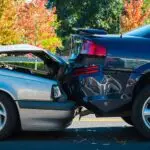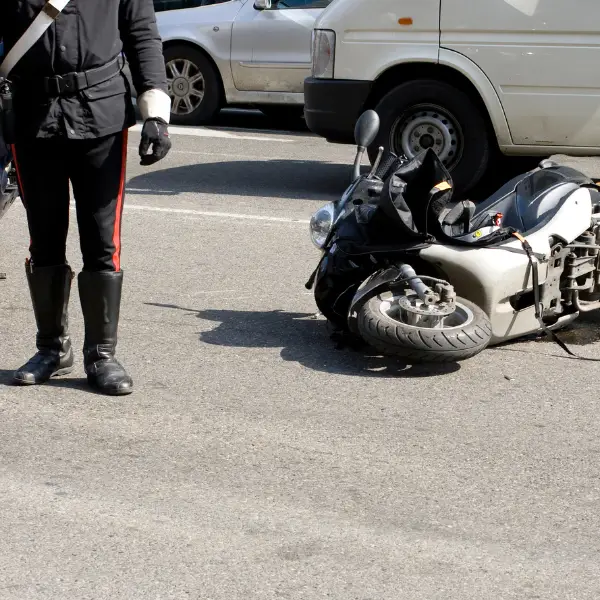

Motorcycle accidents often have serious consequences. Knowing their most common causes is an essential step toward prevention.
Essential Safety Measures for Motorcyclists to Prevent Accidents
Motorcycling offers an exhilarating sense of freedom, but safety should always be at the forefront. Here are key measures motorcyclists can adopt to protect themselves and others on the road:
- Choose the Right Helmet
Invest in a helmet that fits properly and meets safety standards like DOT, ECE, or Snell certifications. - Stay Sober
Always ride with a clear mind. Alcohol and drugs can impair your judgment and reaction time, increasing the risk of accidents. - Undergo Training
Attend a certified motorcycle training course to enhance your riding skills and learn how to handle various road conditions safely. - Gear Up with Safety Equipment
Wear protective gear, including jackets with armor, gloves, sturdy boots, and pants designed specifically for motorcycling. - Install Advanced Safety Tech
Equip your bike with technologies such as anti-lock braking systems (ABS) and traction control to help maintain stability and control. - Enhance Visibility
Don reflective clothing and use bike lights to ensure you are visible to other road users, especially at night or in poor weather conditions. - Stay Alert and Predictive
Maintain a vigilant attitude while riding, keeping an eye on the behavior of other vehicles. Anticipate potential hazards and plan your responses in advance.
By integrating these practices into your routine, you’ll significantly reduce the likelihood of being involved in an accident and enjoy a safer riding experience.
Explore the five most common causes to remember, and some frequently asked questions to help you better understand them.
1. Excessive speed
Excessive speed is one of the leading causes of motorcycle accidents. It shortens a rider’s reaction time, increases braking distance, and increases the potential severity of an accident.
How Does the Agility and Responsiveness of Motorcycles Help in Avoiding Accidents?
Motorcycles possess a unique blend of agility and responsiveness, which can play a pivotal role in accident prevention. This dynamic combination allows riders to navigate potential hazards more effectively than larger vehicles.
Quick Maneuvering: Motorcycles can swiftly weave through dense traffic, making it easier to avoid sudden obstacles or unpredictable drivers. This quick maneuverability can be lifesaving in situations where split-second decisions are necessary.
Responsive Braking: The braking systems on motorcycles typically offer superior responsiveness compared to those on cars or trucks. This allows riders to stop suddenly when confronted with unexpected road conditions or hazards such as debris or sudden stops by other vehicles.
Ease of Evasion: In cases where a threat is imminent, a motorcycle’s ability to tilt and make rapid directional changes can help in avoiding collisions. Riders trained to utilize this agility can often steer clear of potential accidents that would be unavoidable in less nimble vehicles.
Reduced Blind Spots: With a higher field of vision, motorcyclists can spot dangers more swiftly. Their ability to quickly adjust their position on the road further enhances their capacity to anticipate and react to threats, minimizing the chance of accidents.
By capitalizing on these capabilities, motorcyclists who practice vigilance and undergo proper training can significantly reduce the likelihood of accidents, ensuring a safer ride on every journey.
Excessive speed often tops the list because it shortens the rider’s reaction time and increases the accident’s severity. To mitigate the risk, drivers should obey speed limits and adjust their speed to the prevailing traffic and weather conditions.
Staying Visible and Avoiding Left-Turn Collisions
Left-turn collisions—often called “T-bone” accidents—are a persistent hazard for motorcyclists, especially at busy intersections. Frequently, drivers fail to spot oncoming motorcycles, not out of malice, but because they simply aren’t expecting them.
How Riders Can Increase Their Visibility:
To help ensure drivers see you, consider these proven strategies:
- Position Yourself Strategically: Ride in a lane position that keeps you visible in drivers’ mirrors—not tucked behind other vehicles where you can be easily overlooked.
- Use Your Lights Effectively: Make sure your headlights are on at all times, even during the day. Flipping your high beams on when approaching intersections may catch a driver’s eye without blinding them.
- Signal Early and Clearly: Always signal your intentions well before making a move. Don’t rely on quick flicks—use long, obvious signals, and if permitted by law, a gentle flash of your brake lights for added emphasis.
- Watch for Tell-Tale Signs: Keep an eye on the front wheels of vehicles waiting to turn—movement here is often the first indicator a car is about to cross your path. Be alert for gaps in traffic, as this is a prime moment when drivers might take their chance to turn.
- Make Small Movements: Shifting your lane position or gently “wiggling” your handlebars can help draw attention to your presence—movement tends to catch the human eye even when drivers are scanning inattentively.
- Maintain a Safe Following Distance: Avoid riding directly beside or hidden behind other vehicles; staying visible to oncoming traffic bridges the gap between being seen and being ignored.
By adopting these habits, you greatly improve your odds of being noticed and avoided by drivers making left turns. A few extra seconds of attention and a visible, predictable riding pattern can make all the difference in preventing an all-too-common type of crash.
What group riding practices can help prevent speed-related accidents?
Group rides are a great way to enjoy the open road with fellow motorcyclists, but they come with their own set of challenges—particularly when it comes to managing speed safely. To reduce the risk of speed-related mishaps, keep these practices in mind:
- Position Riders Wisely: Place the least experienced riders up front, with the ride leader setting a pace that’s comfortable for everyone. Veteran riders can stay at the back to provide support and keep the group cohesive.
- Communicate Before You Roll: Go over the route, signals, and riding formation before heading out. Clear communication ensures everyone knows what’s expected and can stick together safely.
- Set a Manageable Pace: Maintain a speed that the entire group can handle. Avoid the pressure to catch up if you fall behind; the group should slow down or regroup as needed.
- Use Staggered Formation: Riding in a staggered formation boosts visibility and provides enough space for sudden stops—helping to prevent accidents if someone in front brakes unexpectedly.
- Regular Check-Ins: Make frequent stops to regroup, check on every rider, and review any issues that arise.
By following these group riding best practices, you can help everyone enjoy the ride while minimizing the chances of speed-related accidents.
2. Alcohol and Drug Use
Driving under the influence of alcohol significantly increases the risk of an accident. Substances such as drugs and alcohol can impair judgment, balance, and the ability to react to sudden changes in traffic.
The solution is simple: never drink and drive. If you have consumed alcohol, take a cab or designate a sober driver.
Age and experience are often seen as assets in many aspects of life, including activities like riding. However, when it comes to riding while impaired, these factors provide little advantage.
The Impact of Age
Older riders might assume that their years of experience naturally shield them from the risks associated with impaired riding. Unfortunately, this is not the case. Impairment diminishes everyone’s reaction times and decision-making skills, regardless of age.
Experience Level Considerations
Experienced riders might feel more confident handling challenging situations on the road, but impairment can significantly undermine their ability to do so. Skills honed over years of practice become compromised, making seasoned riders just as vulnerable as novices.
The Equalizing Effect of Impairment
Alcohol and drugs don’t discriminate based on how long you’ve ridden a motorcycle or driven a vehicle. Both novice and experienced riders face the same risks when their cognitive functions are impaired.
In conclusion, neither age nor experience effectively mitigates the dangers of riding while impaired. All riders need to prioritize safety and avoid riding under the influence to ensure their well-being and that of others on the road.
3. Lane change
When changing lanes, a motorcyclist changes between the streets of slow or stopped cars. This practice can lead to accidents because vehicles are close together, and space to maneuver is limited.
The legality of lane splitting varies from place to place. However, due to the proximity of other vehicles, it’s inherently risky and should be avoided for safety reasons.
4. Cars Making Left-Hand Turns
This scenario is responsible for a significant number of motorcycle accidents. The turning car usually collides with the motorcycle as it passes through an intersection.
How Do Distracted Drivers Contribute to Motorcycle Accidents?
Distracted driving is a growing danger on today’s roads, significantly increasing the risk of accidents involving motorcyclists. Even the most experienced bikers are vulnerable when drivers fail to give their full attention to the task at hand.
Leading Causes of Driver Distraction
Distracted drivers are often preoccupied with various activities that draw their focus away from the road:
- Electronic Devices: The surge in cellphone usage, with distractions like texting, calls, and apps, has skyrocketed over the past two decades. This shift alone has contributed to a notable rise in traffic incidents.
- Multitasking in the Vehicle: Whether it’s indulging in a snack, adjusting the stereo, or following a gripping podcast, these seemingly harmless activities divert attention from driving.
- General Inattention: Daydreaming or simply not being alert reduces a driver’s ability to react quickly and effectively to unexpected situations.
Impact on Motorcyclists
For motorcyclists, the danger is particularly acute. A distracted driver might not notice a motorcycle due to its smaller size compared to other vehicles. This inattention can lead to life-threatening situations, such as abrupt lane changes or failure to detect a motorcycle at intersections.
Safety Tips for Riders
In today’s fast-paced world, the road is filled with distractions that can lead to dangerous situations for motorcyclists. From phone calls and texts to podcasts and music, drivers are often not as focused as they should be. This lack of attention is a significant contributor to roadway accidents, with distracted driving accounting for a minimum of 10% of all fatal crashes in the United States.
Motorcyclists can take proactive steps to enhance their safety:
- Maintain a Safe Distance: Keep a buffer zone from other vehicles to allow more time to react.
- Invest in Safety Technology: Modern collision avoidance systems can provide riders with critical alerts.
- Visibility Matters: Wear bright, reflective clothing to increase visibility, especially in poor lighting conditions.
Despite ongoing motorcycle awareness campaigns, which aim to retrain all road users to look out for two-wheelers, riders must remain vigilant. The rise in driver cell phone use, which has surged by 1,500% since 2003, only heightens the need for motorcyclists to be on high alert.
Taking these preventative measures can significantly reduce the risk of accidents, ensuring a safer ride for everyone on the road.
Be extra careful at intersections, slow down, and always be prepared to take evasive action if necessary.
5. Inexperienced Riders
Lack of experience can lead to critical mistakes, such as turning into a corner too quickly or not understanding the motorcycle’s capabilities, leading to accidents.
Motorcycle vs. Passenger Vehicle Accident Statistics
Motorcycle accidents tend to be significantly more dangerous than those involving passenger vehicles. According to a 2018 study by the American National Highway Traffic Safety Administration (NHTSA), the risk of injury or death in a motorcycle crash is alarmingly high.
- Crash Consequences: Approximately 80% of motorcycle crashes result in injury or fatality, compared to only 20% for cars and trucks.
- Fatality Likelihood: Motorcyclists are 27 times more likely to die in a crash compared to occupants of passenger vehicles.
Every year in the United States, nearly 5,000 motorcyclists lose their lives in traffic accidents. These statistics highlight the inherent risks motorcyclists face on the road compared to those traveling in enclosed vehicles.
How Personal Factors Contribute to Motorcycle Crashes
Alcohol & Drug Use
Riding a motorcycle demands high alertness. Unfortunately, alcohol and drugs dramatically impair this ability. Statistics underline the danger: nearly a third of motorcyclists in fatal crashes exceed the legal blood-alcohol limit. Even a single drink can hinder crucial areas of the brain responsible for judgment, balance, and coordination, risking life and limb.
Speed
The thrill of acceleration can quickly become perilous. Speeding is a prevalent factor in motorcycle accidents because it reduces a rider’s ability to react to sudden changes, whether it’s a surprise obstacle or a sharp curve. Even experienced bikers need to remember that high speed limits reaction time and control, increasing the likelihood of crashes.
Inexperience & Inattention
Unlicensed or inexperienced riders are disproportionately involved in collisions. Before hitting challenging roads, new riders should undergo comprehensive training. Shockingly, data indicates that an incredible 29% of all motor fatalities involve riders without a license. This statistic underscores the vital role of proper licensing and training.
New riders are encouraged to spend their first season on less challenging roads to sharpen their skills. Comprehensive training isn’t just a one-time requirement. Continuing education classes and even 1:1 coaching are available through most motorcycle schools and organizations, providing essential and ongoing support. Licensing classes cover a wide range of topics, from basic motorcycle function to essential and lifesaving motorcycling drills, ensuring riders are well-prepared for the road.
Meanwhile, distraction affects all riders. The human brain can’t effectively juggle tasks like riding and using a smartphone. Staying focused by eliminating these distractions can help enhance safety. By prioritizing training and attention, riders can significantly reduce their risk on the road.
Physical & Emotional Impairment
Functional impairments aren’t limited to substances; fatigue and emotional distress also pose risks. Sleep deprivation stands on par with moderate intoxication in its detrimental effects on alertness. Riding necessitates full mental engagement, so it’s crucial to pull over if tired or emotionally unstable to stay safe on the road.
Mechanical Problems
Personal responsibility extends to motorcycle maintenance. Mechanical failures, like brake or tire issues, often stem from neglect. Regular inspections and timely repairs are essential. Keeping your bike in optimal condition significantly reduces the risk of accidents triggered by preventable malfunctions.
Overall, being aware of and addressing these personal factors can markedly decrease the risk of motorcycle crashes. Safe riding begins with personal accountability and caution.
Through consistent training and practice, novice riders can improve their skills. They can also become more competent riders by starting with a motorcycle that matches their current skill level.
What Specific Roadway Conditions Can Lead to Motorcycle Crashes?
Motorcyclists often face unique dangers on the road due to their vehicle’s vulnerabilities. Although some hazards may go unnoticed by drivers, they can spell disaster for those on two wheels. Let’s explore the specific roadway conditions and traffic interactions that pose significant risks to motorcyclists:
- Lighting and Visibility Issues
- Dimly lit roads and intersections can obscure potential hazards, making it difficult for riders to navigate safely.
- Low-hanging branches or overgrown vegetation can obstruct views and conceal oncoming traffic or pedestrians.
- Road Markings and Design
- Inadequately marked curves or merging lanes can catch riders by surprise, leaving little time to react.
- Hidden driveways can suddenly appear, especially in residential or rural areas, posing a direct threat.
- Surface Defects
- Pavement irregularities, including uneven surfaces, grooves, or potholes, can destabilize motorcycles.
- Dangerous bridge joints and railroad tracks may cause loss of control if not approached carefully.
- Lack of Structural Safety Features
- Absence of dividers, medians, or guardrails can result in head-on collisions or severe crashes from road departure.
- Insufficient shoulders provide little room for error, increasing the risk of accidents during emergencies.
- Environmental Obstacles
- Gravel, sand, or debris left on the roadway can cause slipping and skidding.
- Standing water or flowing streams across the road can lead to hydroplaning, especially on smooth tires.
- Nature’s Litter
- Leaves or grass clippings on the pavement can become slippery, akin to riding on wet surfaces.
- Challenging Corners
- Corner types significantly affect safety, with decreasing radius or off-camber corners presenting considerable challenges. These require extra caution and skill to manage safely.
Beyond these static roadway conditions, motorcyclists must also contend with the dynamic threats posed by other roadway users:
- Sudden Stops and Lane Changes: Cars that stop abruptly or switch lanes without warning can catch motorcyclists off guard, leading to potential collisions.
- Vehicle Overshadowing: In heavy traffic, larger vehicles can obscure motorcyclists from view, making it difficult for other drivers to notice them following along.
- Door Openings: When a motorcycle is lane splitting or passing, an unexpected opening of a car door can lead to catastrophic outcomes for the rider.
- Everyday Traffic Hazards: Common occurrences like vehicle spills, roadway litter, and even cigarettes flicked from passing cars pose significant threats due to the motorcyclist’s exposure.
The good news is that motorcycles are generally more agile and responsive than cars or trucks, allowing skilled riders to avoid many of these threats with the right approach. To counter these hazards, motorcyclists should employ the “Search, Evaluate, Execute” (SEE) strategy. This involves continuously scanning the environment, assessing potential risks, and executing safe maneuvers promptly to avoid mishaps. Through diligence and proper training, many of these dangers can be mitigated.
Understanding the Impact of Weather and Seasons on Motorcycle Safety
Weather and seasonal changes significantly influence the risk of motorcycle accidents. Each shift in climate or season brings unique challenges that riders must navigate.
Warm Weather Hazards
In warmer months, roads present particular dangers. Motorcycle tires often lose grip on painted road markings and tar patches, potentially leading to skidding. This reduced traction can catch even the most experienced riders off guard.
Autumn and the Risk of Slippery Surfaces
As fall approaches, the roads become littered with fallen leaves and plant debris. These natural elements can turn both rural and urban roads into slippery traps, compromising the stability and control of a motorcycle.
Spring’s Icy Remnants
Spring presents its own set of challenges. Roads are often covered with leftover gravel, oil, salt, and debris from winter. Early spring rains attempt to clear these remnants, but riders should exercise caution, as these elements can severely affect traction.
The Perils of Rain and Winds
Rainy weather is particularly treacherous for motorcyclists. Wet roads reduce traction, and high winds can destabilize bikes. Additionally, rain diminishes visibility, not only for riders but also for other vehicles sharing the road. This double-edged threat increases the likelihood of accidents.
Wildlife Activity
Moreover, seasonal weather changes affect wildlife behavior. Many animals are more active during common riding times—dawn, dusk, and after rainstorms. Increased wildlife movement can surprise riders, leading to sudden swerves or even collisions.
In conclusion, weather and seasonal changes intricately affect motorcycle safety, with each season presenting distinct risks. Riders should remain vigilant and adapt their strategies to mitigate these dangers effectively.
By being aware of these specific conditions and maintaining vigilant riding practices, motorcyclists can better navigate the roadways and minimize the chances of accidents.
Understanding the Main Causes of Motorcycle Accidents
Motorcycle accidents can be attributed to several core factors. Knowing and understanding these can help riders enhance their safety on the road. Let’s delve into these key categories:
- Personal Factors
- Rider Behavior: Speeding, inattention, and riding under the influence are common risky behaviors.
- Experience Level: Novice riders are more prone to accidents due to limited riding skills and lack of experience.
- Roadway Conditions and Features
- Surface Issues: Potholes, loose gravel, or wet surfaces can lead to loss of control.
- Visibility Challenges: Poor lighting and obstructed views can obscure hazards and other vehicles.
- Other Roadway Users
- Drivers: Failure of car drivers to yield, misjudging a motorcycle’s speed or distance, and distracted driving can all lead to collisions.
- Pedestrians and Cyclists: Sudden movements or crossing without warning increase the risk for motorcyclists.
By recognizing these factors, riders can adopt safer riding practices and anticipate potential hazards to mitigate risks on the road.
How Multitasking Affects a Rider’s Focus
Multitasking is often misunderstood as simultaneously handling multiple tasks. However, the human brain doesn’t truly multitask; instead, it toggles rapidly between different activities. This frequent switching reduces the capacity to concentrate fully on any single task.
For motorcycle riders, this split attention can be particularly hazardous. Juggling tasks like checking a smartphone or adjusting music through Bluetooth can divert focus from the road. This momentary lapse can mean the difference between reacting in time to avoid an obstacle and not.
By eliminating distractions, such as putting the phone on silent and keeping eyes firmly fixed on the road ahead, riders can maintain the undivided attention needed for safe riding. Remember, the fewer distractions, the greater your ability to respond effectively to the dynamic environment around you.
Understanding Inattentional Blindness and Its Role in Motorcycle Accidents
Inattentional blindness is a psychological phenomenon where an individual fails to notice an unexpected object in their line of sight because they are focused on something else. This cognitive lapse can be particularly dangerous on the road.
How Inattentional Blindness Affects Motorcycle Accidents:
- Focus on Larger Vehicles: Drivers often concentrate on larger vehicles, such as cars or trucks, because these are typically the most visible and expected on the road. As a result, smaller vehicles like motorcycles can be overlooked.
- Expectations Influence Perception: When drivers anticipate only seeing larger vehicles, they may subconsciously deem motorcycles as anomalies. This expectation can prevent them from truly registering the presence of a motorcycle, even if it appears within their visual field.
- Consequences of Left-Turn Collisions: A common scenario where inattentional blindness occurs is during left turns. Even if a motorcycle is directly in the path of a turning vehicle, the driver might not “see” the motorcycle promptly due to their predilection for noticing predominantly larger, expected vehicles.
This phenomenon underscores the importance for drivers to consciously widen their focus and remain vigilant, ensuring all road users are visible and accounted for, especially those on smaller, less conspicuous vehicles like motorcycles.
Final Thoughts on Preventing Motorcycle Accidents
Riding a motorcycle offers an unmatched sense of freedom and excitement, but it comes with its own sets of risks. Statistics show that a significant number of motorcycle accidents result in injury or worse, making safety a top priority for every rider.
To ensure a safer riding experience, it’s crucial to adopt a proactive approach to prevention:
- Wear Protective Gear: Always wear a properly fitting helmet; it’s one of the most effective ways to protect yourself.
- Stay Sober: Riding under the influence puts you and others in great danger. Make a conscious decision to ride sober.
- Invest in Training: Consider taking advanced motorcycle riding courses. They can provide you with essential skills like defensive driving and emergency maneuvers.
- Use Safety Technology: Modern safety tech, like anti-lock brakes and airbag-equipped jackets, can significantly reduce the risk of severe injury.
- Be Vigilant on the Roads: Always be aware of your surroundings. Anticipate other drivers’ actions and identify potential hazards early.
By incorporating these practices into your riding routine, you can experience the exhilaration of motorcycling while minimizing the risks. Remember, safety is not just about avoiding accidents—it’s about being prepared for every ride.
Why Motorcyclists Face Greater Risks Than Car Drivers
Motorcyclists face a unique vulnerability on the road. Unlike drivers and passengers in cars, they don’t benefit from a protective metal shell, airbags, or seat belts. This leaves them far more exposed in the event of a collision. When an accident occurs—whether at high speed or even during a minor incident—riders are at a much higher risk of being thrown from their motorcycle or coming into direct contact with other vehicles and the road surface.
Even with helmets and reinforced jackets, the human body simply isn’t designed to withstand the immense forces involved in a crash. Unlike car occupants who might escape with minor injuries thanks to crumple zones and airbag deployment, motorcyclists often experience multiple impact points, such as striking another vehicle before hitting the pavement. This can quickly turn what might be a fender bender for a car into a life-altering event for someone on two wheels.
The statistics from the National Highway Traffic Safety Administration (NHTSA) echo this harsh reality: motorcyclists are dramatically more likely to suffer serious injury or fatality in a crash compared to those in enclosed vehicles. In short, the open design and lack of structural protection put riders at a significant disadvantage in terms of safety.
What Are the Potential Challenges in Recovering from Motorcycle Accident Injuries?
Motorcycle accidents can result in a wide range of injuries, and the road to recovery is often anything but straightforward. Unlike car drivers, motorcyclists are exposed and more vulnerable to severe harm, even in lower-speed incidents. The physical consequences may include traumatic brain injuries, fractures, dislocated joints, or even damage to vital organs—all of which can require extensive medical attention.
Some common injuries, such as spinal cord trauma or nerve damage, can lead to long-term or even lifelong complications. Others—like road rash, burns, or facial injuries—might require multiple surgeries or leave lasting scars. In many cases, victims may face more than one serious injury at a time, complicating the recovery process further.
Challenges You Might Encounter:
- Lengthy rehabilitation for severe injuries like head trauma or spinal damage
- Risk of permanent physical impairment
- Emotional and psychological hurdles, such as anxiety or trauma
- Ongoing medical costs for surgeries, therapy, and follow-up care
- Disruption of work and daily activities
Unfortunately, the recovery timeline can stretch from weeks to many months, and some may never reacquire their previous quality of life. This makes both physical and legal support essential following a motorcycle accident, as a strong recovery plan—and reliable guidance—can influence your future both on and off the road.
What Role Do Mechanical Problems Play in Motorcycle Accidents?
Mechanical issues can significantly contribute to motorcycle accidents, often in ways riders might not immediately consider. While some mechanical problems may seem unpredictable, many are preventable with proper maintenance and attentiveness.
For instance, brake failures might appear sudden, but they are often due to a lack of regular inspection and upkeep. Ensuring your brakes are serviced routinely can prevent such unexpected failures. Similarly, riding with a broken mirror compromises your awareness by creating blind spots, which increases accident risk.
Another critical area is tire performance. Factors like tread wear, tire shape, age, and overall condition are crucial to maintaining control on the road. Worn-out tires can drastically reduce your ability to ride safely, making regular assessments essential.
Prevention Tips:
- Regularly inspect and maintain brakes.
- Replace or repair damaged mirrors to maintain full visibility.
- Check tire tread and condition frequently; replace tires as needed.
The silver lining is that these issues are generally avoidable. By adhering to a consistent maintenance schedule and consulting your service manual, you can catch potential problems early. When uncertain, visiting a professional mechanic or certified dealer can ensure your motorcycle remains in optimal condition.
If you are in an unfortunate accident, having a competent attorney can significantly help you deal with the aftermath. Just as wearing a proper helmet can protect you during a ride, good legal representation can substantially affect subsequent lawsuits. You can speak with one now for free through our platform if you need a lawyer.